
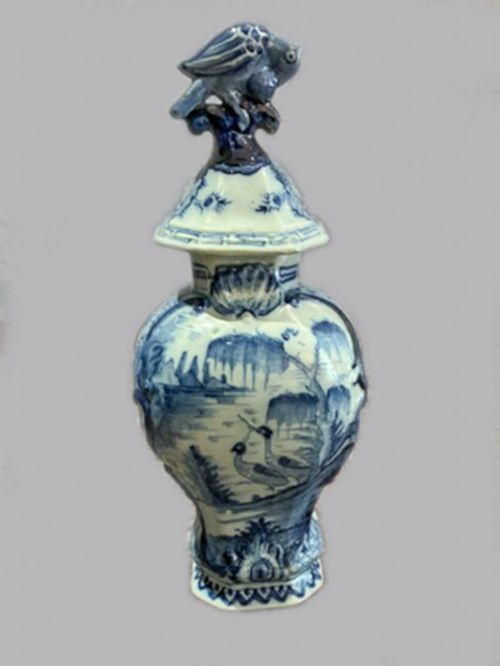

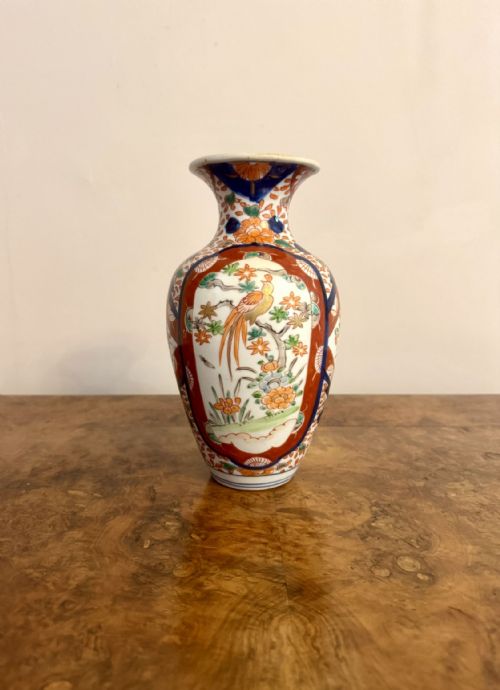


Decorated Pottery Vase
A decorated pottery vase brings colour and hand-painted detail into a room, spanning Victorian styles to Art Deco.
Decorated Pottery Vase
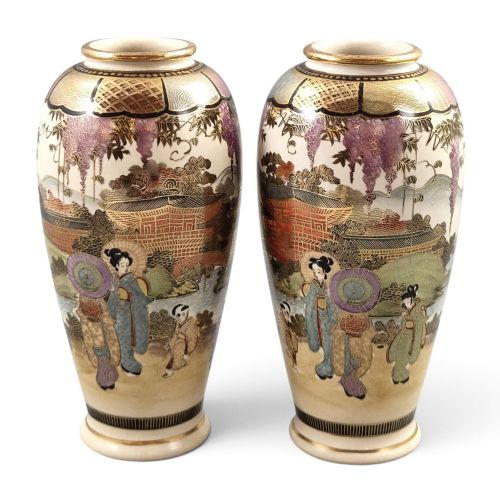
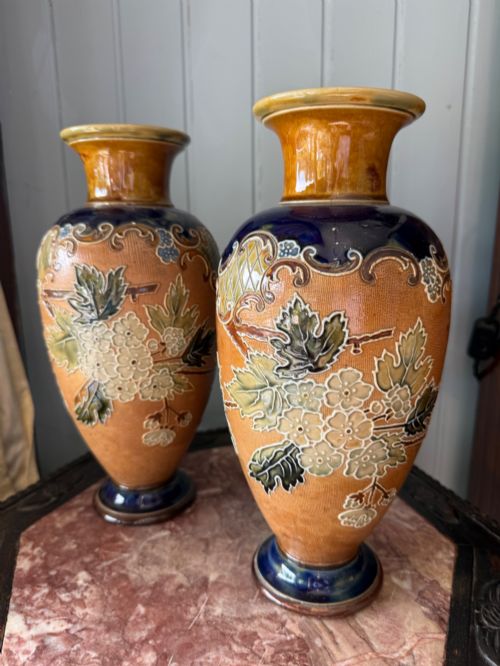
When searching for a decorated pottery vase, you encounter a wide spectrum of ceramic vessels shaped for display rather than utility. These pieces range from Victorian stoneware and earthenware to Japanese Meiji period ceramics.
You are most likely to meet nineteenth century and early twentieth century examples on this page. These include studio pottery, British factory productions, and export wares from Japan.
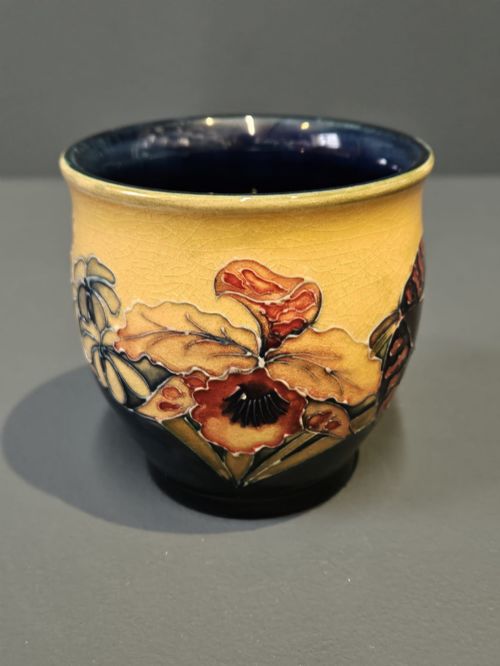
Forms vary from baluster vases and jugs to bulbous shapes and miniature vessels. The decoration on these pieces employs hand-painting, glazing, and applied motifs.
How they were made
Maker's workshops utilised earthenware, stoneware, and porcelain as the primary bodies for these vessels. Potters shaped these materials on the wheel or cast them in moulds to achieve baluster, jug, and bulbous forms.
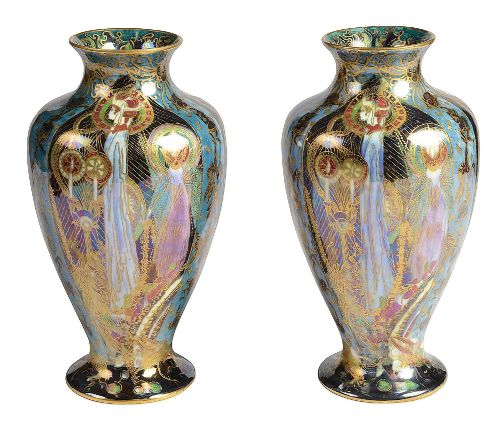
Surface ornamentation involved coloured glazes, enamel paints, and gold leaf applied by hand. Certain studios incorporated salt glazing, moriage relief work, and gilt accents to enrich the finished pottery.
Listings span multiple decades from the late eighteenth century through the Art Deco era, featuring earthenware, porcelain, and stoneware.
What varies in quality
The standard of a decorated pottery vase rests upon the precision of the hand-painting and the clarity of the glaze. Pieces bearing specific artist signatures or attributed to notable designers demonstrate superior execution.
Complexity of form and ambition of design distinguish standard production items from exhibition pieces. The crispness of applied moriage work and the richness of the enamel palette elevate individual vessels.
Royal Doulton Lambeth·Wedgwood Fairyland Lustre·Sir Edmund Harry Elton·Kinkozan Satsuma·Ernst Wahliss
The Decorated Pottery Vase Glossary
- Baluster
- A vase form characterised by a rounded body that tapers toward the neck, resembling an architectural baluster. This shape provides a balanced surface for painted and glazed decoration.
- Moriage
- A decorative technique using clay trailed from a tube to build up raised relief patterns on Japanese ceramics. Artisans often highlight these raised motifs with enamel and gold leaf.
- Stoneware
- A robust ceramic fired at high temperatures until vitrified and impermeable to liquids. This material accepts salt glazing and supports heavy surface ornamentation.
- Imari
- A traditional Japanese porcelain style featuring a palette of cobalt blue, iron red, and gold. This aesthetic heavily influenced European potteries during the nineteenth century.
- Earthenware
- A porous pottery body fired at lower temperatures than stoneware or porcelain. Potters coat earthenware with glazes to seal the surface before applying hand-painted decoration.
Decorated Pottery Vase: Frequently Asked Questions
How do I date a decorated pottery vase?
Dating relies on maker marks, factory stamps, and stylistic cues such as Art Nouveau or Meiji period motifs. Examining the base and the glaze type provides further clues to the decade of manufacture.
Historical records and artist signatures help narrow the window of production. Comparing the body material to known factory output confirms the period.
Where should I display these vases?
These vessels suit prominent locations like mantelpieces, sideboards, or display cabinets where adequate lighting highlights their glazes and hand-painted details. Placing them away from direct sunlight protects enamel and gold leaf.
Ensure stability by positioning heavier stoneware and large baluster forms on solid furniture surfaces. Pairing smaller miniature vases together creates a focal point in a room.
How do I clean my pottery vase?
Dust ceramic and porcelain surfaces gently with a soft, dry cloth. Avoid using water or cleaning solutions on pieces with delicate enamel, gold leaf, or moriage decoration.
Unglazed earthenware requires particular care to prevent moisture absorption. Professional conservation advice is recommended for valuable studio pottery.
What is the difference between earthenware and stoneware?
Earthenware is fired at lower temperatures, resulting in a porous body that requires a glaze to hold water. Stoneware undergoes higher firing temperatures, creating a dense, vitrified material that is completely waterproof.
Stoneware generally offers greater weight and durability than earthenware. Both bodies served as foundations for elaborate nineteenth century and twentieth century decoration.