
Victorian Pottery Vase
When you search for a victorian pottery vase, you are looking at domestic ceramics that range from utilitarian stoneware to ornate earthenware exhibition pieces.
Victorian Pottery Vase
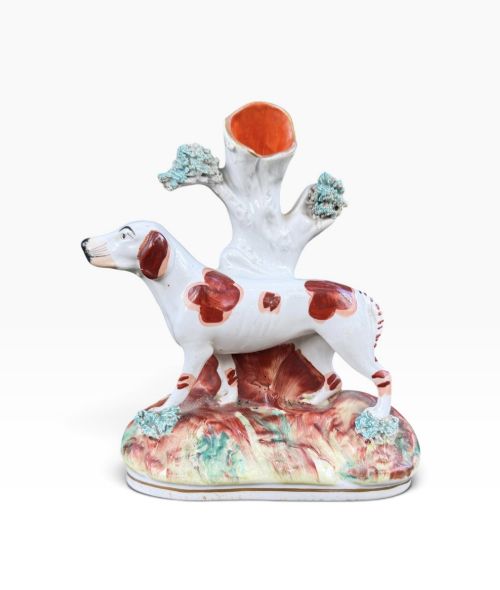
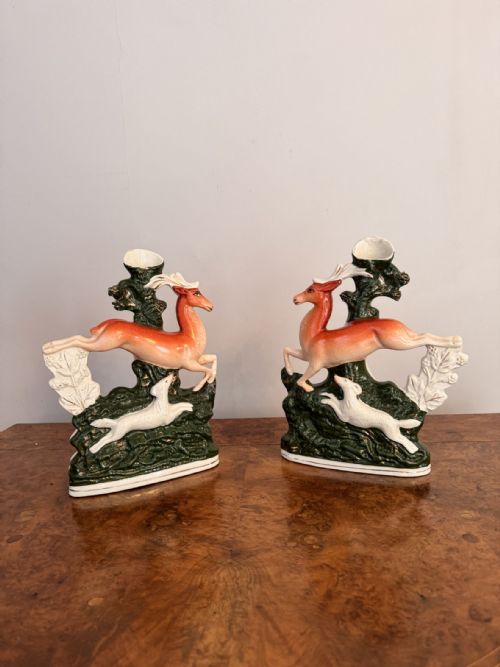
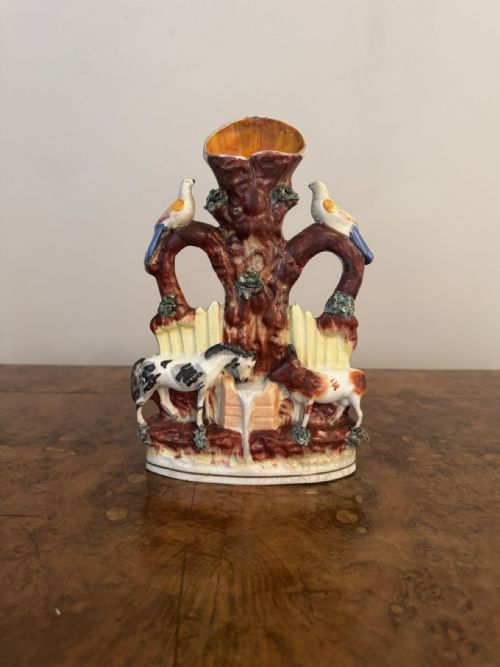
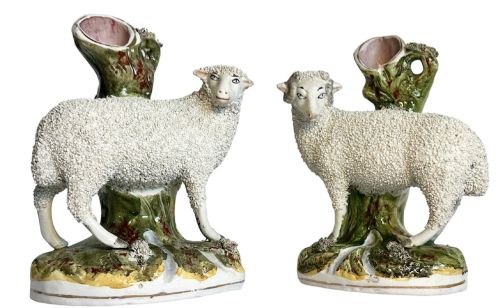
A victorian pottery vase covers a diverse spectrum of domestic and decorative vessels produced throughout the nineteenth century. Buyers frequently encounter Staffordshire animal spill vases depicting sheep, deer, and dogs alongside salt-glazed stoneware and faience display pieces.
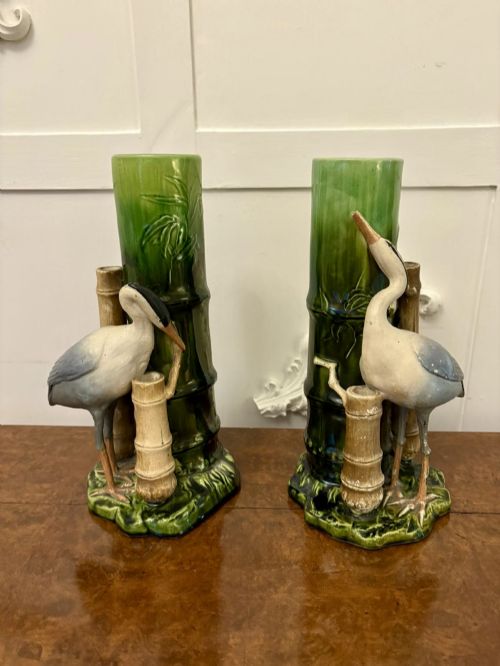
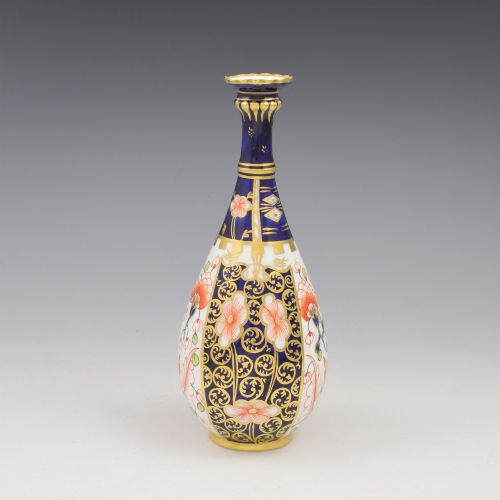
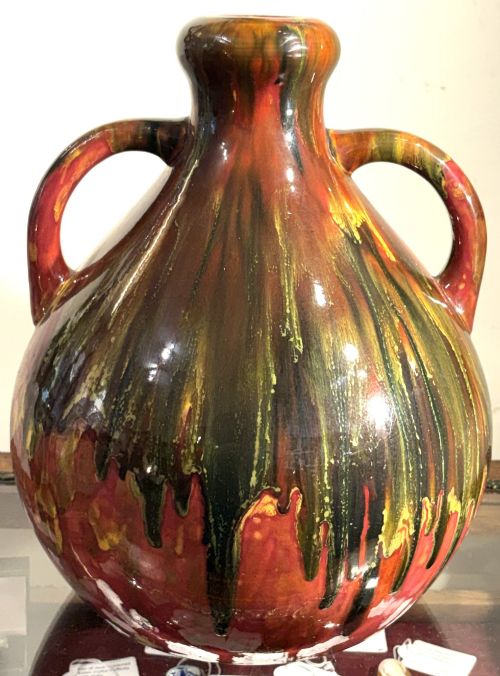
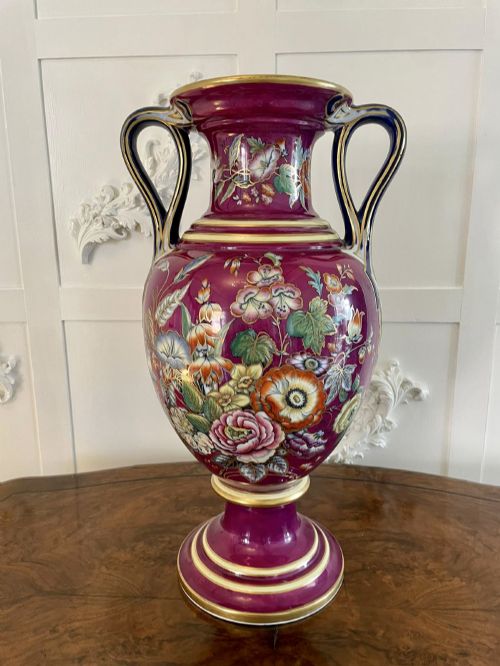
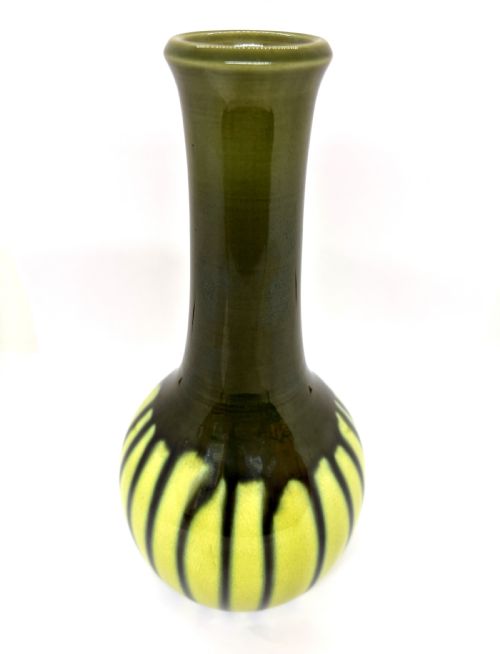
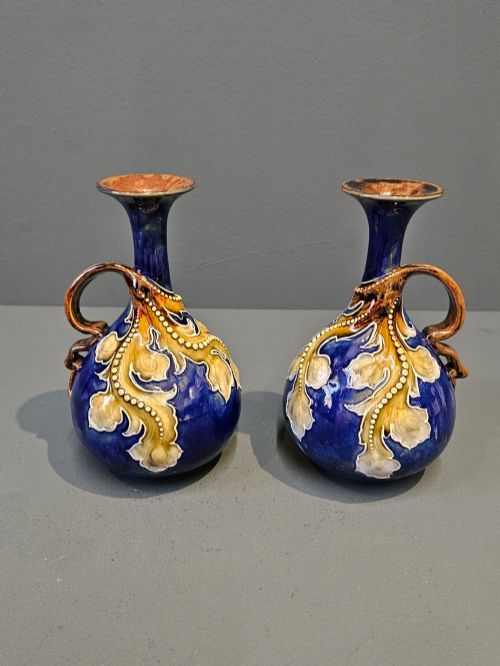
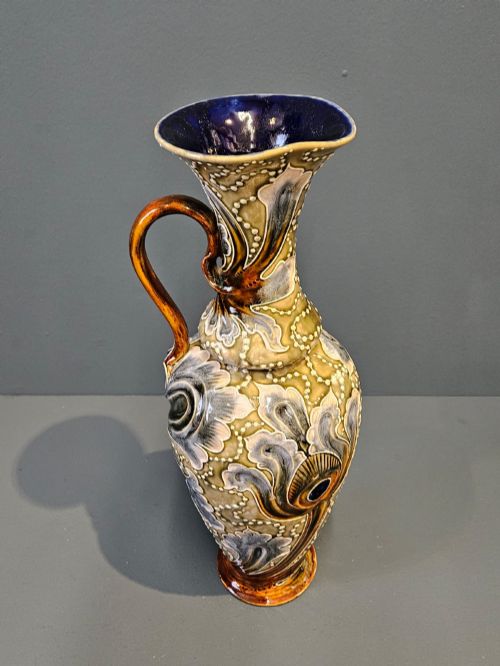
The selection encompasses English studio pottery from makers like Sir Edmund Harry Elton and Burmantofts, alongside Continental maiolica and French faience. Forms range from modest twin-handled urns and spill holders to large exhibition ewers and bottle vases.
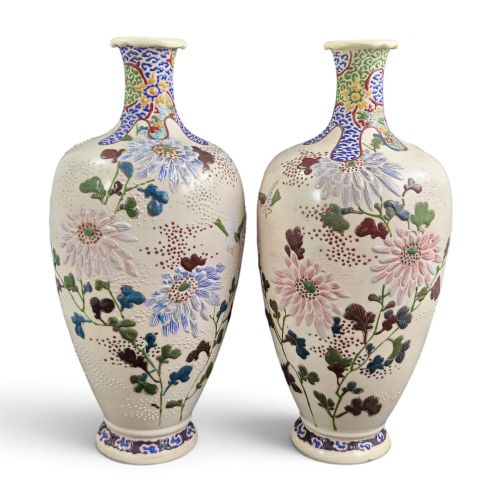
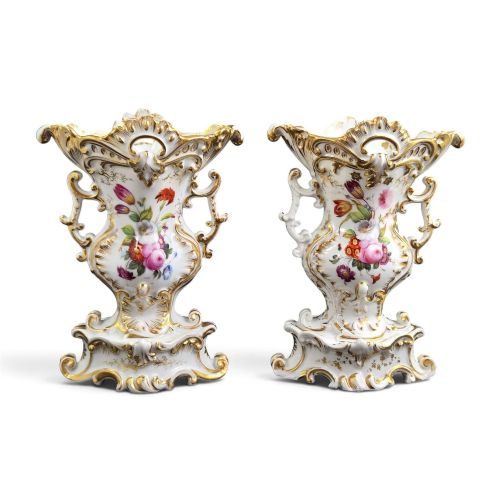
The stylistic influences span traditional floral motifs, classical Greek revival, and the distinct geometries of the Aesthetic Movement and Art Nouveau. Pieces emerge from structured industrial potteries as well as early studio workshops.
How they were made
Potters utilised earthenware, porcelain, stoneware, and terracotta as foundational bodies, shaping them by hand, on the wheel, or within press-moulds. Earthenware figures and Staffordshire spill vases were typically slip-cast or moulded before receiving hand-painted enamel colours and translucent glazes.
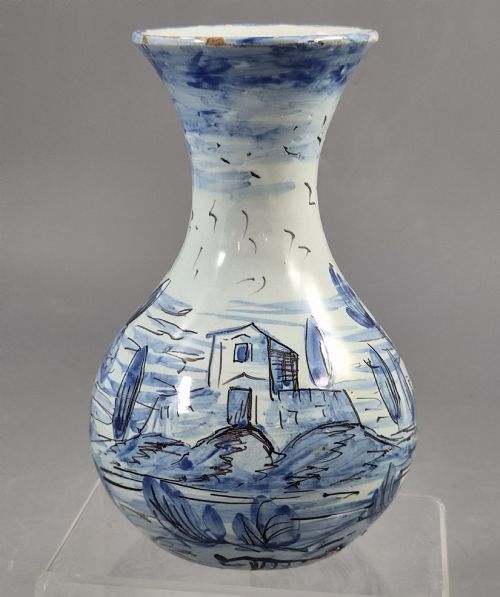
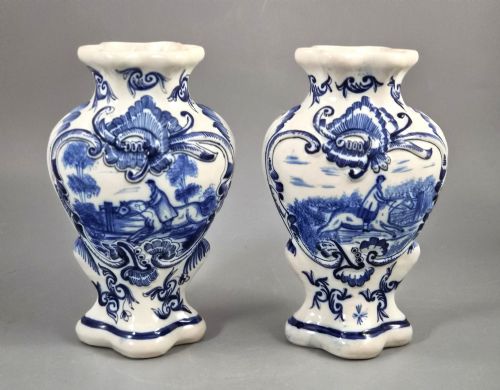
Faience and majolica techniques required tin glazes painted with metallic oxides, often fired multiple times to achieve rich cobalt blues and polychrome surfaces. Stoneware production relied on salt-glazing and specialised patent applications such as Slaters patent texturing to create tactile, patterned exterior finishes.
Listings span earthenware, porcelain, and stoneware across Victorian, Arts and Crafts, and Aesthetic Movement aesthetics.
What varies in quality
The reputation of the studio or pottery significantly influences distinction, with signed pieces by recognised decorator artists commanding greater attention. The preservation of original gilding and delicate applied details also marks the difference between standard production ware and exhibition-grade outputs.
Jacob Petit·Fourmaintraux-Courquin·Cantagalli Florence·Burmantoft's Pottery·Doulton Lambeth·Alice Euphemia Thatcher·Lauder Pottery Barnstaple·Royal Worcester·Tunnicliffe·Eliza Simmance·Minton·Emma Shute·Sir Edmund Harry Elton·William Moorcroft·Lipscombe and Co London Pottery·Dudson Pottery
The Victorian Pottery Vase Glossary
- Spill vase
- A small ceramic holder designed to store taper spills used for lighting candles or fires. These vessels frequently feature sculptural animal or figural subjects.
- Maiolica
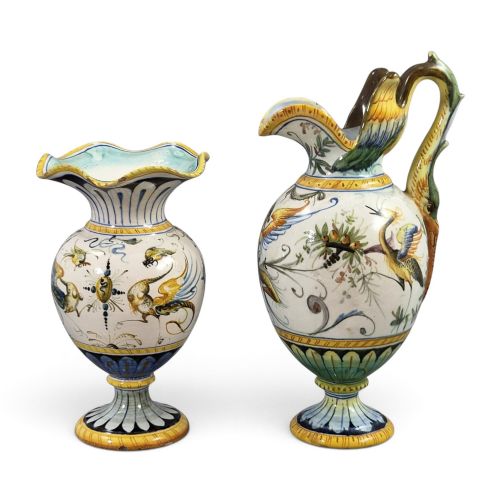
- Tin-glazed earthenware decorated with opaque colours over a white enamel ground. This technique flourished across Italy and later influenced nineteenth-century European revivals.
- Faience
- European tin-glazed pottery, often associated with French and English manufactories during the nineteenth century. It provides a smooth surface for detailed floral and pictorial painting.
- Stoneware
- A heavy, durable ceramic fired at high temperatures until vitrified and rendered impermeable to liquids. Salt-glazed variants display a characteristic orange-peel texture.
- Ewer
- A large jug with a flared spout and an ornate handle, originally intended for pouring water but frequently utilised as a purely decorative centrepiece.
Victorian Pottery Vase: Frequently Asked Questions
What is a spill vase?
A spill vase is a hollow ceramic vessel designed to hold thin wooden spills used for transferring flames from a hearth to candles or lamps.
Victorian makers often combined this practical function with whimsical animal sculptures, such as sheep or stags, making them decorative mantelpiece ornaments.
How do I identify Doulton Lambeth pieces?
Doulton Lambeth pieces typically feature distinctive salt-glazed stoneware, incised foliate patterns, and specialised decorative techniques like Slaters patent lace impressions.
Many bear the specific impressed factory marks alongside the personal monograms of notable artists such as Alice Euphemia Thatcher or Eliza Simmance.
Are Staffordshire figures also vases?
Staffordshire figures often incorporated a cylindrical section beside the main human or animal motif to serve as a functional spill vase.
These combined pieces allowed Victorian households to keep taper lights close at hand while displaying popular pastoral and theatrical scenes.
What is maiolica pottery?
Maiolica is tin-glazed earthenware painted with rich metallic oxide colours over an opaque white enamel glaze.
Nineteenth-century makers revived this Renaissance style to produce highly decorative vases, ewers, and cabinet pieces featuring vibrant florals and classical figures.