

Gold Gilded Vase
A gold gilded vase brings a rich gleam of metallic leaf or paint to a mantelpiece, drawing the eye across centuries of ceramic and glass design.
Gold Gilded Vase
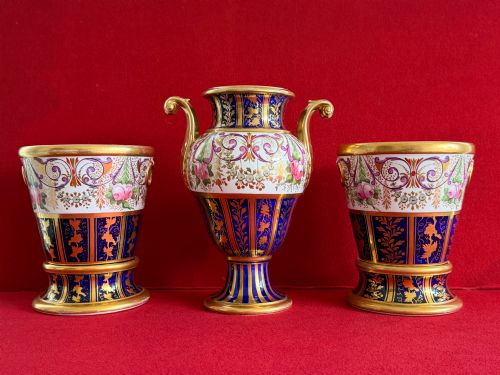
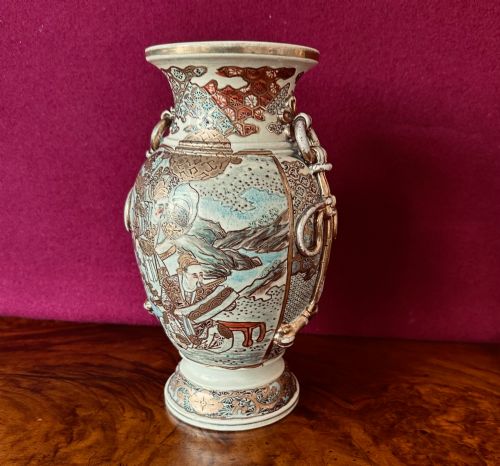
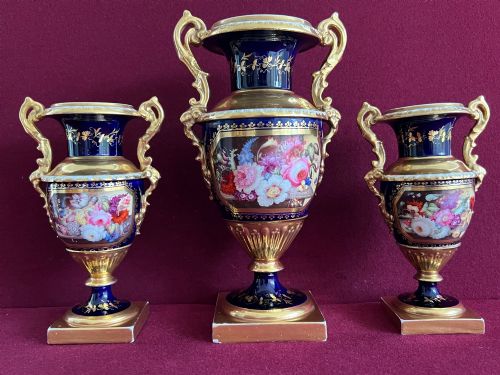
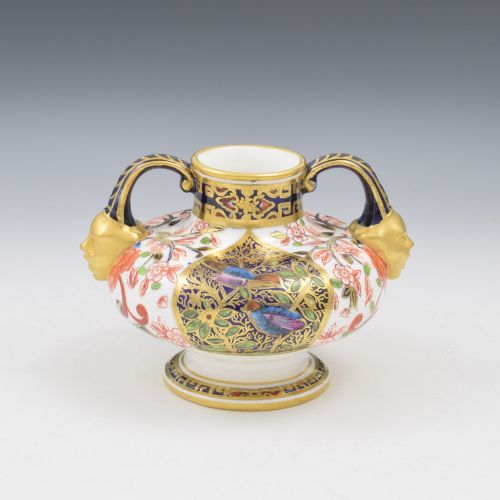
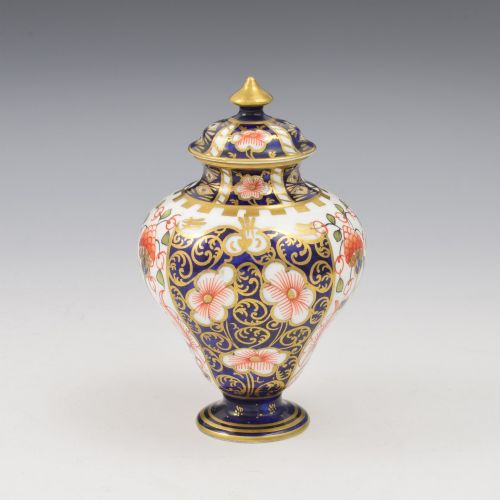
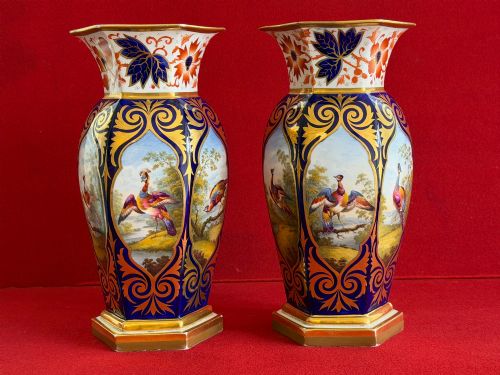
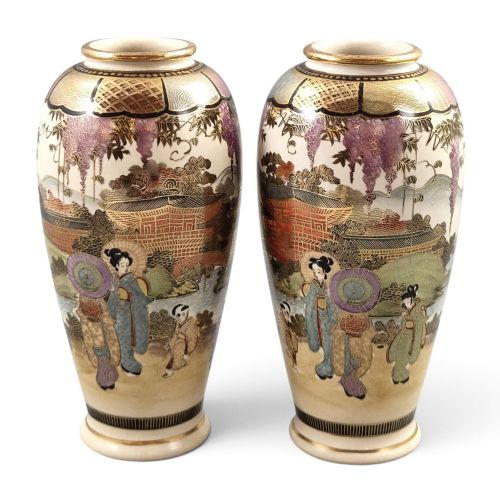
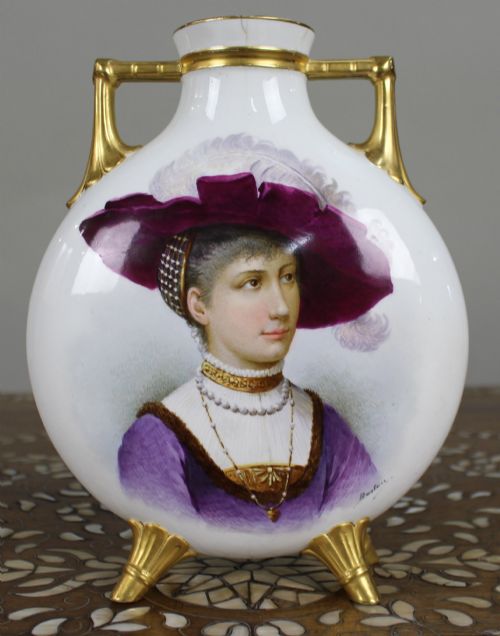
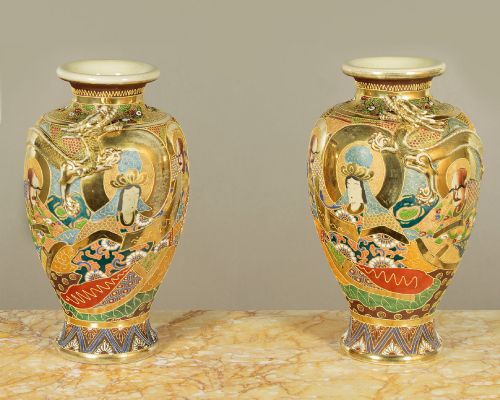
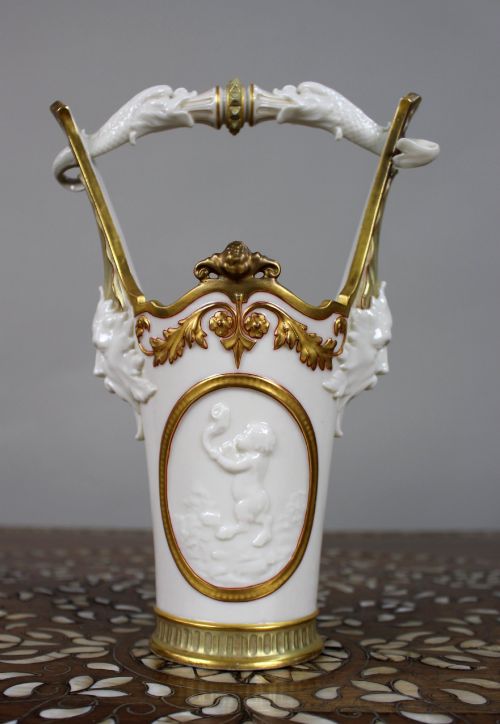
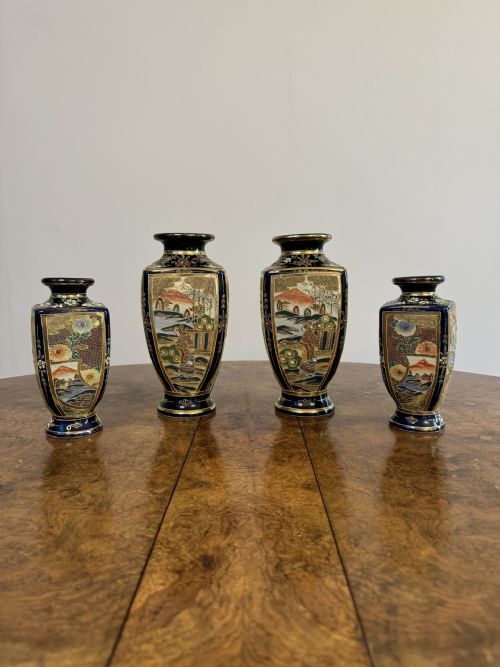
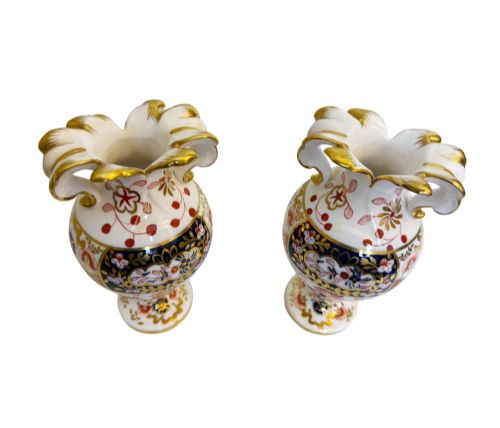
When you search for a gold gilded vase, you are looking at decorative vessels finished with gold leaf, gilt, or gold enamel across multiple periods. The selection on this page ranges from Georgian porcelain urns to 19th-century English pieces, Edwardian blush ivory ceramics, and Japanese Satsuma earthenware.
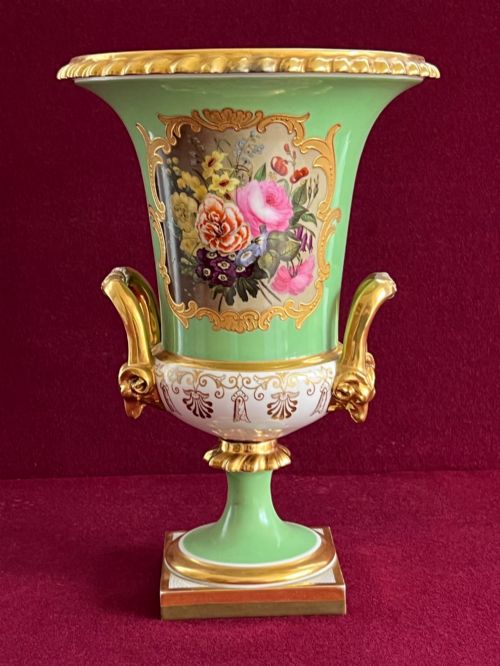
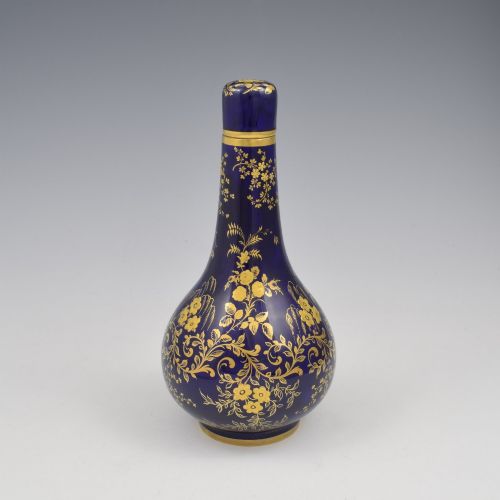
You will frequently encounter English porcelain from factories such as Royal Worcester, Derby, and Coalport alongside Japanese Satsuma wares from the Meiji period. Forms vary from simple bottle vases and moon flasks to elaborate two-handled campagna urns and covered jars.
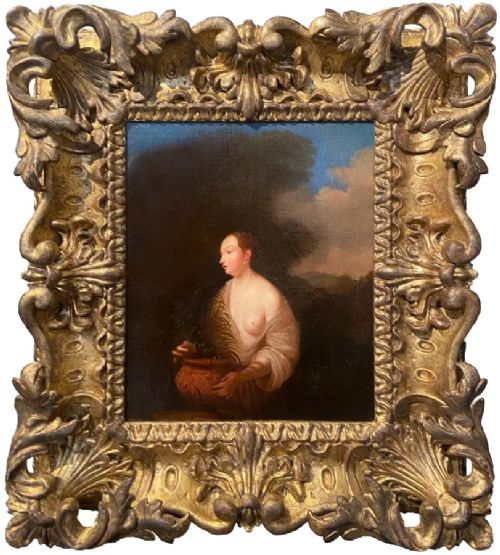
The styles span the classical restraint of the Regency period through the florid designs of the Victorian era to the organic curves of Art Nouveau and the clean lines of Art Deco. Alongside ceramics and glass, occasional oil paintings depicting vases appear in the listings.
How they were made
Makers utilised fine porcelain, earthenware, ironstone, and glass as the foundational bodies for these pieces, shaping them on the wheel or casting them in moulds. Artisans then applied hand-painted enamels, coloured glazes, and oil painting techniques before adding the final metallic embellishments.
Gilding was executed using gold leaf, gilt bronze mounts, or gold enamel fired onto the surface to create shimmering highlights. Skilled hands brushed or tooled the gold onto intricate motifs, floral panels, and raised borders.
Listings feature gold gilded vase examples spanning the 18th century through the Art Deco era, incorporating porcelain, earthenware, glass, and oil painting.
What varies in quality
Quality rests upon the precision of the hand painting and the crispness of the gilt work. Pieces decorated by named artists or produced by esteemed potteries display finer detail in portraiture and floral motifs.
The weight and balance of the vessel, the richness of the enamel colours, and the preservation of the delicate gold leaf without excessive rubbing distinguish superior examples from standard production wares.
Royal Crown Derby·Flight Barr And Barr·Shozan·Sevres·Royal Worcester·Spode·Mason·Vienna Porcelain·Reissner Stellmacher And Kessel·Manpei·Kutani·Legras·Kinzan·Hotoda·Coalport·Minton·Grainger Worcester
The Gold Gilded Vase Glossary
- Gilt
- A thin layer of gold applied to the surface of porcelain, metal, or wood. It provides a bright metallic finish that reflects light.
- Satsuma
- A type of Japanese earthenware featuring a crackle-glaze ivory body decorated with polychrome enamels and gold. It gained massive popularity in the West during the late 19th century.
- Blush ivory
- A soft cream-coloured ceramic ground developed by Royal Worcester in the late 19th century. It typically serves as a subtle backdrop for delicate hand-painted floral sprays.
- Campagna urn
- A classical bell-shaped vase form popular in ancient Rome and revived during the Georgian and Victorian periods. These vessels usually feature twin handles and a pedestal base.
- Reticulated
- Pierced or openwork decoration cut into the clay before firing. This technique creates delicate lace-like patterns across the body of a vase or ewer.
Gold Gilded Vase: Frequently Asked Questions
What is Satsuma ware?
Satsuma ware is a distinctive type of Japanese pottery originating from the Satsuma Province, characterised by a fine crackle-glaze earthenware body. Artisans decorated these pieces with intricate scenes of figures, landscapes, and animals, heavily accented with gold enamel.
By the late 19th century, much of this ware was produced specifically for export to Western markets. Signed pieces by master workshops remain highly sought after by collectors today.
How can I tell the period?
Examine the base of the vessel for factory marks, pattern numbers, and artist signatures that correspond to known operational dates. The style of decoration, from Regency classical motifs to Art Nouveau naturalism, also provides a strong chronological indicator.
Material composition and manufacturing techniques evolved over time, helping to distinguish an 18th-century porcelain piece from an early 20th-century earthenware alternative.
Where should I display my vase?
Position your vase in a stable spot away from direct sunlight and high humidity to protect the fragile enamels and gilding. Placing the piece on a mantelpiece or within a cabinet allows the metallic highlights to catch the ambient light effectively.
Ensure the vessel sits out of the path of daily traffic to prevent accidental knocks against handles or rims.