



Antique Orientalist Sculpture
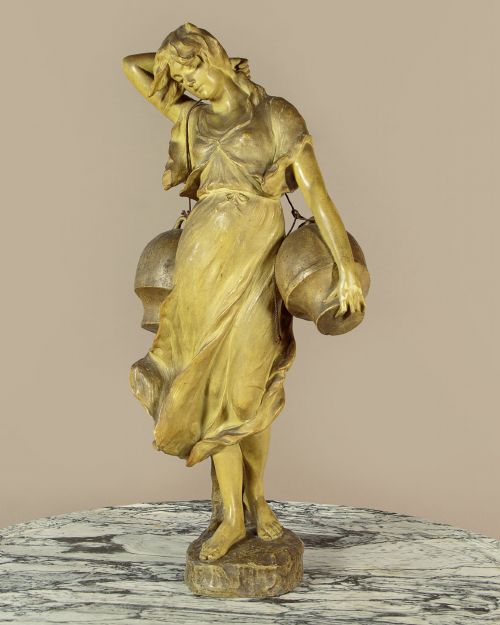
Antique orientalist sculpture captures 19th-century and early 20th-century European fascination with North African, Middle Eastern, and Asian subjects through highly detailed figurative works.
Antique Orientalist Sculpture
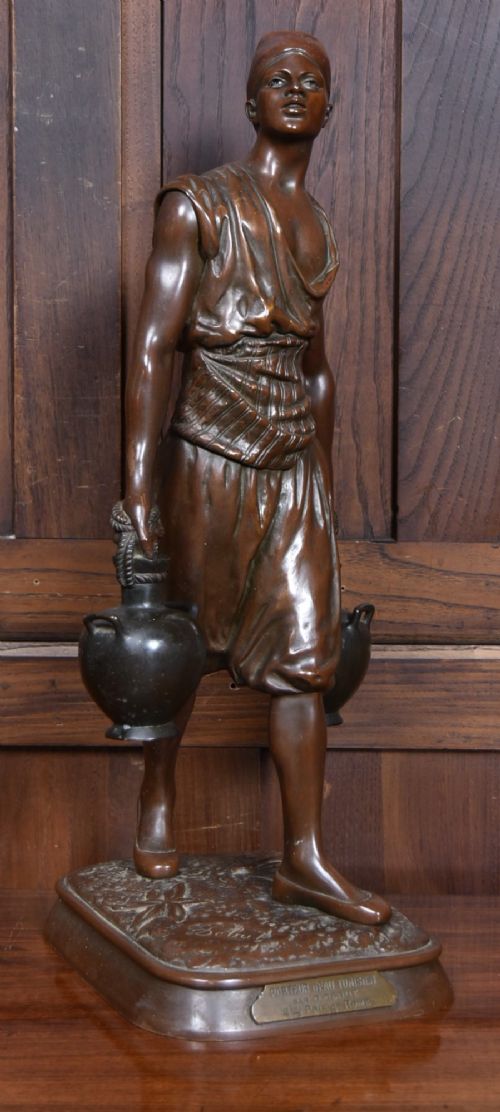
Antique orientalist sculpture encompasses bronze figures, porcelain studies, and mixed-media decorative arts created primarily during the Victorian, Edwardian, Art Nouveau, and Art Deco periods. These works depict water carriers, dancers, merchants, and warriors drawn from artistic interpretations of Eastern cultures.
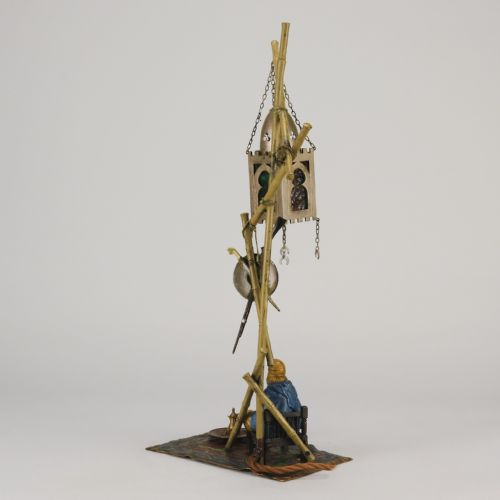
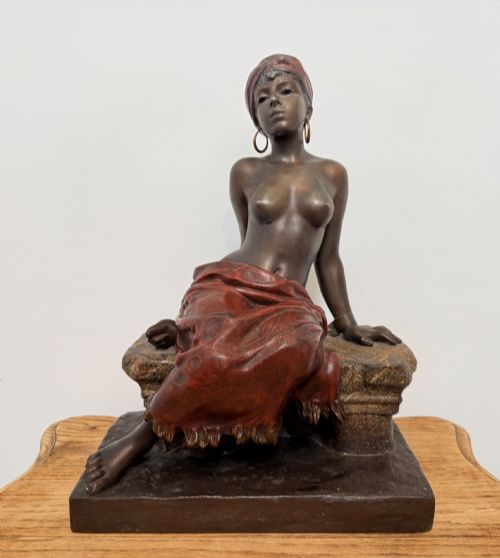
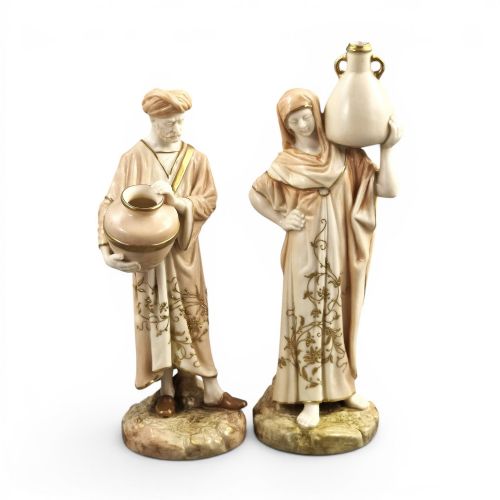
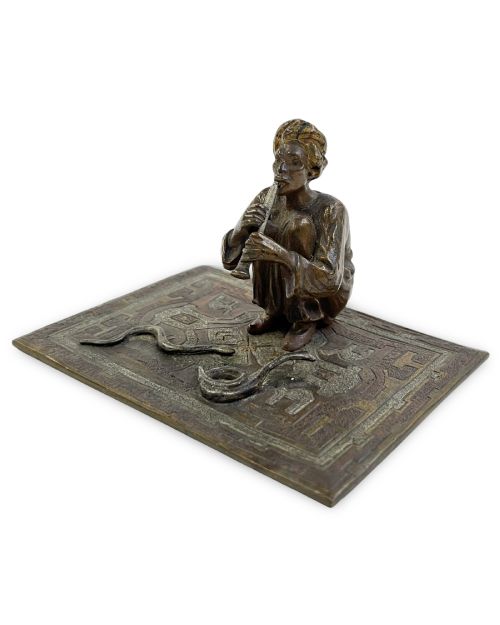
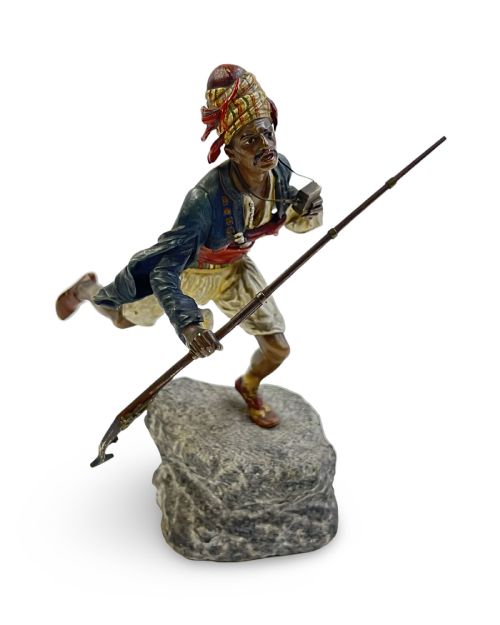
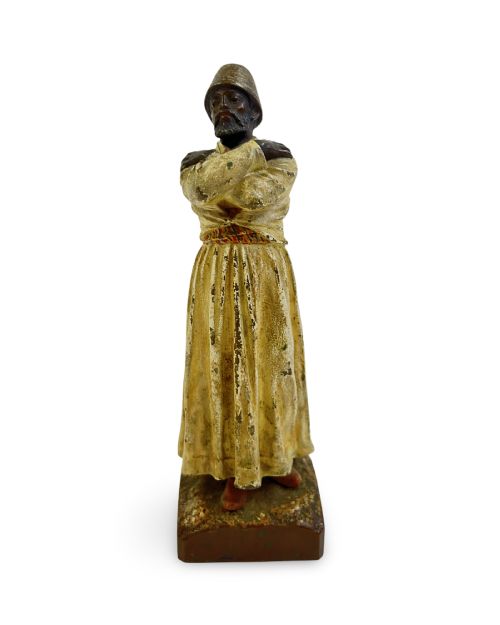
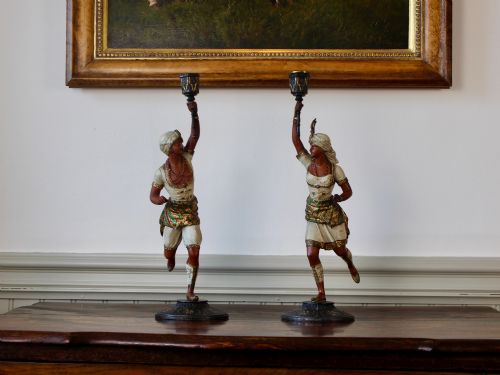
The versions most commonly met on this page include cold-painted bronzes from Vienna workshops, French bronze figures, and British porcelain figures from manufacturers such as Royal Worcester. Forms range from table lamps and candlesticks to standalone cabinet figures and large floor sculptures.
How they were made
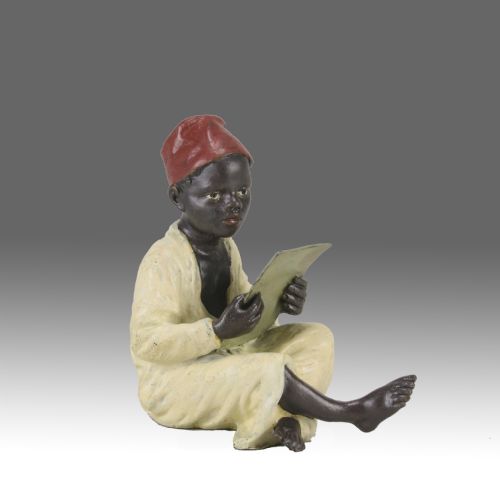
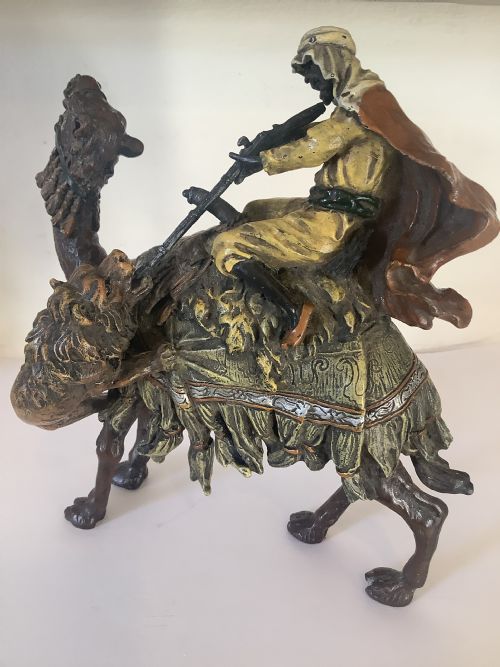
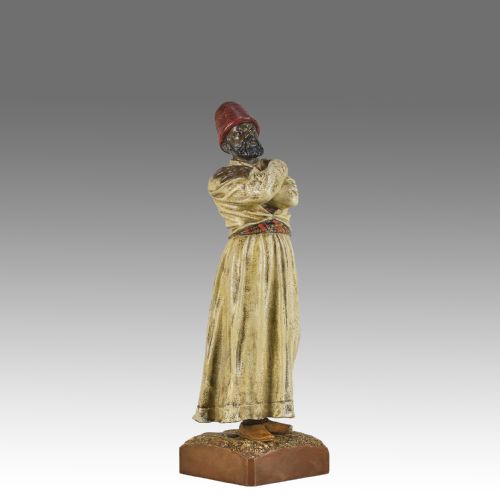
Bronzes were produced using the lost-wax casting method, allowing intricate rendering of draped garments, turbans, and textured surfaces. Many metal figures received cold-painted finishes, where polychrome oil or enamel paints were applied directly to the bronze without high-temperature firing.
Ceramic and porcelain examples utilised specialised moulding, hand-painting, and glazing techniques, often incorporating blush ivory bodies or metallic lustres to mimic rich fabrics. Plaster and spelter served as alternative casting mediums for larger decorative figures, finished with patination or polychrome paint.
Details such as gold leaf, enamel accents, and carved alabaster or marble bases were integrated to enhance the visual depth of the composition. Artisans combined casting, chasing, and painting to achieve distinct textures in skin, metal, and cloth.
Several figures conceal secret compartments or hinged lids, turning serious nineteenth-century bronzes into playful miniature cabinets.
What varies in quality
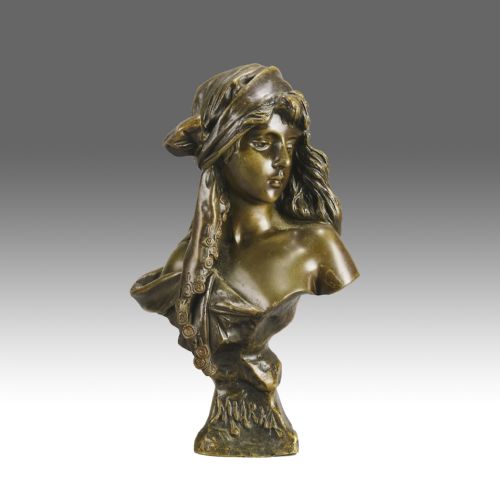
Quality in antique orientalist sculpture rests upon the crispness of the casting and the finesse of the chiselling, which determines how cleanly facial expressions and fabric folds are defined. Superior bronzes retain fine hand-chasing after the casting process, whereas lesser examples show softer, blurred details.
The preservation of original cold-painted surfaces heavily influences the desirability of a piece, as worn or later-repainted polychrome diminishes historical integrity. Expert colour application and subtle shading distinguish master Vienna bronzes from commercial output.
The artistry of the modeller and the reputation of the foundry dictate the tier of the piece. Well-documented sculptors and prominent firms achieved more dynamic proportions, balanced patination, and harmonious integration of base materials.
Franz Bergman·Emmanuel Villanis·James Hadley·Arthur Waagen·Edouard Drouot
The Antique Orientalist Sculpture Glossary
- Cold-painted bronze
- Bronze sculpture finished with un fired polychrome paint applied over a metal patina. This technique was favored by Viennese foundries to create brightly coloured garments and accessories.
- Spelter
- A zinc alloy used as a less expensive alternative to bronze during the nineteenth and twentieth centuries. It was frequently patinated to imitate genuine bronze in decorative figures and candlesticks.
- Lost-wax casting
- A metal-casting method where a molten metal is poured into a mould created by melting away a wax model. This technique permits high precision and complex undercuts in figurative sculpture.
- Patina
- The surface coloration and sheen developed naturally over time or applied artificially to metal through chemical treatments. It protects the metal and defines the sculptural highlights.
- Blush ivory
- A tinted porcelain body developed by Royal Worcester featuring a soft, creamy finish decorated with subtle pink and gold shading. It provided a delicate matte surface for nineteenth-century figurative ceramics.
Antique Orientalist Sculpture: Frequently Asked Questions
What is cold-painted bronze?
Cold-painted bronze refers to metal sculptures finished with oil or enamel paints applied to the surface without a subsequent firing process. This technique allowed makers to achieve vibrant polychrome detail on garments, rugs, and accessories.
Because the paint sits on the metal rather than fusing with it, surviving original pigment on these pieces remains a key factor for collectors. Viennese workshops utilised this method extensively for small figural groups and table lamps.
How were orientalist sculptures used?
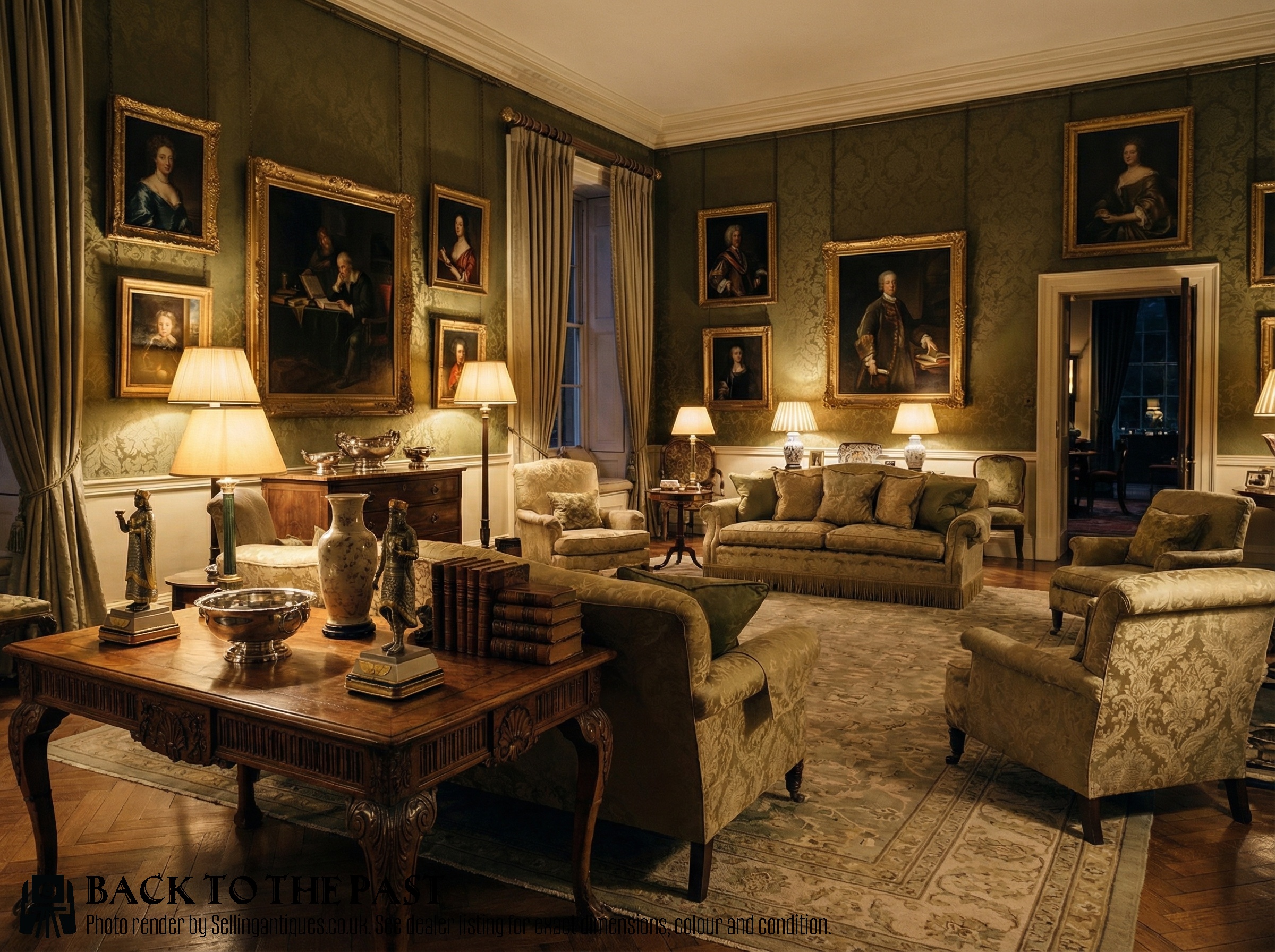
These sculptures functioned primarily as ornamental cabinet pieces, decorative table lamps, and figural candlesticks in affluent nineteenth-century drawing rooms. Their detailed narratives served as conversation starters and reflected contemporary European interest in travel and foreign cultures.
Larger terracotta and plaster figures stood in halls or reception rooms, while smaller bronzes and porcelain figurines decorated desks and mantelpieces. Their placement combined artistic display with functional domestic objects such as inkwells and lighting.
Are these pieces made of solid bronze?
Many figures are cast in solid bronze, while others utilise hollow casting to reduce weight and metal usage while maintaining structural stability. Some related decorative objects use spelter, a zinc-based alloy, finished with a bronze-colored patina to resemble solid metal.
Base materials also vary to include carved alabaster, marble, or wooden plinths that anchor the heavier metal or ceramic figures. Examining the underside or base reveals the true composition and casting method.