


Antique Orientalist Porcelain
Antique orientalist porcelain captures the 19th-century fascination with Eastern figures and motifs through painted enamel and rich ceramic glaze.
Antique Orientalist Porcelain
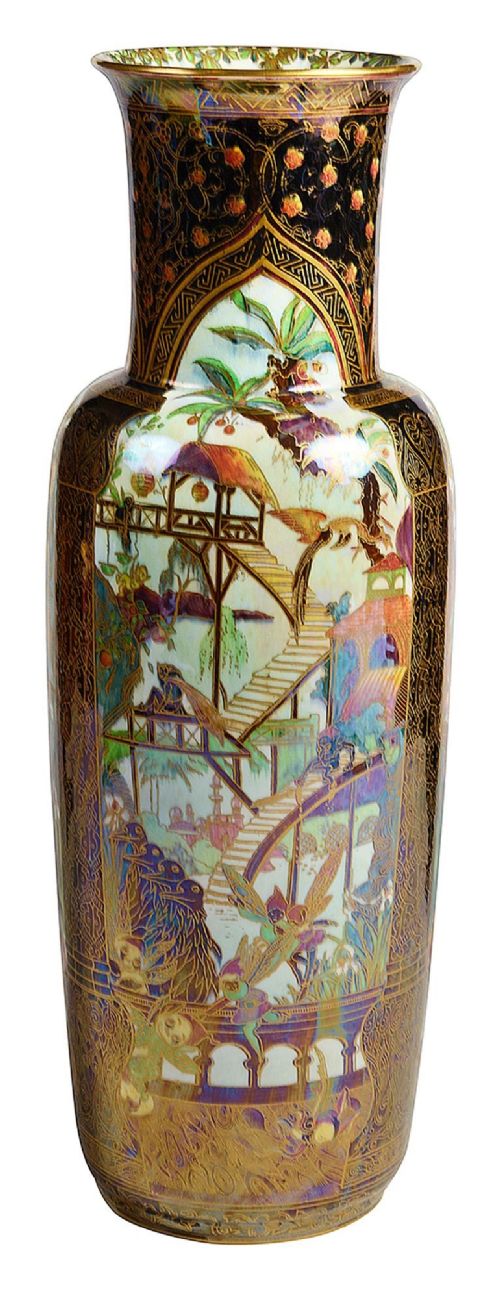
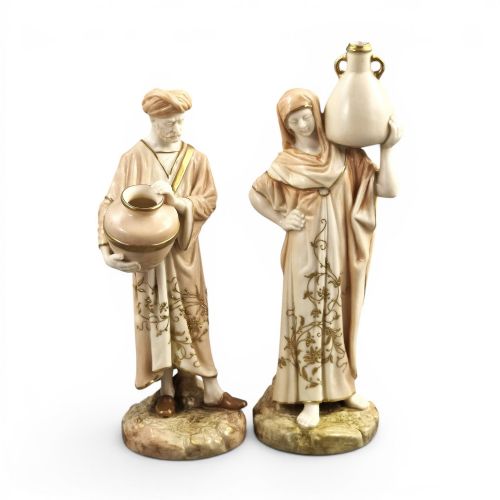
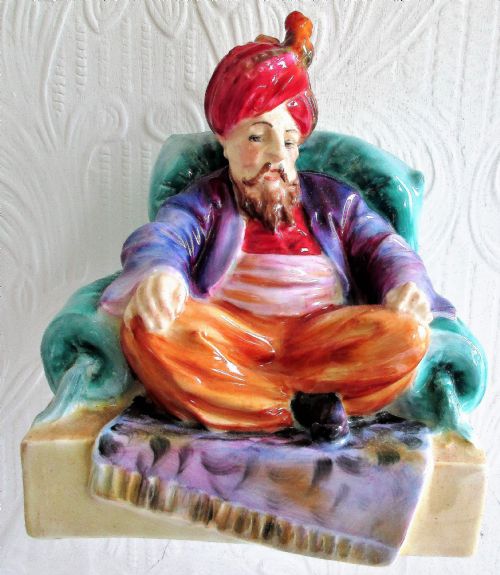
When you search for antique orientalist porcelain, you encounter ceramic figures, vases, plates, and lamps produced primarily during the Victorian and Edwardian eras. These pieces depict subjects such as water carriers, musicians, and craftsmen from Middle Eastern and Asian cultures, reflecting Western artistic interests of the period.
The selections on this page span from 18th-century English figures to 1930s Art Deco lamps and garniture sets. Continental workshops, French studios, and English potteries all contributed distinct interpretations of these foreign themes using earthenware and porcelain.
Most items you meet here date from the late 19th century, particularly through the detailed output of factories like Royal Worcester and Royal Dux. These works combine standard ceramic bodies with elaborate painted decoration, gold leaf, and specific regional dress.
What varies in quality
Quality rests in the crispness of the moulding and the skill applied to the enamel painting of facial expressions and textiles. Finer pieces retain sharp details in the fingers, drapery, and decorative motifs without blurring at the edges.
The sophistication of the design distinguishes standard commercial output from works attributed to named designers or major exhibitions. Superior examples demonstrate a precise control of gilding and a harmonious balance of colours across the entire ceramic surface.
Elephants and water carriers remain remarkably popular subjects, proving that Victorian households had a distinct soft spot for exotic plumbing.
Wedgwood·Royal Worcester·John Davenport of Longport·Royal Doulton·Argilor·Royal Dux·Carl Thieme Dresden·Turn
The Antique Orientalist Porcelain Glossary
- Garniture set
- A matched group of three or more vases or ornaments designed to display together on a mantelpiece or sideboard.
- Imari pattern
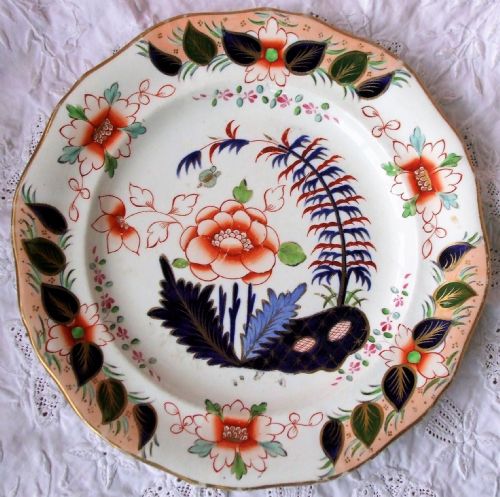
- A decorative style featuring deep blue, iron red, and gold, originally inspired by Japanese export porcelain.
- Gilding
- The application of gold leaf or gold paint to ceramic surfaces to create metallic highlights and borders.
- Veilleuse
- A type of porcelain night light or perfume lamp popular in France during the Art Deco period.
- Earthenware
- A porous pottery body fired at lower temperatures than porcelain, requiring a glaze to achieve impermeability.
Antique Orientalist Porcelain: Frequently Asked Questions
What subjects appear on these pieces?
The designs frequently portray figures from Eastern cultures, including water carriers, musicians, craftsmen, and horsemen. European interpretations also encompass abstract Japanese styles and traditional Imari patterns.
These depictions reflect the Victorian and Edwardian interest in foreign travel and distant civilisations, rendered through porcelain and ceramic mediums.
How do I identify a Victorian piece?
Victorian examples often display naturalistic modelling combined with elaborate gilding and vibrant enamel colours. Markings on the base, such as registration numbers or factory stamps, help pinpoint the decade of manufacture.
Stylistic cues include intricate clothing details on figures and specialised glaze techniques developed during the late 19th century.
Were these items used daily?
Most of these porcelain objects served decorative functions rather than daily domestic tasks. Items like garniture sets, vases, and figurines stood on mantelpieces or cabinets to display the owner's taste.
Functional pieces such as inkwells or table lamps combined utility with the prevailing orientalist aesthetic of the period.
How should I display porcelain lamps?
Art Deco veilleuses and perfume lamps require stable placement away from heavy traffic areas to protect their delicate ceramic bodies. Proper low-wattage bulbs prevent excess heat from damaging the vintage glaze or enamel.
Positioning them on sturdy furniture allows the light to pass through the pierced or translucent porcelain sections safely.
What defines Art Deco orientalism?
Art Deco pieces introduce stylised geometric forms and simplified contours to traditional Eastern themes. Figures from this era often feature sleek lines and streamlined clothing folds compared to Victorian examples.
French workshops utilised this modern vocabulary for novel forms like elephant tamer perfume lamps and specialised lighting.