

Antique Orientalist Figure
An antique orientalist figure captures nineteenth-century interpretations of Eastern subjects through sculpted bronze, painted porcelain, and detailed plaster.
Antique Orientalist Figure
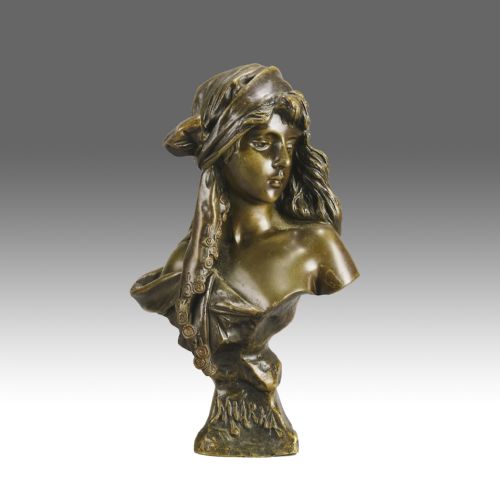
An antique orientalist figure represents subjects from North Africa, the Middle East, and Asia as interpreted by European artists during the nineteenth and early twentieth centuries. These works emerge predominantly from Victorian and Edwardian periods, manifesting in materials ranging from cast bronze to glazed ceramic.
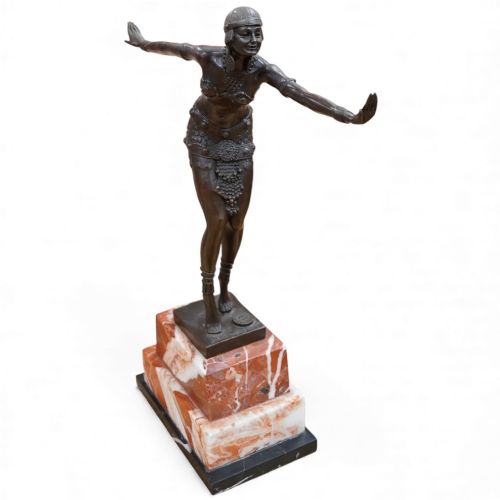
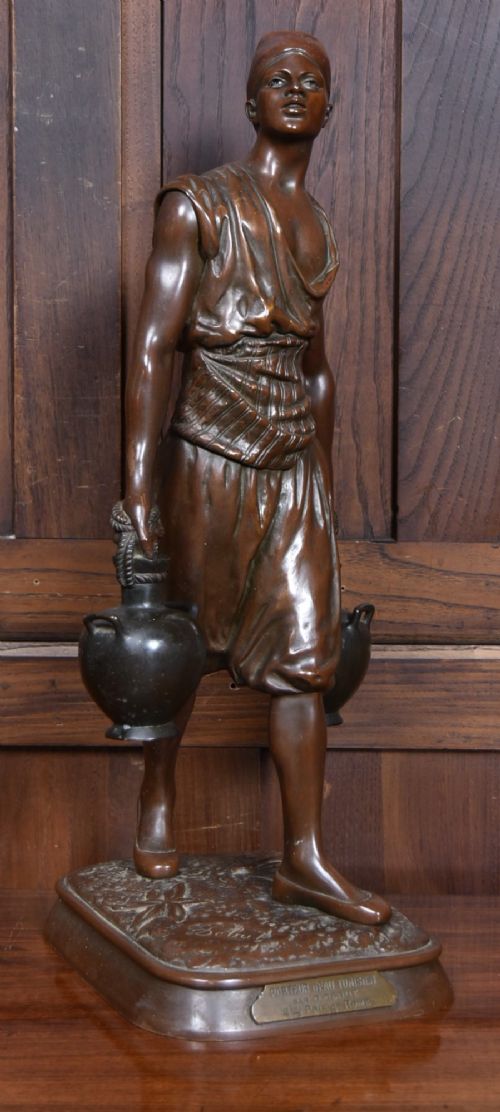
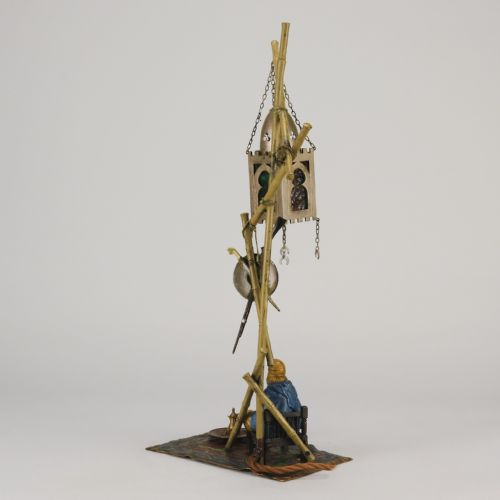
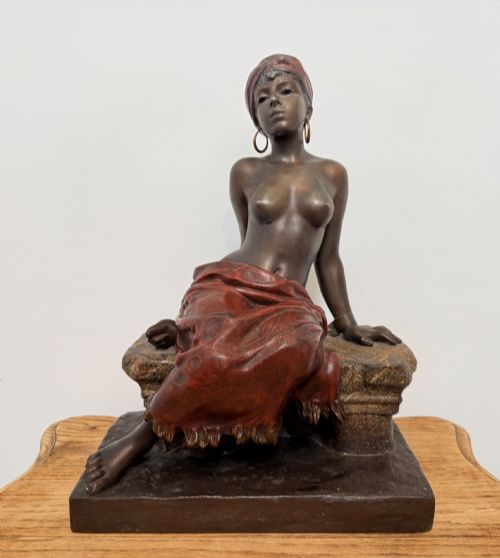
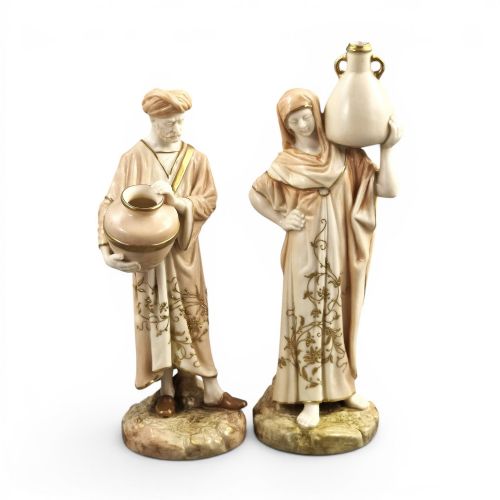
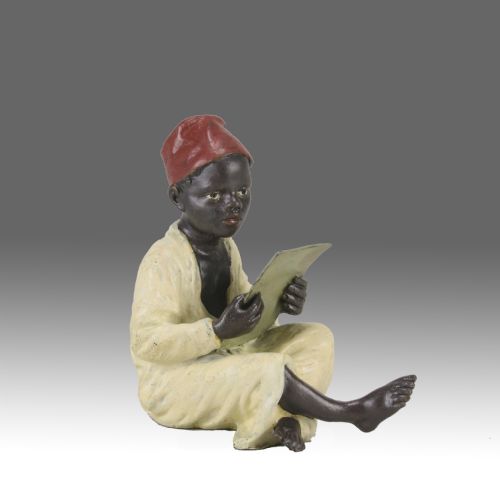
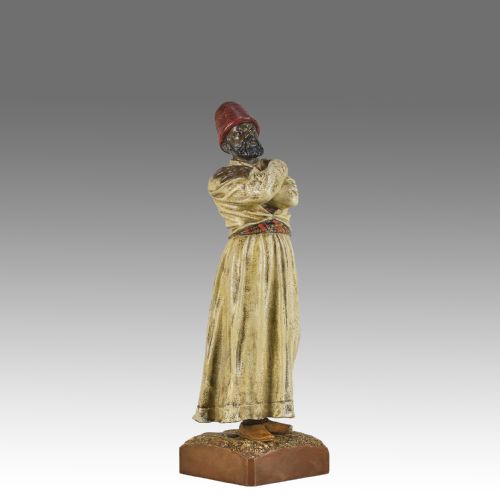
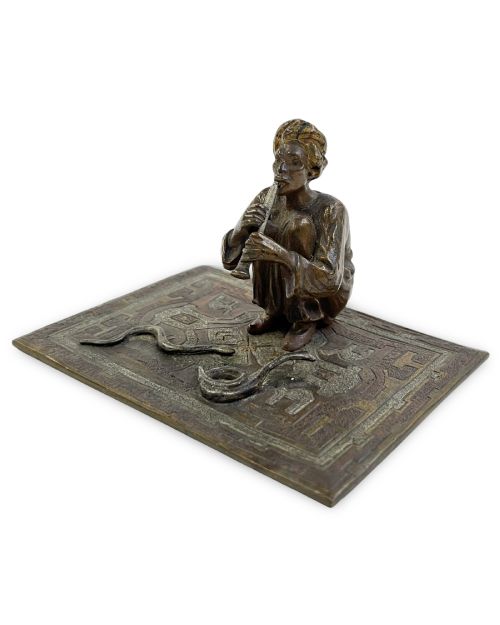
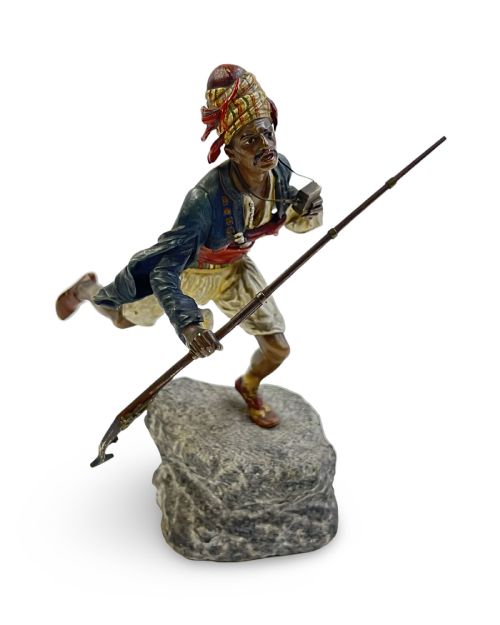
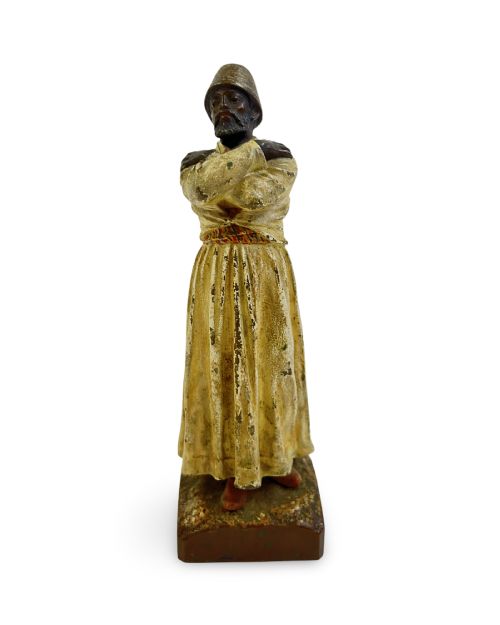
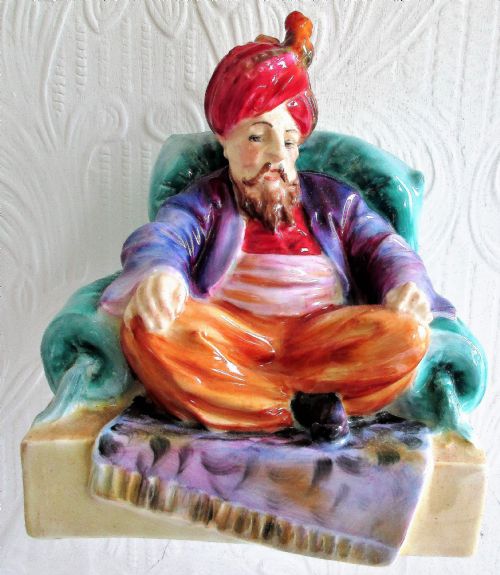
The most common examples on this page include cold-painted bronze statuettes of figures such as water carriers, snake charmers, and dervishes originating from Vienna workshops. Alongside these bronzes, buyers frequently encounter porcelain figurines and painted terracotta forms produced by major European factories.
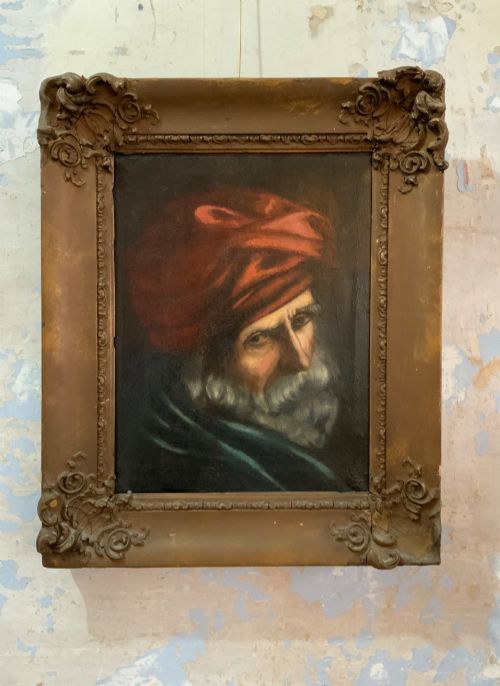
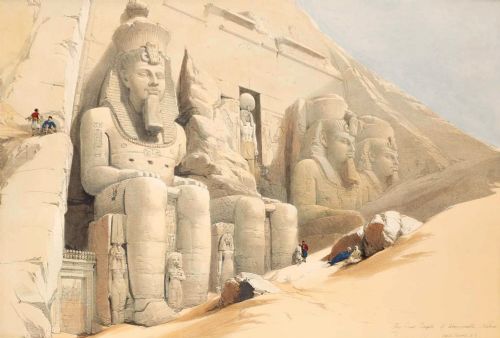
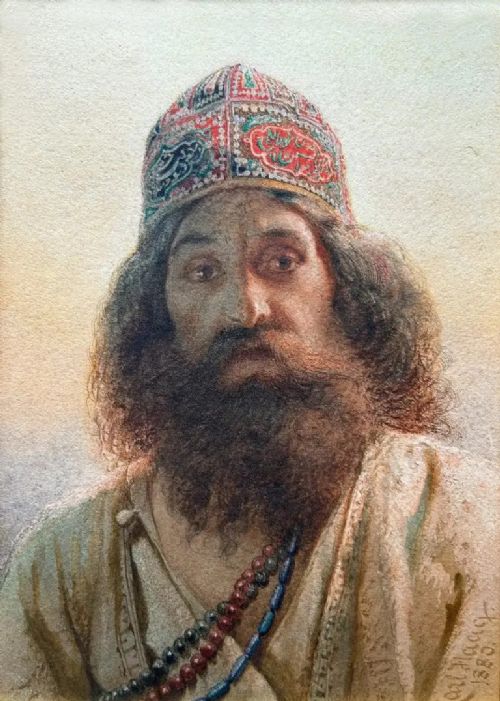
Moulded plaster pairs and oil paintings on canvas also appear, depicting regional inhabitants in traditional dress. These objects reflect nineteenth-century European fascination with distant landscapes and cultural practices through sculptural and pictorial media.
How They Were Made
Makers utilised bronze casting techniques, often applying polychrome cold-painting directly onto the metallic surface after heating. This painstaking method allowed artisans to achieve vivid garments and flesh tones without firing the pigments in a kiln.
Porcelain and earthenware versions required modelled clay forms finished with enamel paints, gilding, or specialised glazes such as blush ivory. Plaster figures relied on rigid moulds subsequently decorated with hand-applied paint layers to simulate textiles and metallic accessories.
Whirling dervishes and carpet merchants in bronze remind us that Victorian mantelpieces doubled as theatres for distant adventures.
What Varies in Quality
The preservation of the original cold-painted surface distinguishes superior bronze examples from heavily worn pieces. Intricacy of clothing patterns, facial expression definition, and the subtlety of colour blending separate standard foundry output from master works.
Franz Bergman·Emmanuel Villanis·James Hadley·Alfred Dubucand·Edouard Drouot·Arthur Waagen·Charles Arthur Bourgeois·Georges-Charles Coudray
The Antique Orientalist Figure Glossary
- Cold-painted bronze
- Bronze sculpture painted with polychrome paints that are not fired in a kiln. This technique was widely practiced by Viennese foundries in the late nineteenth and early twentieth centuries.
- Polychromed
- Decorated in several colours. This term frequently applies to plaster, ceramic, or wooden figures with painted surface treatments.
- Spelter
- A zinc alloy used as a less expensive substitute for bronze in nineteenth-century decorative figures. It is often given a bronze-like metallic finish.
- Orientalism
- The imitation or depiction of aspects in Middle Eastern and Asian cultures by Western artists and writers. It heavily influenced European sculpture and painting during the Victorian era.
Antique Orientalist Figure: Frequently Asked Questions
What is cold-painted bronze?
Cold-painted bronze refers to metallic sculptures decorated with unfired oil or enamel paints. Artisans applied these pigments by hand to create vibrant clothing and skin tones.
This technique gained immense popularity in Vienna workshops during the late nineteenth and early twentieth centuries. Surviving pieces retain varying degrees of this original surface coloration depending on handling and exposure.
How do I identify a Vienna bronze?
Vienna bronzes typically feature naturalistic human or animal subjects rendered with high narrative detail. Look for small foundry marks, Bergman stampings, or characteristic cold-painted surfaces.
Many of these figures depict everyday scenes involving merchants, warriors, or dancers from Middle Eastern and North African cultures. Their weight and bronze casting quality distinguish them from later spelter imitations.
What subjects are most common?
Common subjects include water carriers, snake charmers, warriors, and dervishes captured in active or contemplative poses. Artists drew inspiration from travel sketches and photographs brought back from expeditionary journeys.
These representations served domestic decorative purposes in European drawing rooms and studies. They reflect the period's aesthetic interest in foreign dress and exoticized architecture.
How should I clean these figures?
Cleaning requires gentle dusting with a soft, dry brush to protect delicate painted surfaces. Avoid water, harsh chemical solvents, or abrasive cloths that can strip cold-painted pigments or gilding.
Bronze and porcelain elements tolerate minimal moisture only if finishes are stable. Professional conservation advice should be sought for pieces showing paint flaking or active metal corrosion.