



Polychrome Orientalist Statue
A polychrome orientalist statue brings vibrant historical drama into a room through rich pigments applied to metal, plaster, or porcelain figures.
Polychrome Orientalist Statue
A polychrome orientalist statue captures figures from Middle Eastern, North African, and East Asian cultural traditions, rendered with elaborate surface colour. These pieces date primarily from the nineteenth century through the early twentieth century, spanning the Victorian era and the 1900s.
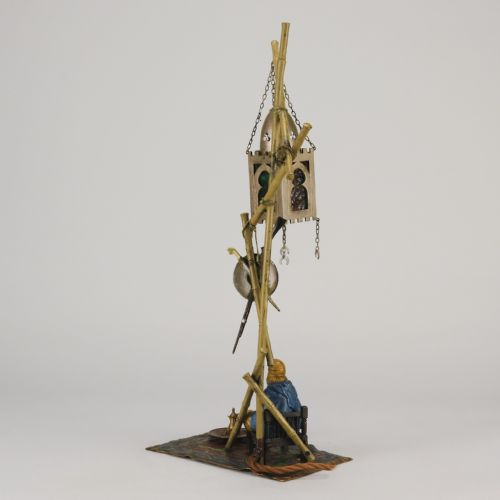
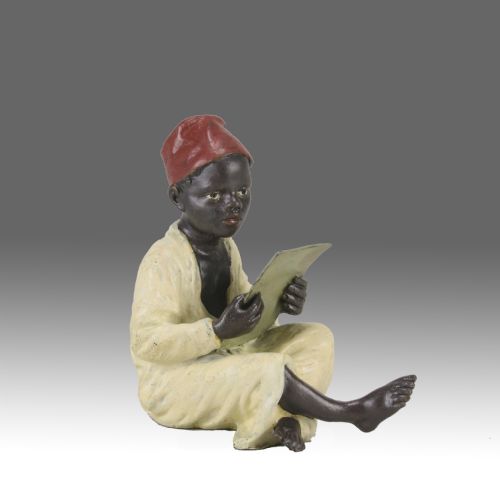
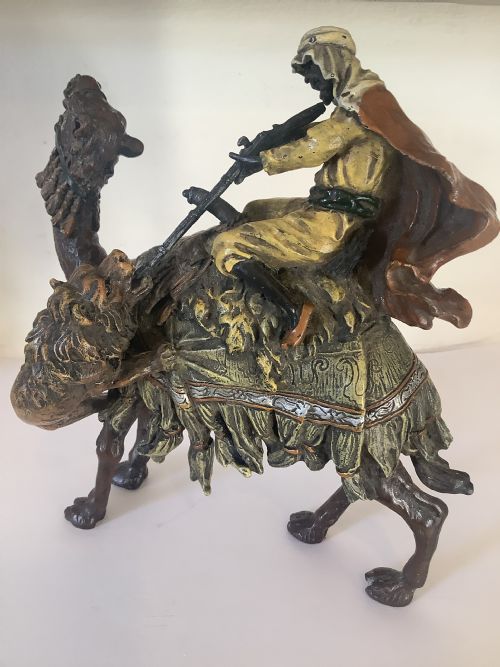
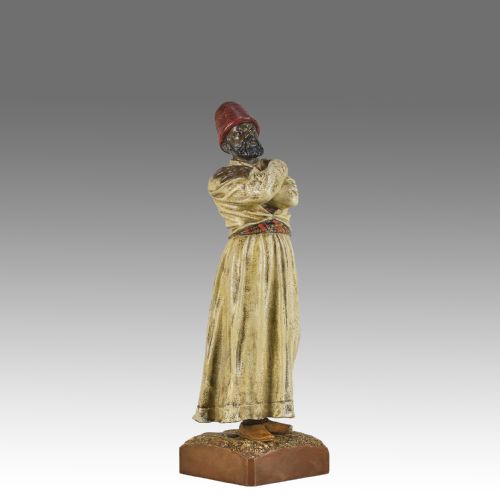
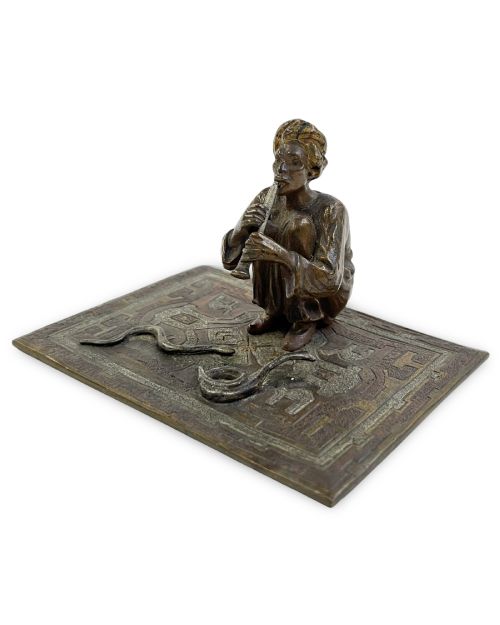
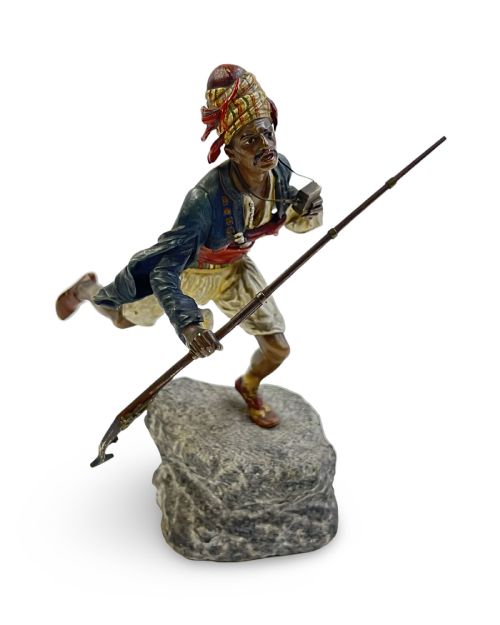
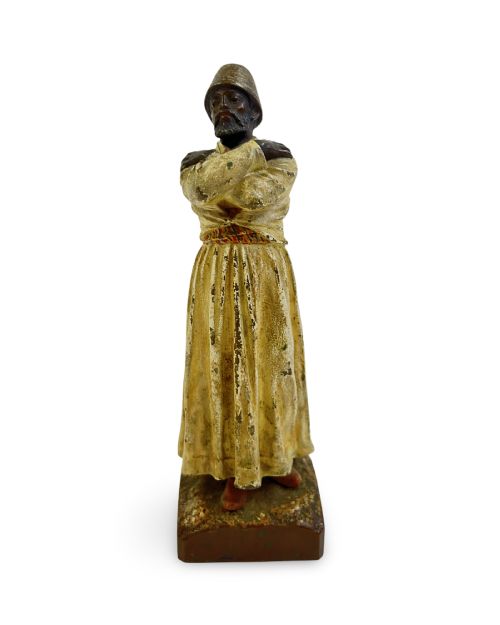
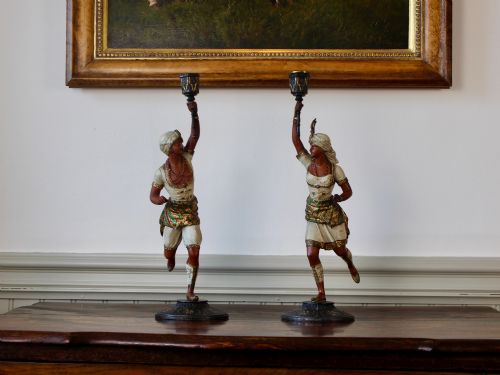
The most common form on this page is the cold-painted bronze figure, often depicting figures such as Arab warriors, water carriers, dervishes, or snake charmers. Alongside metal sculptures, the selection includes polychromed plaster figures, spelter candlesticks, porcelain animals, and table lamps.
Originating largely from European foundries influenced by Orientalism and Japonisme, these sculptures combine fine metalwork or moulding with detailed hand-painting. They serve both as decorative tabletop statuary and larger room ornaments.
Materials and construction
Foundries typically cast the core figures in bronze or spelter, though some substantial works utilise moulded plaster or porcelain. Bronze pieces often receive a cold-painted finish, where paint is applied to the cold metal surface without firing, using layers of enamel or oil-based pigments.
Makers applied polychrome paint by hand to capture intricate patterns on textiles, turbans, and robes. Plaster and ceramic examples relied on surface enamel and glaze to achieve the same vibrant coloration found in the metalwork.
The listings span the Victorian period through the 1920s, featuring materials such as cold-painted bronze, plaster, spelter, and porcelain.
Assessing craftsmanship and finish
The survival and application of the original cold-painted surface determine the visual impact of the work. Skilled hand-painting exhibits subtle shading and clean lines across robes and accessories, whereas inferior examples show flat, uniform colour or heavy overpainting.
Franz Bergman·Franz Xaver Bergman·Arthur Waagen·Louis Hottoot·Carl Thieme Dresden
The Polychrome Orientalist Statue Glossary
- Cold-painted bronze
- A technique where bronze sculptures are painted with unfired pigments rather than enamel fired in a kiln. This method allows for intricate multicoloured details on clothing and skin.
- Spelter
- An alloy of zinc and lead used as a cheaper alternative to bronze for casting figures and candlesticks. It is softer than bronze and often finished with a bronzed or painted coating.
- Polychrome
- The practice of decorating objects in a variety of bright colours. In these works, it refers to the multi-hued pigments applied to garments and accessories.
- Orientalism
- A nineteenth-century artistic movement that focused on the themes, peoples, and landscapes of North Africa and the Middle East. It heavily influenced European sculpture and decorative arts.
- Japonisme
- The influence of Japanese art and aesthetics on Western works, visible in pieces depicting figures in kimonos or traditional Japanese settings.
Polychrome Orientalist Statue: Frequently Asked Questions
What materials are these statues made from?
These pieces are primarily constructed from cast bronze, spelter, or plaster, finished with hand-applied cold paint or enamel. Some examples also utilise porcelain for larger figural works.
Makers selected these materials to hold intricate surface details and take colourful pigments effectively.
How do I care for a cold-painted bronze?
Cold-painted surfaces are delicate because the pigment is not fired onto the metal. Dust the sculpture gently with a soft, dry brush and avoid liquid cleaners or polishing agents.
Keep the piece away from direct sunlight and high humidity to prevent the paint from flaking or fading over time.
What is the difference between bronze and spelter?
Bronze is a durable copper alloy that takes fine detail during casting and provides a strong substrate for cold painting. Spelter is a softer zinc and lead-based metal used as a more affordable manufacturing alternative.
Spelter statues feel lighter and are more susceptible to bending or surface wear compared to solid bronze.
Where were these sculptures made?
The majority of these pieces originate from European workshops and foundries operating during the nineteenth and early twentieth centuries. Vienna was a notable centre for the production of cold-painted bronze figures.
Other examples stem from German and French makers influenced by contemporary travel and global decorative arts.