





Painted Plaster Statue
A painted plaster statue brings character to a room through modelled form and pigment, offering enduring sculptural presence.
Painted Plaster Statue
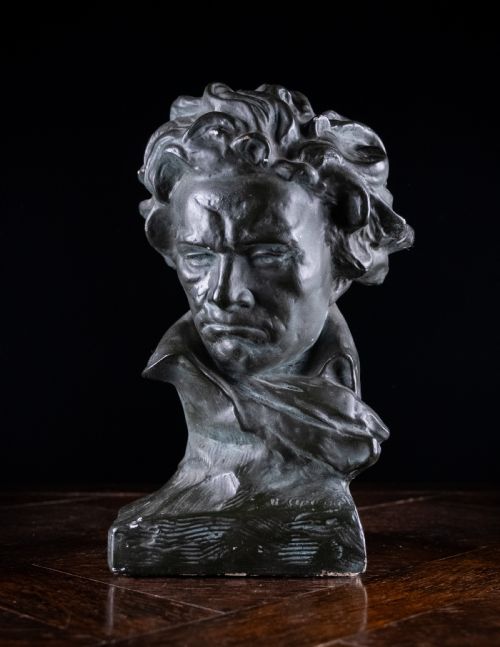
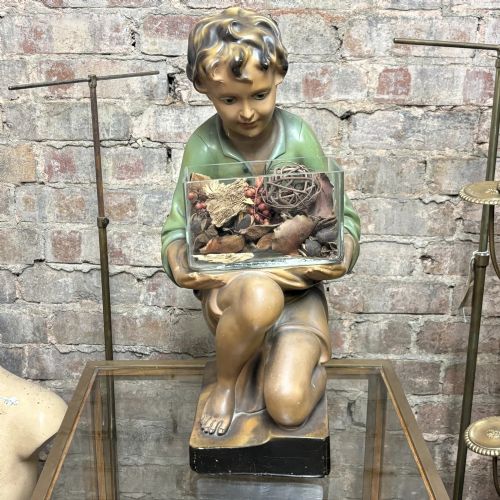
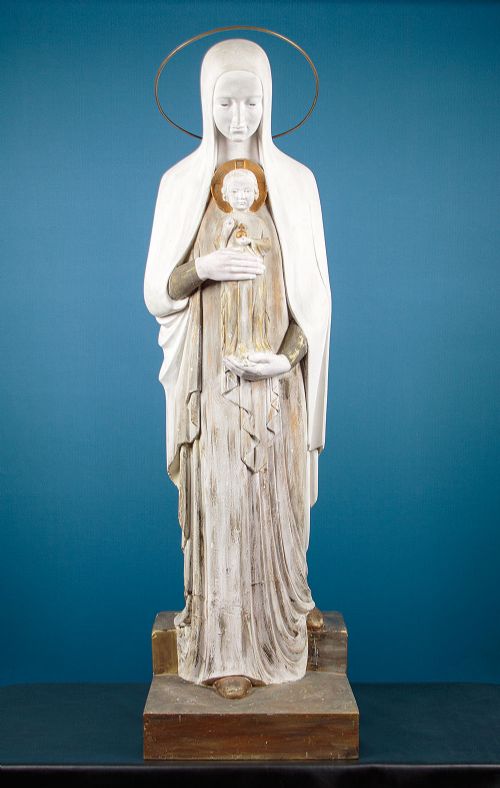
When you search for a painted plaster statue, you encounter a diverse range of figural works spanning the nineteenth and twentieth centuries. These pieces encompass classical figures, advertising displays, and decorative busts finished with applied colour.
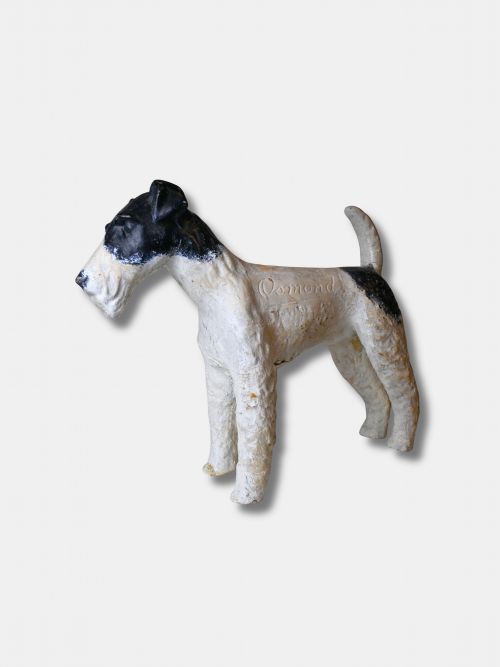
You are most likely to meet twentieth-century commercial and decorative pieces, such as Art Deco figures and canine sculptures, alongside nineteenth-century subjects like naval gentlemen and saints.
How they were made
The core material is typically plaster or composition, cast from moulds to capture fine details of drapery, expression, and texture. Wooden elements occasionally provide structural support for larger sculptures or bases.
Cast iron and bronze might command respect, but a heavy plaster pug dog in the hallway proves that historical interiors possessed a wonderful sense of humour.
What varies in quality
The integrity of the underlying plaster and the preservation of the original pigment dictate the overall merit of a piece. Finer works maintain their intended visual weight and surface texture without excessive obscuring layers of later restoration.
Rouillard Angers
The Painted Plaster Statue Glossary
- Plaster
- A building material based on calcium sulphate hemihydrate, used for casting sculptural forms and decorative architectural elements. It sets hard when mixed with water.
- Polychromed
- Decorated in several colours. This term describes surfaces painted with multiple pigments to create realistic or decorative effects on sculpture.
- Composition
- A moulded material often used as an alternative to carved wood or solid plaster. It typically combines fibrous ingredients with binders to produce durable decorative items.
- Gothic Revival
- An architectural and artistic style beginning in the mid-eighteenth century and extending through the nineteenth century. It draws inspiration from medieval ecclesiastical design.
- Orientalist
- A style in art and decoration reflecting the culture of the Middle East and North Africa. It was particularly prominent during the nineteenth and early twentieth centuries.
Painted Plaster Statue: Frequently Asked Questions
What is a painted plaster statue?
A painted plaster statue is a three-dimensional sculptural work formed from plaster and finished with applied pigments. These objects range from classical portrait busts to decorative figures and commercial displays.
They offer an accessible medium for detailed figurative art, capturing likenesses and styles from various historical periods through moulded and hand-finished surfaces.
How were these statues used?
Historically, these pieces served multiple functions, acting as interior decorative ornaments, religious devotional objects, and shop display figures. Smaller items adorned mantelpieces and desks, while life-size versions stood in halls and commercial spaces.
Some specialised forms, such as heavy canine figures, doubled as functional doorstops in domestic settings.
How do I care for plaster statues?
Plaster requires a dry environment and protection from moisture, which can soften the material and damage the painted surface. Dusting should be performed gently with a soft, dry brush.
Avoid using water or liquid cleaners, as moisture will lift or discolour the historical paint layers.
How can I tell the period?
Dating relies on stylistic clues, such as the geometric lines of Art Deco pieces or the romantic drapery of nineteenth-century Neoclassical works. The type of paint, the density of the plaster, and any maker's marks or stamps also assist in establishing age.
Comparing the subject matter and manufacturing technique to known periods helps narrow down the date of creation.