





Vintage Painted Plaster Sculpture
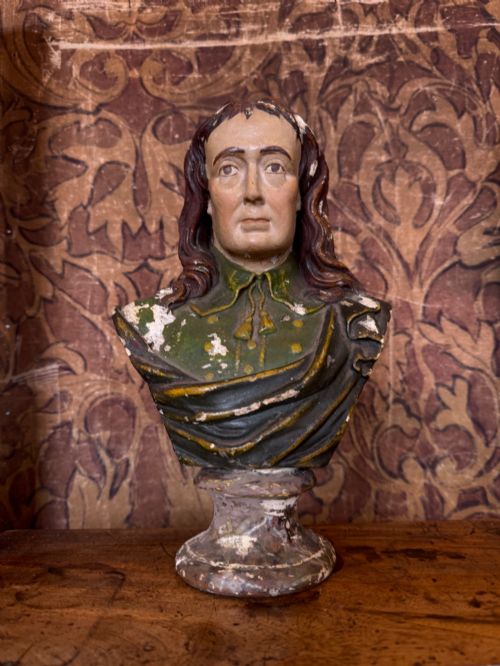
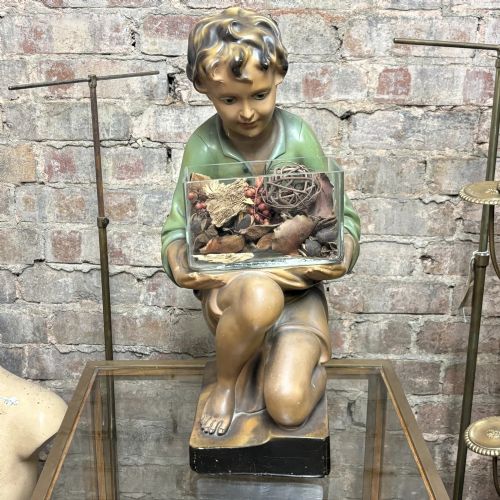
These vintage painted plaster sculpture pieces bring tactile character and historic charm to interiors, offering figurative and decorative presence.
Vintage Painted Plaster Sculpture
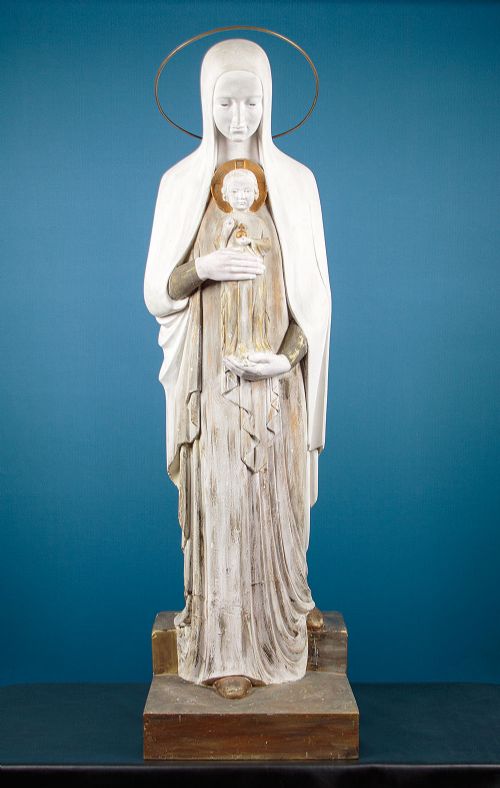
Vintage painted plaster sculpture encompasses decorative statues, figural busts, and wall plaques created across the nineteenth and twentieth centuries. When searching for vintage painted plaster sculpture, buyers encounter diverse forms ranging from classical figures to Art Deco studies and religious statues.
The selections recorded here span periods from the late nineteenth century through the 1930s and mid-century eras. Common formats include life-size animal figures, pedestals, and character studies originating from English and continental workshops.
How they were made
Makers produced these sculptures by casting plaster into moulds before applying layers of paint, chalkware finishes, or occasional gold leaf detailing. Some larger works incorporate wood, glass, or internal metal supports for structural stability.
Surface decoration relies on hand-painted pigments applied directly to the porous plaster base. Workshops often utilised specialised finishes to emulate bronze, stone, or aged patinas across both religious statues and secular decorative objects.
A life-size decorated pug stands ready to greet visitors among the nineteenth-century sculptures.
What varies in quality
Quality in these pieces rests upon the crispness of the original moulding and the nuance of the hand-painted surface work. Finer examples display meticulous facial detailing and subtle tonal layering rather than flat, uniform coats of paint.
The artistic ambition of the form separates standard decorative wares from superior sculptural examples. Heavier, life-size figures and signed works by established modellers demonstrate greater sculptural depth and material substance.
Rouillard Angers·CF Paris
The Vintage Painted Plaster Sculpture Glossary
- Plaster
- A building material composed of gypsum, water, and sometimes sand or other additives, used for casting three-dimensional decorative objects. It sets hard when dry and accepts paint readily.
- Chalkware
- A popular inexpensive alternative to porcelain or carved stone, made from plaster of Paris poured into moulds and painted. It often mimics more costly materials.
- Art Deco
- A design style prevalent in the 1920s and 1930s characterised by sleek geometric shapes, streamlined forms, and stylized representations of human and animal figures.
- Neoclassical Revival
- An artistic movement drawing inspiration from the classical art and culture of ancient Greece and Rome. Sculptures in this style emphasise proportion, symmetry, and classical drapery.
- Patina
- The surface appearance altered by age, wear, and handling, which develops naturally on painted and sealed plaster over decades.
Vintage Painted Plaster Sculpture: Frequently Asked Questions
How do I clean vintage plaster?
Dust surfaces gently with a soft, dry brush to prevent dirt accumulation without disturbing the delicate paint layer. Avoid using water or liquid cleaners, as moisture penetrates porous plaster and causes paint to lift or flake.
Keep pieces away from damp environments and direct sunlight to preserve the original pigments. Careful handling prevents chipping along the edges and raised details.
Are these pieces solid plaster?
Most sculptures are cast from plaster, sometimes incorporating internal wire or wooden frames for structural reinforcement. Larger figures may be hollow to reduce weight.
Heavier items often feature dense plaster composition or integrated wooden bases for stability. Examining the underside or base reveals the construction method.
How do I date plaster sculptures?
Dating relies on stylistic markers such as Art Deco geometries or nineteenth-century neoclassical drapery. Maker marks, handwritten inscriptions, and registration numbers stamped into the plaster also provide chronological clues.
Surface characteristics, including the type of paint and the nature of the underlying material, help distinguish earlier nineteenth-century examples from 1930s production. Comparing the subject matter to known periods narrows the timeline further.
Can these sculptures be displayed outside?
These decorative objects are strictly suited for interior display. Plaster absorbs moisture readily, which causes the material to soften and the painted surface to degrade outdoors.
Placing sculptures away from high-traffic areas and potential knocks ensures their longevity indoors. Stable room temperatures protect the plaster from thermal shock.