


Antique Orientalist Bronzes
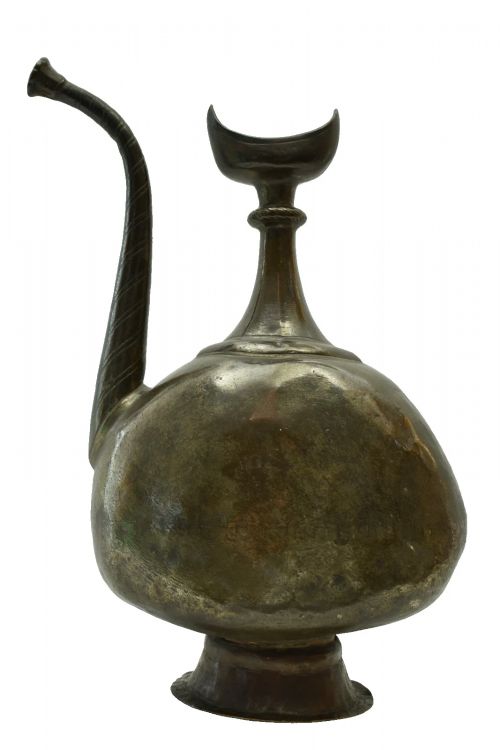
These antique orientalist bronzes capture figures and scenes from North Africa and the Middle East, made to satisfy European fascination with distant cultures.
Antique Orientalist Bronzes
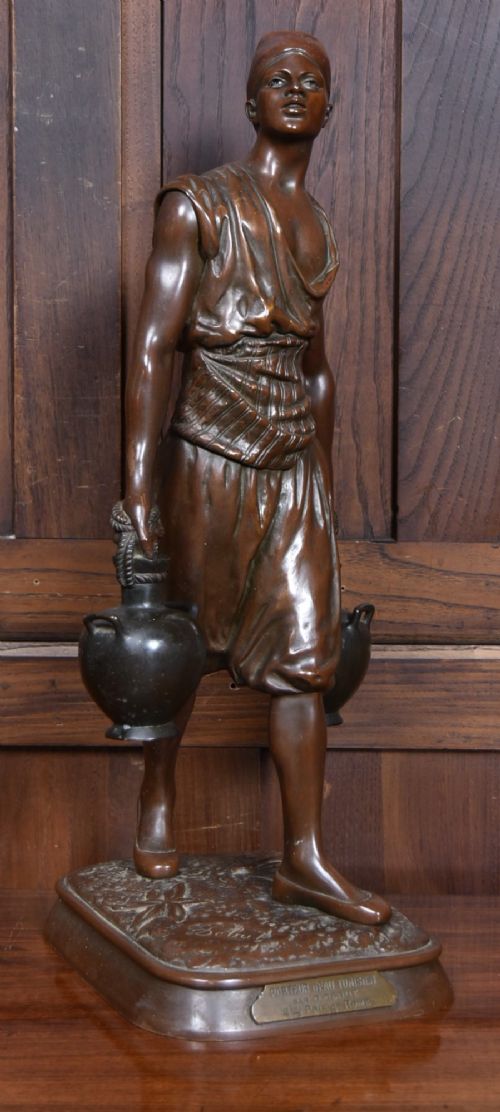
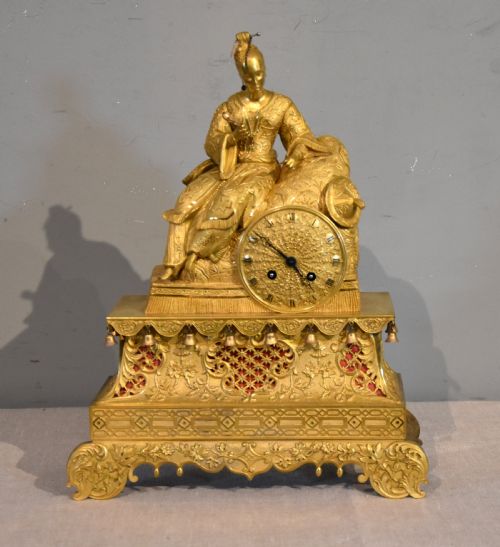
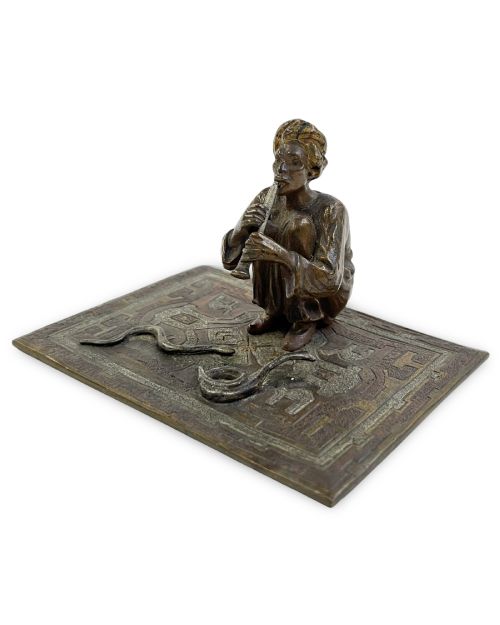
When you search for antique orientalist bronzes, you are looking at figures, busts, lamps, and clocks produced primarily across the nineteenth and early twentieth centuries. These pieces reflect European artistic engagement with Middle Eastern, North African, and Asian subjects, often depicting merchants, warriors, dancers, and daily scenes.
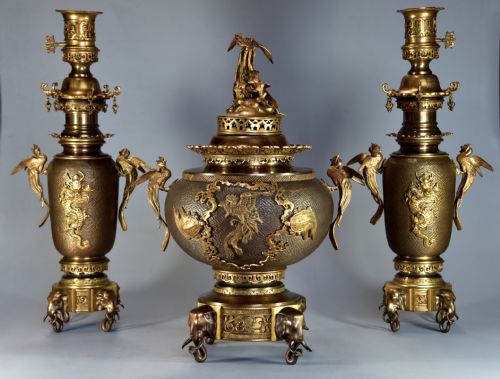
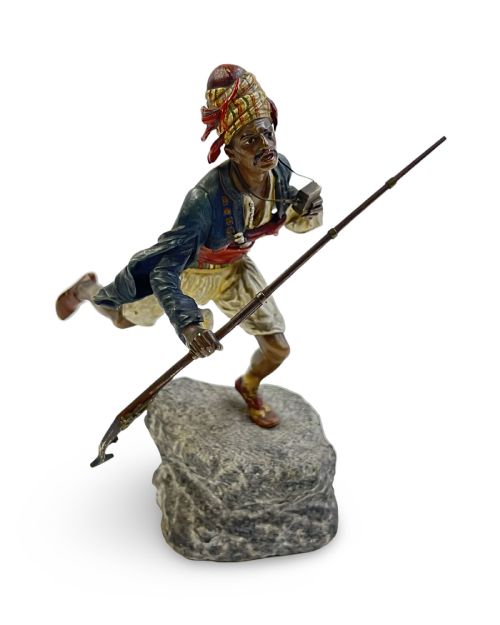
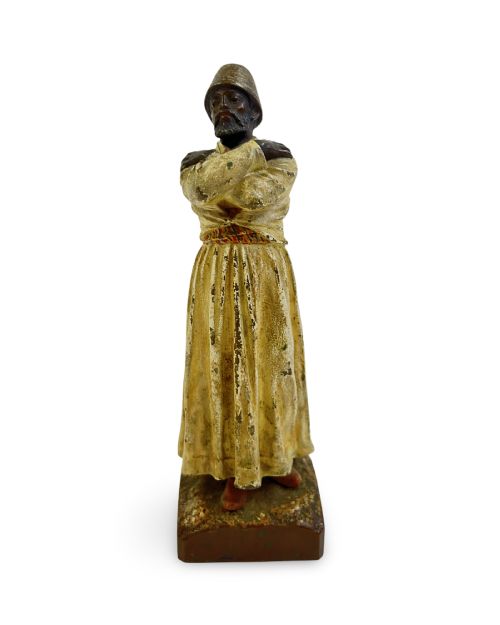
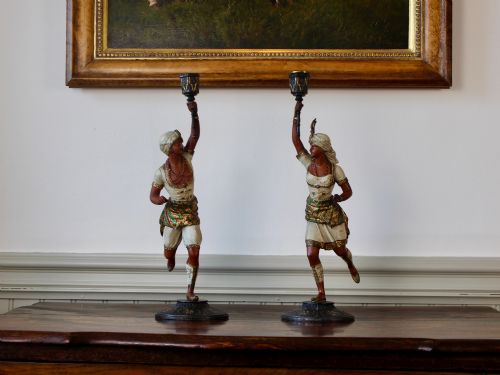
The versions you are most likely to meet on this page include cold-painted Vienna bronzes, French figural sculptures, and decorative objects incorporating styles such as Art Nouveau, Japonisme, and Chinoiserie. They range from small tabletop figurines to substantial mantel clocks and candlesticks.
Originating largely from European foundries and Austrian workshops, these works span the Victorian era into the early twentieth century. Their forms combine sculptural realism with decorative utility, appearing as desk accessories, lighting, and standalone cabinet pieces.
Materials and methods
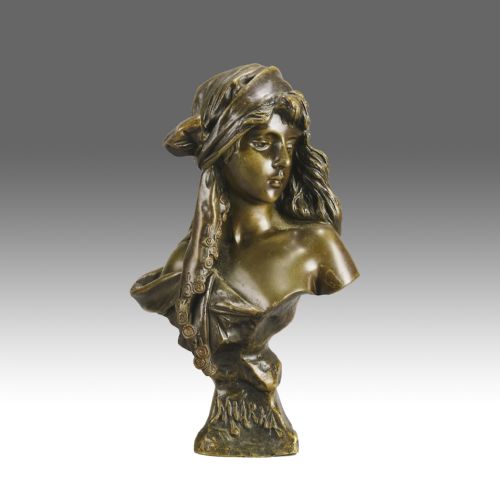
The pieces on this page rely heavily on bronze, patinated bronze, gilt bronze, and cold-painted bronze, frequently mounted on marble bases or paired with materials like brass, glass, and paint. Foundries utilised traditional lost-wax casting and sand-casting methods to achieve detailed textures and human forms.
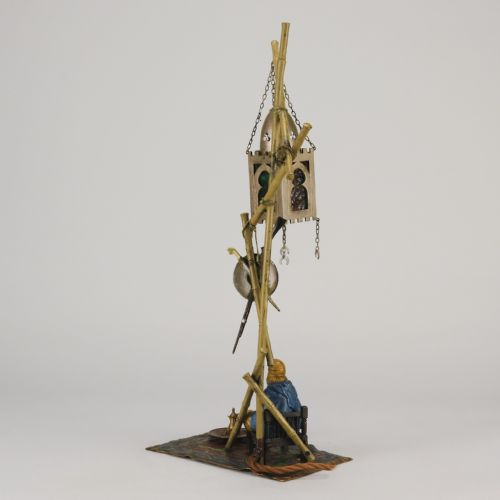
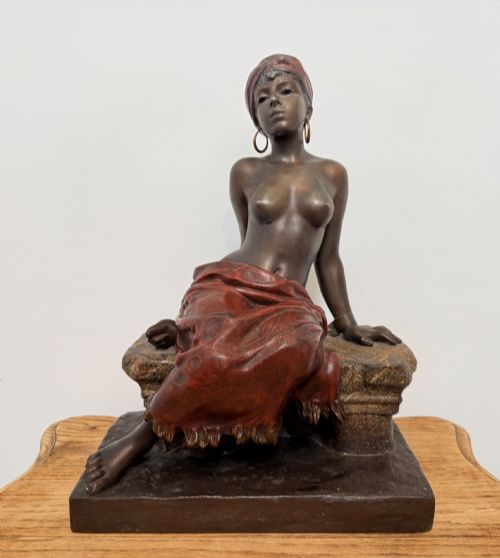
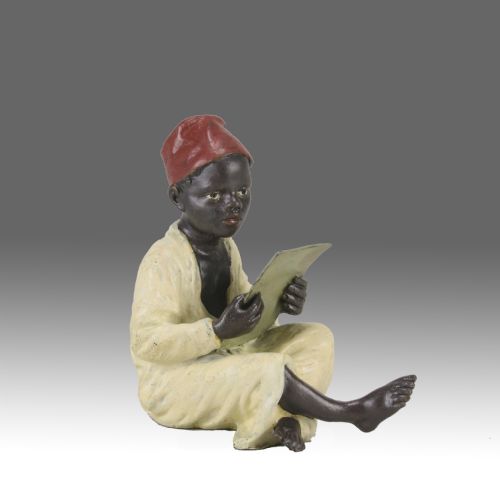
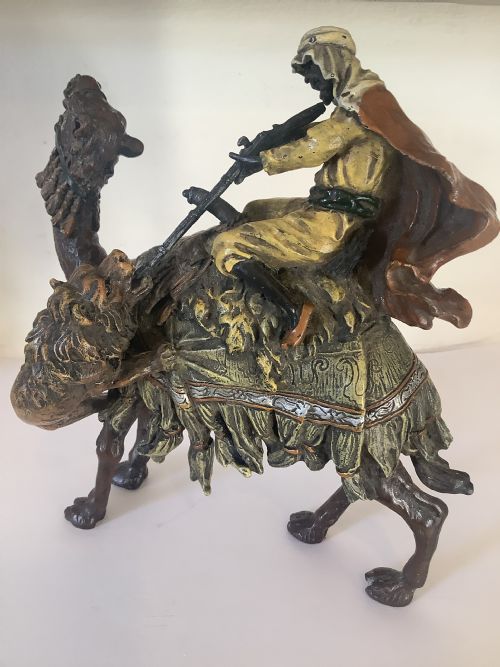
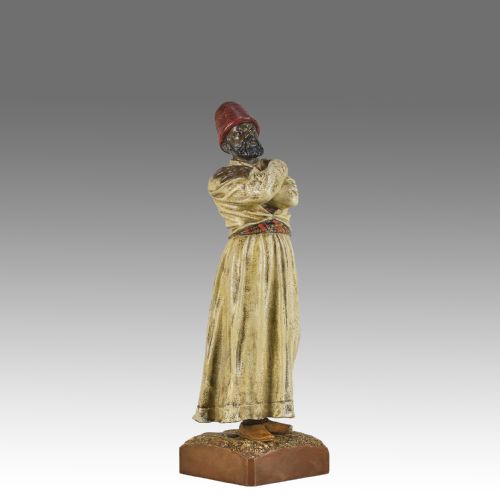
Cold-painting applied naturalistic polychrome details directly onto the metal surface, a technique central to Austrian workshops. Patination was carefully controlled through chemical treatments to produce deep browns, greens, and metallic highlights that emphasised drapery and facial expressions.
The listings on this site span the Victorian era, 1880, 1890, 1900, 1910, 1920, and 1930 periods.
Distinguishing quality across the range
Quality in these works rests upon the fidelity of the casting, the expressiveness of the modelling, and the preservation of original surface finishes. Superior examples display crisp anatomical detail, subtle facial expressions, and dynamic posture that mark the hand of a skilled sculptor.
The survival of original cold-painted pigment or patination distinguishes exceptional pieces from heavily restored or worn ones. Heavier bronze weight, refined chasing of surface details, and integrated marble plinths further elevate the standing of a piece within its period.
Gabriel Viardot·Franz Bergman·Emmanuel Villanis·Edouard Drouot·Alfred Dubucand·Georges-Charles Coudray·Arthur Waagen·Charles Arthur Bourgeois
The Antique Orientalist Bronzes Glossary
- Cold-Painted Bronze
- Bronze sculpture decorated with applied polychrome paint after casting, a signature technique of Vienna workshops. This method allowed for realistic skin tones and colourful garments.
- Patinated Bronze
- Metal treated with chemical solutions to produce a specific surface colour or tone, ranging from dark brown to deep green. It protects the metal and adds depth to sculptural contours.
- Spelter
- A zinc alloy frequently used as a cheaper substitute for bronze in decorative figures and candlesticks. It is lighter than bronze and often finished with metallic paint or patination.
- Ormolu
- Gilt bronze mounted onto furniture, clocks, or decorative objects, created by applying a mercury-gold amalgam to the metal surface. It provides a bright, durable golden finish.
- Champlevé Enamel
- A technique where troughs are dug into a metal surface and filled with vitreous enamel before firing. It creates colourful decorative patterns often seen on French candelabra and clocks.
Antique Orientalist Bronzes: Frequently Asked Questions
What are cold-painted bronzes?
Cold-painted bronzes are metal sculptures decorated with non-fired oil paint applied over a metallic base. This technique was widely utilised by Viennese foundries to create colourful representations of figures and animals.
The paint was applied after casting, meaning surviving examples often show wear and loss to the pigment over decades of handling.
How do I care for antique bronze?
Antique bronzes require minimal intervention, needing only gentle dusting with a soft, dry cloth to remove accumulation. Avoid using chemical polishes, water, or abrasive cloths that can strip the original patination or cold-painted surface.
Keeping the pieces away from direct sunlight and high humidity helps preserve the stability of the metal and any attached marble bases.
What is the difference between bronze and spelter?
Bronze is a durable alloy primarily composed of copper and tin, prized for its strength and ability to hold fine casting detail. Spelter is a softer, zinc-based alloy that was frequently utilised as an economical alternative for decorative objects during the nineteenth century.
Spelter is noticeably lighter than bronze and often exhibits a more brittle texture beneath its surface finish.
Where were these pieces made?
These pieces were primarily manufactured in European artistic centres, with France and Austria producing the majority of the works recorded here. Vienna was particularly famous for its specialised cold-painted workshops, while Paris housed major foundries for monumental sculptures and decorative clocks.
Artists drew inspiration from travels to North Africa and the Middle East, translating their observations into domestic ornaments for European homes.