






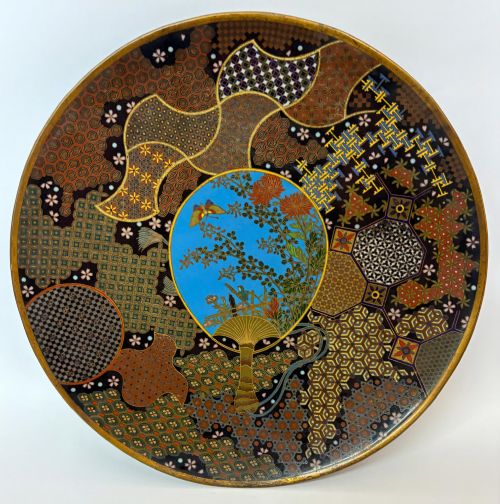

Antique Oriental Wall Charger
An antique oriental wall charger brings centuries of skilled craftsmanship, vibrant enamel, and intricate porcelain to modern interiors.
Antique Oriental Wall Charger
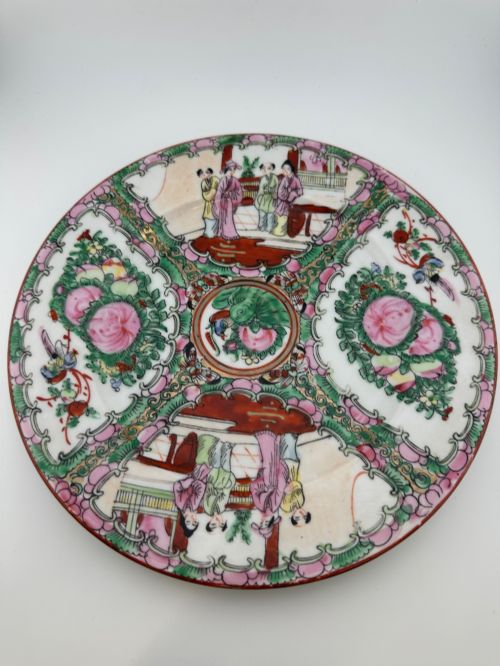
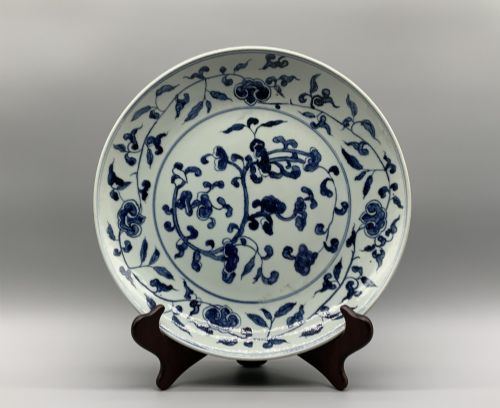
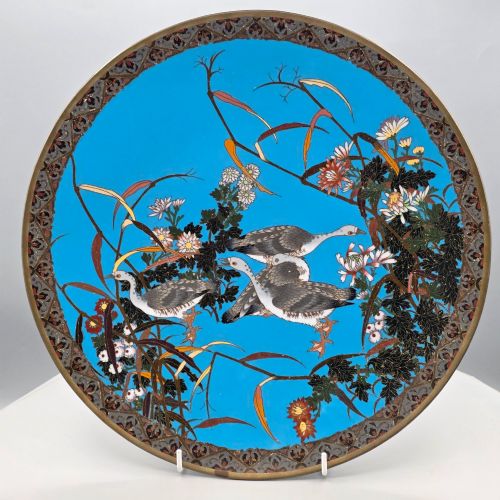
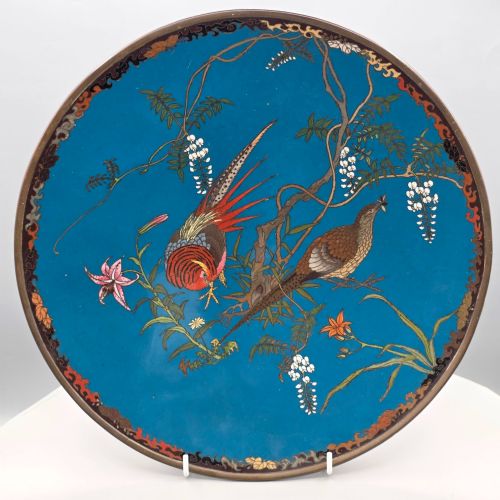
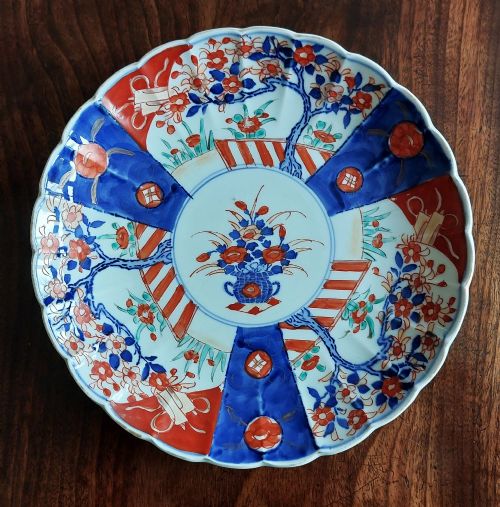
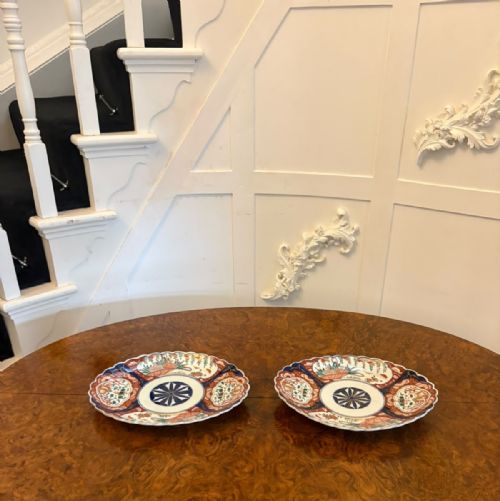
An antique oriental wall charger is a large decorative plate or dish intended for display, drawing the eye with detailed imagery and striking colour palettes. When searching this phrase, collectors encounter various forms ranging from large chargers and decorative plates to plaques and trays.
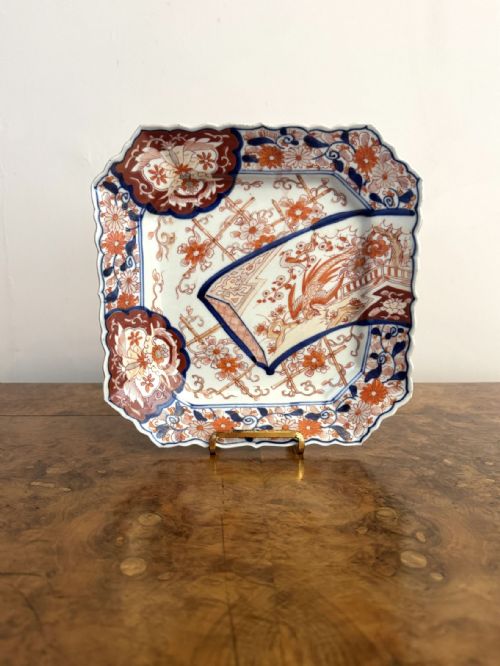
The pieces appearing on this page originate predominantly from the Meiji period and the nineteenth century, alongside earlier eighteenth century examples. Japanese Imari styles and cloisonne enamel works dominate the selection, accompanied by Chinese blue and white porcelain.
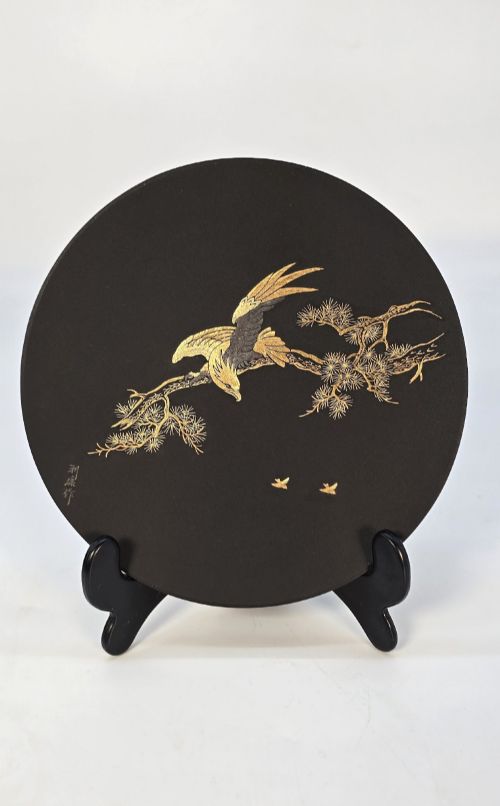
Makers and workshops across Japan and China produced these items using porcelain, earthenware, and metal bases inlaid with gold and silver. Buyers will find scalloped edges, square shapes, and standard round chargers measuring significant diameters for wall hanging or surface display.
Materials and Techniques
Porcelain and earthenware form the core bodies for many items, fired at high temperatures before receiving detailed underglaze blue and overglaze enamel decoration. Artisans applied vibrant glazes and gold leaf accents to create rich surface textures and intricate pictorial scenes.
Cloisonne enamel pieces utilise thin wire partitions soldered to copper or brass bases to form individual cells, which are subsequently filled with coloured enamel paste and fired multiple times. Metal plaques also incorporate patinated iron embellished with gold and silver inlay.
Moriage techniques build up raised clay slip on ceramic surfaces to give floral and avian motifs a three-dimensional effect. Skilled painting and precise wirework define the physical construction across both Japanese and Chinese workshops.
Keep an eye out for hidden frogs sharing surface space with butterflies and chrysanthemums.
Assessing Quality
Quality rests upon the precision of the execution, whether in the fine brushwork of a painted porcelain charger or the exact alignment of metal wires in cloisonne work. Pieces showing exceptional detail in complex subjects such as birds, landscapes, or dragons stand apart from simpler productions.
The depth and clarity of the glaze and enamel colours indicate the skill of the kiln firing and the purity of the materials used. Uniformity in the surface finish and the presence of artist signatures add distinction to individual items.
Subtlety in composition and the balance of decorative elements across large surface areas separate ordinary plates from masterwork chargers. The crispness of scalloped edges and the refinement of metallic inlays further define the upper tier of the range.
Koshida
The Antique Oriental Wall Charger Glossary
- Charger
- A large ornamental plate traditionally used for display rather than dining. These substantial pieces provide a wide canvas for intricate decorative schemes.
- Cloisonne
- A metalwork technique where thin wires are soldered to a base to create cells filled with enamel paste. These are then fired and polished to a smooth finish.
- Imari
- A style of Japanese export porcelain decorated in underglaze blue, iron red, and gold. This palette became immensely popular across European markets.
- Moriage
- A ceramic decorating technique using raised slip to create textured, three-dimensional designs on pottery. It is frequently seen on Satsuma wares.
- Meiji Period
- The era in Japanese history spanning from 1868 to 1912, noted for a flourishing of decorative arts for export. Pieces from this time show exceptional technical proficiency.
Antique Oriental Wall Charger: Frequently Asked Questions
How were antique oriental wall chargers displayed?
These large dishes were primarily created for decorative display on walls or surfaces rather than practical dining use. Many pieces feature substantial diameters that make them focal points in a room.
Historically, owners utilised specialised plate hangers or stands to showcase the intricate artwork and vibrant colours safely in domestic interiors.
What subjects appear on these chargers?
The decoration encompasses a wide array of traditional motifs, including exotic birds, dragons, phoenixes, and detailed landscapes. Artisans frequently depicted natural elements such as chrysanthemums, peonies, and Mount Fuji.
Human figures and mythical creatures also feature prominently, rendered in meticulous detail through painting, enamel, or metal inlay.
How do I care for a porcelain or enamel charger?
Maintenance requires gentle dusting with a soft, dry cloth to prevent accumulation on textured surfaces and metal wires. Avoiding direct sunlight helps preserve the vibrancy of the overglaze enamels and gold leaf accents over time.
Displaying pieces away from areas of high moisture and temperature fluctuation protects both ceramic bodies and delicate metal foundations.
How can I tell the difference between periods?
Distinguishing eras involves examining the material construction, glaze characteristics, and stylistic conventions present on the piece. Nineteenth century Japanese items often display complex cloisonne work or dense Imari patterns characteristic of the Meiji period.
Earlier pieces, such as those from the Kangxi period, exhibit distinct underglaze blue painting styles and porcelain body textures typical of seventeenth and eighteenth century Chinese output.