
Antique Oriental Style Table
An antique oriental style table brings distinct regional craftsmanship and decorative motifs into domestic spaces, ranging from side pieces to coffee tables.
Antique Oriental Style Table
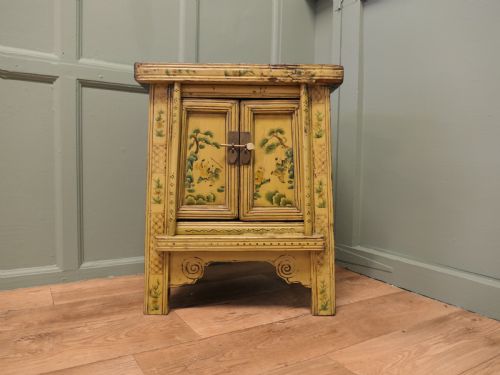
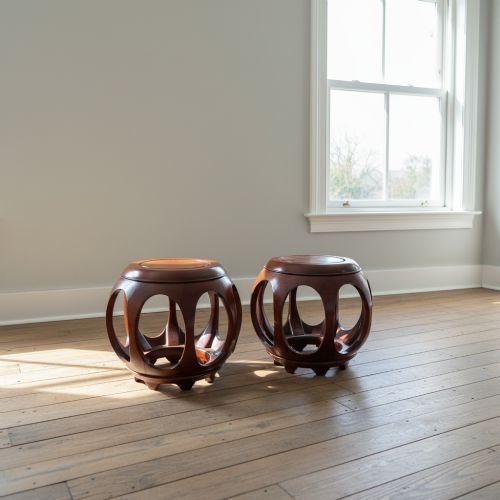
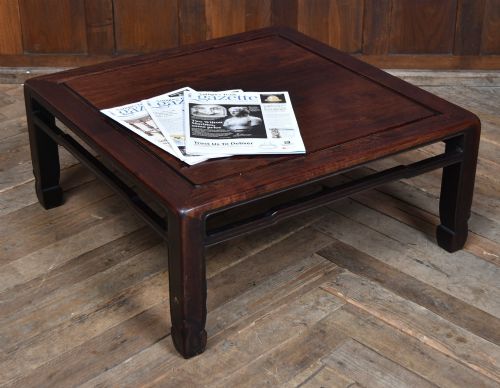
When searching for an antique oriental style table, buyers encounter a diverse selection of forms including side tables, coffee tables, occasional tables, nests of tables, plant stands and dressing tables. These items span the nineteenth century, Victorian era, Edwardian period and the early decades of the twentieth century. Origins and design influences cross Chinoiserie, Chinese Export, Anglo-Indian, Japonisme, Chinese Traditional and Qing Dynasty traditions.
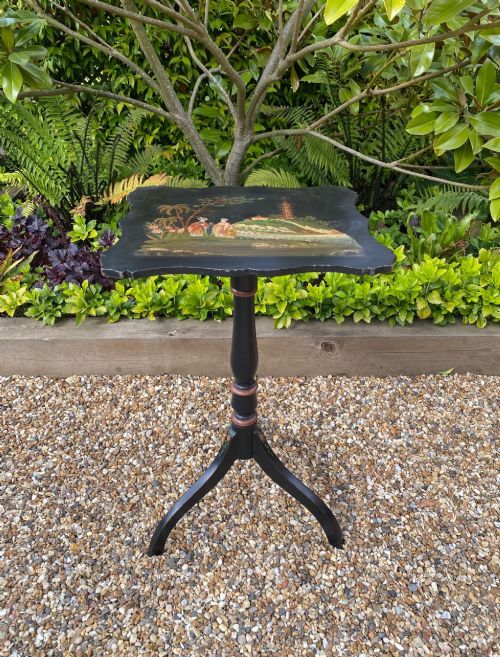
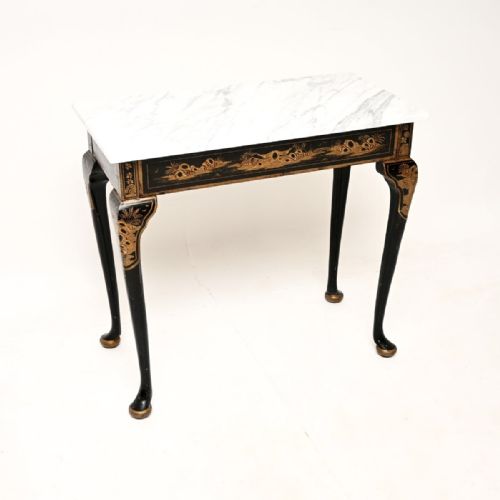
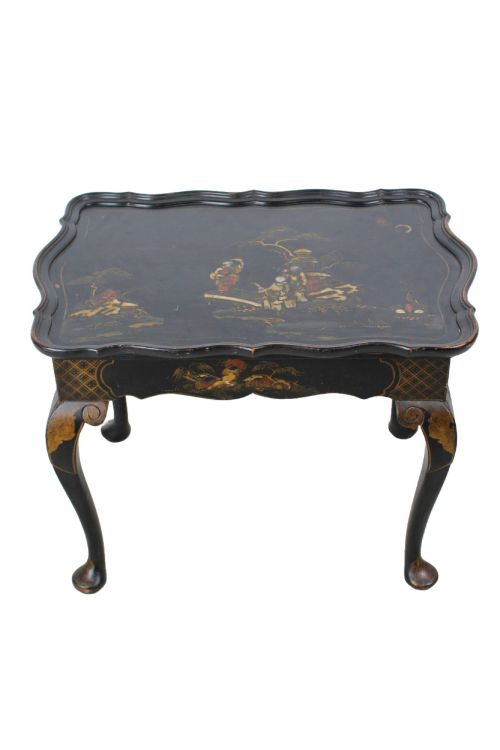
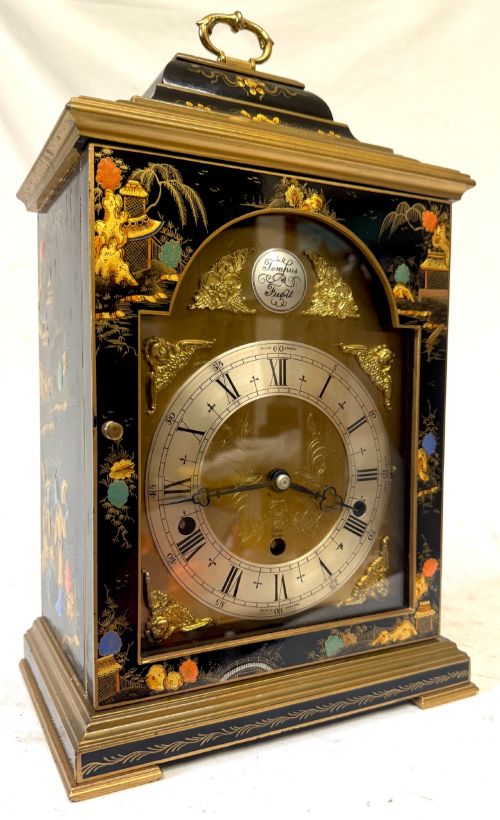
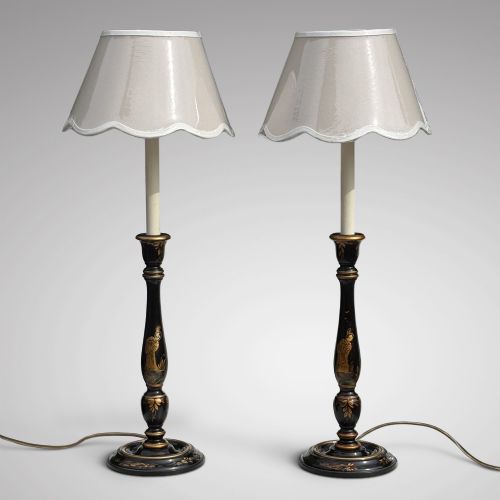
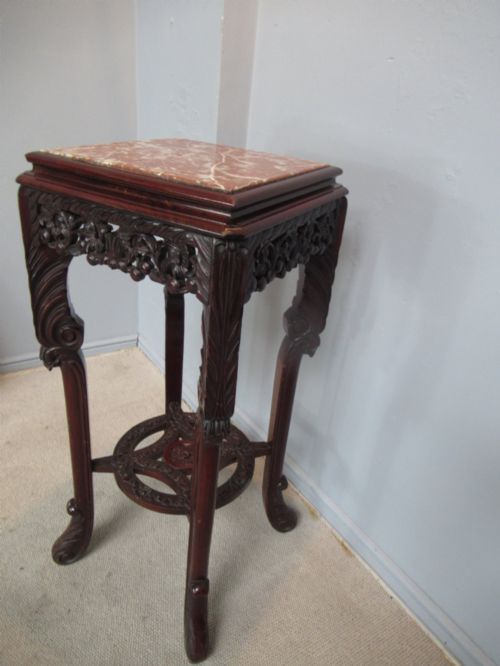
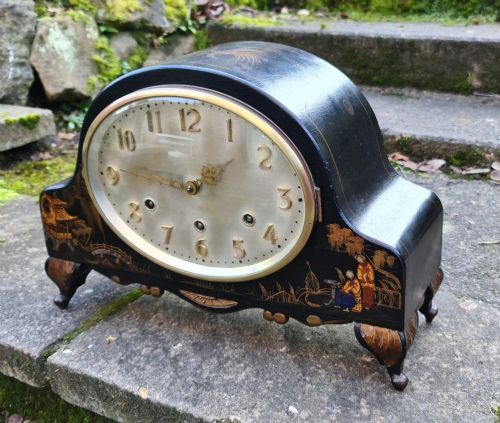
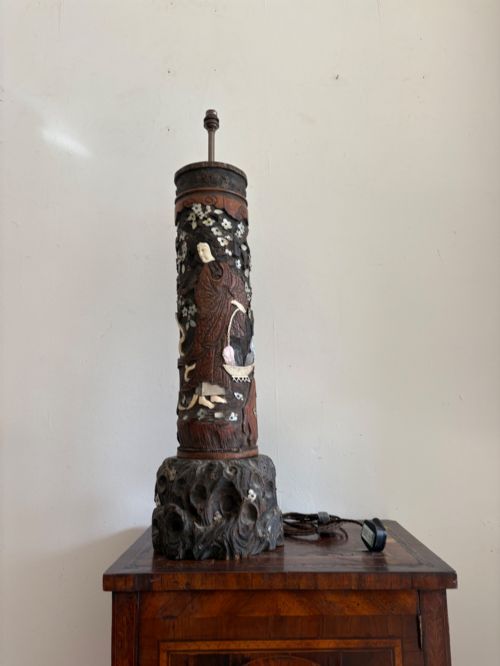
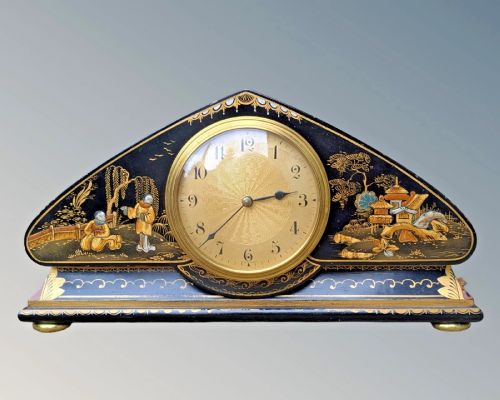
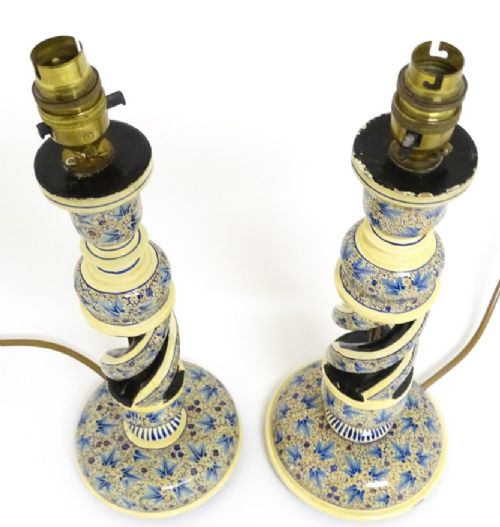
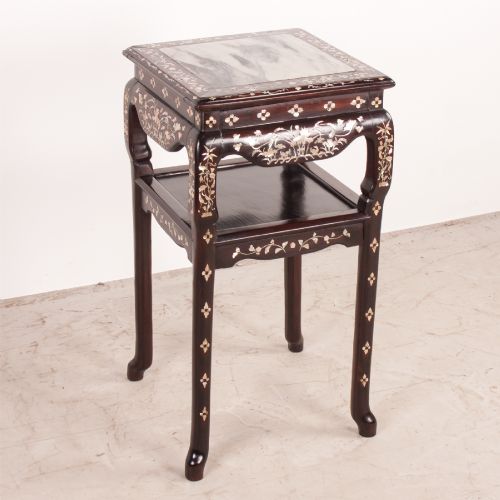
The most common examples on this page are lacquered side tables, occasional tables and coffee tables decorated with Chinoiserie scenes. Pieces often incorporate marble tops, mother of pearl inlay or carved hardwood structures. Alongside tables, related occasional forms like plant stands and pedestals appear frequently within the inventory.
What varies in quality
Quality rests upon the execution of the hand painting, the depth and resilience of the lacquer finish, and the stability of the timber construction. Superior examples display crisp detail in painted Chinoiserie scenes and secure, well fitted joints in hardwoods or bamboo.
Materials also dictate the grade of the piece, with solid padouk, heavy hardwoods, or well preserved marble inserts representing higher manufacturing standards than simpler secondary woods with applied surface finishes.
Several items double as dinner gongs and occasional surfaces, proving Victorians loved an unexpected musical interruption during tea.
Liberty's·Hicks and Meigh
The Antique Oriental Style Table Glossary
- Chinoiserie
- European decorative style reflecting Chinese artistic influences, popular in furniture and lacquerwork.
- Japonisme
- Western adoption of Japanese aesthetic principles and artistic motifs, prominent during the late nineteenth century.
- Padouk
- A dense tropical hardwood valued for its strength and rich reddish brown colour.
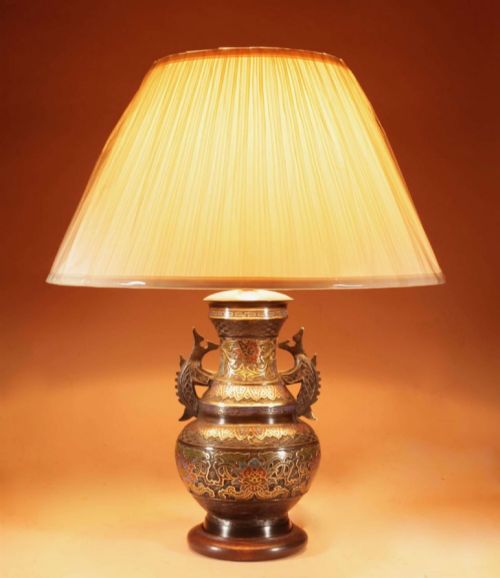
- Champlevé
- Enamelling technique where troughs are carved into metal and filled with vitreous paste before firing.
- Japanned
- European imitation of East Asian lacquerwork, created using layered varnishes and painted decoration.
Antique Oriental Style Table: Frequently Asked Questions
How do I style an antique oriental table?
These tables work well as central accent pieces in living rooms or studies, providing surface space for lamps or decorative objects. Their distinct finishes allow them to contrast effectively against modern or traditional neutral interiors.
Pairing a lacquered or marble top table with simpler furnishings lets the hand painted details stand out. Ensure the piece sits away from direct heat sources to protect delicate lacquer and wood surfaces.
How do I clean lacquered wood?
Dust surfaces gently using a soft, dry cloth to prevent scratching the delicate lacquer layer. Avoid harsh chemical cleaners or excess moisture, which can damage painted Chinoiserie scenes.
For stubborn marks, use a barely damp cloth followed immediately by a dry one. Regular gentle maintenance preserves the original finish without harming the historic materials.
What is the difference between Chinoiserie and Chinese Export?
Chinoiserie describes European interpretations of Chinese artistic styles, produced largely by Western craftsmen. These pieces reflect European ideas of East Asian aesthetics through painted motifs and lacquered surfaces.
Chinese Export items were manufactured in China specifically for Western markets, utilising native materials like padouk and traditional joinery techniques. Understanding this distinction helps identify regional manufacturing origins.
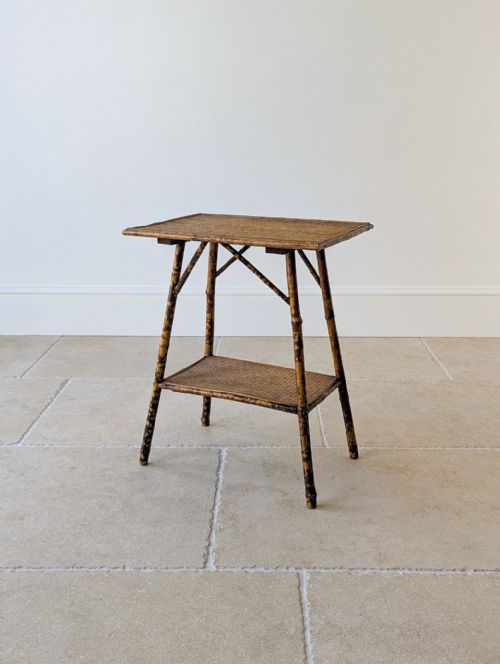
How do I date a bamboo occasional table?
Dating relies on examining construction methods, metal fixings, and the style of the lacquered or cane shelves. Victorian and Edwardian examples often feature specific joinery techniques and characteristic shelf configurations.
Comparing the secondary materials and wear patterns to documented pieces from the same era provides a reliable estimate of age.