



Nineteenth Century Tray Table
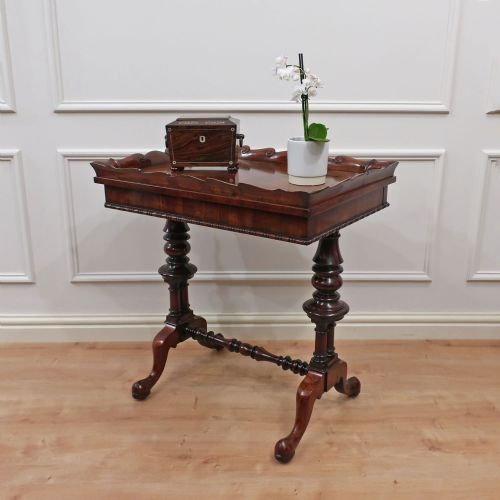
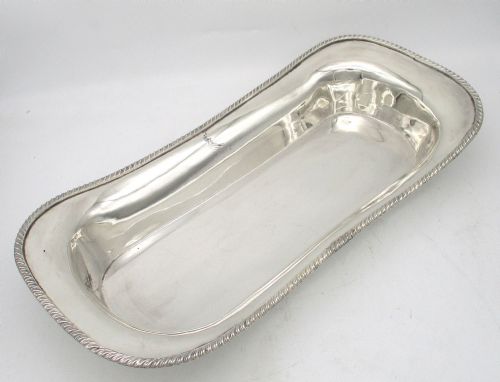
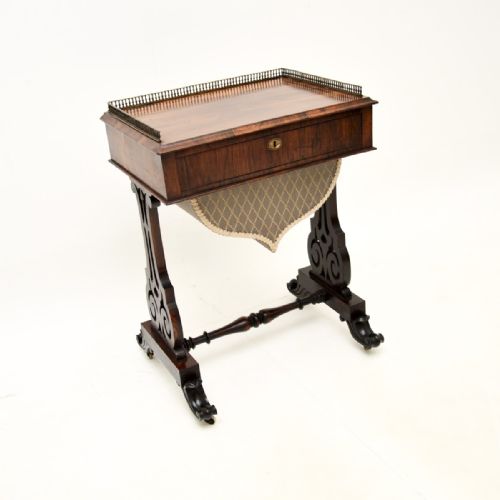
A nineteenth century tray table brings versatile surface space and classic craftsmanship into a room, offering both a removable serving top and a sturdy stand.
Nineteenth Century Tray Table
When you search for a nineteenth century tray table, you encounter practical furniture designed for serving and display across several distinct eras.
The selections on this page span from Regency elegance through Victorian design to later revival styles, each meeting domestic needs with adaptable proportions.
Most examples function as side tables, occasional tables, or dedicated butler pieces, frequently pairing a removable top with a folding or fixed stand.
Materials and Construction Methods
Cabinetmakers relied on rich timbers such as mahogany and rosewood, often complemented by satinwood inlay or brass hardware.
Alternative finishes include lacquer and papier mache, particularly on pieces influenced by Chinoiserie aesthetics or Italian revival design.
The listings feature mahogany as the dominant wood, alongside rosewood, lacquer, and papier mache across nineteenth century periods.
Assessing Craftsmanship and Materials
Superior examples demonstrate refined joinery in the stand and careful selection of timber grain on the tray surface.
Decorative embellishments range from simple turned legs to intricate polychrome decoration and distinct period hardware.
Gillows·Tiffany and Co
The Nineteenth Century Tray Table Glossary
- Regency
- A style period spanning the early nineteenth century defined by classical restraint and elegance. It draws inspiration from ancient Greek and Roman forms.
- Chinoiserie
- European decorative style reflecting Chinese artistic traditions. It employs lacquer work and painted motifs.
- Mahogany
- A durable tropical hardwood prized for its deep reddish-brown tone and fine grain. Cabinetmakers utilised it extensively for formal furniture.
- Papier Mache
- A composite material made from paper pulp mixed with adhesive, pressed and dried. Makers painted and lacquered it for decorative serving ware.
- Occasional table
- A small, versatile piece of furniture designed for specific, intermittent use around a room. These tables move easily as needed.
Nineteenth Century Tray Table: Frequently Asked Questions
How do I use a tray table today?
These pieces serve well as portable cocktail surfaces or bedside stands where flexibility is required. The removable top allows you to carry items easily between rooms.
Position a compact version beside a reading chair or utilise a larger model as an occasional centrepiece in a sitting room.
Are the trays removable?
Many traditional designs feature a distinct tray resting upon a separate folding or fixed base. This construction allowed servants to clear drinks or food efficiently.
Examine the supports and rim to determine whether the upper surface lifts off or remains permanently attached to the frame.
What woods were commonly used?
Mahogany and rosewood dominate the surviving examples, providing both strength and a polished appearance. Cabinetmakers also incorporated satinwood for contrasting details and borders.
Alternative finishes include lacquered surfaces and papier mache, reflecting the diverse decorative tastes of the period.
How do I distinguish Regency from Victorian?
Regency pieces generally exhibit clean classical lines and restraint, drawing inspiration from antiquity. Mahogany and satinwood feature prominently in these lighter, balanced forms.
Victorian and later revival pieces often display heavier proportions, darker woods, or elaborate ornamentation such as Chinoiserie and Italian polychrome painting.