




Antique Oriental Rug Panel
An antique oriental rug panel brings fragments of nomadic weaving and historic embroidery into modern interiors as striking textile art.
Antique Oriental Rug Panel
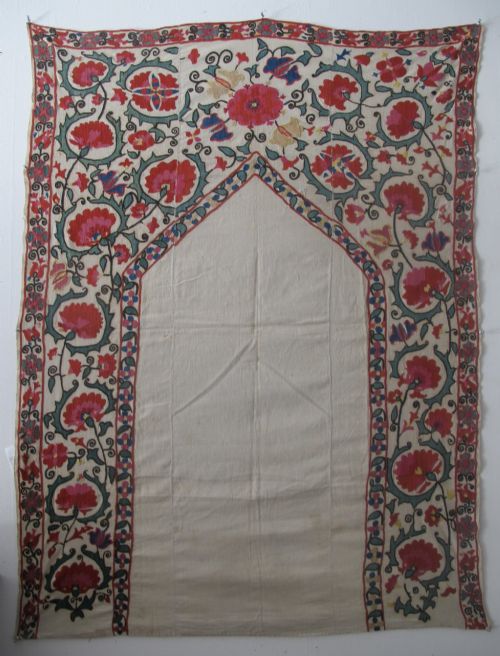
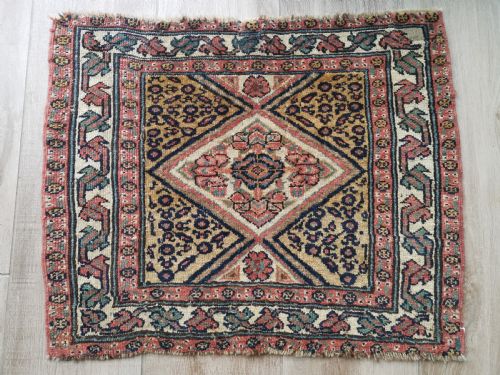
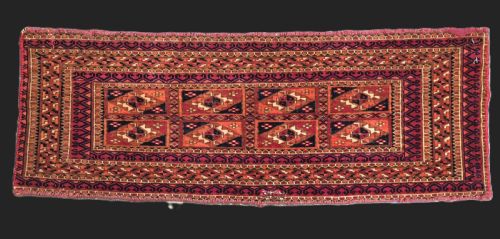
Buyers searching for an antique oriental rug panel frequently encounter Turkmen tribal pieces, Uzbek embroidered textiles, and Persian bagfaces adapted for display. Many listings feature sections separated from larger storage containers or dismantled kilims mounted for interior decoration.
Materials and construction
Maker communities relied on natural fibres including wool, cotton, and silk, often dyed using natural colour sources to achieve rich crimson, black, and ground shades. Metallic thread, felt backing, and silk thread appear frequently in detailed needlework and applique pieces.
Construction techniques range from fine tribal knotting and flatweaving to intricate silk embroidery on cotton foundations. Artisans utilised specialised structures such as sumac and cicim weaving alongside architectural and geometric layouts.
Nomadic weavers frequently recycled heavy storage bags into smaller panels, ensuring every last fragment of fine wool lived on.
Evaluating craftsmanship
The distinction between standard examples and superior pieces rests upon the precision of the drawing, the fineness of the weave or embroidery, and the integrity of the materials. Master weavers achieved exceptional clarity in traditional motifs like guls and architectural grids.
Preservation of original ground fabric, depth of natural colour saturation, and complexity of pattern execution elevate specific panels. Strong visual balance within fragment formats demonstrates the skill of the original maker.
The Antique Oriental Rug Panel Glossary
- Torba
- A small Turkmen storage bag, frequently traded or collected as a decorative panel. These utility pieces displayed distinct tribal weaving traditions.
- Suzani
- An embroidered silk textile originating from Uzbekistan, traditionally worked on a cotton ground. These panels often feature elaborate floral and architectural compositions.
- Chuval
- A large Turkmen tent storage bag, usually displaying prominent gul motifs. Surviving faces are often mounted independently.
- Mafrash
- A Caucasian or Shahsavan bedding bag panel, frequently utilised in flatwoven kilims or wall hangings. The geometric designs reflect specific nomadic origins.
- Gul
- A medallion motif used extensively in Turkmen carpet design. Each tribal group utilised distinct variations to signify heritage.
Antique Oriental Rug Panel: Frequently Asked Questions
What is an antique oriental rug panel?
An antique oriental rug panel is a surviving section of a larger textile, such as a nomadic storage bag, tent hanging, or embroidered suzani. These pieces are typically preserved and mounted for display as wall art.
They capture the traditional designs, natural dyes, and textile techniques of makers across Central Asia, Persia, and the Caucasus from the nineteenth and early twentieth centuries.
How were these panels originally used?
Many panels originated as functional items within nomadic or village households, serving as saddlebags, storage sacks for bedding, or decorative tent furnishings.
Over time, wear on specific sections led to dismantling, allowing well-preserved faces and embroidered panels to be separated and repurposed for interior decoration.
How do I care for a textile panel?
Textile panels require protection from direct sunlight to prevent natural dyes from fading over time. Gentle vacuuming through a mesh screen helps remove dust without damaging fragile fibres.
Professional conservation cleaning is recommended for delicate silk embroideries or wool fragments when accumulated dirt compromises the textile structure.
How can I tell tribal groups apart?
Tribal attribution relies on identifying specific geometric motifs, such as the repeating gul patterns utilised by Tekke, Yomut, and Ersari weavers. Colour palettes, structural weaves, and specific embroidery styles also point toward distinct regional origins like Khorassan or Uzbekistan.