


19th Century Tribal Weaving
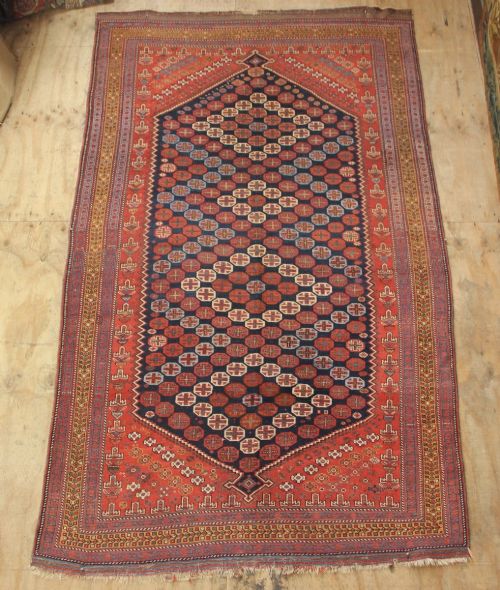
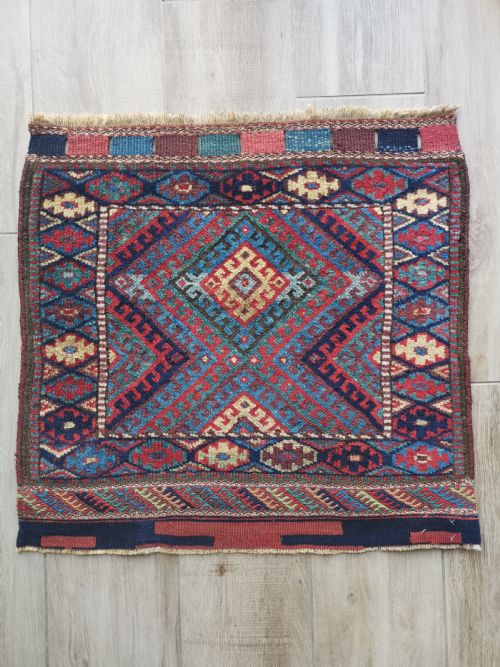
19th century tribal weaving encompasses hand-knotted carpets, bags and covers made by nomadic and village communities across Central Asia, the Caucasus and Persia.
19th Century Tribal Weaving
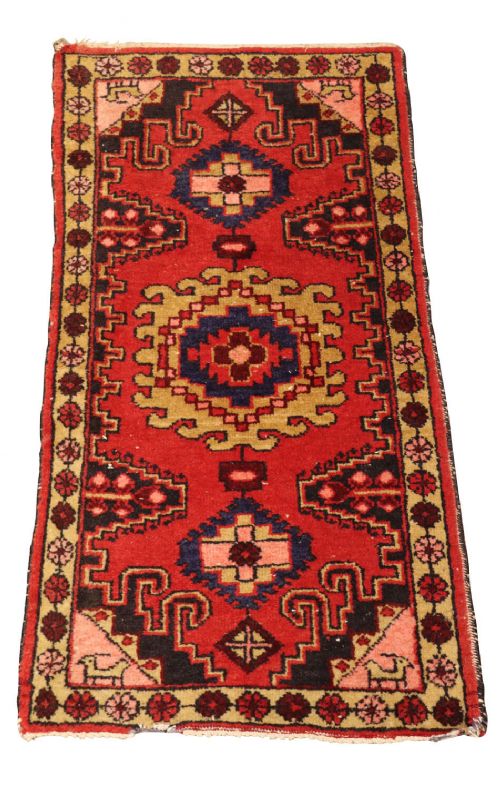
These pieces are tangible expressions of nomadic and village cultures, created for daily domestic utility, transport and ceremony rather than export. When exploring 19th century tribal weaving, a buyer encounters utilitarian formats such as small saddle bags, storage sacks, tent bands and floor rugs.
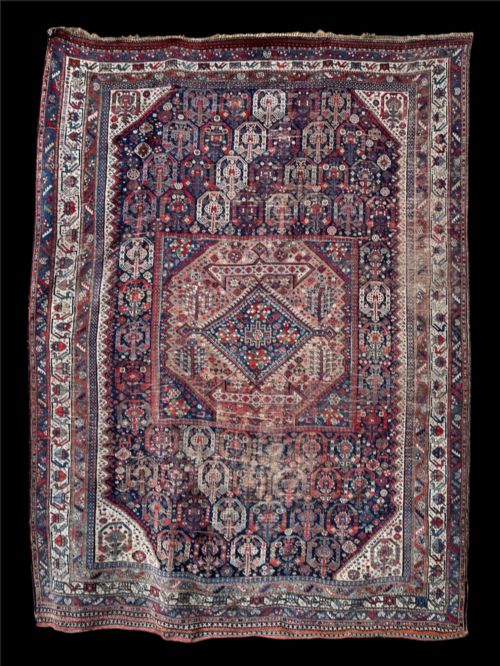
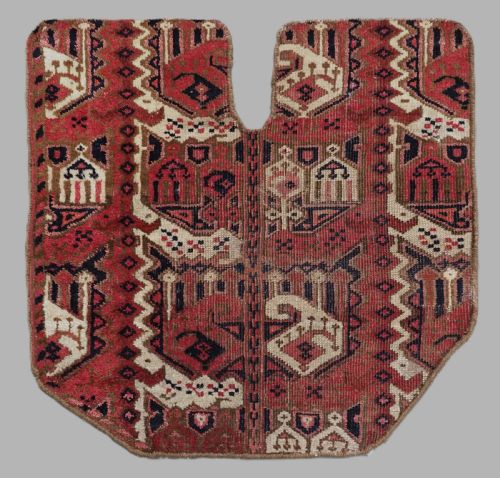
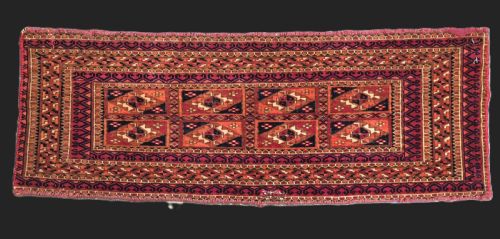
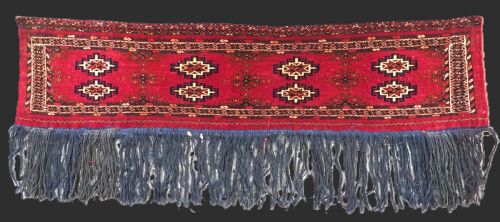
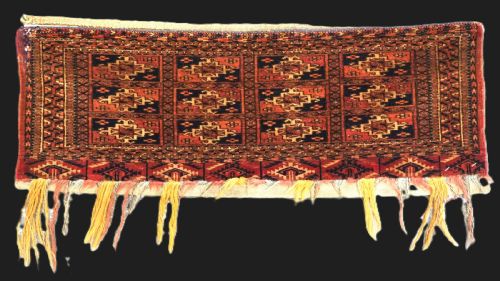
The objects stem from distinct regional groups, including various Turkmen tribes, Caucasian weavers and Persian confederacies. Turkmen torbas and chuvals dominate the selection, alongside Caucasian prayer rugs and Anatolian fragments.
Most items date from the latter half of the century, specifically the decades around 1880 and 1890, reflecting a period before synthetic colouring materials fully altered local traditions.
Materials and construction
Makers relied primarily on hand-spun wool for the pile and foundation, often supplemented by cotton for structural warps or wefts and occasional use of goat hair for durable edge bindings. Silk appears in specialised formats like small jajims, while natural dyes provided the rich palette of reds, blues and ivory.
Weavers knotted the wool by hand onto vertical or horizontal looms, utilising techniques passed down through generations within specific tribal groups. The resulting dense structure ensured that utilitarian items like storage bags and main carpets withstood the rigours of nomadic life.
Several bags retain their original wool hanging loops, ready to be mounted back on a nomad's tent wall.
Distinctions in quality and execution
Quality rests upon the fineness of the knotting, the precision of the geometric layout and the integrity of the natural dyes used across the field. Pieces with tightly packed piles and clearly articulated tribal guls or animal motifs stand apart from simpler or more loosely constructed examples.
The inclusion of complete elements, such as original hanging loops on torbas or intact side cords and backs, elevates an item's structural completeness. Furthermore, uncommon design variations and balanced proportions distinguish exceptional dowry pieces and ceremonial saddle rugs from standard utility items.
The 19th Century Tribal Weaving Glossary
- Gul
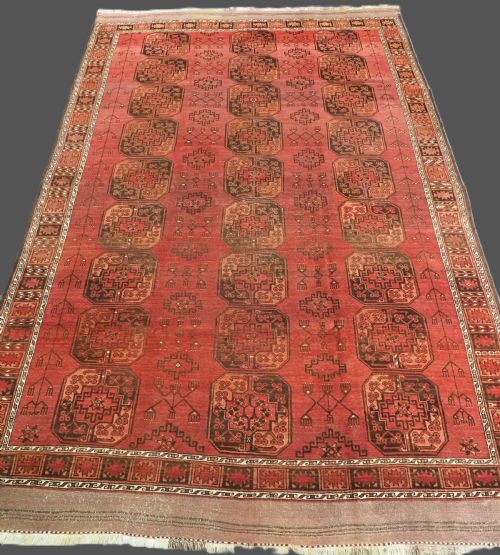
- A primary medallion or repeating octagonal motif characteristic of Turkmen and Central Asian weaving. These patterns often identified the specific tribe or sub-group of the maker.
- Torba
- A small wall-hanging or tent storage bag produced widely by Turkmen weavers. They frequently feature detailed primary guls and were traditionally made as part of a bride's dowry.
- Chuval
- A large storage bag used inside nomadic tents for bedding and household goods. These pieces display multiple rows of guls and robust construction.
- Mafrash
- A rectangular storage chest face or complete box-like container utilised for transporting belongings during migration. They are typically woven in sumakh or pile techniques by Caucasian and Shahsavan groups.
- Jajim
- A flat-woven textile often constructed in narrow strips and joined together. They served versatile household purposes, from coverings to decorative spreads.
19th Century Tribal Weaving: Frequently Asked Questions
How were tribal rugs used?
Nomadic families utilised these textiles for practical shelter needs, including floor carpets, animal trappings and heavy storage bags for migration.
Smaller bags held clothing and provisions inside tents, while larger carpets served as domestic floor coverings and ceremonial items during weddings.
How do I identify Caucasian rugs?
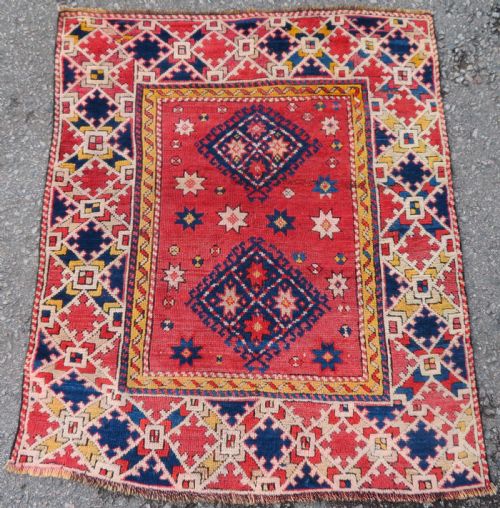
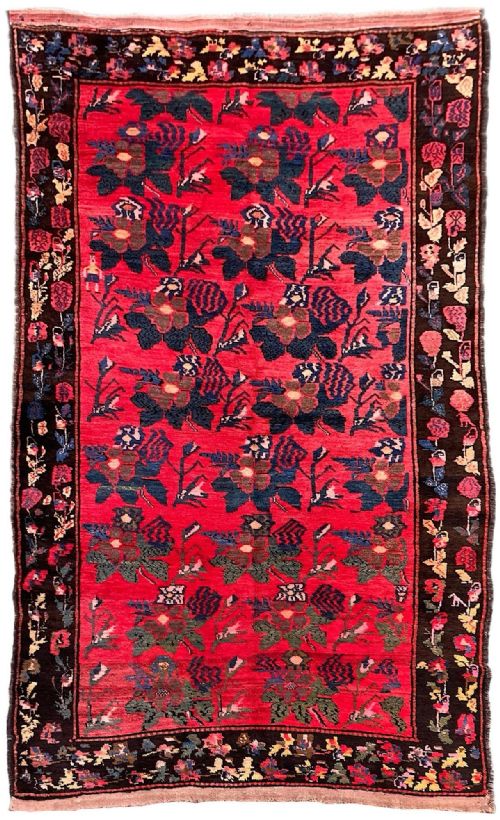
Caucasian pieces typically exhibit bold geometric patterns, stylised animal motifs and saturated primary colours arranged in crisp, rectilinear formats. Prayer rugs and long rugs from this region often show sharp medallion structures.
The materials and structural details, such as depressed warps and dense wool handles, assist in separating them from Persian or Turkmen equivalents.
Are these pieces made with natural dyes?
The majority of examples from this era incorporate natural dye stuffs derived from plants and insects, producing harmonious, rich tones that age gracefully. Madder root and indigo formed the basis for the deep reds and blues seen across these textiles.
These traditional colour sources yield subtle variations in shade known as abrash, which add depth to the field.
How should I care for a tribal rug?
Gentle vacuuming without a rotating power brush helps remove dust from the wool pile without damaging the antique foundation. Professional cleaning tailored to fragile textiles ensures the natural dyes and hand-spun wool remain preserved.
Keeping the piece out of direct, harsh sunlight prevents the botanical and animal colours from fading prematurely over time.