




Central Asian Nomad Weaving
Central Asian nomad weaving offers rich tribal textiles and rugs, prized by collectors for their authentic village character and historical nomadic design.
Central Asian Nomad Weaving
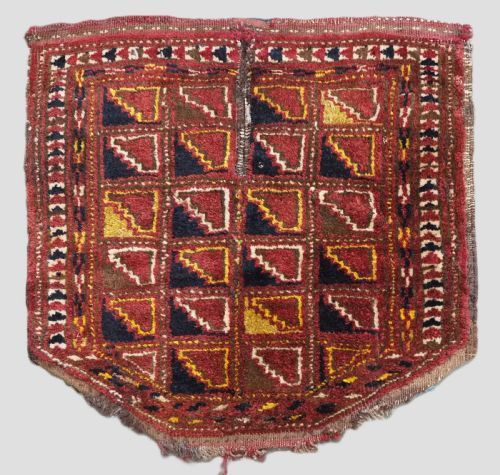
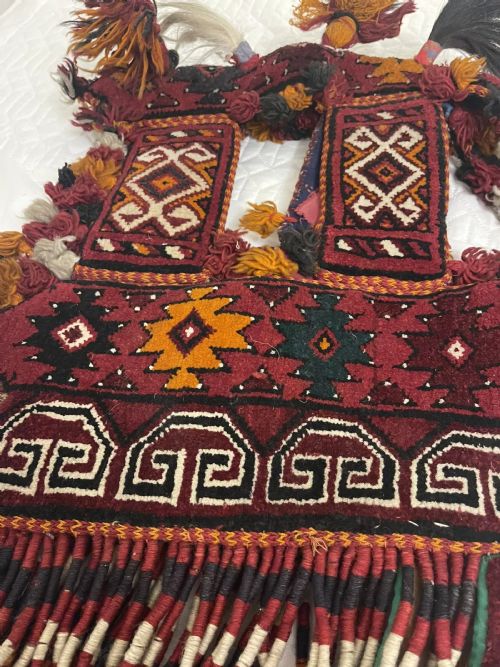
Central Asian nomad weaving comprises traditional tribal textiles, rugs, and functional bag faces produced by nomadic groups across the region. Buyers searching for central asian nomad weaving encounter specialised items such as chuval faces, torba faces, saddle covers, and wedding trappings created for domestic and ceremonial use.
The objects seen here largely originate from the late nineteenth century, spanning from eighteen sixty to nineteen hundred. Pieces take the form of wall hangings, small rugs, and tribal weavings designed to furnish nomadic tents or accompany camels and horses.
The dominant stylistic traditions belong to Turkmen tribal groups, specifically incorporating Tekke, Ersari, Yomut, and Chodor designs. These textiles reflect centuries of distinctive weaving heritage preserved through generations of tribal makers.
Assessing quality and character
Quality rests upon the precision of the weave and the clarity of traditional motifs such as guls, turreted designs, and curled leaf patterns. Denser knotting and finer wool preparation distinguish more accomplished workshop or tent production.
The integrity of natural dye colours and the preservation of complete formats, such as intact chuval or torba faces and wedding trappings, elevate certain examples above standard utilitarian pieces.
The listings span from eighteen sixty to nineteen hundred, focusing on Turkmen tribal styles executed in hand-spun wool, cotton, and natural dyes.
The Central Asian Nomad Weaving Glossary
- Chuval
- A large storage bag face produced by Turkmen nomads. These rectangular textiles typically feature repeated gul motifs and served functional roles inside traditional dwellings.
- Torba
- A smaller storage bag face than a chuval, often hung on tent walls. These pieces display intricate tribal patterns and specific tribal güls.
- Gul
- A medallion or primary repeating design motif found in Turkmen rugs and trappings. Each tribal group utilised distinct gul shapes to signal identity and heritage.
- Chuval face
- The decorative front portion of a nomadic storage bag preserved after the plain-weave back has deteriorated or been removed. They are frequently mounted as wall hangings by modern collectors.
- Spindle bag igsalyk
- A specialised nomadic bag designed for holding spinning tools. Yomut weavers produced these functional items with plain weave backs.
Central Asian Nomad Weaving: Frequently Asked Questions
How were torba and chuval pieces used?
Nomadic families utilised these woven pieces primarily as storage containers inside tents for bedding, clothing, and household goods.
Smaller trappings served decorative and ceremonial functions during weddings and migrations on pack animals.
How do I identify Tekke and Ersari styles?
Tekke and Ersari pieces are distinguished by their specific gul medallions, colour distribution, and tribal layout traditions.
Examining the structural details and motif geometry helps attribute items to specific Turkmen subgroups.
How should I care for antique tribal rugs?
Protect these wool textiles from direct sunlight and damp conditions to preserve the natural dyes and hand-spun fibres.
Gentle surface cleaning by specialists keeps the delicate knotting and wool structure stable over time.