




Antique Oriental Rug Face
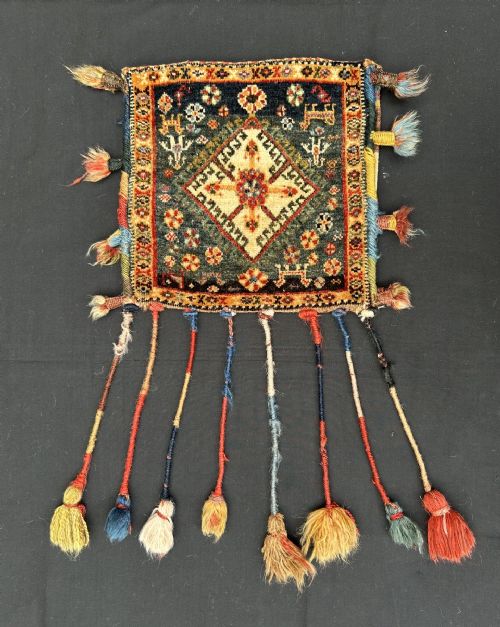
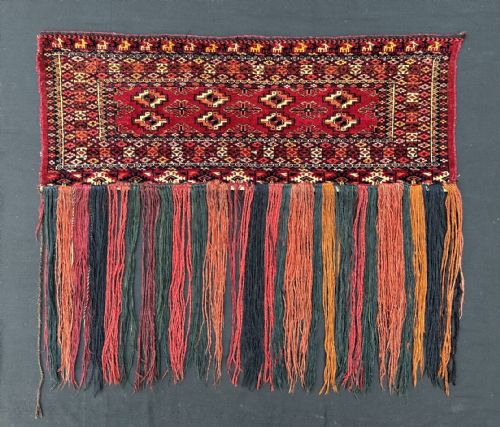
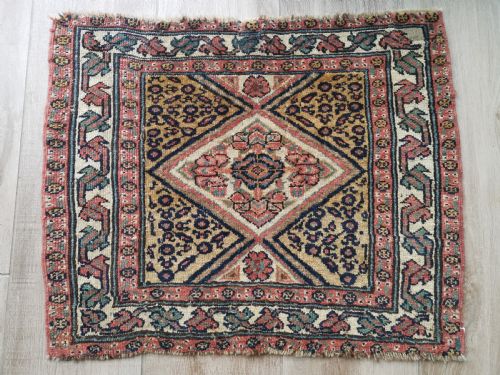
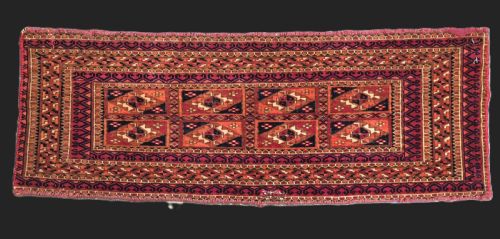
An antique oriental rug face represents the severed front of a nomadic storage bag, prized by collectors for tribal designs woven in saturated wools.
Antique Oriental Rug Face
An antique oriental rug face is the decorative front panel of a nomad's storage sack, saddlebag, or tent hanging, which has survived while the plain utilitarian back deteriorated or was removed.
The pieces listed here span the nineteenth and early twentieth centuries, originating from Central Asian Turkmen tribes, Persian confederacies such as the Qashqai, and Kurdish or Baluch groups.
Most examples function as torba or chuval faces, displaying distinct tribal guls, medallions, and geometric motifs native to specific weaving traditions.
Materials and construction
Weavers constructed these pieces using hand-spun wool and occasionally silk, dyed with natural vegetable or mineral substances that produced deep, enduring tones.
The structure typically combines hand-knotted pile work for the patterned face with flatweave elements or sturdy cotton foundations.
Nomadic makers utilised upright or horizontal looms in encampments, resulting in tight knots and durable textiles designed to withstand heavy daily use in transit.
Several bag faces retain traces of hanging loops, offering a direct glance at how nomads suspended their belongings inside felt tents.
Assessing the weave
Quality rests upon the fineness of the knotting density, which dictates the crispness and clarity of the geometric drawing across the field.
The depth, complexity, and saturation of the natural dye palette separate superior weaving from more mundane production.
The integrity of the wool, the precision of the tribal gul proportions, and the survival of original side cords or elem panels determine the standing of an individual fragment.
Tekke Turkmen·Yomut Turkmen·Ersari Turkmen·Saryk Turkmen·Shahsavan Nomads
The Antique Oriental Rug Face Glossary
- Torba
- A small horizontal storage bag made by Turkmen nomads. These pieces were traditionally hung inside a tent for domestic possessions.
- Chuval
- A large tent storage bag used by Turkmen tribes for bedding and heavy goods. The severed faces of these sacks form a major part of nomadic textile collections.
- Gul
- A primary medallion or octagonal design motif repeated across Turkmen and Central Asian weaving. Each tribe utilised distinct forms to denote lineage.
- Elem
- The decorative lower panel of a Turkmen rug or bag face, often featuring floral or tree motifs below the main field of guls.
- Sumac
- A flatweave technique involving wrapping supplementary weft threads around the warp to create a textured, durable surface without pile.
Antique Oriental Rug Face: Frequently Asked Questions
What is an oriental rug face?
An oriental rug face is the decorative pile-woven front of a nomadic storage bag or saddlebag that has been separated from its plain wool or cotton back.
These fragments preserve the finest weaving and iconography of tribal groups who utilised portable looms.
How were these bags used?
Nomadic tribes used these textiles inside tents and on pack animals for storing grain, clothing, bedding, and household possessions.
Once the bags wore out along the seams or backs, the durable front panels were often preserved or traded.
How do I display a bag face?
Many collectors mount these textile fragments onto neutral fabric and frame them behind glass, or display them safely on walls using non-damaging textile hangers.
They can also be used as small table mats or cushion faces depending on their structural condition.
How do I identify tribal origins?
Tribal attribution relies on recognising specific structural details, wool qualities, and repeating motifs such as the octagonal gul.
Different groups across Persia and Central Asia maintained strict design traditions regarding colour combinations and border arrangements.