




Handwoven Wool Chuval
A handwoven wool chuval is a tribal storage bag face woven in Central Asia, prized by collectors for its rich nomadic artistry and deep madder tones.
Handwoven Wool Chuval
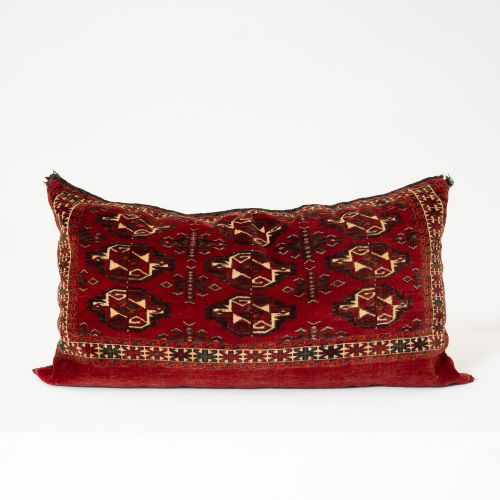
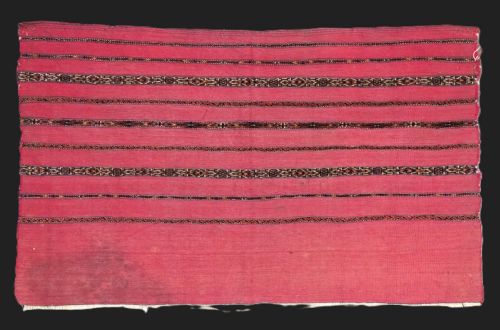
A handwoven wool chuval represents the pinnacle of nomadic textile art originating from the tribes of Turkmenistan and the wider Central Asian region. When you search for this phrase, you encounter authentic storage bag faces and fragments produced during the nineteenth and early twentieth centuries by tribal groups such as the Tekke, Ersari, Yomut, and Saryk. These pieces functioned originally as domestic storage sacks within nomadic tents before being separated into decorative wall hangings or cushion faces.
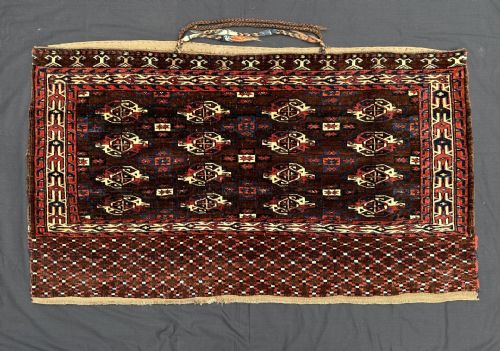
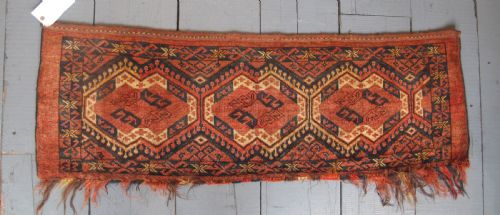
The versions most common on this page are bag faces rather than complete tubular sacks, often featuring structured rows of primary guls and secondary motifs. Examples range from finely knotted Tekke and Saryk pieces utilising white cotton and crimson silk highlights to larger Ersari panels from the Beshir region. They offer a direct tactile link to the weaving traditions of the Trans-Caspian steppes and the Middle Amu Darya valley.
How they were made
These textiles rely on hand-spun wool foundations and pile, combined with natural dyes derived from plants and insects to achieve their signature crimson and madder hues. Weavers knotted the wool densely onto warp and weft structures, occasionally incorporating white cotton for contrast or crimson silk for specific decorative accents.
The construction methods reflect generations of tribal knowledge, executed on portable vertical or horizontal looms set up across the Central Asian steppes. Artisans used natural dye baths to colour the wool before working intricate geometric patterns from memory and tradition rather than written diagrams.
Current listings span the nineteenth and early twentieth centuries, featuring wool, cotton, and natural dyes across several Turkmen tribal traditions.
What varies in quality
The distinction between standard examples and the finest pieces rests upon knot density, handle suppleness, and the purity of the natural dyes. Superior bag faces exhibit an exceptionally fine weave that allows complex gul structures and secondary motifs to remain crisp and well-defined.
The Handwoven Wool Chuval Glossary
- Chuval
- A large nomadic storage bag used in Central Asian tents for household goods and bedding. Most surviving examples consist of the decorative face separated from the plain back.
- Gul
- A repeating medallion or octagonal primary motif characteristic of Turkmen and Central Asian tribal weaving. Different tribes utilised distinct gul designs to signify lineage and origin.
- Torba
- A smaller nomadic storage bag or bag face than a chuval, generally wider than it is high. These pieces served similar domestic storage functions within the yurt.
- Beshir
- A regional style associated with the Ersary tribes along the Middle Amu Darya river. These textiles often display alternative layouts and colour palettes compared to standard Turkmen work.
Handwoven Wool Chuval: Frequently Asked Questions
What is a chuval used for?
Nomadic families used these large bags inside tents to store clothing, bedding, and household possessions. They hung against the lattice walls of the yurt when not packed for travel.
Today, collectors mount these bag faces on walls or adapt them into cushions and decorative panels to display the intricate tribal patterns.
How old are these rugs?
The pieces available here date from the mid-nineteenth century to the early twentieth century. This period represents the era of traditional nomadic weaving before synthetic aniline dyes became widespread.
Stylistic markers and structural traits help narrow down the decade of production for each individual bag face.
How do I identify different tribes?
Tribal attribution relies primarily on the specific shape and arrangement of the guls, along with the secondary border motifs and minor ornaments. Tekke and Saryk weavers often produced dense, orderly compositions, while Ersari and Yomut examples display broader variations in layout.
Colour choices, such as the inclusion of white cotton or crimson silk, also point toward specific regional workshops and tribal groups.
How should I care for a textile?
Keep these historic wool pieces out of direct sunlight to prevent natural dyes from fading over time. Gentle vacuuming without a rotating brush helps remove dust settled deep within the pile.
Professional textile conservators should handle any necessary washing or structural repairs to preserve the integrity of the natural fibres.