




Antique Oriental Plates
These antique oriental plates bring centuries of kiln artistry into the home, offering painted dragons, flowers and birds on porcelain and earthenware.
Antique Oriental Plates
When searching for antique oriental plates, buyers encounter a diverse selection of decorative chargers, serving platters and dishes spanning several centuries. These vessels originate primarily from Chinese dynasties and Japanese periods, reflecting distinct regional aesthetics and trade histories.
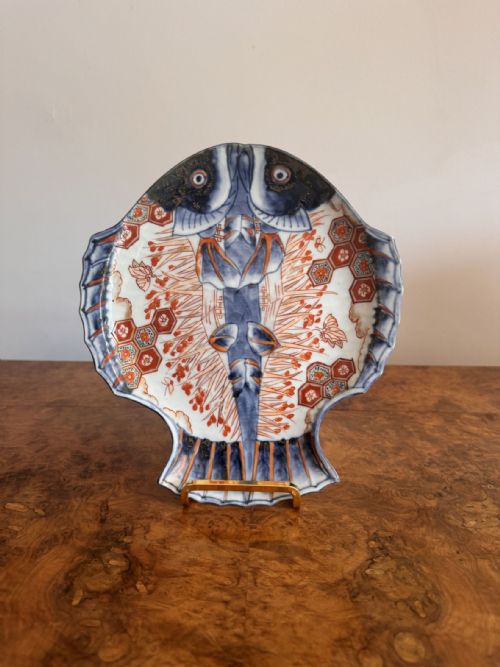
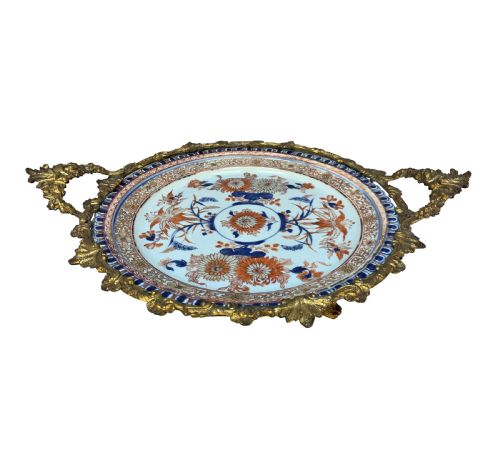
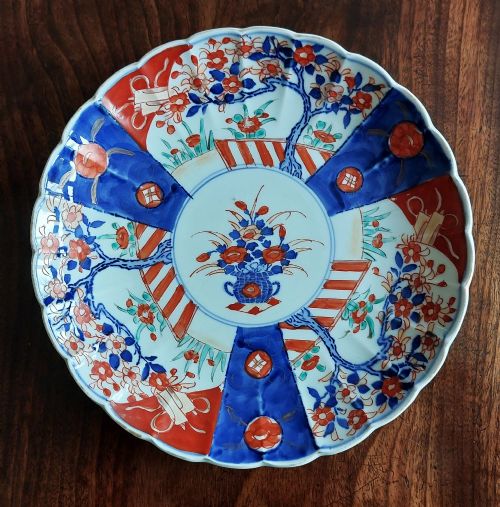
The assortment on this page ranges from large seventeenth-century chargers to nineteenth-century Japanese imari plates and export porcelain. Forms include scalloped edges, hexagonal shapes, and fish-form dishes designed for display or service.
How they were made
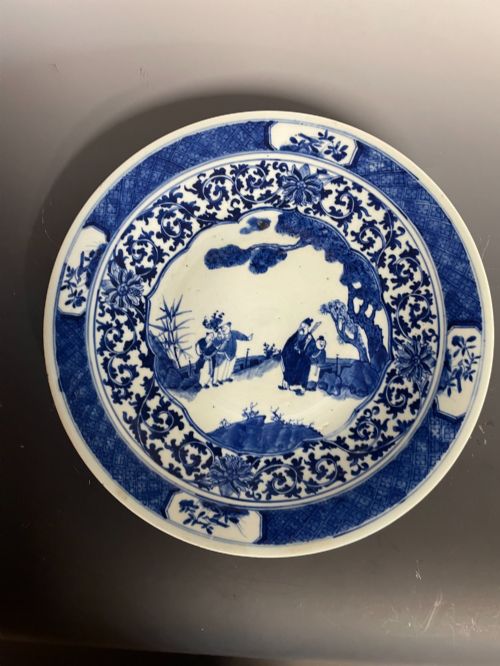
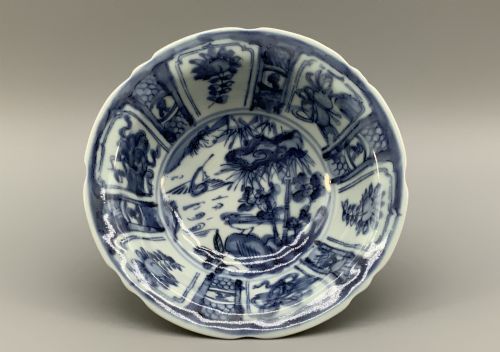
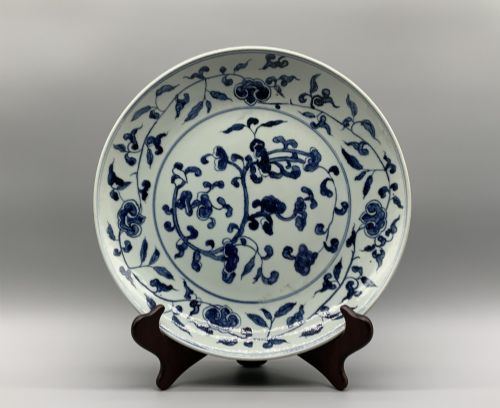
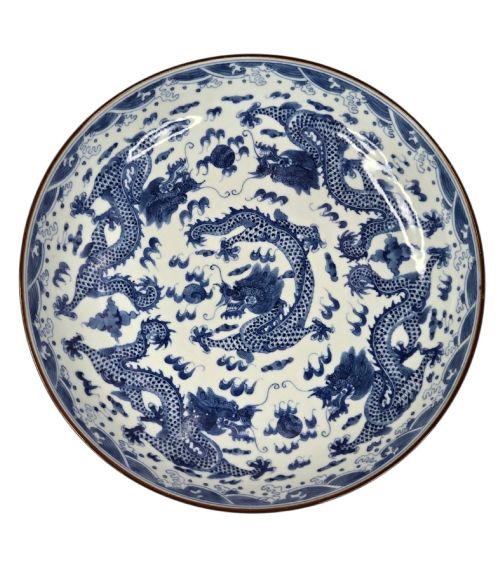
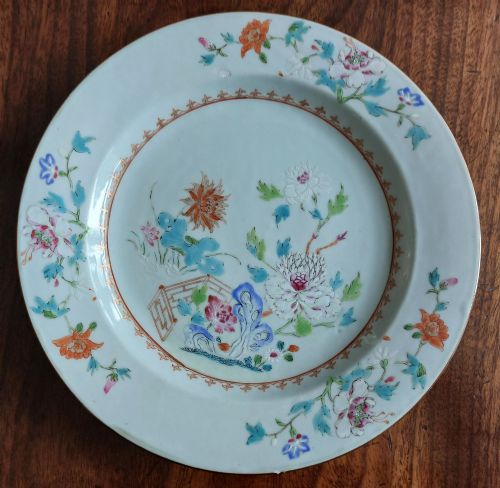
Potters shaped fine clay into plates and bowls, applying cobalt underglaze pigments before high-temperature firing to achieve durable blue and white designs. Enamel colours and gold leaf were often added in subsequent low-temperature firings for richer palettes.
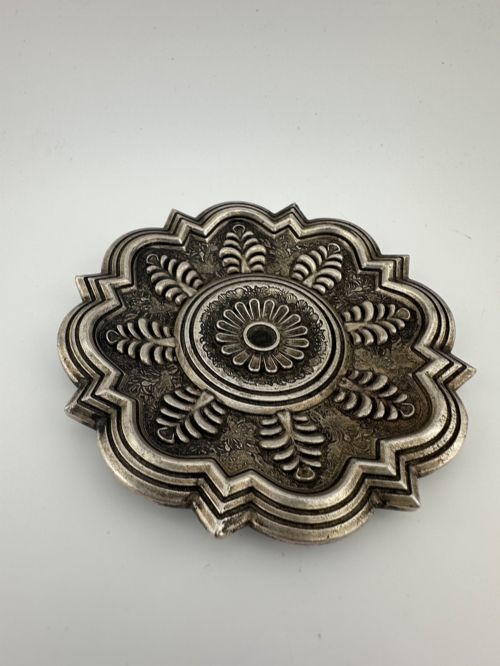
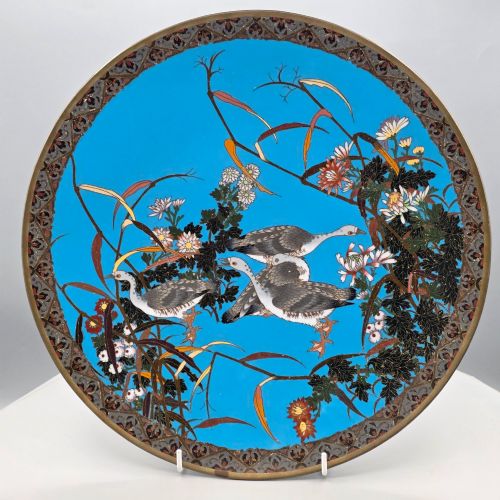
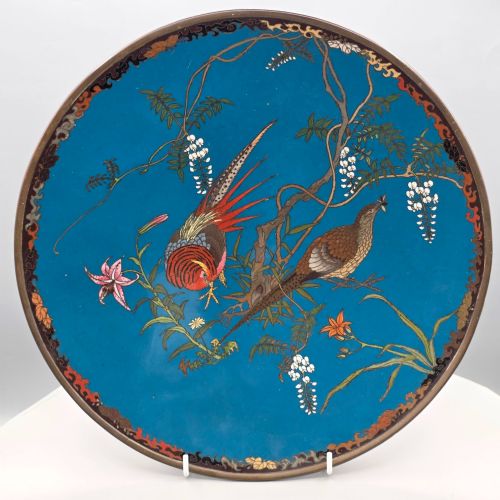
Metalworking techniques also appear alongside ceramics, utilising copper and brass with cloisonné wirework, alongside iron plaques decorated with gold and silver inlay.
Some potters abandoned traditional round geometry entirely, pressing clay into the lively form of a swimming fish.
What varies in quality
Quality rests in the precision of the hand-painted brushwork and the vibrancy of the cobalt blue or enamel palette. Finer examples display meticulous detail in pictorial subjects like birds, flowers and dragons.
The weight and finish of the porcelain body, along with the crispness of moulded or scalloped edges, separate standard production wares from pieces of exceptional artistic ambition.
John Rogers and Son·J.W.R.
The Antique Oriental Plates Glossary
- Imari
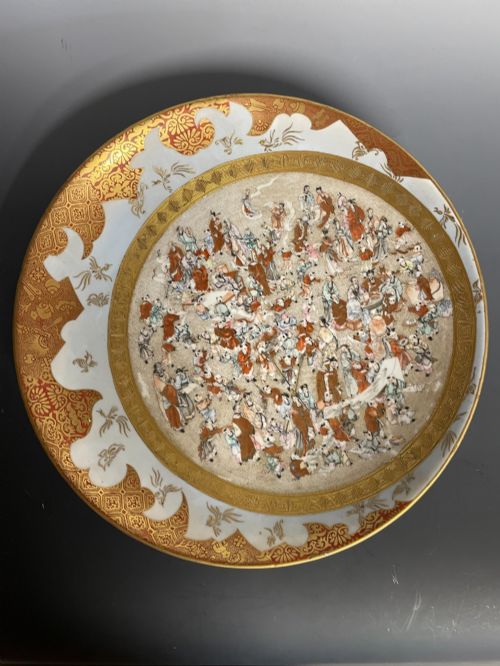
- A style of Japanese porcelain featuring a palette of underglaze blue, iron red and gold, produced for both domestic use and export. These wares are noted for their dense and colourful decorative schemes.
- Cloisonne
- A metalwork technique where thin wire is soldered to a base to form compartments, which are then filled with enamel paste and fired. The resulting surface displays intricate patterns of birds and flowers.
- Underglaze
- A method of decorating pottery before applying a transparent glaze and firing in the kiln. This protects the painted pigment beneath a glassy protective layer.
- Charger
- A large decorative plate or platter used historically for service or display on a sideboard. Their generous surface area allowed artisans to paint elaborate multi-figure scenes.
- Qing Dynasty
- The final imperial dynasty of China, spanning over two centuries of prolific ceramic production. Wares from this era often feature refined porcelain bodies and meticulous polychrome enamels.
Antique Oriental Plates: Frequently Asked Questions
How do I display antique plates safely?
Wall mounting requires specialised spring hangers that distribute weight evenly across the rim without causing stress fractures.
Alternatively, stable desk stands hold chargers securely at a slight angle for cabinet or mantelpiece presentation.
Can I use these plates for food?
Most antique ceramic pieces are intended for decorative display rather than daily dining service.
Age, historic glaze composition and potential fragility mean these vessels are best kept off the dining table.
How do I tell Chinese from Japanese plates?
Chinese pieces often utilise cobalt blue underglaze with symbolic motifs like dragons and floral sprays rooted in dynastic traditions.
Japanese imari and Satsuma wares frequently incorporate iron red, gold leaf and dense brocade patterns characteristic of the Meiji period.
What is cloisonne enamel?
Cloisonne involves soldering flat metal wires onto a copper or brass base to create small cells or partitions.
These compartments are packed with powdered glass paste and fired multiple times to produce vibrant pictorial designs.