

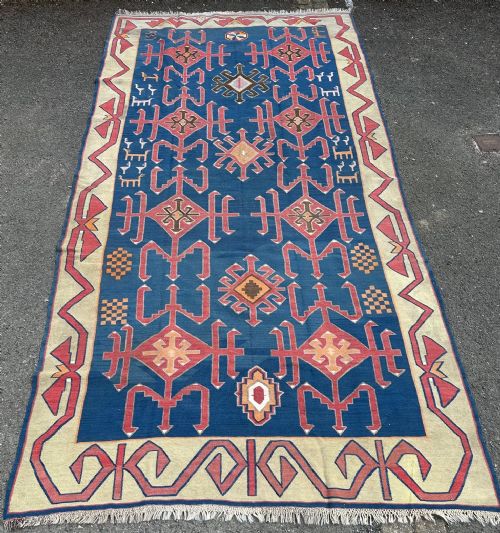


Antique Oriental Flatweave
These antique oriental flatweave rugs bring distinct tribal geometry and rich wool textures into any room.
Antique Oriental Flatweave
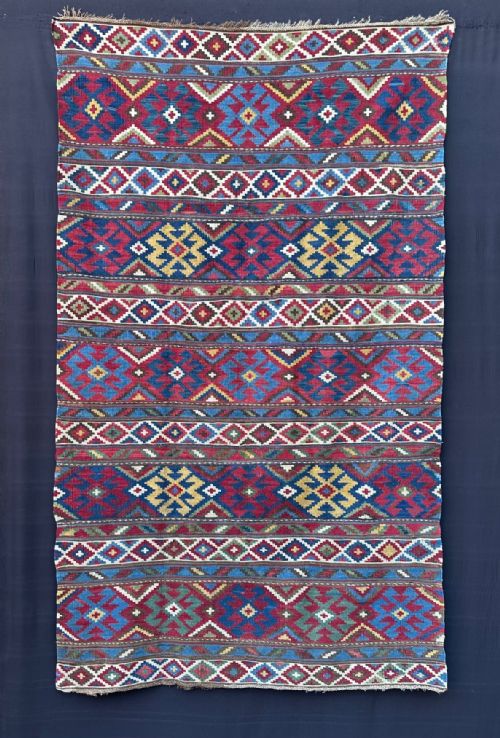
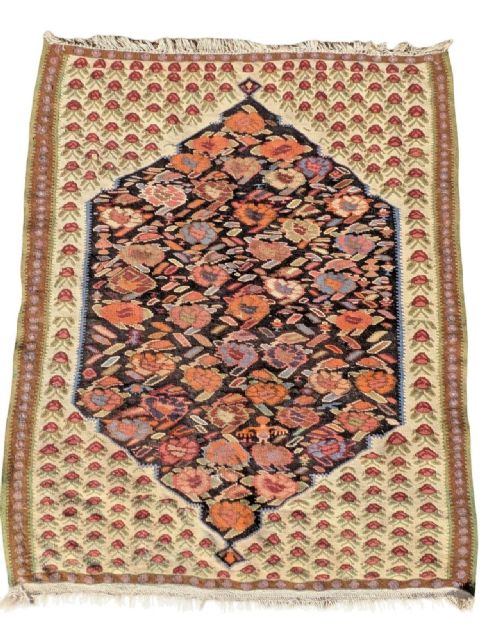
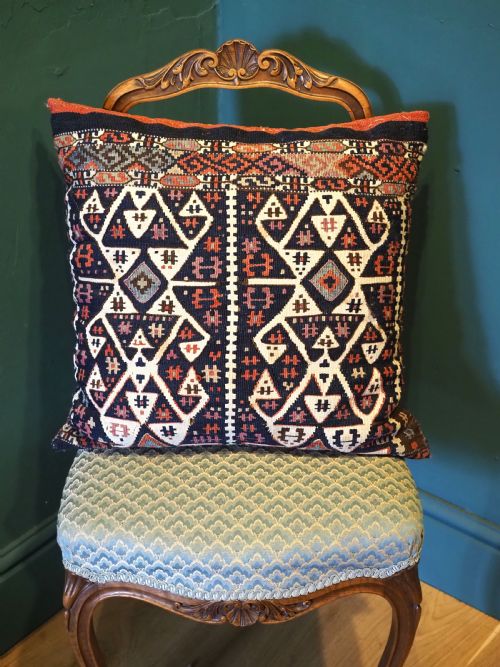
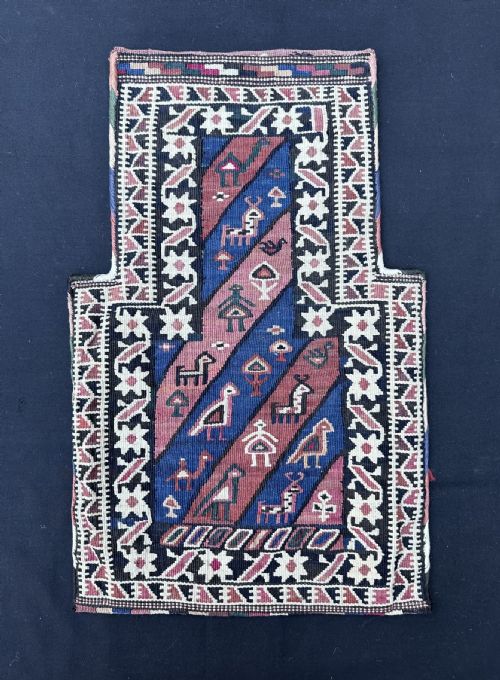
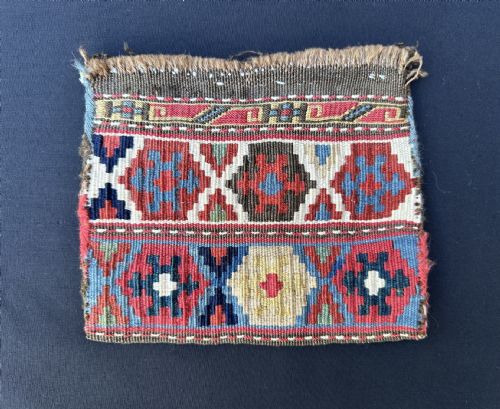
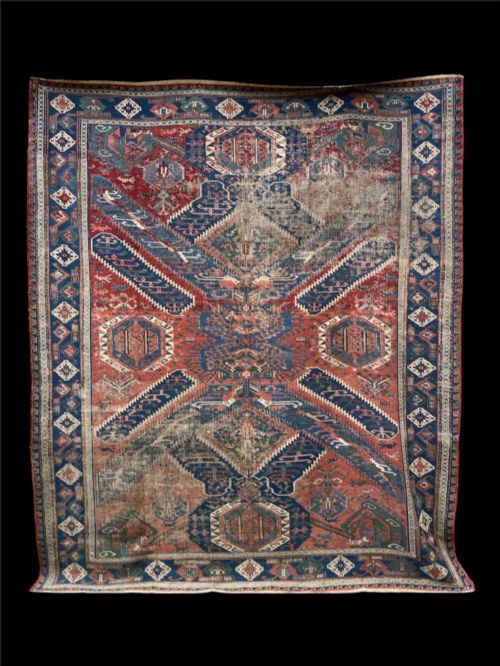
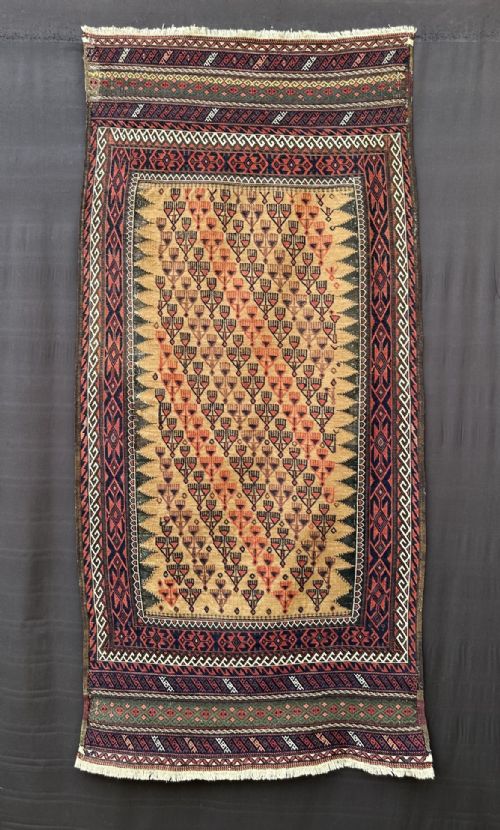
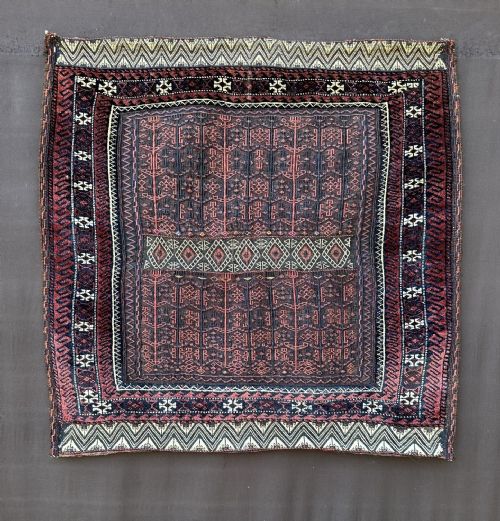
An antique oriental flatweave consists of pileless rugs and carpets produced across Caucasian, Anatolian, Central Asian Tribal, Balkan Folk, and Qashqai Tribal regions. These pieces include formats such as rugs and carpets, alongside smaller items fashioned from tent bands.
Dating ranges from the late nineteenth century through to the early decades of the twentieth century, specifically covering periods around 1870, 1890, 1900, 1910, 1920, and 1930.
How They Were Made
The construction of these flatweaves relies primarily on wool and cotton materials, woven without a traditional pile to create smooth, durable surfaces. Specific construction techniques recorded include soumak wrapping, brocaded flatweaves, verneh, and zili structures.
Design characteristics encompass bold and colourful patterns, triple medallion layouts, fine banded arrangements, and scarce yellow ground borders.
Antique Oriental Flatweave Retail Price Guide 2026
Typical asking prices for oriental flatweave among the pieces listed under this phrase on Sellingantiques today, from the lower quarter to the upper quarter. They describe what is for sale here now, not the wider market.
Some small rugs started life as practical nomadic tent bands before finding new purpose on the floor.
What Varies in Quality
Distinctions in quality rest upon the crispness of the woven geometric motifs and the complexity of structures like soumak wrapping or brocaded flatweaves. Finer examples maintain structural integrity and balanced proportions across larger formats or specialised forms such as tent bands.
Colour retention and dye saturation also differentiate the range, where vivid hues and uncommon ground colours elevate a piece beyond standard regional output.
The Antique Oriental Flatweave Glossary
- Flatweave
- A textile produced without a pile by interlocking warp and weft threads. This method creates a thin, durable rug suitable for floor placement or hanging.
- Soumak
- A technique involving extra-weft wrapping stitches that produce a raised, textured surface on the face of the rug. It provides both strength and distinct linear detail.
- Kilim
- A pileless carpet or rug originating from regions including Anatolia, the Caucasus, and Central Asia. They typically feature bold geometric and tribal designs.
- Verneh
- A specific type of brocaded flatweave characterised by stylised animal or geometric motifs. These pieces showcase intricate supplementary weft work.
- Banded design
- A pattern arrangement composed of horizontal stripes or bands running across the width of the textile. This layout often incorporates alternating geometric motifs.
Antique Oriental Flatweave: Frequently Asked Questions
What is an antique oriental flatweave?
An antique oriental flatweave is a pileless textile produced in regions such as the Caucasus, Anatolia, Central Asia, and the Balkans. These rugs utilise wool and cotton construction methods like kilim and soumak.
They date from the late nineteenth century up to the 1930s, featuring tribal geometries, medallions, and banded designs.
How do I care for a flatweave rug?
Care for a flatweave involves gentle shaking and light vacuuming without a beating brush roll to protect the weave. Using an appropriate underlay prevents slipping and reduces friction against hard floors.
Professional cleaning suited for antique wool textiles ensures the longevity of the natural fibres and dyes.
Where were these rugs made?
These textiles originate from various weaving traditions across the Caucasus, Anatolia, Central Asian tribal areas, and Balkan folk regions. Specific origins include Qashqai tribal areas, Uzbekistan, and Pirot or Sarkoy.
Nomadic and village weavers produced them for domestic use, trade, or structural utility such as tent bands.
How can I tell the age of a flatweave?
Dating relies on stylistic markers, regional weaving structures, and the characteristics of the wool and cotton materials. Pieces from the nineteenth century often display specific natural dye palettes and traditional tribal motifs.
Comparing structural details such as soumak wrapping or brocaded techniques helps place items within eras like 1870, 1900, or 1930.