

Antique Office Chair Wood
These antique office chair wood pieces are sturdy seating solutions designed for the workspace, offering traditional craftsmanship and period character.
Antique Office Chair Wood
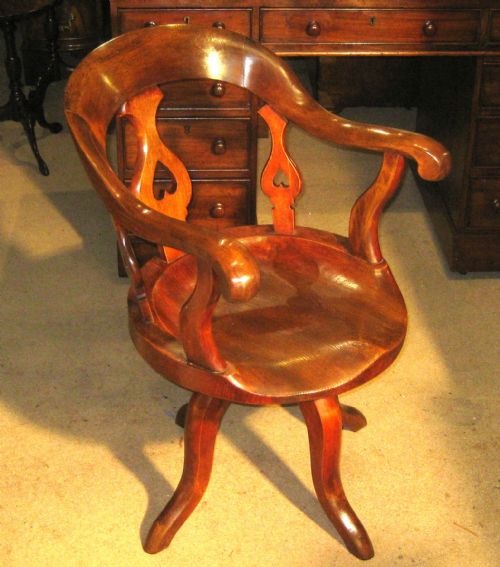
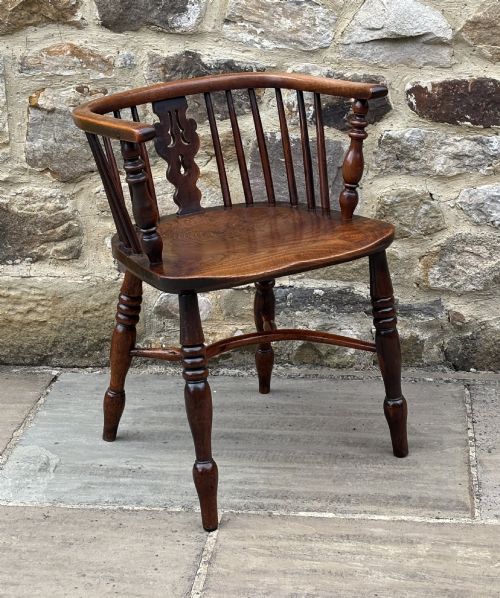
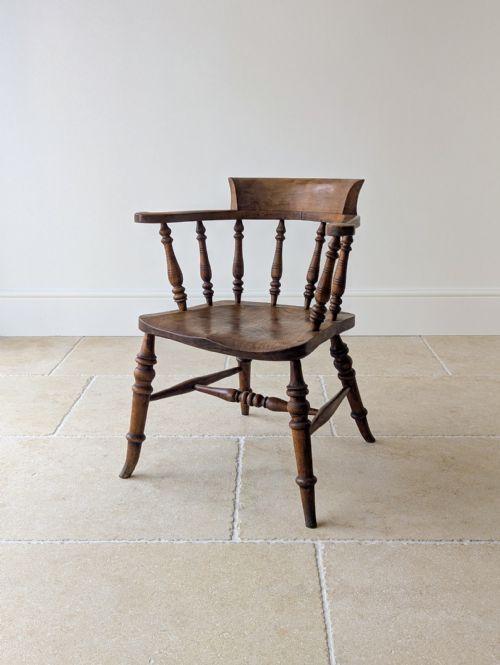
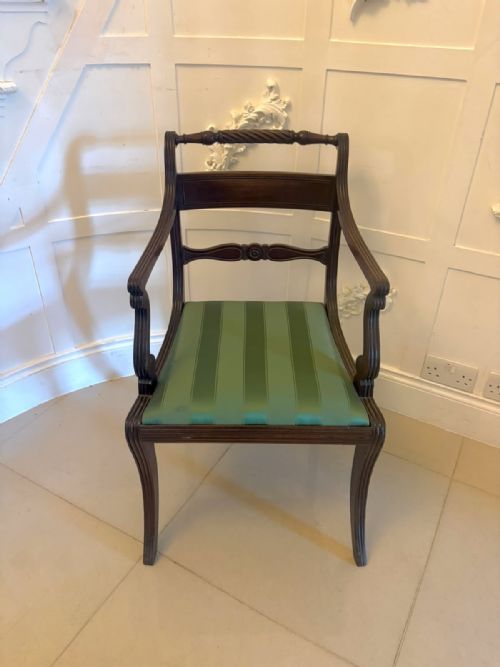
When you search for an antique office chair wood selection, you encounter a variety of forms designed specifically for workspace utility. Desk chairs, armchairs, and captains chairs dominate the selection, often featuring solid timber construction from the Victorian and Edwardian eras. These pieces bridge domestic comfort and functional office use from past centuries.
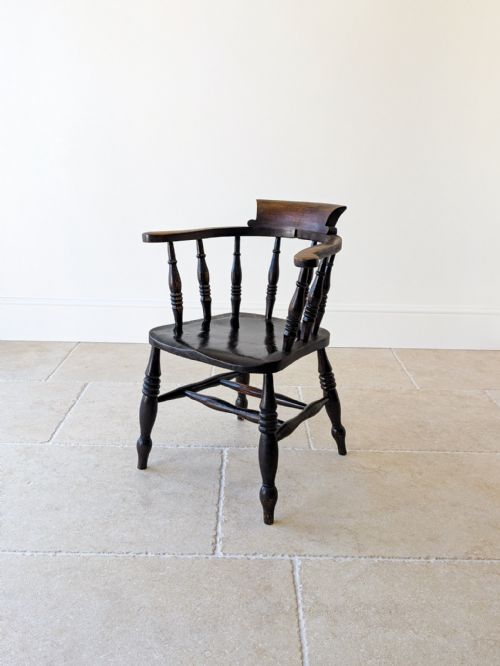
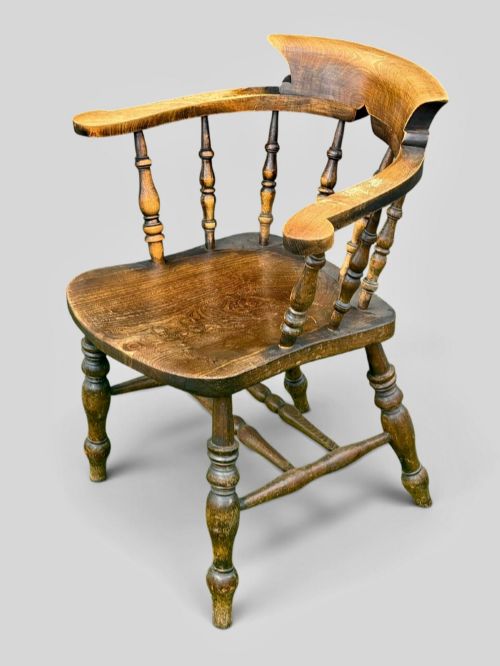
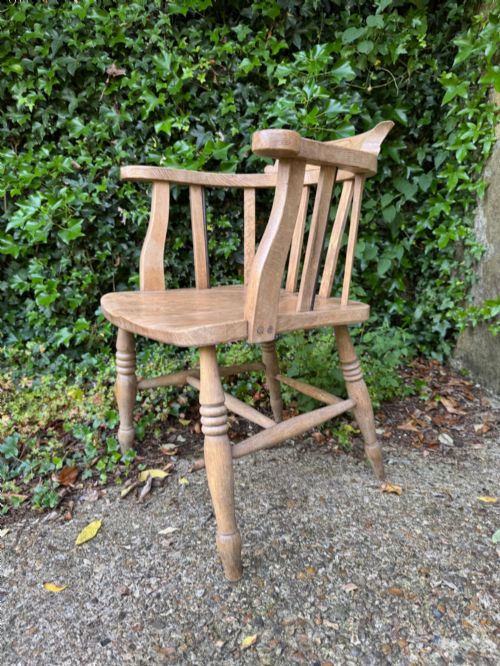
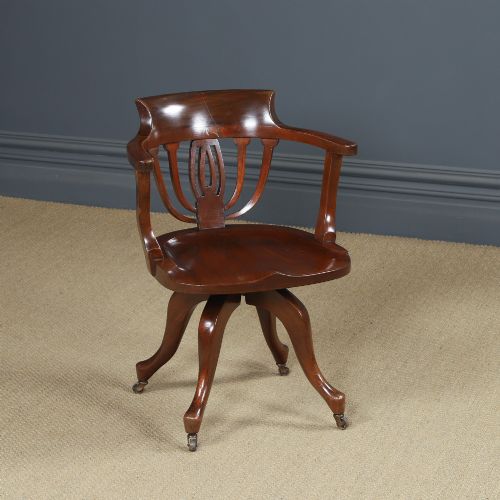
The most common versions met on this page include sturdy captain's chairs and smokers bows made from domestic timbers like elm, beech, and ash. Mahogany desk chairs from the nineteenth century also appear frequently, alongside revolving swivel designs fitted with brass hardware. These variations reflect the shifting demands of office environments throughout the Victorian and Edwardian periods.
How they were made
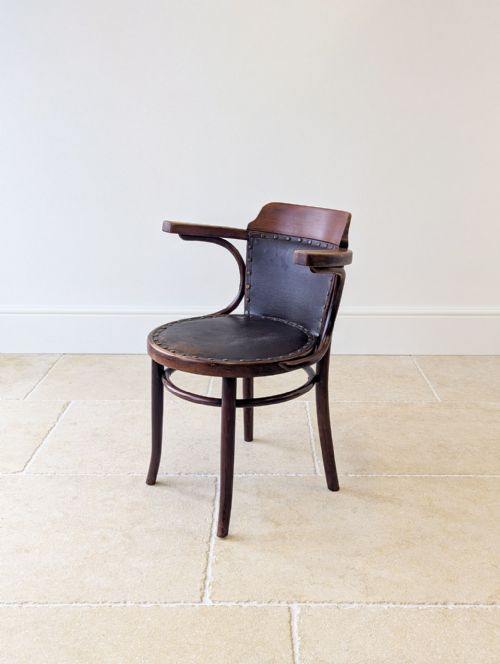
Cabinet makers and chair bodgers utilised dense hardwoods such as mahogany, oak, walnut, and elm to build robust frames that could withstand daily use. Timber was often steam bent to create curved armrests and back rails, particularly in bentwood models and captains chairs. Joinery relied on traditional mortise and tenon techniques alongside turned spindles.
Upholstered versions integrated leather or fabric seats attached with brass tacks over supportive padding. Swivel mechanisms introduced iron and brass components to allow rotation and adjustable height in later nineteenth and early twentieth century models.
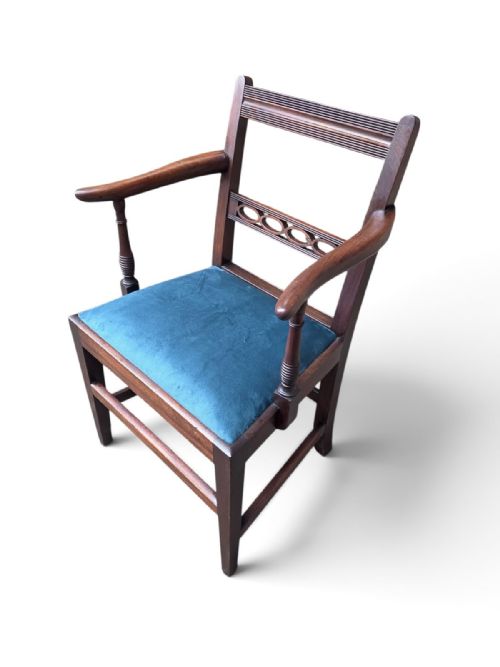
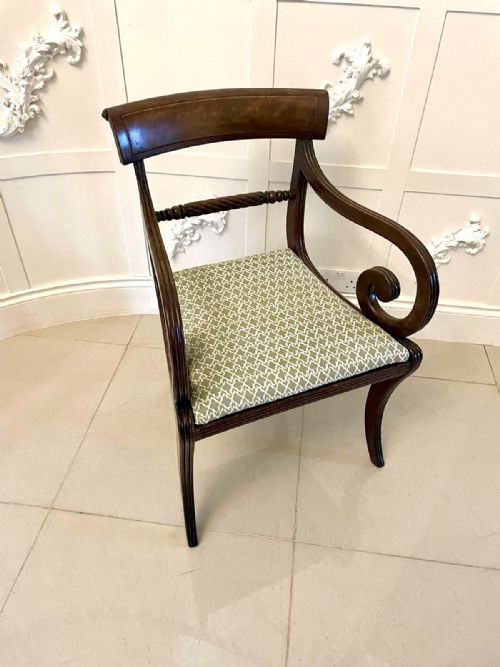
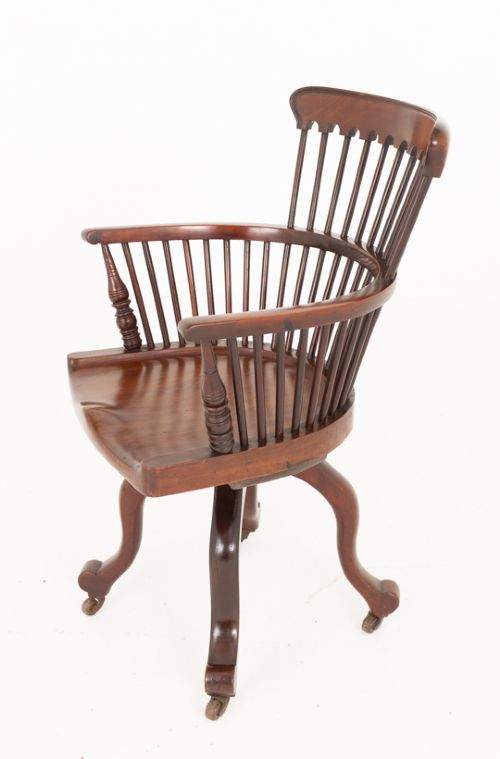
The selection includes swivel chairs, captains chairs, smokers bows, and bergere armchairs spanning the eighteenth to twentieth centuries.
What varies in quality
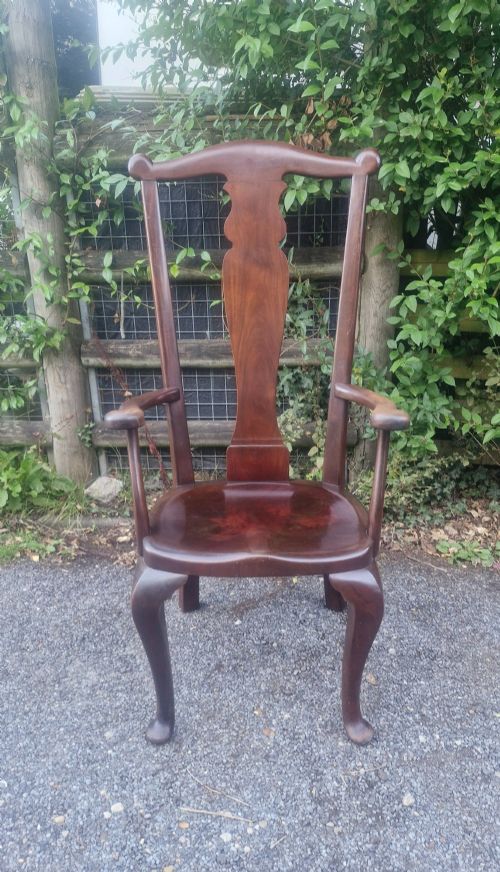
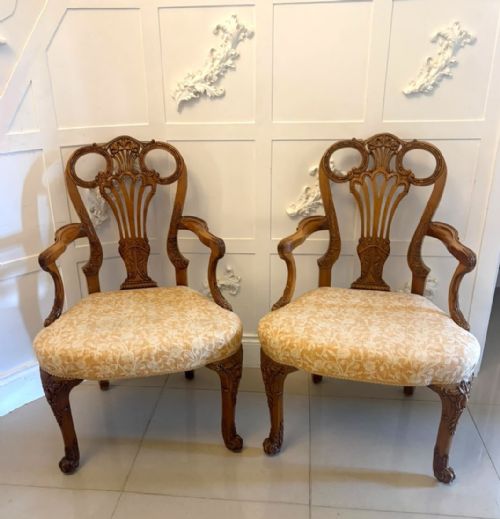
The distinction between standard examples and superior pieces rests on the choice of timber and the complexity of the carving. Finely figured timbers like burr elm, yew, or dense mahogany indicate a higher grade of manufacture than plain utility woods. Carved details such as spider web backs or elaborate scrollwork distinguish bespoke workshop production from mass commercial output.
Structural integrity and original mechanical components also dictate worth. Revolving actions and adjustable height screws made from iron and brass should operate smoothly within their period tolerances. Retaining original castors and leather upholstery without modern replacements preserves the historical integrity of the seating.
Heywood Brothers & Wakefield Co.
The Antique Office Chair Wood Glossary
- Captain's Chair
- A low-backed wooden armchair with a rounded top rail supported by spindles, commonly featuring a solid saddle seat. They provide sturdy seating suited for long hours at a desk.
- Smokers Bow
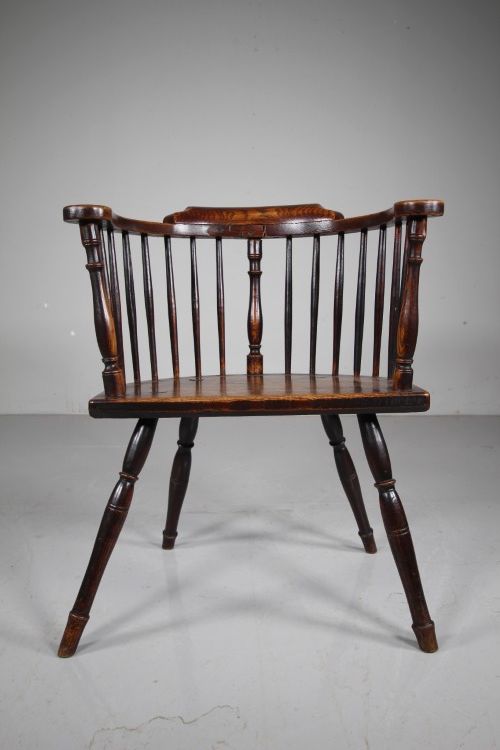
- A robust Windsor-style armchair with a low curved back and turned spindles, closely related to the captain's chair. This form appeared frequently in offices and smoking rooms during the nineteenth century.
- Bentwood
- Wood shaped by applying steam to soften the grain before bending it into curves. This technique created the flowing frames seen in Edwardian office seating.
- Bergere
- An enclosed armchair with woven cane panels on the back and sides. This style introduces lighter textures to timber office furniture.
- Revolving Desk Chair
- A seat fitted with an undercarriage mechanism allowing rotation and sometimes height adjustment. These early office innovations utilised iron and brass hardware.
- Bar Back
- A chair featuring a horizontal splat across the backrest resembling the top rail of a Windsor chair. This design provided ergonomic lumbar support in nineteenth-century workspaces.
Antique Office Chair Wood: Frequently Asked Questions
What is a captain's chair?
A captain's chair is a sturdy wooden armchair featuring a low curved back rail supported by turned spindles. These seats typically have a carved, solid timber saddle seat designed for extended daily use.
Originally utilised in offices and ships, they offer robust construction and ergonomic support. Their compact dimensions make them practical for modern desk spaces.
How do I identify a Victorian desk chair?
Victorian desk chairs are commonly constructed from solid mahogany, elm, or beech, often featuring turned legs and spindle backs. Pieces from this era frequently show rich timber patination developed over more than a century of handling.
Revolving mechanisms and brass hardware also began appearing on nineteenth-century office seating. Look for traditional joinery methods like pegged mortise and tenon joints to confirm the period.
Were office chairs adjustable in the nineteenth century?
Yes, many nineteenth-century desk chairs featured mechanical innovations allowing rotation and height adjustment. Iron screws and wooden threads beneath the seat enabled the user to raise or lower the chair.
Swivel mechanisms paired with castors provided mobility for clerks and professionals working at large partners desks. These early iron and brass fittings remain key indicators of office functionality.
How do I care for wooden office furniture?
Maintain wooden office chairs by applying natural beeswax periodically to nourish the timber and preserve its finish. Avoid placing antique seating near direct heat sources or in strong sunlight, which can dry out the wood and leather.
Check undercarriage joints and swivel mechanisms gently to ensure stability without forcing antique moving parts. Regular dusting with a soft cloth prevents accumulation in carved crevices.