

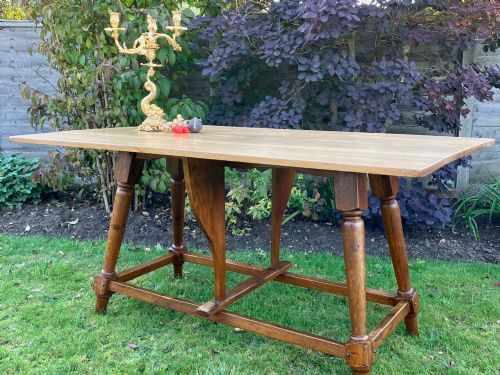
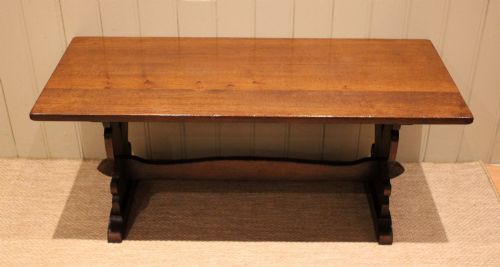
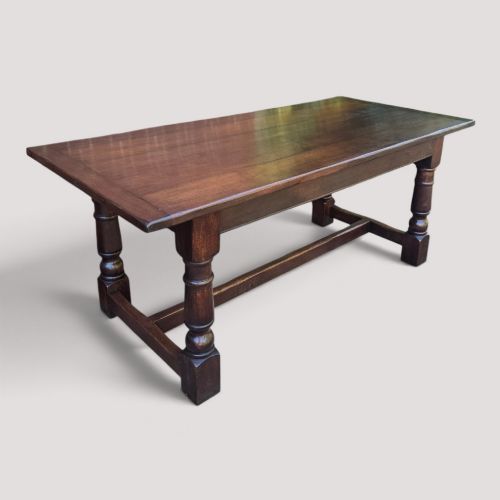
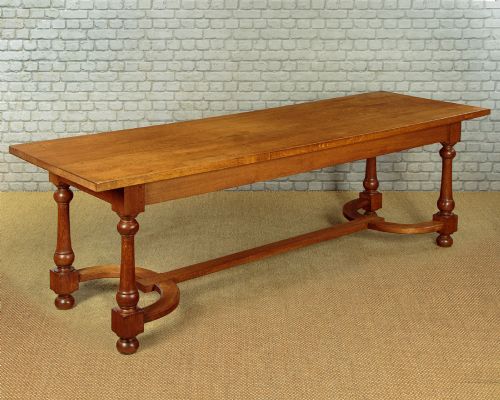
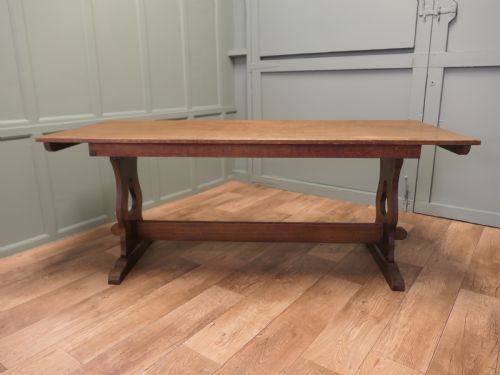
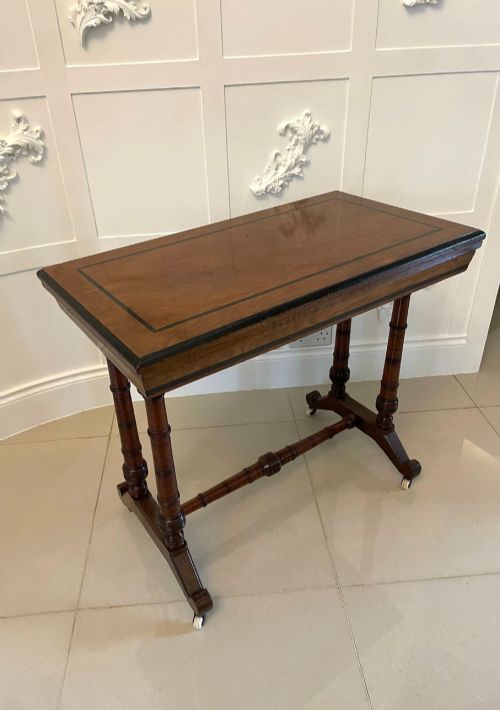
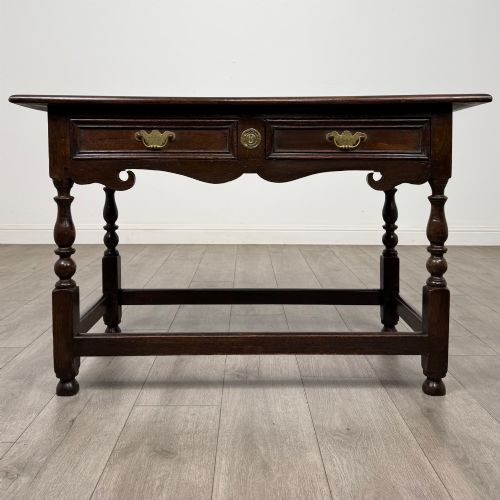
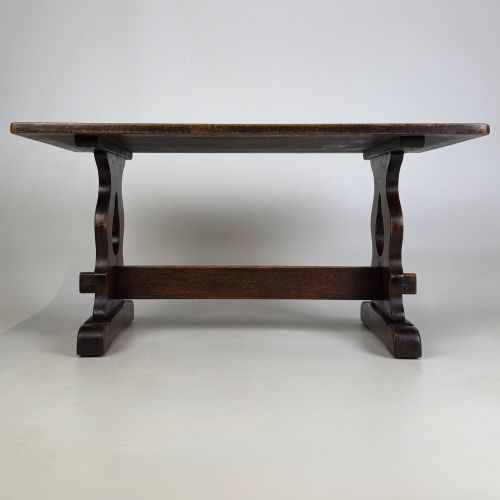
Antique Oak Stretcher Table
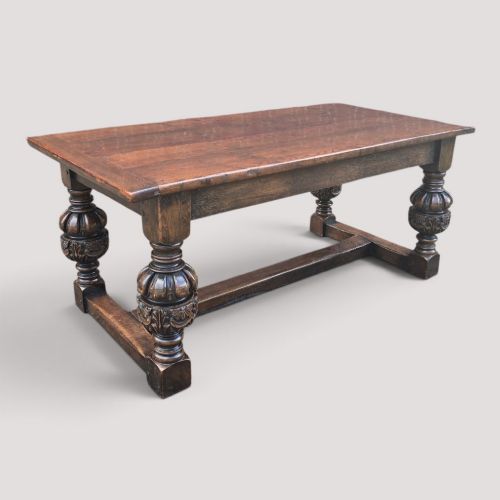
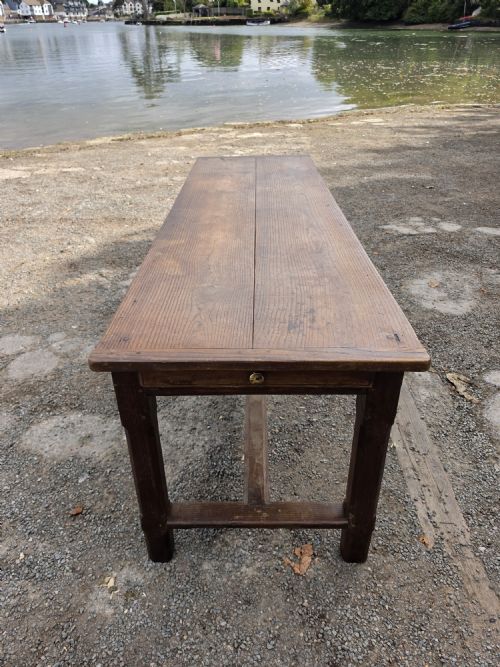
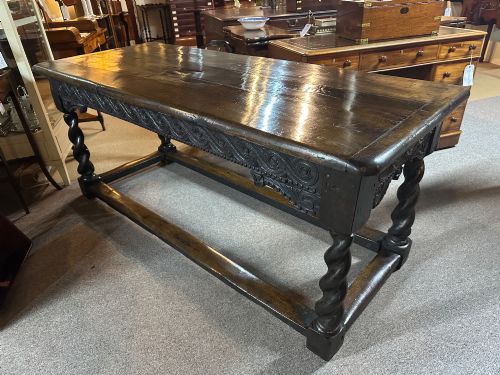
These heavy timbers give an antique oak stretcher table its grounding weight and honest utility.
Antique Oak Stretcher Table
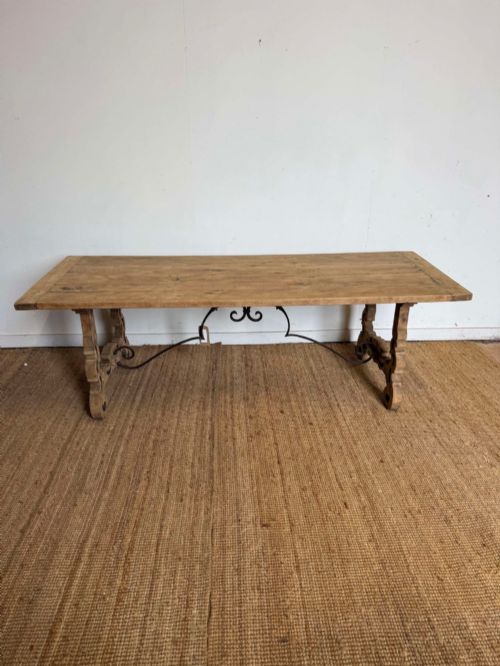
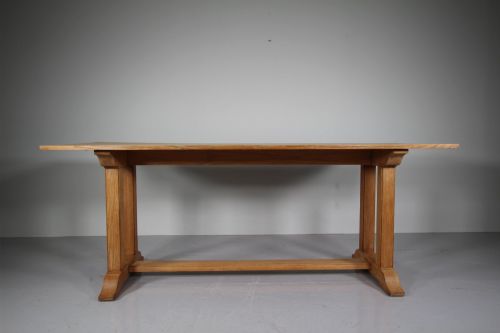
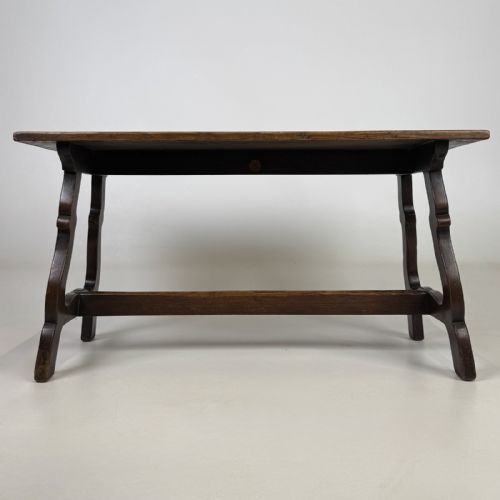
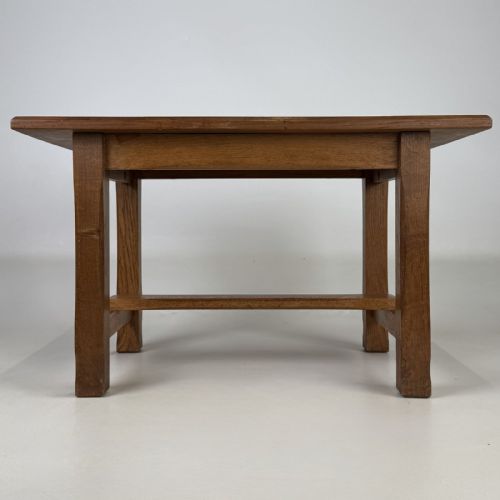
An antique oak stretcher table serves as a robust focal point in a room, offering surface space built from substantial timber. Buyers searching for an antique oak stretcher table encounter forms ranging from side tables and refectory tables to dining tables and tavern tables.
The pieces appearing across our inventory span the seventeenth, eighteenth, and nineteenth centuries, alongside examples from eighteen eighty and nineteen ten. Regional variations bring Spanish Baroque, Jacobean, and English traditional styles into the selection alongside broader Victorian pieces.
Side tables and small Queen Anne designs appear frequently, alongside larger dining formats and centre tables. Timber choice stays primarily with oak, though mahogany and brass also feature in the recorded archive.
How They Were Made
Joiners built these tables using solid oak timbers, shaping heavy tops and sturdy legs connected by low horizontal wooden braces known as stretchers. These structural additions provided lateral stability to frames that needed to support heavy daily use.
Construction techniques relied on traditional jointing methods to hold the dense wood together without modern adhesives. Brass components occasionally appear as supplementary hardware, while mahogany surfaces provide an alternative to the predominant oak.
Antique Oak Stretcher Table Retail Price Guide 2026
Typical asking prices for oak stretcher table among the pieces listed under this phrase on Sellingantiques today, from the lower quarter to the upper quarter. They describe what is for sale here now, not the wider market.
Recorded listings span the seventeenth century through to nineteen ten, with oak remaining the dominant material alongside occasional mahogany and brass.
What Varies in Quality
The distinction between standard examples and finer pieces rests in the character of the timber and the ambition of the regional style. Early seventeenth-century refectory formats and Spanish Baroque influences demonstrate a heavier sculptural presence than later nineteenth-century traditional builds.
Proportion and the integrity of the original stretcher base dictate the visual success of each piece. Tables retaining their early timber surfaces and honest patination stand apart from those altered or heavily restored over subsequent centuries.
The Antique Oak Stretcher Table Glossary
- Stretcher
- A horizontal wooden brace connecting the legs of a table near the floor to improve stability. This structural element defines the typology of the pieces listed.
- Refectory table
- A long dining table traditionally used in monastic or communal halls. These large formats utilise robust timber construction.
- Jacobean
- A decorative style spanning the early seventeenth century characterised by solid forms and restrained carved detail. Pieces from this period show deep historical patination.
- Queen Anne
- An eighteenth-century design phase favouring graceful curves and refined proportions. Tables from this era often feature slender supports and compact footprints.
- Side table
- A smaller utilitarian table designed to stand against a wall. These versatile items appear frequently in seventeenth and eighteenth-century oak.
Antique Oak Stretcher Table: Frequently Asked Questions
How do I style a stretcher table?
Position the table against a wall or in the centre of a room where the structural base remains visible.
Allow the timber surface to remain largely unburdened to showcase the grain and age.
What is an X stretcher?
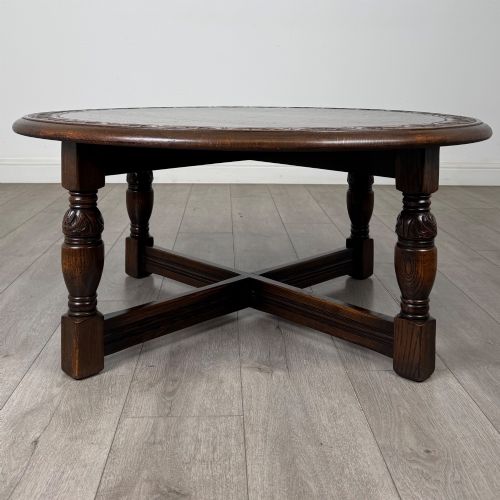
An X stretcher consists of crossed wooden braces forming an intersection beneath the table top.
This design provides both lateral strength and a distinct geometric profile.
Can I use an antique table daily?
Solid timber tables were originally built for heavy everyday utility and robust service.
Standard maintenance and sensible placement ensure they withstand modern domestic use.
How do I identify seventeenth-century oak?
Early oak displays deep medullary rays and an open grain structure developed over centuries.
Hand-cut joinery marks confirm the period of manufacture.