
Antique Oak Storage
Antique oak storage pieces are robust domestic vessels built to house household goods, bringing centuries of tactile grain and utilitarian charm into modern rooms.
What antique oak storage is
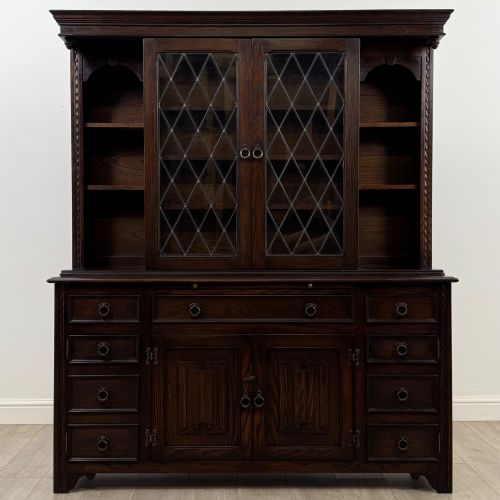
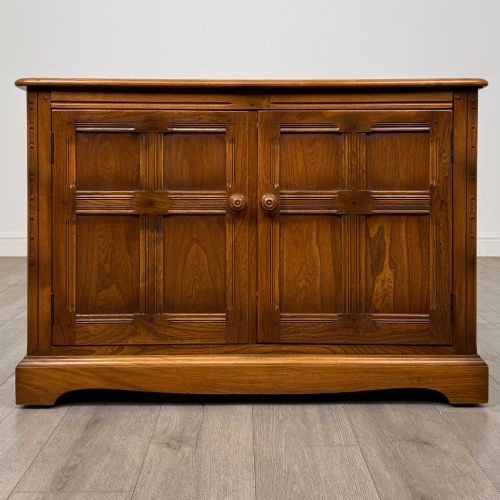
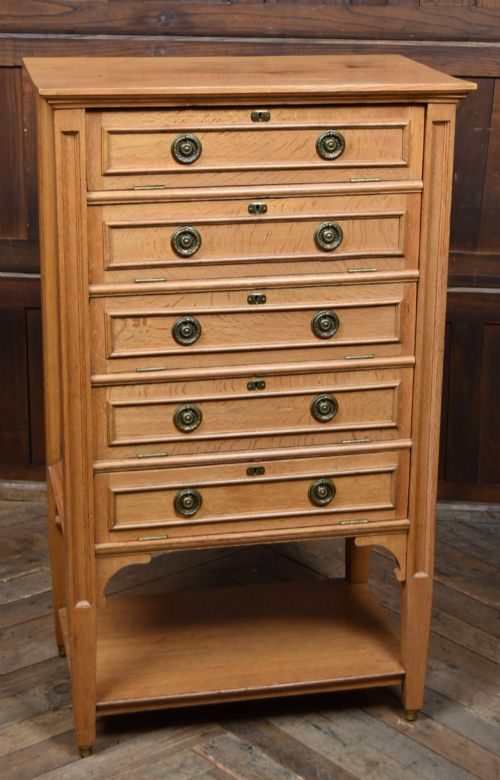
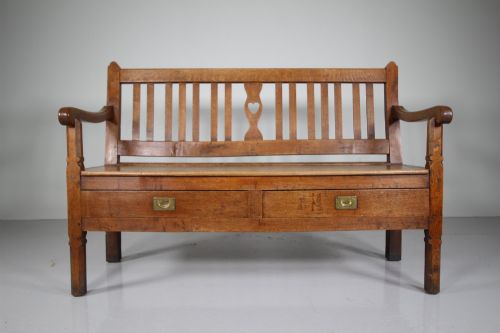
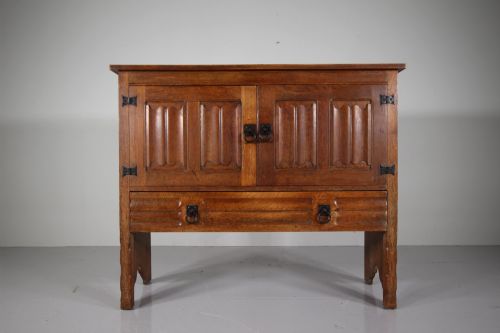
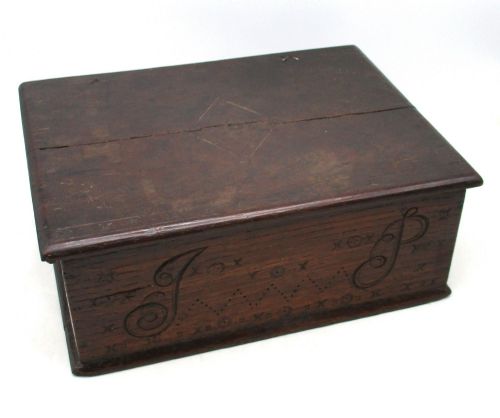
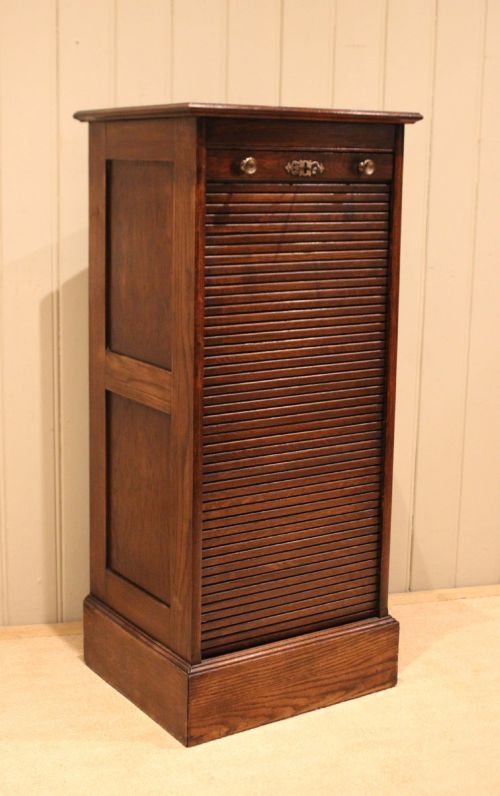
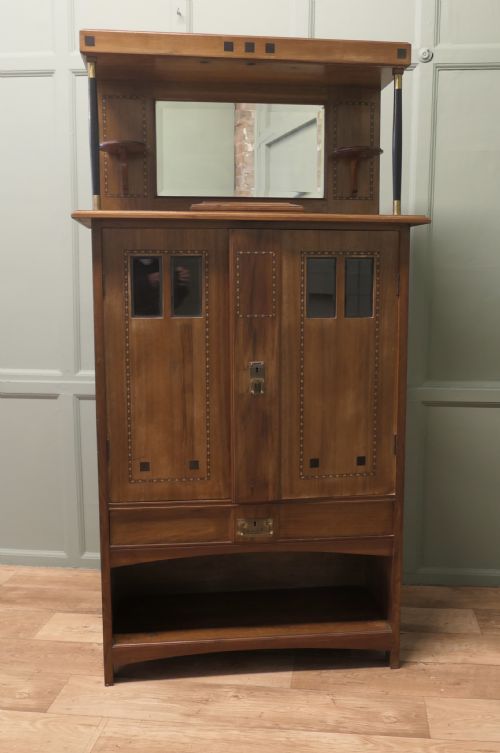
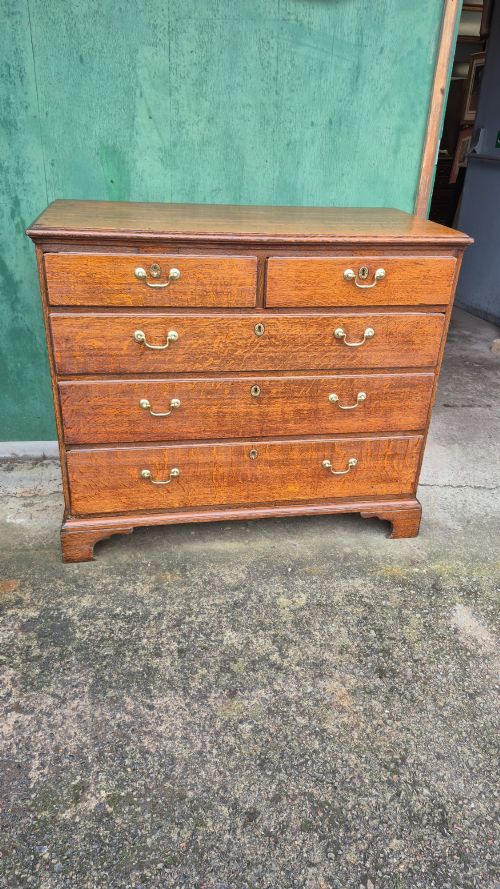
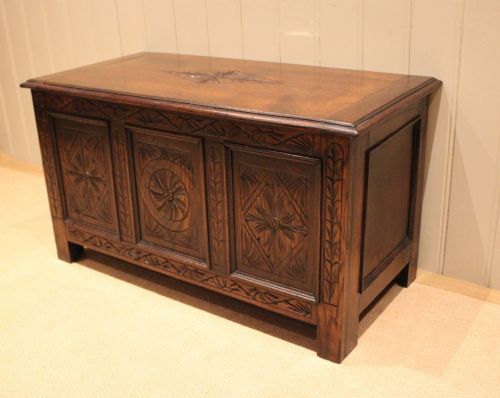
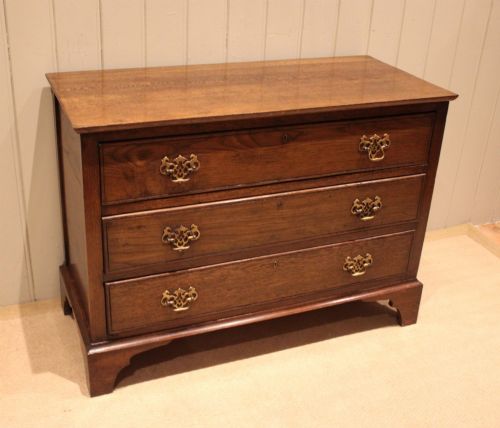
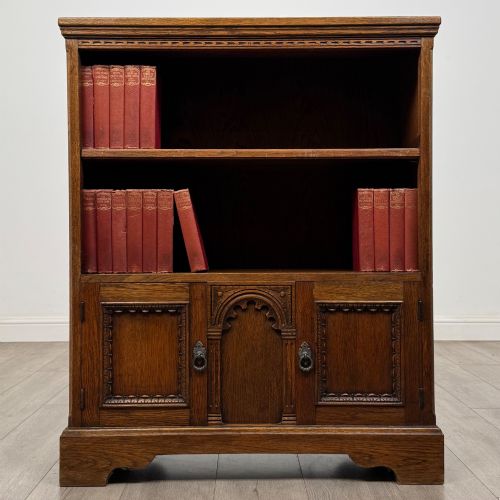
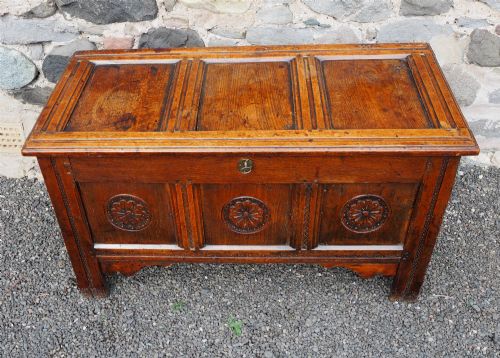
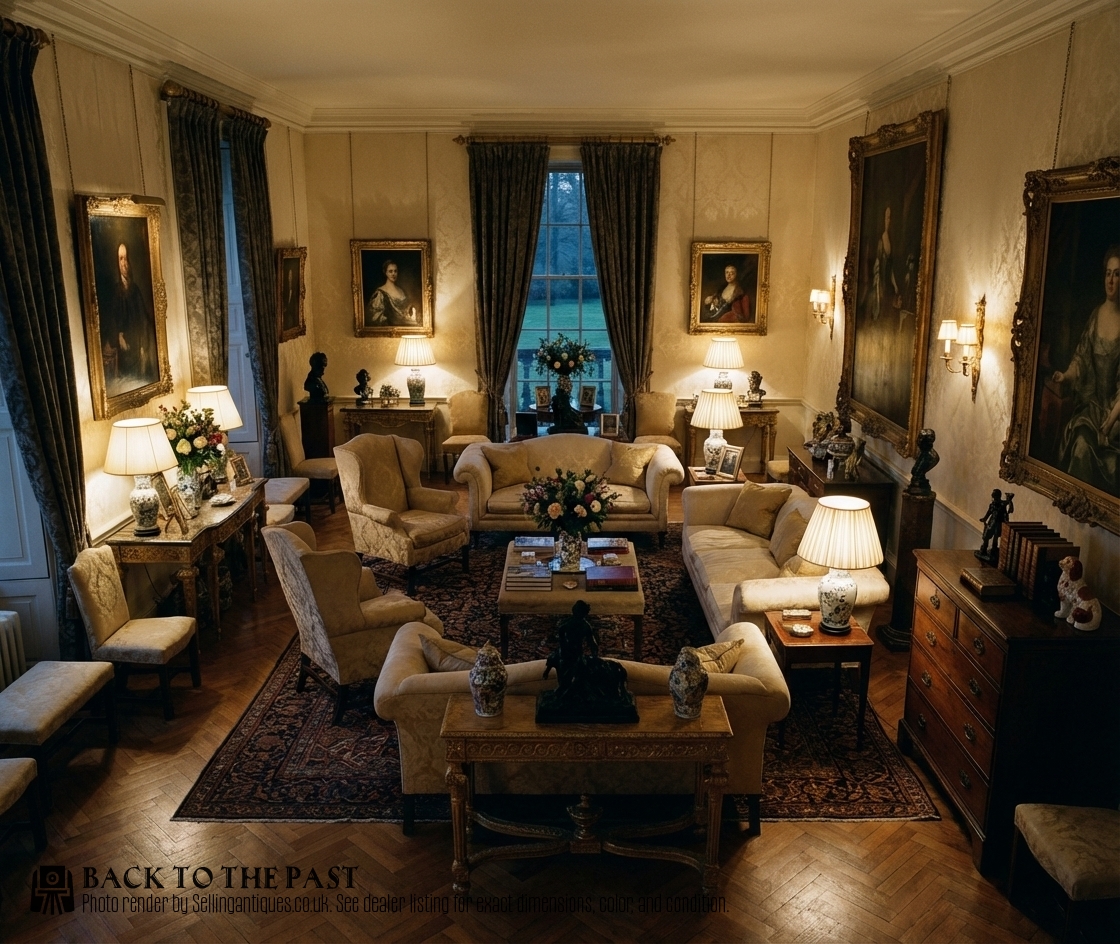
When you search for antique oak storage, you encounter a diverse array of sturdy domestic vessels built from durable timber to house everything from linen and documents to silverware and dry goods. The selection spans centuries of craftsmanship, ranging from early joined coffers and mule chests to Georgian chests of drawers, Edwardian wardrobes, and specialised medical or industrial cabinets.
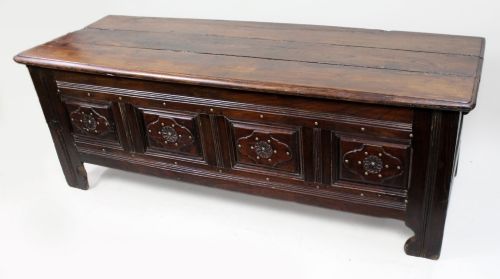
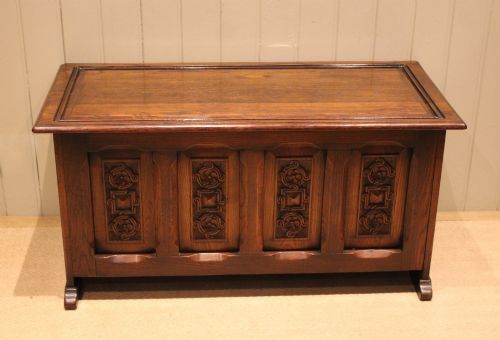
You are most likely to meet substantial Georgian coffers, seventeenth-century trunks, and various nineteenth-century chests of drawers on this page. These functional forms reflect generations of domestic utility, often incorporating brass hardware, carved panels, or specialised fitted interiors designed for specific household tasks.
How these pieces were made
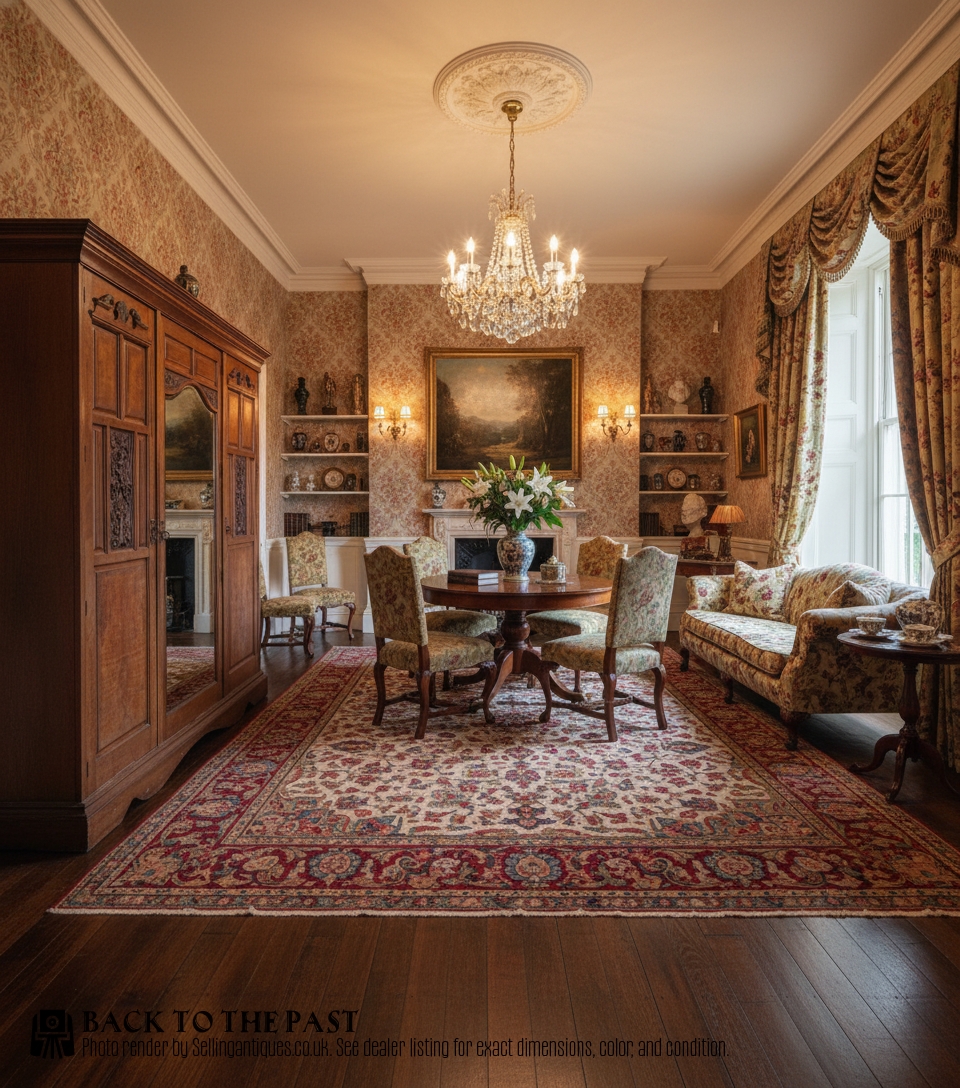
Cabinetmakers constructed these utilitarian items primarily from solid oak, sometimes embellishing surfaces with specialised timbers such as pollard oak or incorporating structural elements of brass, glass, and iron. Joinery methods relied on traditional pegged frames, dovetailing, and sturdy panel construction to withstand heavy daily use.
Surface treatments ranged from simple waxed finishes that highlighted the natural grain to elaborate Flemish carvings, coopered staves on barrels, and integrated brass drop handles or strap hinges.
Retail Price Guide 2026
Typical UK retail prices for oak storage, calculated from the Sellingantiques database of over a million retail prices indexed since 2003. This retail price guide relies exclusively on Sellingantiques data; no external sources or auction records are used, so the figures do not describe the wider market.
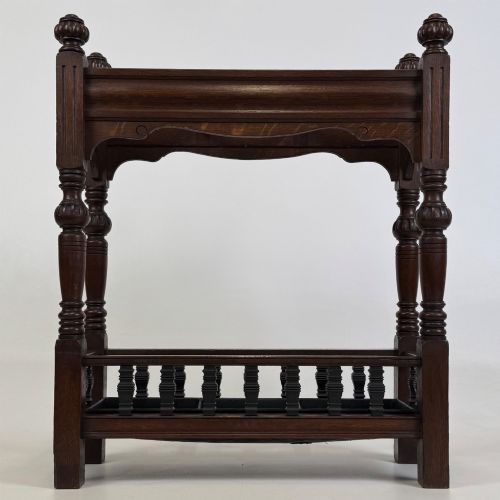
Some Victorian piano stools came equipped with hidden interior storage compartments, keeping sheet music neatly tucked away beneath the pianist.
What varies in quality
The distinction between standard utility items and superior examples rests upon the depth of the cabinetmaker's skill, evident in crisply executed carving, carefully selected timber grain, and robust structural joinery. Pieces featuring secondary woods of equal integrity, original hardware, and well-executed dovetails demonstrate a higher tier of production.
Proportion and surface patination further elevate certain items, where decades of handling produce a rich, warm glow across the oak boards without obscuring the original construction marks.
The Antique Oak Storage Glossary
- Coffer
- A large heavy box used for storing valuables or linen, typically fitted with a hinged lid and standing on stiles or feet. These sturdy trunks formed the backbone of early household storage before fitted closets became common.
- Mule chest
- A traditional storage chest featuring one or more drawers beneath the main lift-top compartment. This hybrid form bridges the gap between the primitive coffer and the modern chest of drawers.
- Coopered
- Constructed using vertical wooden staves bound tightly together with metal or wooden hoops, much like a barrel. This technique provided watertight or secure storage for dry goods and provisions.
- Pollard oak
- Timber taken from trees that have been pollarded, producing a highly figured, mottled grain pattern. Cabinetmakers utilised this decorative veneer to add rich visual texture to prominent furniture panels.
- Silver chest
- A heavy, often ironbound trunk lined to protect precious metal tableware during transport or storage. These robust boxes frequently include compartmentalised trays for organised cutlery placement.
Frequently Asked Questions
How do I date an oak coffer?
Dating an oak coffer requires examining the assembly methods, tool marks, and hinge types used in its construction. Hand- split boards, pegged mortise and tenon joints, and primitive hand-wrought iron hinges typically point to seventeenth or early eighteenth-century origins.
Later Victorian and Edwardian reproductions or adaptations often employ machine-cut timber, standardised screws, and lighter scantlings that distinguish them from genuine early examples.
How were silver chests used?
Silver chests were heavy, secure trunks designed to house and protect valuable tableware, flatware, and hollowware. They frequently featured reinforced iron straps, robust carrying handles, and specialised fitted interiors lined with baize or felt.
Wealthy households utilised these secure boxes to safeguard silver collections between uses or during transport from one estate to another.
Where did people keep linen?
Households stored household linen, sheets, and garments in large oak coffers, mule chests, and estate cupboards. Before built-in wardrobes became standard in domestic architecture, these freestanding wooden vessels protected textiles from dampness and pests.
Placing these storage pieces in bedrooms, hallways, or galleries kept essential fabrics close at hand while displaying the quality of the family's furnishings.