

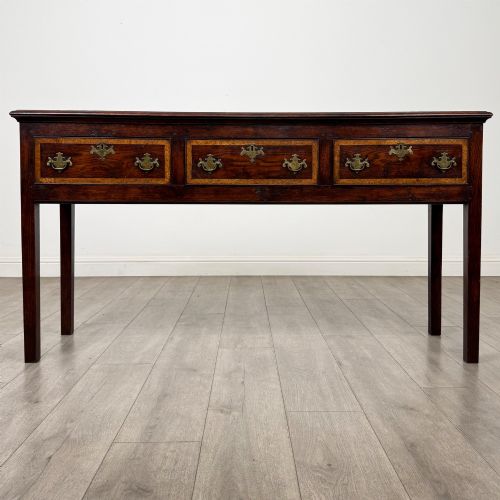
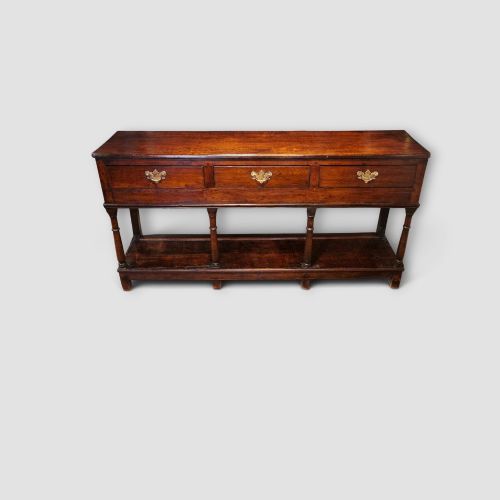
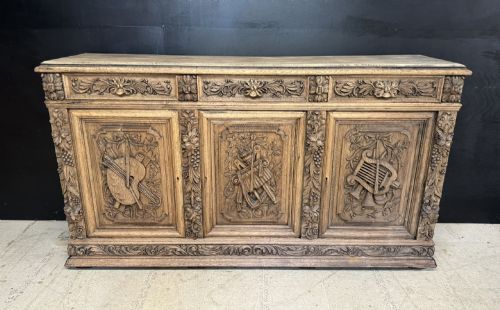
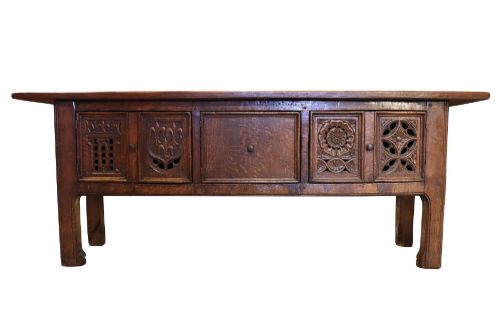
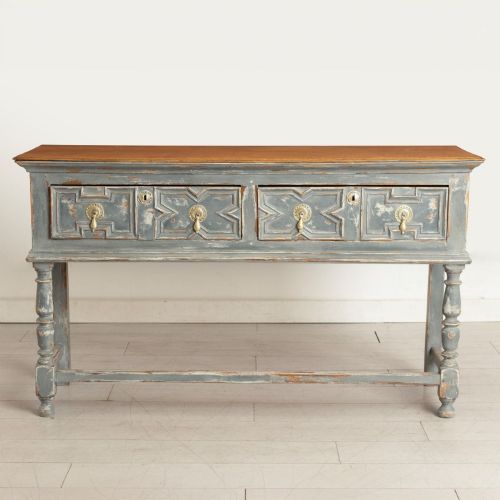
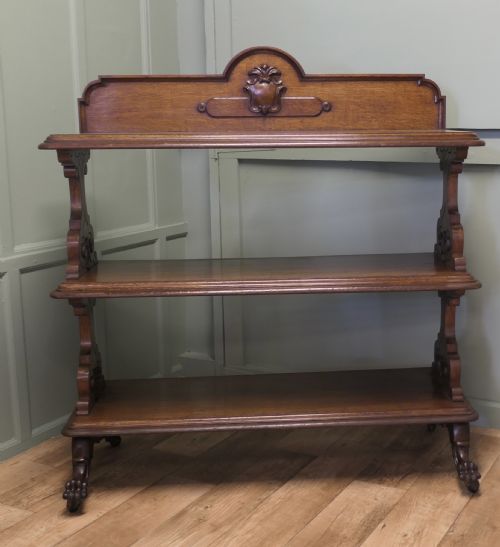
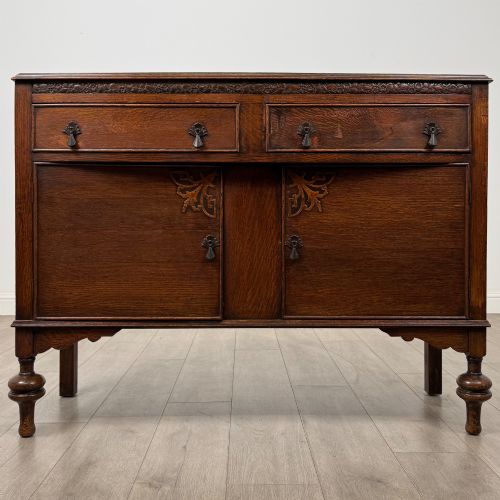
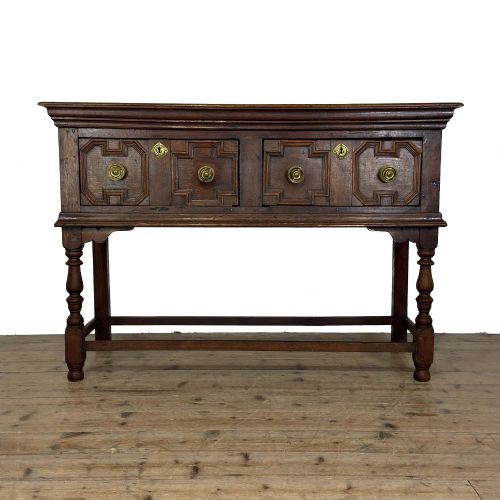
Antique Oak Sideboard Table
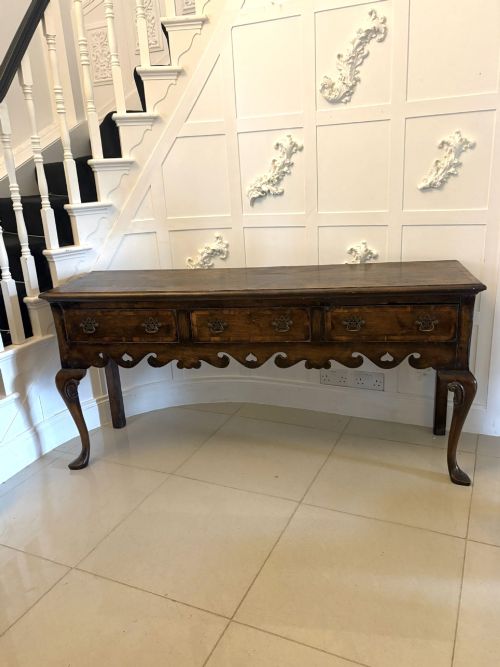
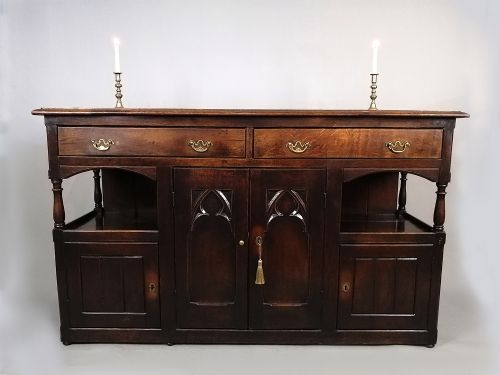
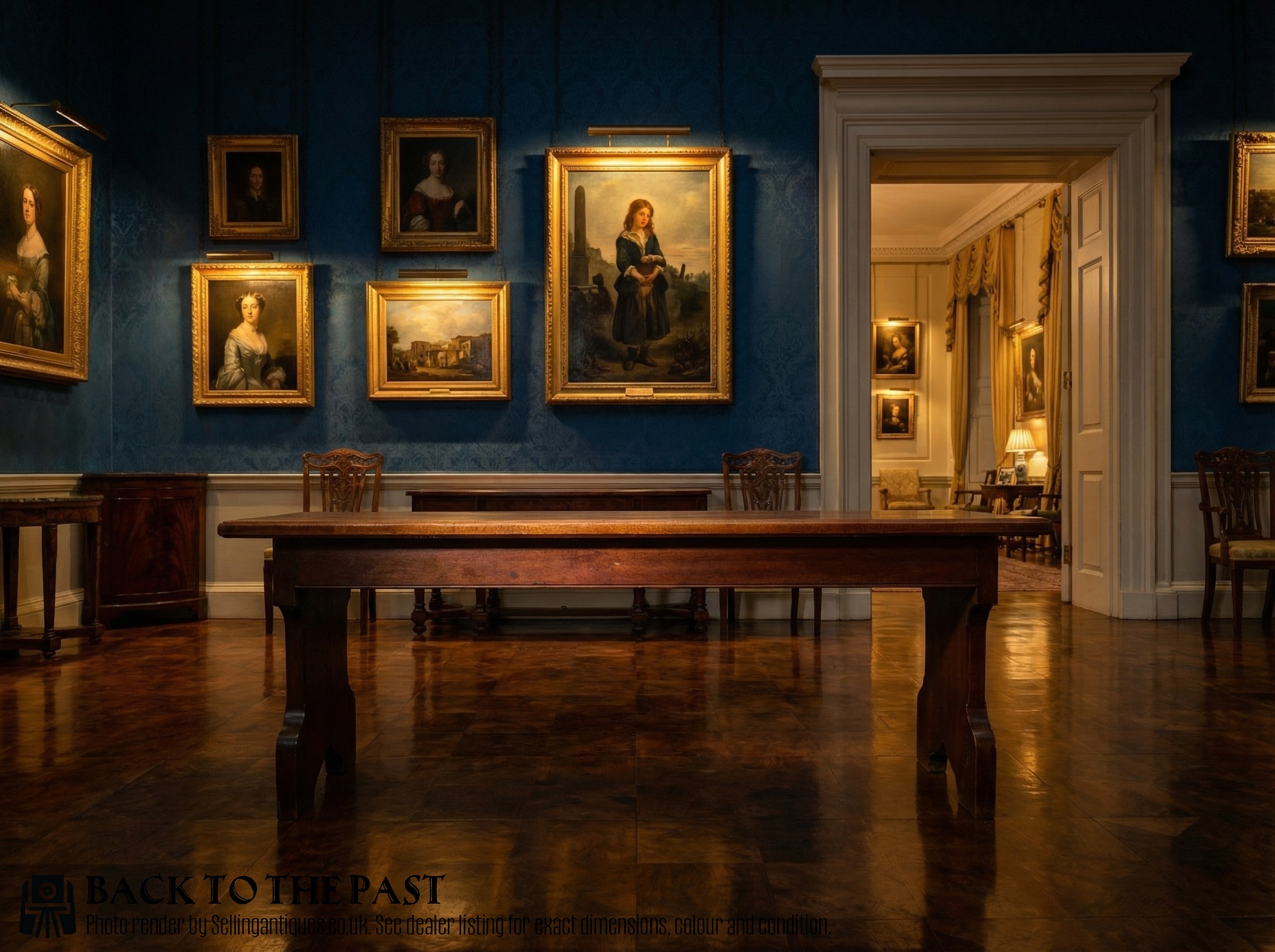
An antique oak sideboard table brings heavy timber, pegged construction, and centuries of domestic utility straight into a modern hall or dining room.
What these pieces are
The search phrase antique oak sideboard table covers a heavy group of utilitarian furniture primarily built for serving, storage, and food preparation in domestic spaces. These pieces cross several centuries, moving from the joined framing of earlier epochs into later regional variations.
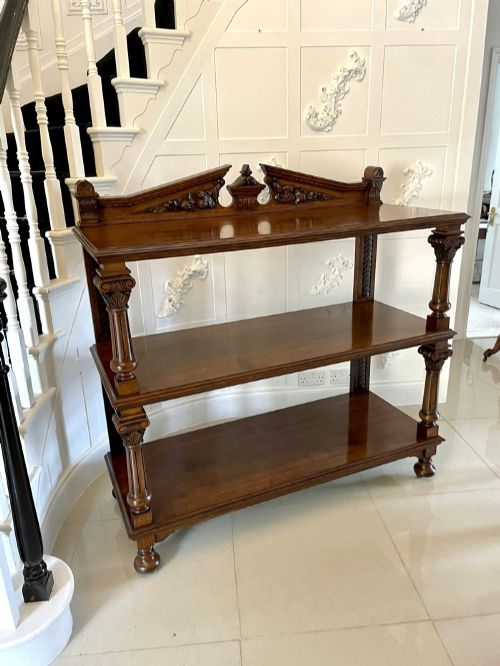
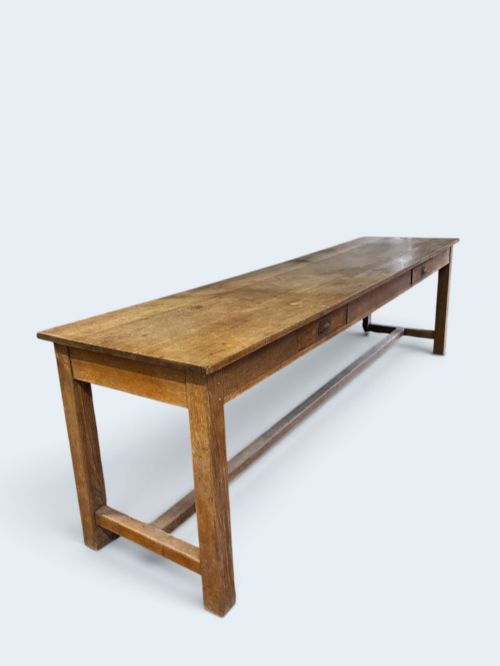
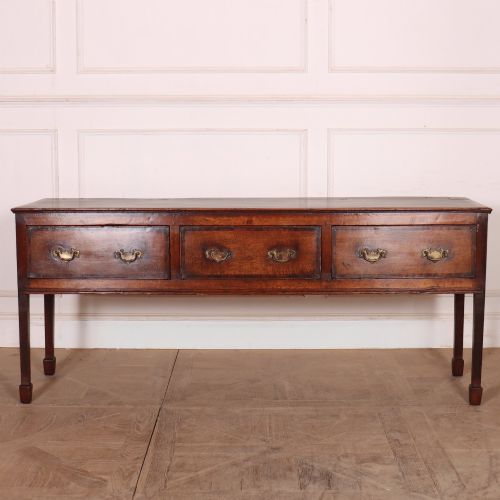
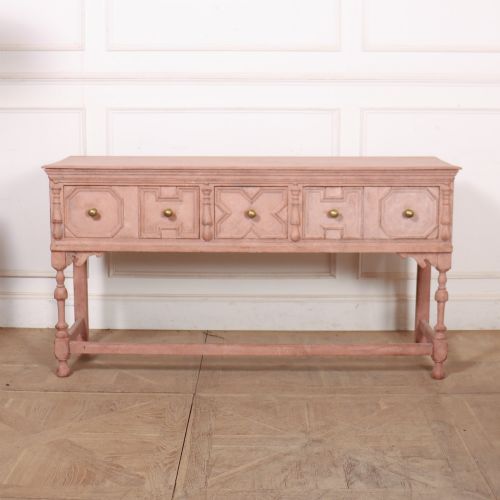
Buyers are most likely to meet forms described as dresser bases, serving tables, and console tables within this selection. These items typically feature long rectangular tops supported by sturdy legs, often incorporating lower boards or drawers.
The origins span seventeenth century vernacular work through eighteenth century Georgian country pieces and into nineteenth century Victorian revivals. Each era brings distinct proportions and surface treatments to the basic oak carcass.
How they were made
Makers built these pieces primarily from solid oak, utilising heavy planks for tops and structural framing. Joinery relied on traditional pegged mortise and tenon joints to withstand decades of daily use without metal fasteners.
Metal elements like brass and iron appear in functional hardware such as drop handles, drawer pulls, and structural hinges. Surfaces finished through hand planing and scraping, often developing deep patination over generations of polishing.
Retail Price Guide 2026
Typical UK retail prices for oak sideboard table, calculated from the Sellingantiques database of over a million retail prices indexed since 2003. This retail price guide relies exclusively on Sellingantiques data; no external sources or auction records are used, so the figures do not describe the wider market.
Early makers ensured these tables could handle heavy pots by building in pot boards to keep kitchen clutter off the flagstone floors.
What varies in quality
Quality rests in the integrity of the original timber and the restraint of subsequent restoration. Earlier seventeenth century examples command attention through untouched surface patination and honest timber shrinkage.
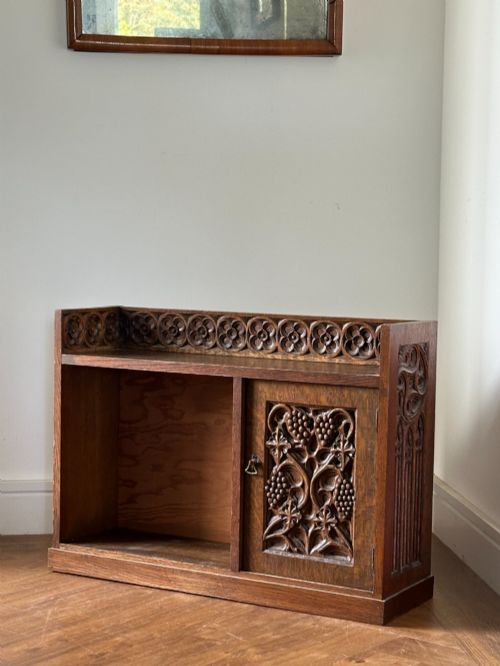
Later nineteenth century pieces show varying degrees of decorative ambition, ranging from plain functional servers to heavily carved Gothic surfaces. The purity of the original form and the preservation of secondary woods dictate the standing of each piece.
The Antique Oak Sideboard Table Glossary
- Dresser base
- The lower section of a kitchen or dining dresser, typically fitted with rows of drawers above cupboards or an open pot board.
- Pot board
- A low horizontal shelf fitted between the legs of a table or dresser base, historically used for storing heavy pots and utensils.
- Mortise and tenon
- A traditional woodworking joint where a projecting tongue fits snugly into a square hole, secured with wooden pegs.
- Patina
- The lustrous surface finish developed on aged wood through decades of handling, wax application, and oxidation.
- Console table
- A long narrow table designed to stand against a wall, frequently serving a functional role in a hallway or dining room.
Frequently Asked Questions
How do I date an oak table?
Dating relies upon examining the construction methods, tool marks, and overall joinery style of the carcass. Seventeenth century pieces utilise heavy pegged framing, while later periods introduce different drawer linings and leg profiles.
Changes in hardware, timber thickness, and surface wear patterns also help establish the chronological origin of each individual piece.
Where should I place a sideboard?
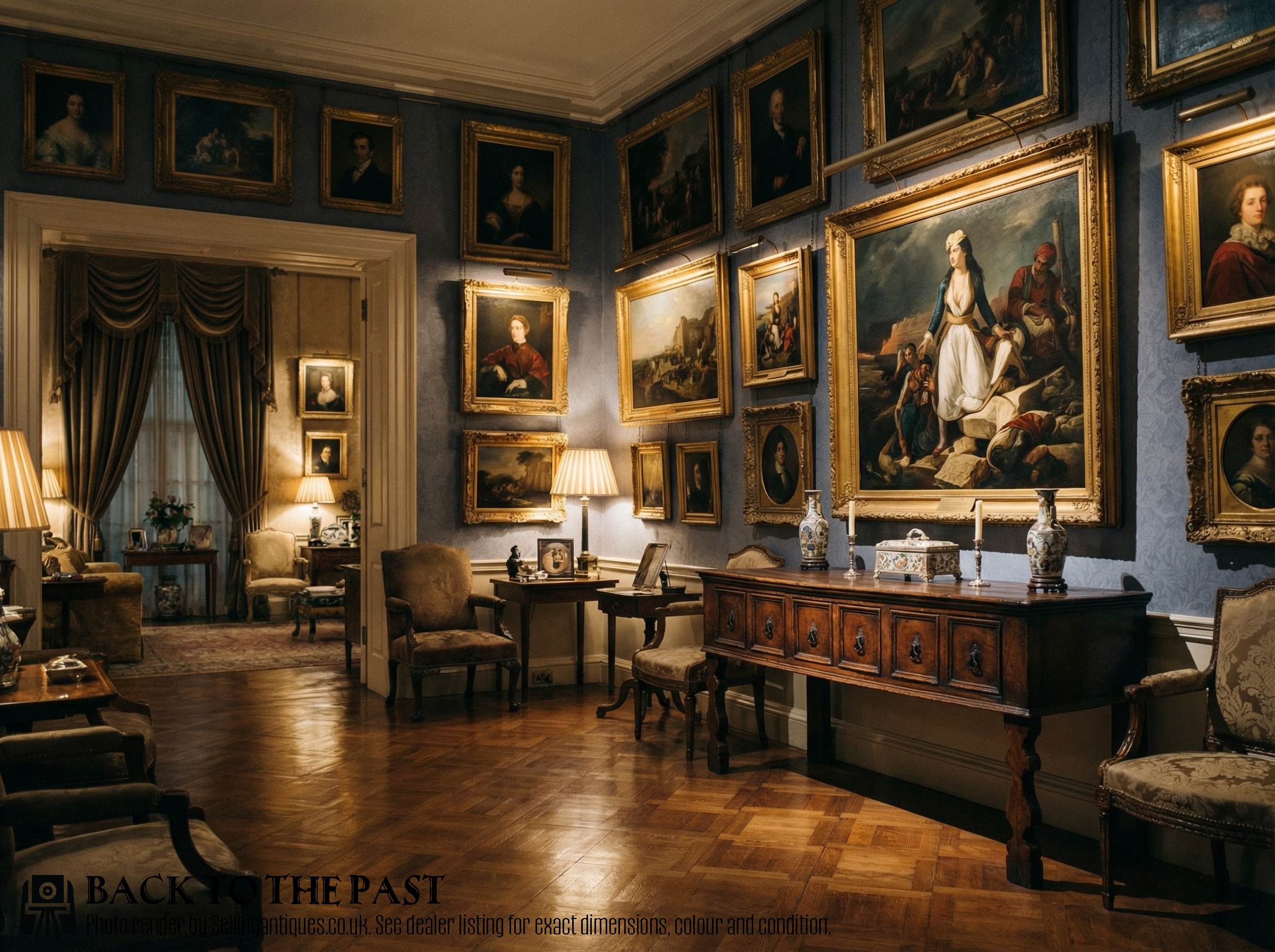
These long tables suit dining rooms, grand hallways, and spacious living areas where their length can be fully appreciated. They provide useful surface space for lamps, serving dishes, or decorative objects.
Keep them away from direct heat sources and strong sunlight to protect the historic timber and finish from drying out.
Are these tables solid oak?
The listings here feature solid oak construction across the primary surfaces and structural frames. Makers selected oak for its abundant strength and density.
Secondary timbers may appear in hidden areas such as drawer linings or backing boards, consistent with period workshop practices.