

Antique Oak Drawers
Antique oak drawers span centuries of utilitarian design, offering sturdy timber storage solutions shaped by Georgian, Victorian, and Edwardian hands.
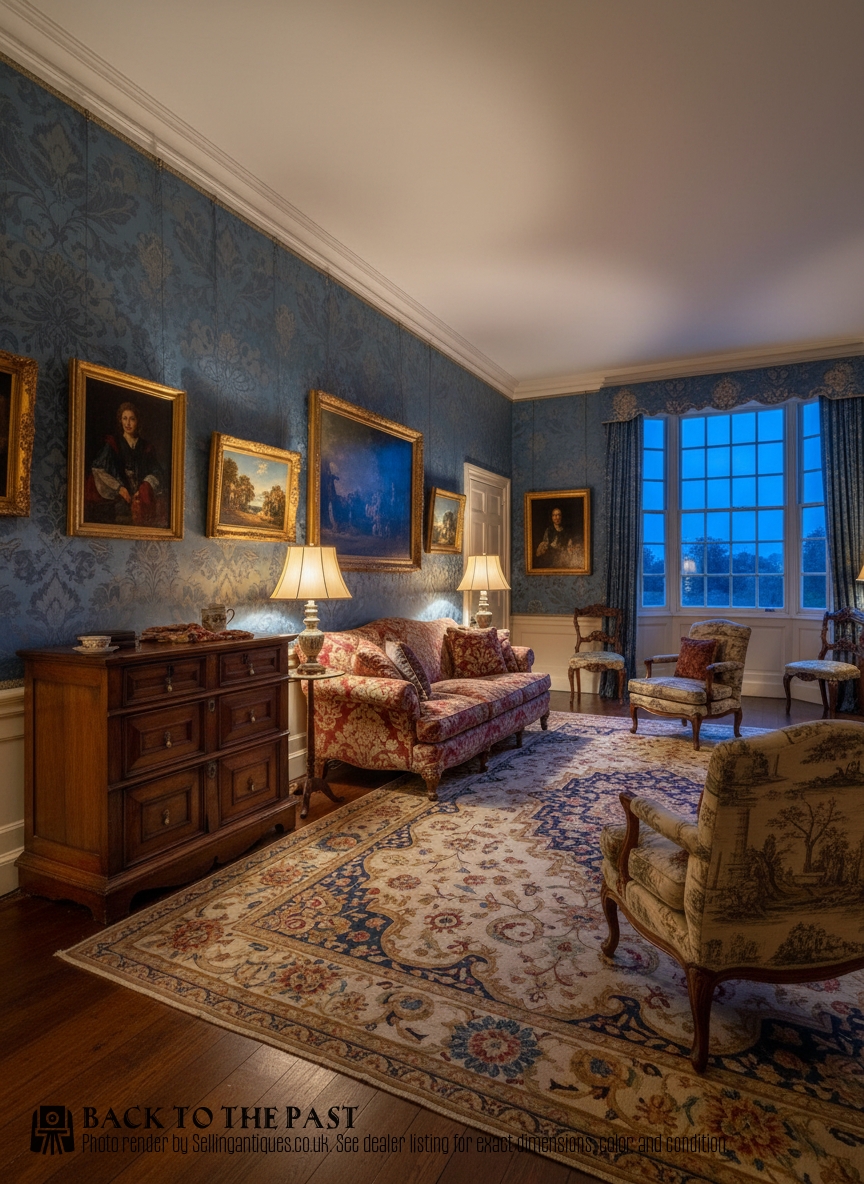
Antique Oak Drawers
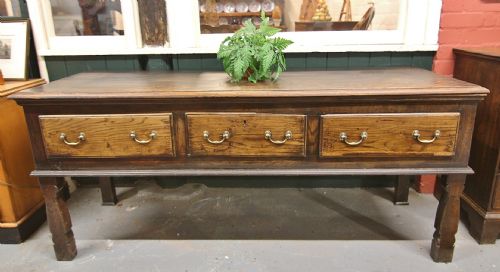
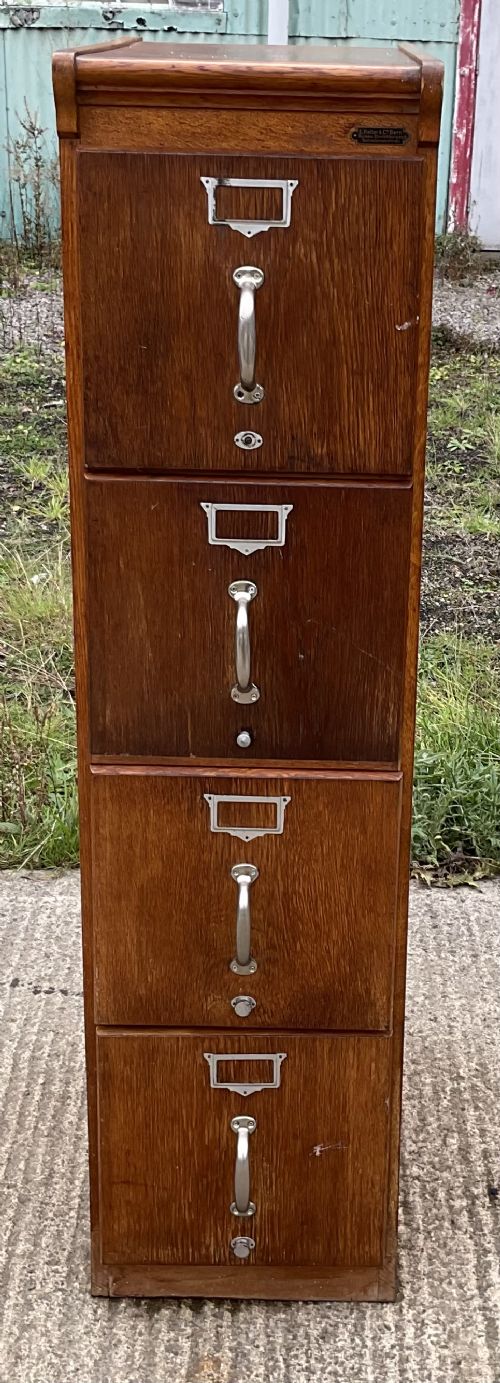
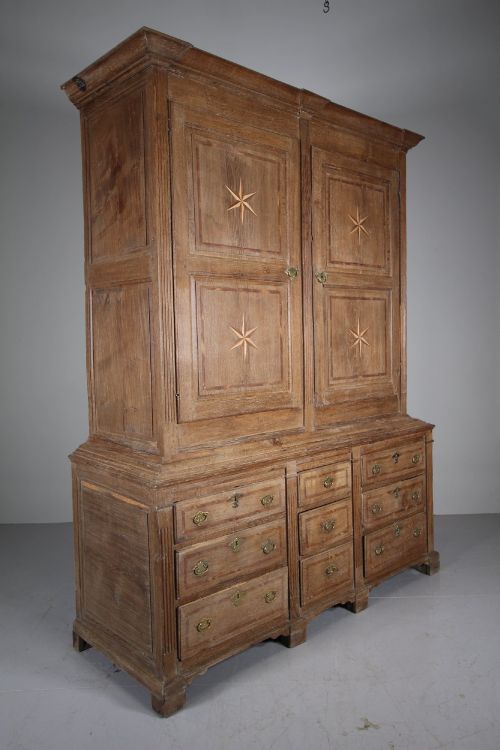
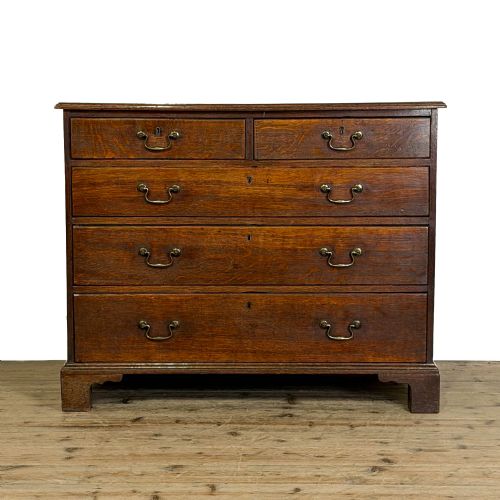
When searching for antique oak drawers, buyers encounter pieces ranging from substantial 17th-century mule chests to compact Edwardian bedroom storage and utilitarian filing cabinets.
The selections span distinct periods including Georgian, Victorian, and early 20th-century eras, reflecting shifts in domestic utility and stylistic revival.
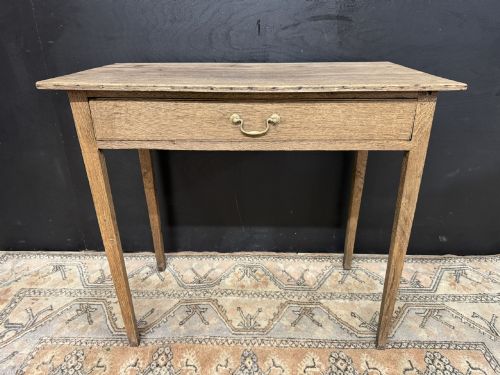
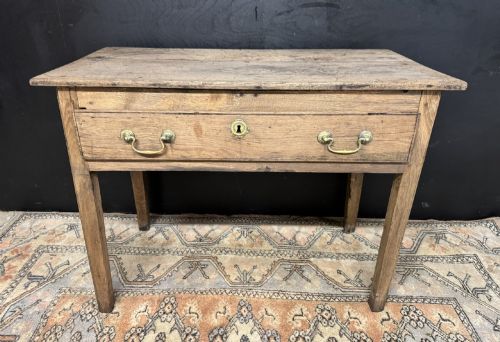
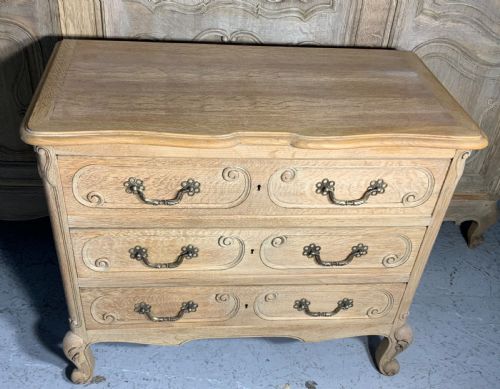
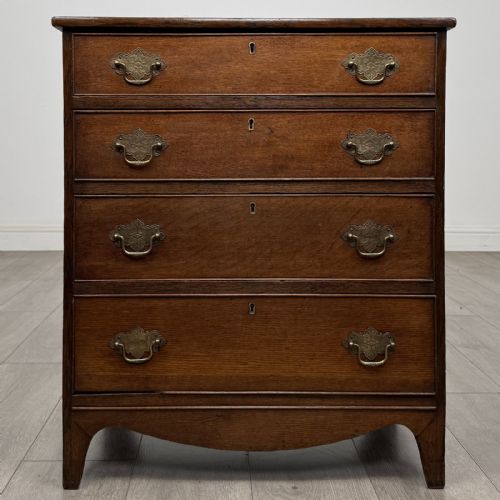
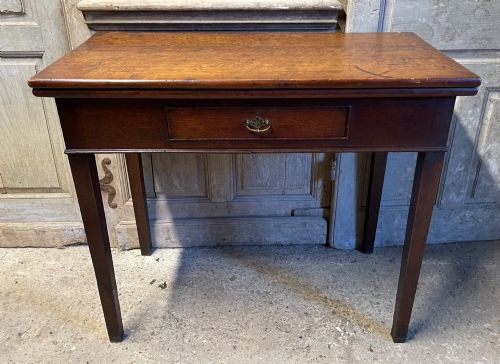
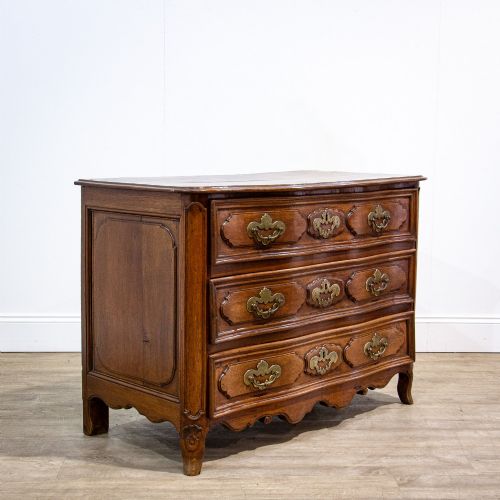
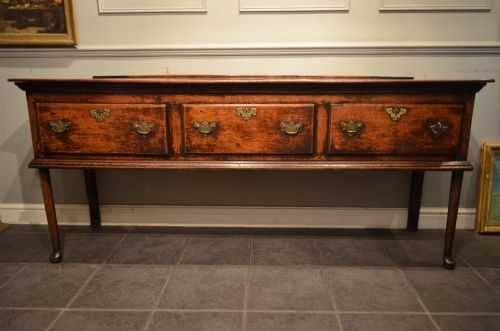
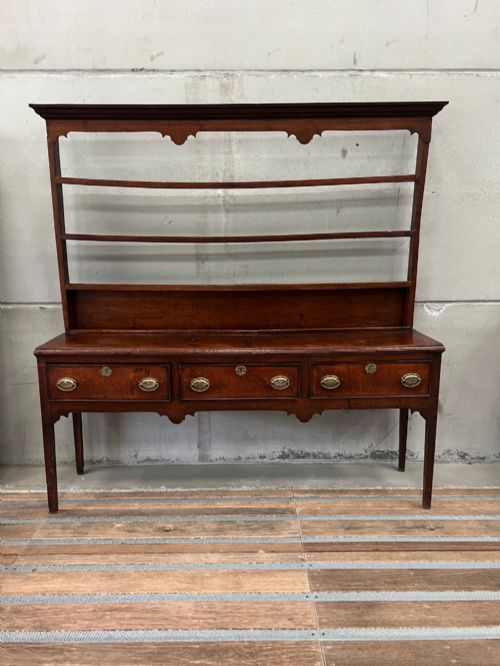
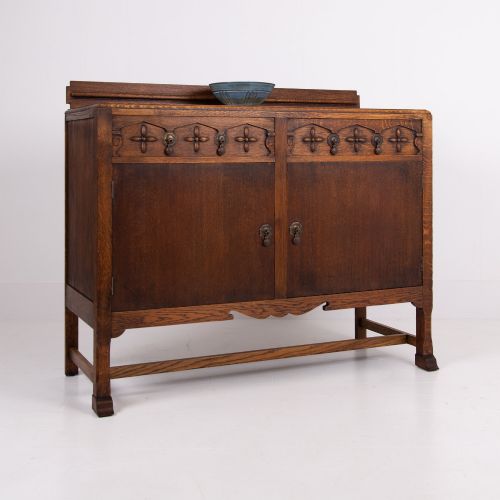
Common forms on this page include tall chests, lowboys, sideboards, and bureau variations designed for practical organisation in domestic spaces.
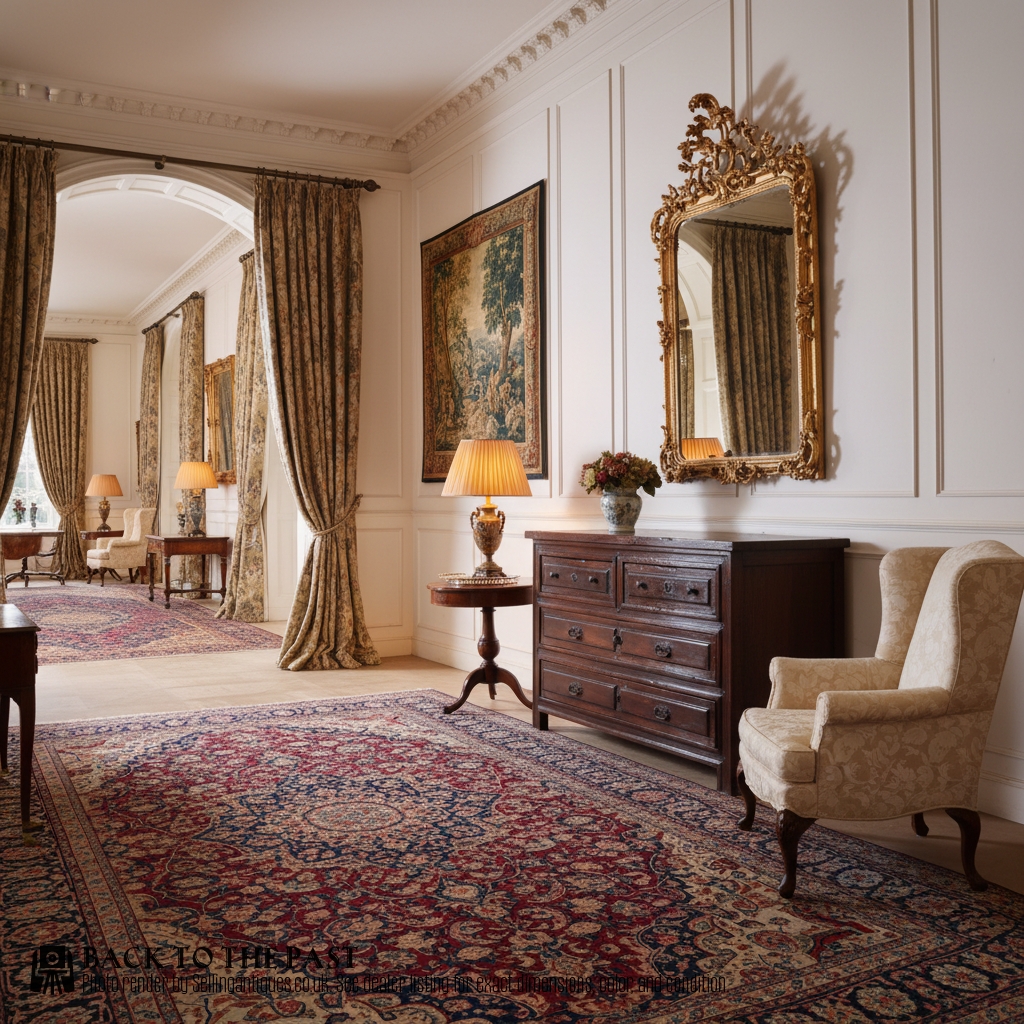
Materials and Construction
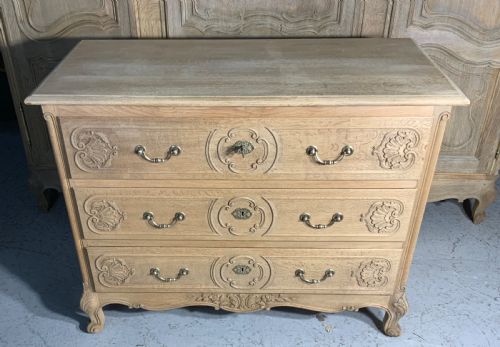
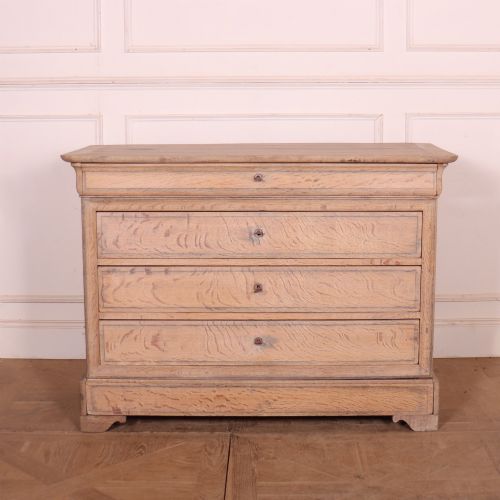
Makers utilised solid oak alongside specialised finishes such as bleached oak, golden tones, and marquetry inlay to articulate the timber's natural grain.
Hardware details incorporate cast brass handles and iron fittings that secure structural joints and drawer mechanisms.
Secondary decorative elements include hand-carved linenfold panels, Green Man motifs, and glass glazing seen on specific revival and arts & crafts pieces.
Antique Oak Drawers Retail Price Guide 2026
Typical asking prices for oak drawers among the pieces listed under this phrase on Sellingantiques today, from the lower quarter to the upper quarter. They describe what is for sale here now, not the wider market.
Some Victorian oak drawers stare back with carved Green Man grotesques hidden amongst the foliage.
Assessing Craftsmanship and Condition
Gradations in quality depend on the tightness of timber joinery, the selection of figured oak boards, and the integrity of internal drawer construction.
Refinement shows in the depth of hand-carving, such as linenfold or grotesque details, and the survival of original brass or iron hardware.
Purity of period form, whether strict Georgian proportions or Arts & Crafts simplicity, dictates the standing of individual examples.
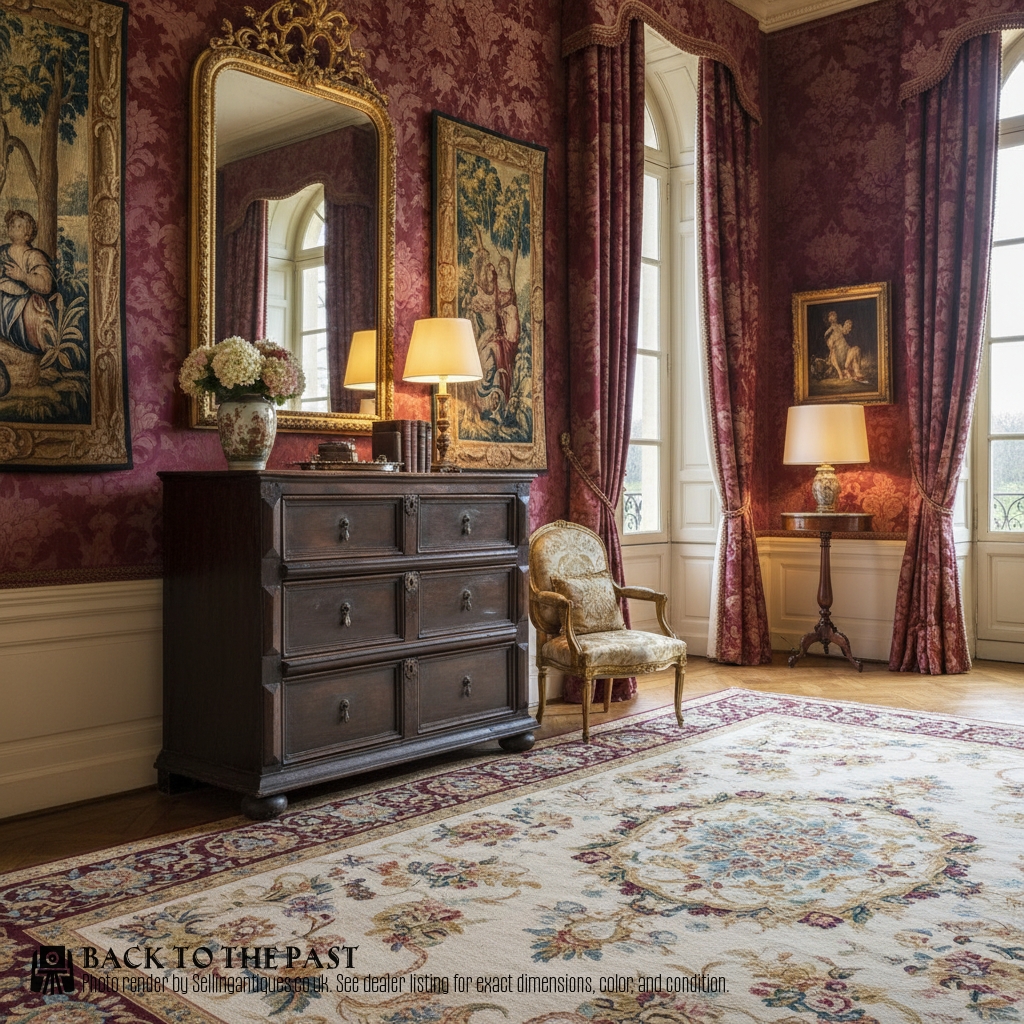
Heals Of London
The Antique Oak Drawers Glossary
- Mule chest
- A storage chest featuring one or more functional drawers built into the base beneath the main compartment. This form bridges the evolution from simple coffers to multi-drawer furniture.
- Lowboy
- A small oak side table fitted with one or more rows of drawers, typically standing on slender legs. These tables served as dressing or writing surfaces in domestic interiors.
- Linenfold
- A carved wooden panel motif imitating folded vertical lengths of fabric. This decorative technique appears frequently on revival bureau and cupboard doors.
- Kneehole desk
- A writing table with a recessed central space for the legs, flanked by pedestals of stacked drawers. They provide compact writing and storage capacity.
- Potboard dresser
- A kitchen or dining sideboard featuring an open lower shelf for storing pots and earthenware beneath a set of drawers and upper shelving.
Antique Oak Drawers: Frequently Asked Questions
How do I date an oak chest?
Dating relies on observing construction methods, timber grain, and stylistic markers native to periods like the 18th Century or Edwardian era. Dovetail joints and hardware types provide reliable chronological clues.
Examining the backboards and drawer linings reveals tool marks and wood shrinkage patterns consistent with specific centuries of manufacture.
Are these drawers suitable for daily use?
Solid oak construction provides exceptional structural durability, making these pieces well-suited for contemporary bedroom and living room storage. Smooth drawer runners depend on historical maintenance and timber conditioning.
Maintaining moderate room humidity prevents the solid wood panels from warping or binding within their frames.
What is golden oak?
Golden oak refers to timber finished to highlight a warm, honey-toned lustre rather than dark fumed or polished surfaces. This lighter hue gained popularity during late Victorian and Edwardian periods.
Such finishes showcase the natural medullary rays inherent in quarter-sawn oak boards.
How do I care for antique oak?
Preserving the timber involves applying natural beeswax periodically and avoiding direct placement near heat sources. Excessive dryness causes splits in historic wood panels.
Cleaning should be performed with a soft, dry cloth without harsh chemical sprays that degrade the historic patina.