

Antique Oak Chest Bureau
An antique oak chest bureau combines the practical storage of a chest of drawers with a fitted writing surface, making it a robust workspace.
Antique Oak Chest Bureau
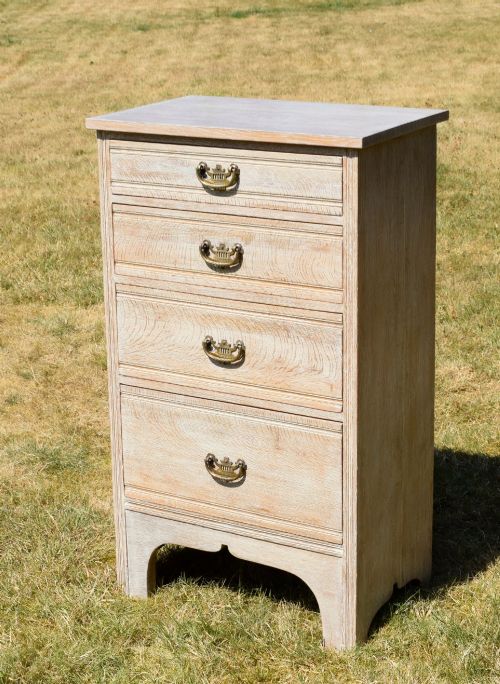
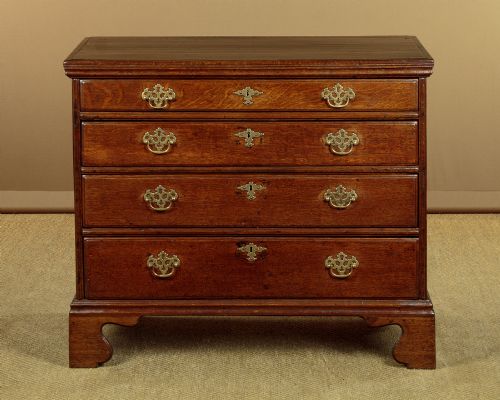
When searching for an antique oak chest bureau, buyers encounter a dual-purpose piece that merges deep drawer storage with a fold-down writing flap or a dedicated upper desk compartment. These hybrid items serve as writing desks and linen stores, appearing in configurations from simple fall-front boxes to grand bureau bookcases.
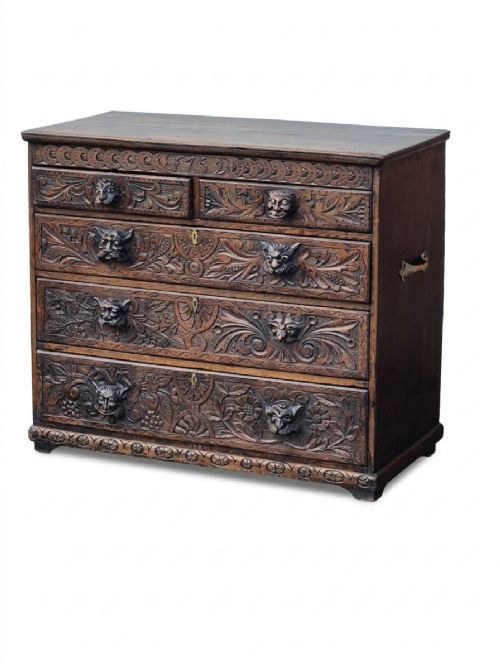
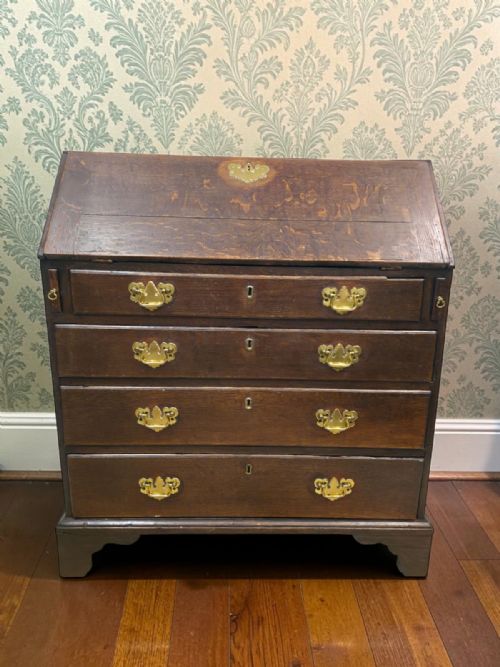
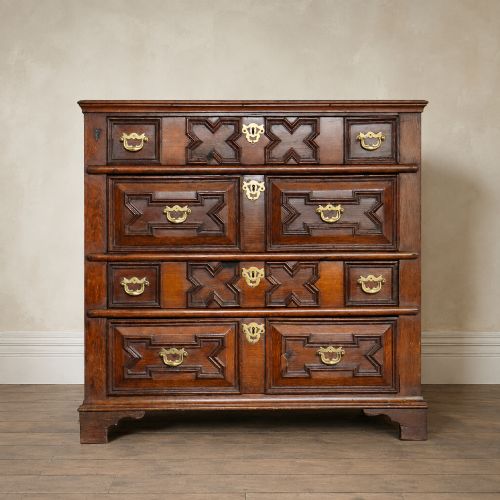
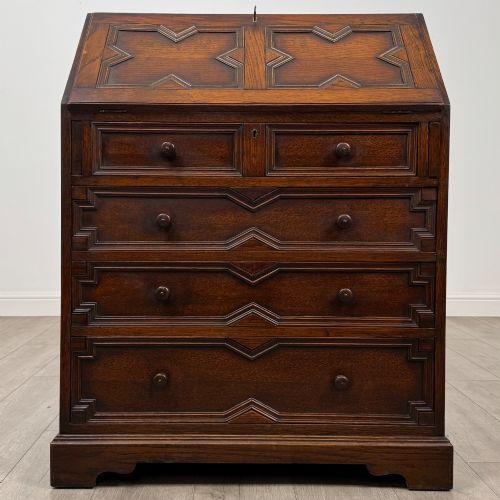
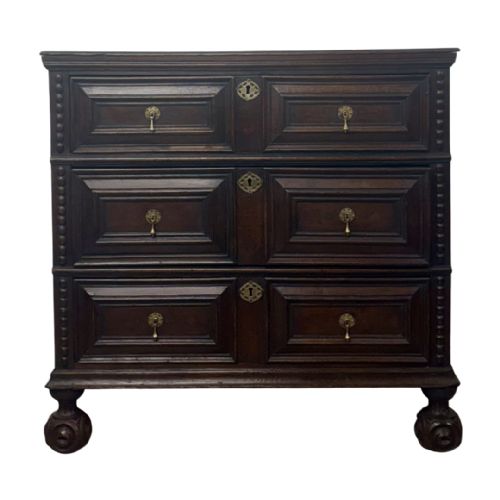
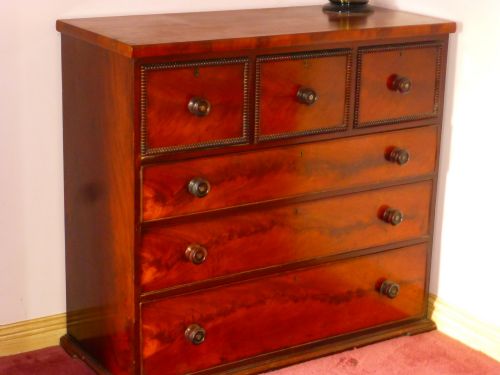
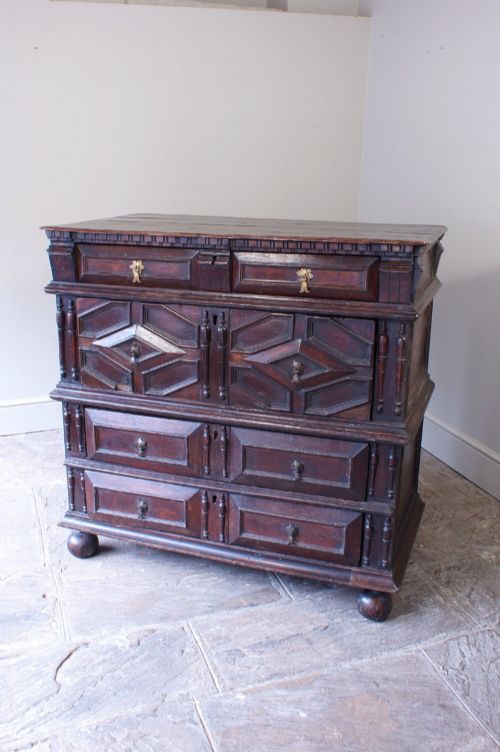
The examples on this page span several centuries, with robust 17th-century pieces featuring geometric mouldings sitting alongside refined Georgian writing desks and later Edwardian interpretations. Solid oak construction dominates, occasionally augmented by mahogany linings or subtle wood inlay.
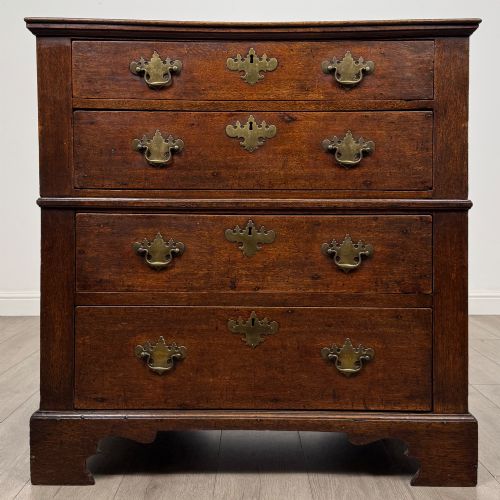
Buyers are most likely to meet straightforward Georgian and 18th-century forms alongside Edwardian revivals, offering practical proportions for contemporary rooms. Each version balances the utility of deep drawers with a slope for correspondence.
Materials and Construction
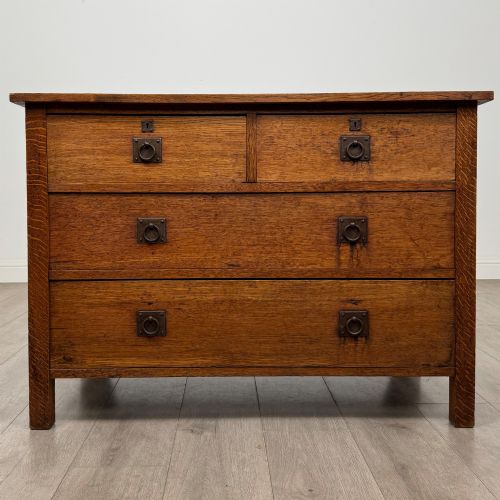
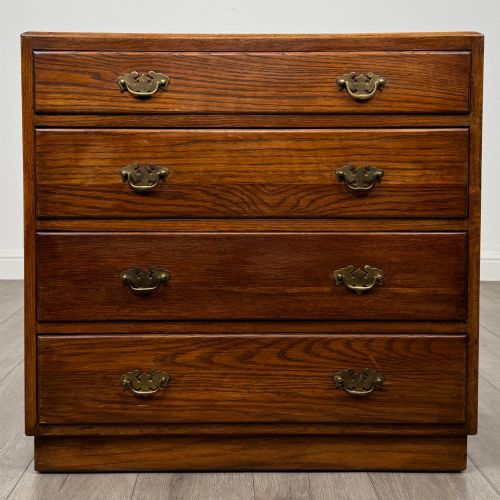
Cabinetmakers built these pieces primarily from solid oak, utilising its natural strength and pronounced grain to create durable frames and drawer carcases. Secondary timbers such as mahogany sometimes appear in linings or internal fittings, while brass drop handles and iron locks provide secure fastening.
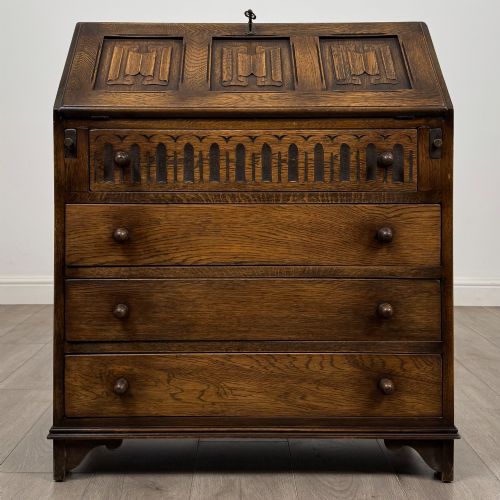
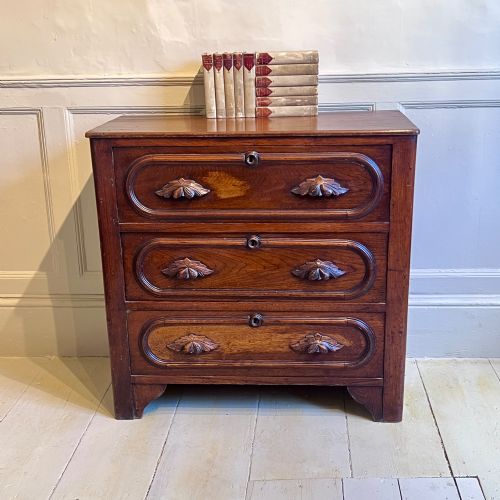
Early periods relied on geometric mouldings, planked construction, and hand-carved panels, whereas later Edwardian workshops utilised limed finishes and carved linenfold motifs. Wood inlay and glass panels occasionally accent the upper bureau bookcases, displaying varied regional joinery traditions.
Listings feature oak alongside mahogany, brass, and glass, spanning periods from the 17th century through the Georgian era to Edwardian revivals.
Distinctions in Execution
The distinction between ordinary and exceptional pieces lies in the crispness of the carving, the thickness of the timber boards, and the retention of original brass hardware. Earlier pieces with untouched geometric drawer fronts and authentic panel construction command greater interest.
Internal arrangement also dictates standard, as fitted compartments with secret drawers and pigeonholes reflect superior craftsmanship compared to plain interiors. The integrity of the oak surface, whether showing a deep historic patina or a lighter Edwardian finish, defines the overall presence.
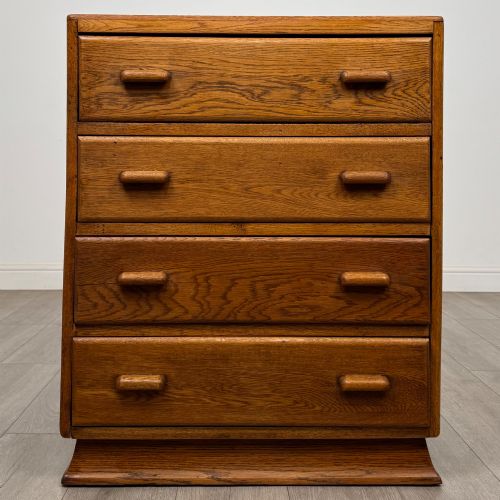
Harris Lebus
The Antique Oak Chest Bureau Glossary
- Bureau
- A writing desk featuring a sloping fall-front flap that opens to reveal internal pigeonholes and small drawers. It often sits atop a chest of drawers.
- Fall-front
- The hinged writing flap of a bureau that drops down to form a horizontal desk surface. It is typically supported by wooden lopers when open.
- Geometric moulding
- Raised decorative panelling applied to drawer fronts in repeating symmetrical patterns, most commonly found on 17th-century pieces.
- Bureau bookcase
- A tall two-part piece combining a lower writing bureau with an upper glazed cabinet for storing books. These often feature astragal glass doors.
- Linenfold
- A carved wooden motif resembling folded parchment or linen cloth, frequently seen on Edwardian panels.
Antique Oak Chest Bureau: Frequently Asked Questions
How do I date an oak bureau?
Dating relies on construction methods, timber choice, and hardware styles. Early pieces display hand-cut joinery and heavy oak boards, while 18th and 19th-century examples show refined drawer linings.
Secondary woods and surface patination provide further clues to the manufacturing period, distinguishing 17th-century work from later Edwardian revivals.
What is the difference between a bureau and a chest?
A standard chest of drawers provides stacked storage for garments and household items. A bureau adds a writing surface via a hinged flap.
When combined, the piece functions as both a domestic storage unit and a working desk for correspondence.
Are these pieces suitable for daily use?
Solid oak construction and sturdy drawer carcases make these items remarkably durable for modern interiors. The heavy timber withstands regular opening and closing.
Writing flaps should be treated with care, using the supporting lopers to prevent strain on the hinges when writing.
Did oak chests always have brass handles?
Early 17th-century pieces frequently utilised wooden knobs or iron drop handles before brass hardware became standard in later periods. Replacements are common on older items.
Original brasses add significantly to the character and authenticity of Georgian and 18th-century examples.