
Antique Oak Carving
Antique oak carving describes solid timber panels, furniture elements and figural reliefs spanning from the fifteenth century to the early twentieth.
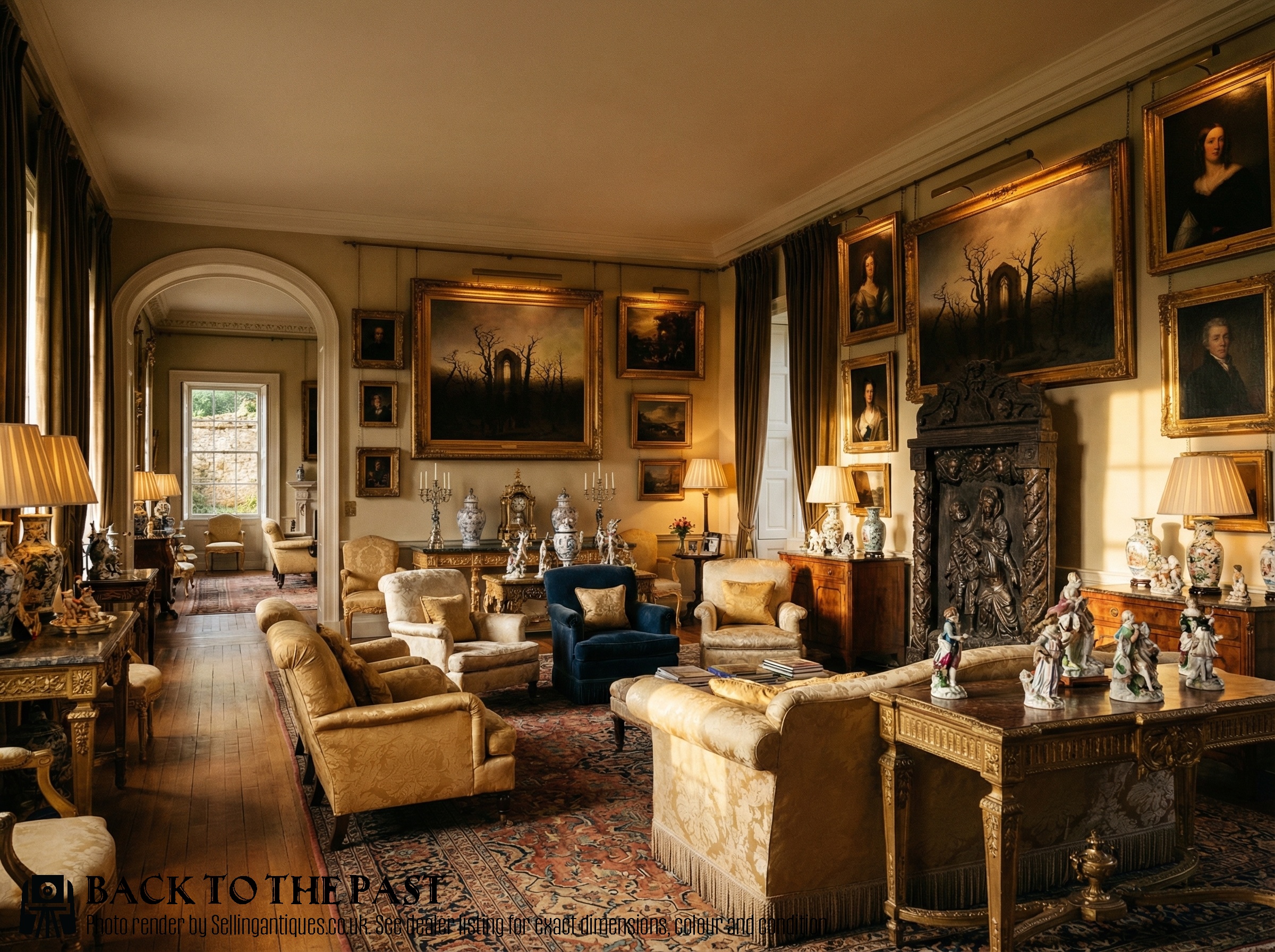
Antique Oak Carving
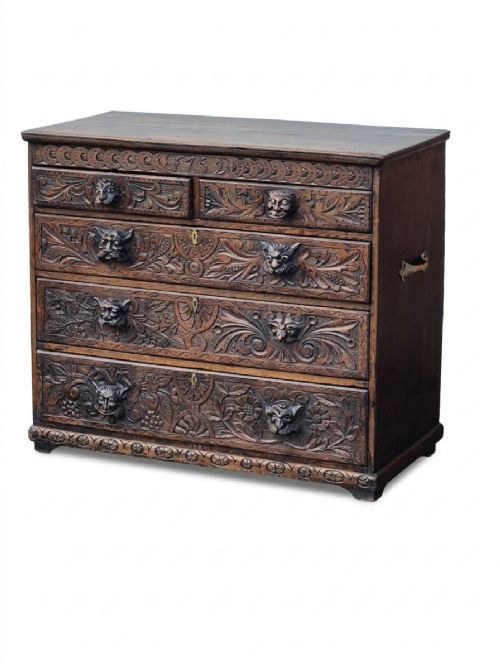
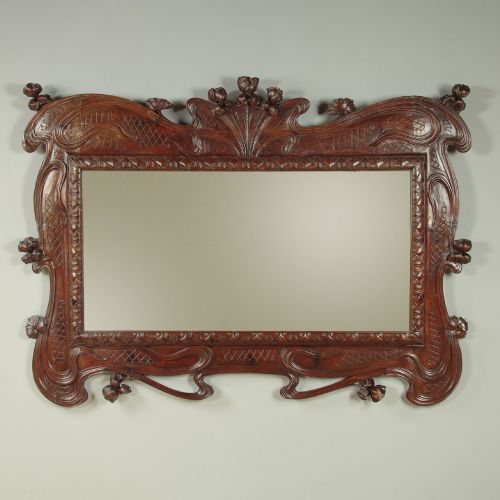
An antique oak carving encompasses both standalone architectural fragments and structural woodwork integrated into furniture, ranging from medieval church panels and Renaissance figures to Victorian Green Man appliques.
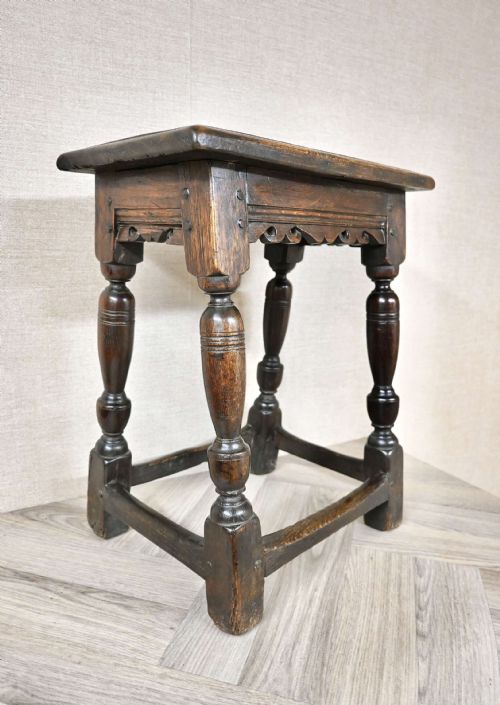
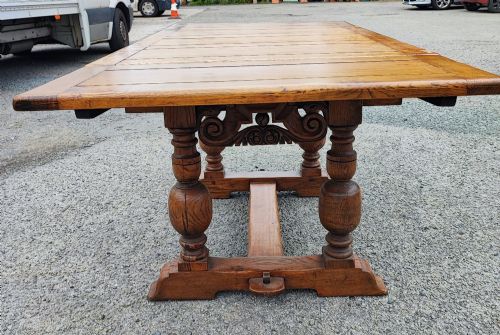
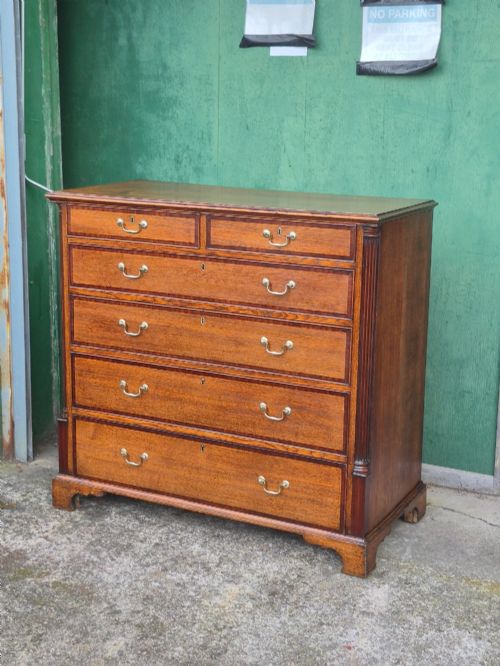
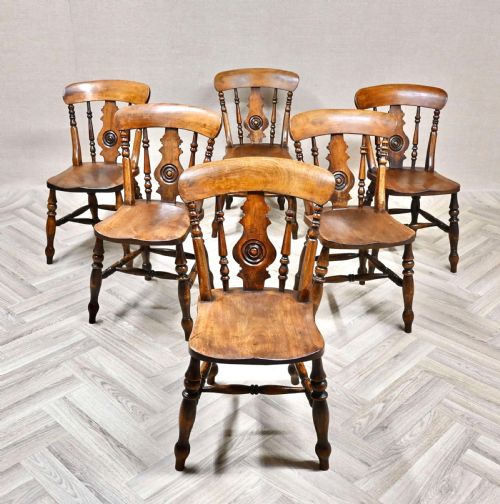
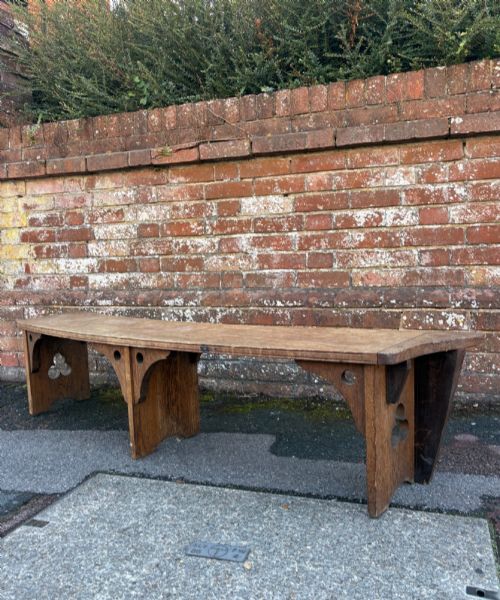
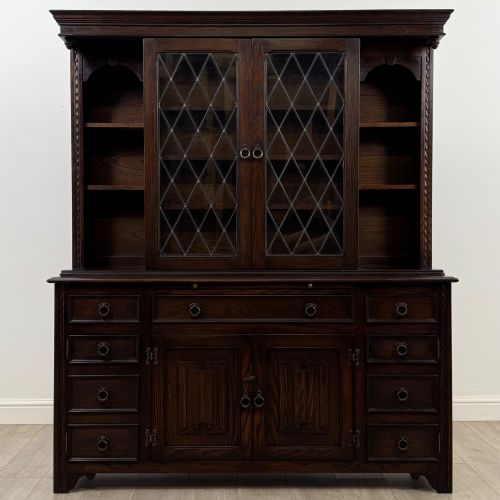
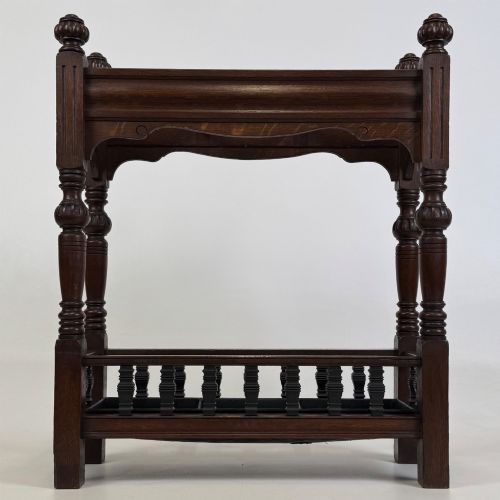
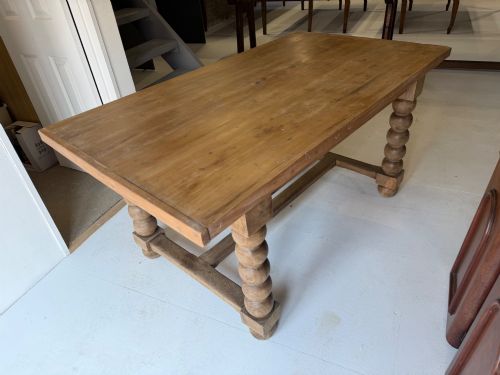
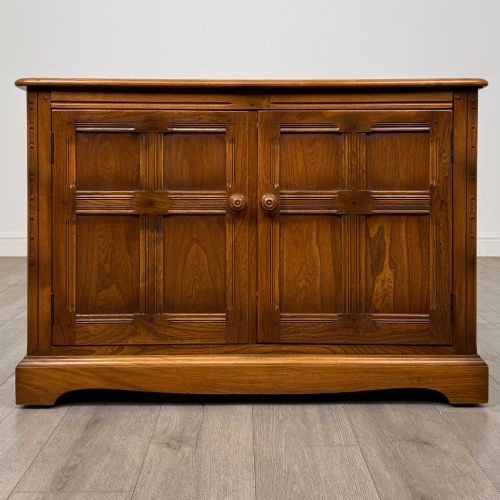
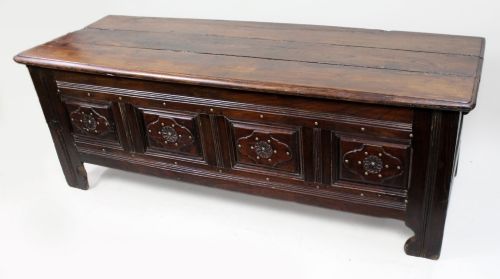
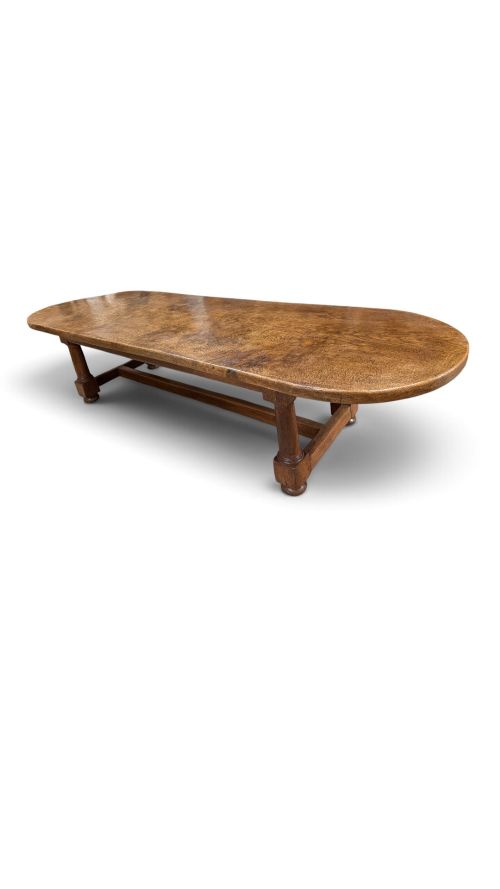
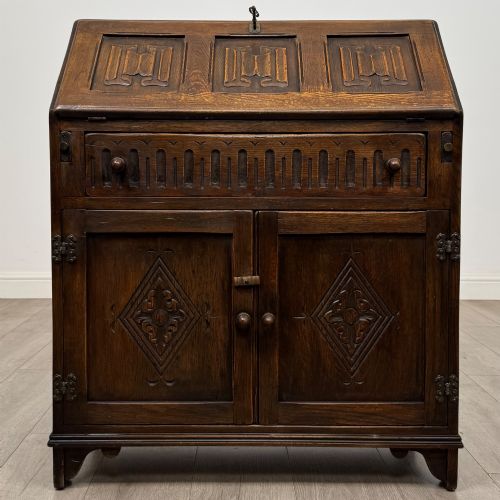
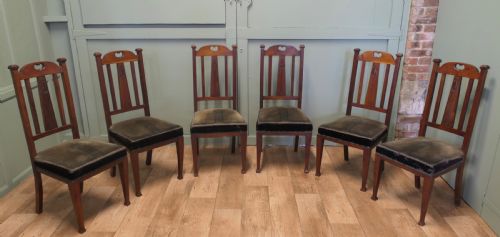
The selection includes detached relief panels, portrait heads, caryatids and heraldic motifs alongside larger functional items such as coffers, refectory tables, hall benches and dressers carrying hand-chiseled ornamentation.
Pieces frequently emerge from English, French and Flemish workshops, demonstrating regional decorative vocabularies from linenfold and Gothic tracery to deep-relief foliage and grotesque masks.
How They Were Made
Objects are fashioned predominantly from solid timber, utilising the dense grain and durability of native or imported varieties combined occasionally with secondary woods like beech.
Craftsmen shaped the surfaces using gouges, chisels and hand saws, relying on traditional pegged joints, mortise and tenon construction, and fielded panels rather than modern fasteners.
Antique Oak Carving Retail Price Guide 2026
Typical asking prices for oak carving among the pieces listed under this phrase on Sellingantiques today, from the lower quarter to the upper quarter. They describe what is for sale here now, not the wider market.
Listings feature items spanning the 16th to the 20th century, utilising solid oak, brass, iron, and beech across revival and period styles.
What Varies In Quality
The integrity of the timber surface, minimal structural splitting, and the preservation of original pegged construction or untouched patination heavily influence the standing of any individual item.
The Antique Oak Carving Glossary
- Green Man
- A sculptural motif depicting a human face emerging from or entwined in foliage. It symbolizes rebirth and appears frequently on church woodwork and domestic furniture.
- Linenfold
- A style of wood carving that imitates vertical folds of folded linen fabric. It is commonly found on panels of sixteenth-century chests and cupboards.
- Caryatid
- A sculpted female figure serving as an architectural support taking the place of a column or a pilaster. They are often seen flanking doorways or on cabinet stiles.
- Refectory table
- A long, narrow dining table originally used in monastic dining halls. These sturdy forms typically feature heavy legs connected by low stretchers.
- Coffer
- A large wooden chest with a hinged lid used for storage. Early examples are constructed from thick planks joined with iron hardware and pegged framing.
Antique Oak Carving: Frequently Asked Questions
How do I date an oak carving?
Dating relies on examining tool marks left by hand chisels, the method of joint construction, and the specific decorative vocabulary employed.
Stylistic shifts from Gothic tracery to Renaissance strapwork or Victorian revivalism help narrow the decades of production.
Where were these carvings originally displayed?
Many detached carvings originated as architectural elements from church pews, overmantels, wall paneling, or country house interiors.
Others were built directly into the framework of functional domestic furniture such as court cupboards, dressers, and mule chests.
How should I care for antique oak?
Maintain stable indoor humidity levels and keep wooden surfaces away from direct heat sources and strong sunlight to prevent timber shrinkage.
Occasional application of traditional beeswax helps preserve the natural grain and nourishes the aged surface without building up synthetic residues.
What is a Green Man carving?
A Green Man is a decorative mask surrounded by or sprouting vines, leaves, or branches from the mouth and nostrils.
This ancient motif recurs across medieval church woodwork and later nineteenth-century revival furniture.