
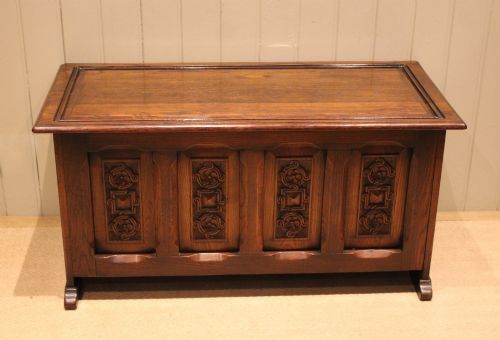
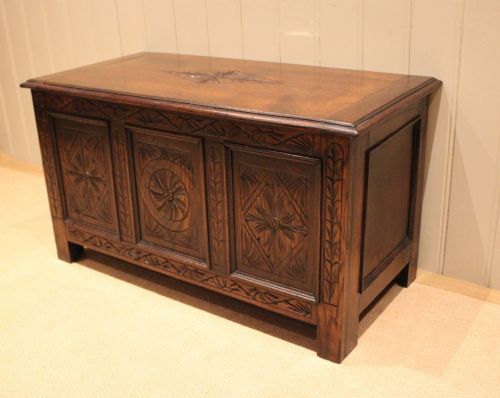
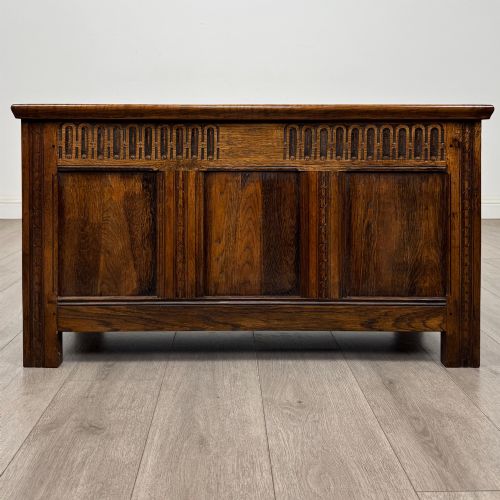
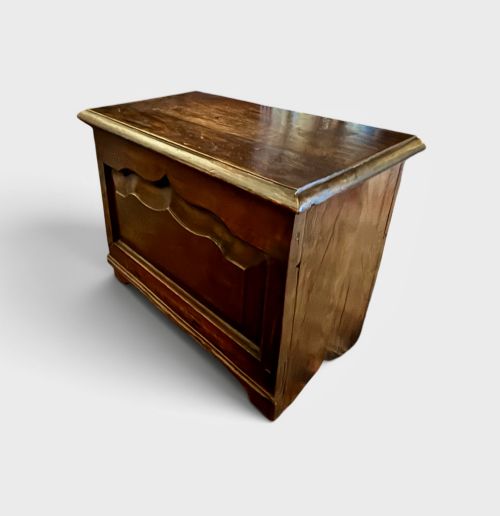
Antique Oak Bedding Chest
An antique oak bedding chest provides enduring storage built from solid timber across centuries.

What an antique oak bedding chest is
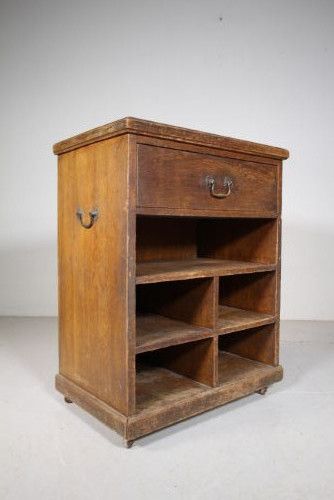
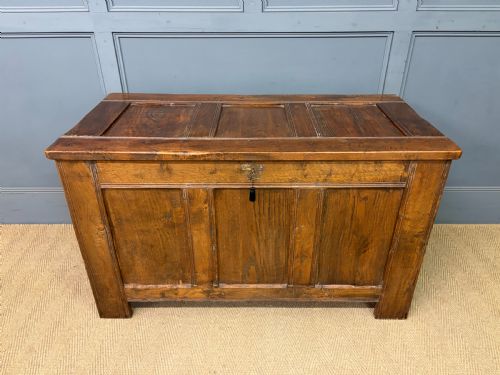
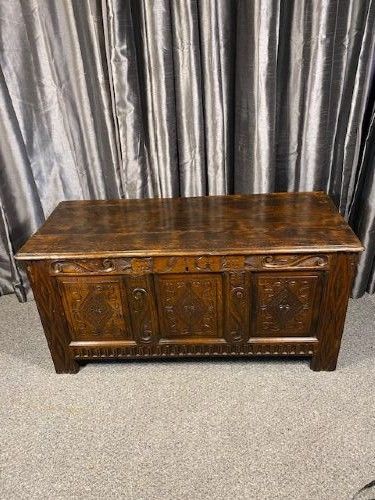
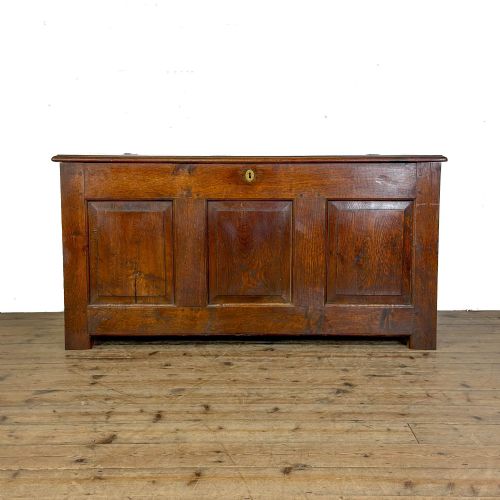
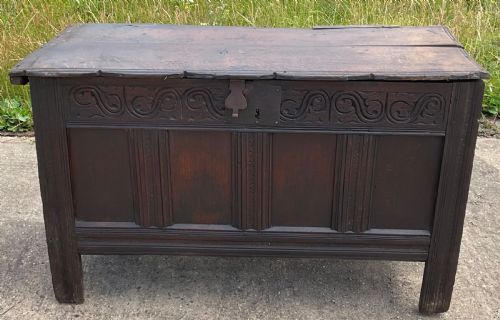
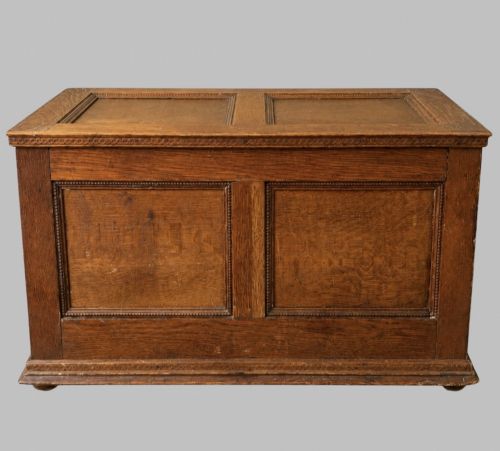
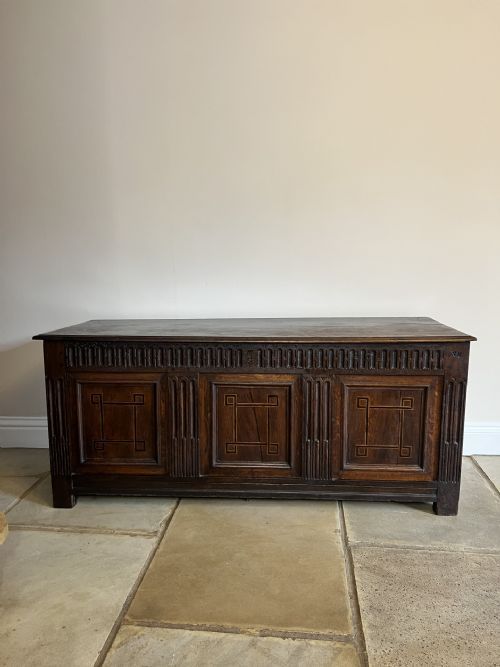
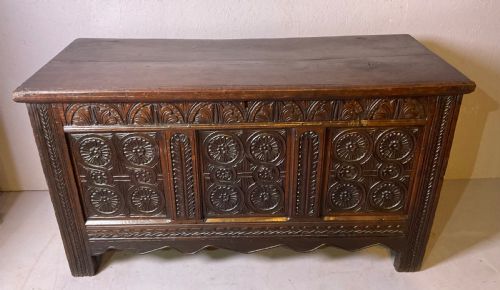
An antique oak bedding chest brings robust utility into the home, drawing from centuries of British cabinet-making traditions. Buyers seeking an antique oak bedding chest will encounter sturdy coffers and mule chests spanning the seventeenth, eighteenth, and nineteenth centuries.
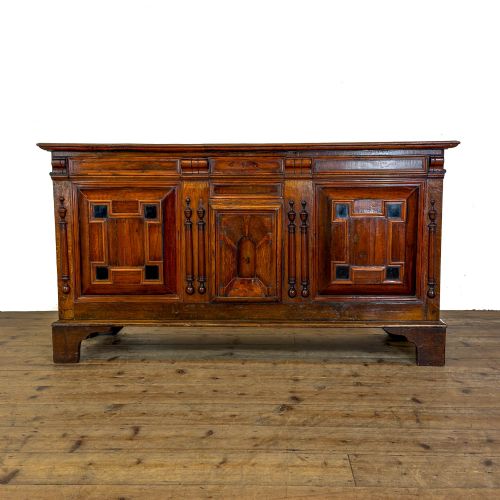
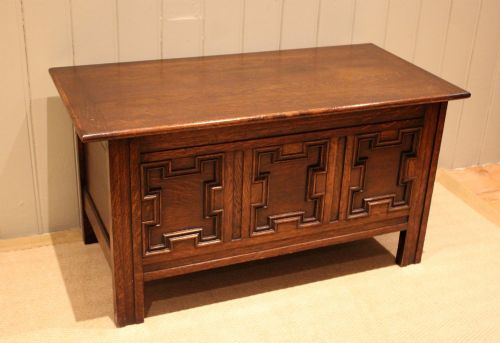
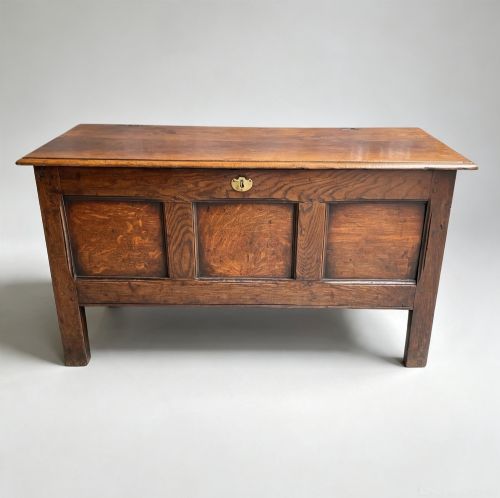
The pieces listed on this page include examples spanning Jacobean and Georgian styles, alongside eighteenth-century British items. These chests function primarily as blanket chests or storage trunks, offering heavy timber construction designed to protect textiles.
How they were made
Construction relies upon solid oak timbers joined with traditional methods, often enhanced by decorative wood inlay and marquetry work. Hardware elements incorporate functional brass and iron components such as hinges, lock plates, and carrying handles.
Joinery techniques focus on durability, allowing the dense timber to withstand heavy domestic use over generations. Artisans combined structural framing with surface ornamentation like inlay to elevate the appearance of utilitarian storage vessels.
Retail Price Guide 2026
Typical UK retail prices for oak bedding chest, calculated from the Sellingantiques database of over a million retail prices indexed since 2003. This retail price guide relies exclusively on Sellingantiques data; no external sources or auction records are used, so the figures do not describe the wider market.
Current listings span the seventeenth, eighteenth, and nineteenth centuries, utilising oak combined with brass, iron, and wood inlay.
What varies in quality
Quality differences emerge through the sophistication of the joinery and the presence of decorative details such as marquetry inlay. Pieces featuring intricate seventeenth-century or eighteenth-century craftsmanship demonstrate superior artistic ambition compared to simpler nineteenth-century iterations.
The selection of timber grain and the preservation of original brass or iron hardware significantly influence the character of each chest. Refined proportions and well-executed surface decoration distinguish the finer examples from basic utilitarian boxes.
The Antique Oak Bedding Chest Glossary
- Cofer
- A large wooden chest traditionally used for storing valuables, linens, and personal possessions. These heavy containers formed a central part of early household furnishings.
- Mule chest
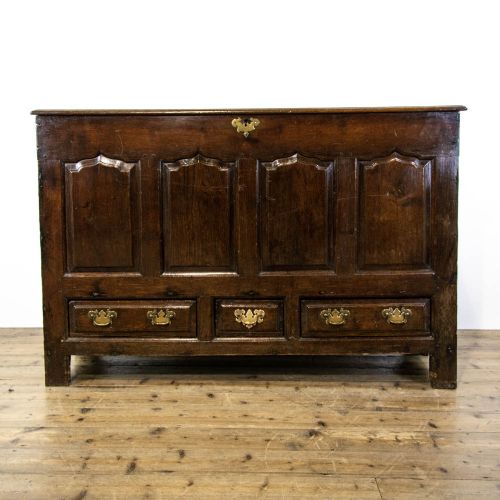
- A storage chest featuring one or more drawers at the base beneath the main compartment. This form bridges the gap between the traditional trunk and the modern chest of drawers.
- Marquetry
- Decorative woodwork where pieces of veneer are fitted into a ground material to form geometric or pictorial designs. It appears on select seventeenth-century and later case furniture.
- Jacobean
- The style of British architecture and decorative arts prevalent during the early seventeenth century. Furniture from this period exhibits solid proportions and linear carved ornamentation.
Frequently Asked Questions
What is a mule chest?
A mule chest is a traditional storage piece that combines a traditional blanket chest box with one or more drawers built into the base.
This form appeared as craftsmen sought easier access to stored textiles without needing to lift the heavy top lid.
How do I date an oak chest?
Dating relies upon examining the construction methods, joint types, wood patination, and stylistic decorative motifs present on the piece.
Seventeenth-century examples often display simpler joined frames, while eighteenth-century and Georgian pieces incorporate refined hardware and distinct regional cabinet-making traits.
Were these chests used for bedding?
These robust wooden trunks served households as secure containers for storing heavy woolen blankets, household linens, and winter bedding.
The dense oak construction helped protect textiles from dampness, dust, and pests in unheated rooms.
How do I care for antique oak?
Maintain antique oak furniture by keeping it away from direct heat sources and sudden humidity changes that can cause the timber to split.
Apply a traditional wax polish occasionally to nourish the wood and preserve the natural patination built up over centuries.