
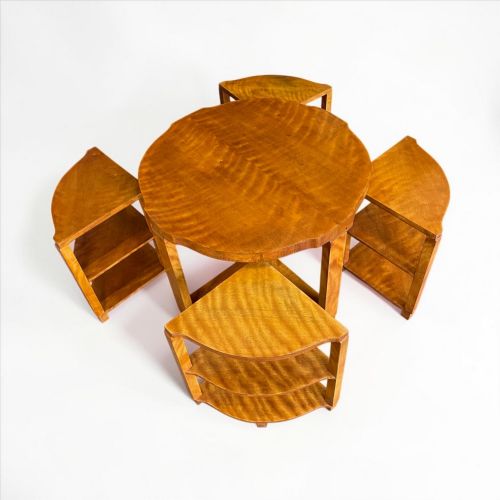


Antique Nesting Coffee Tables
These antique nesting coffee tables offer a practical way to stack multiple surfaces when space is tight.
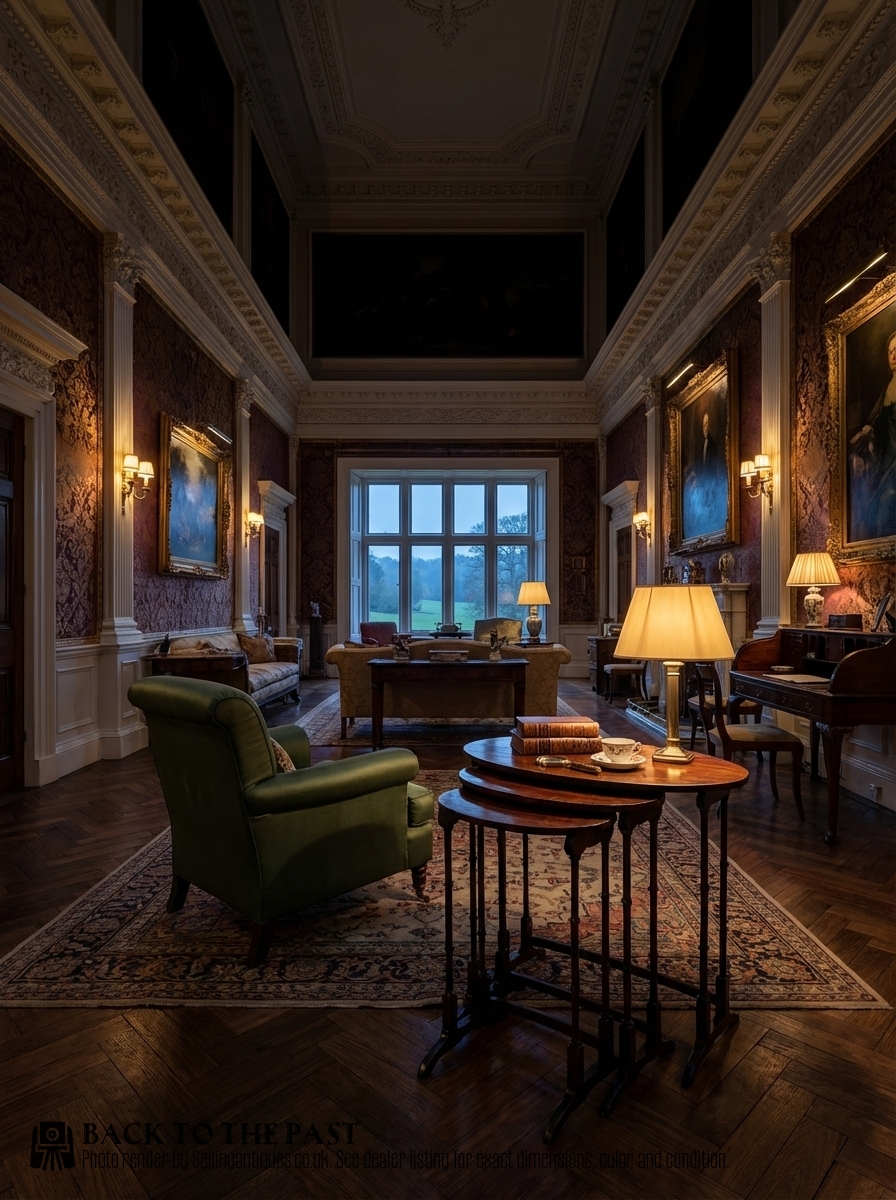
Antique Nesting Coffee Tables
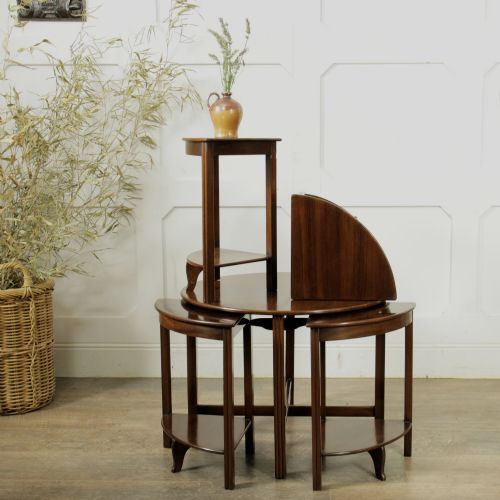
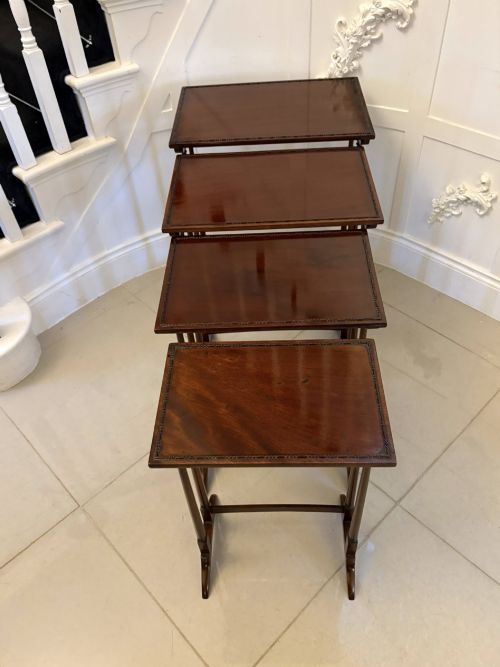
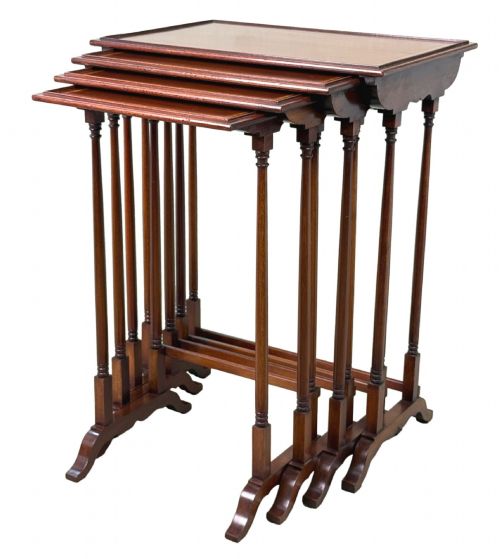
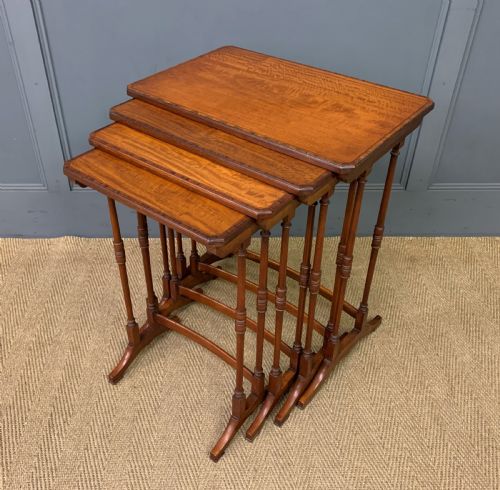
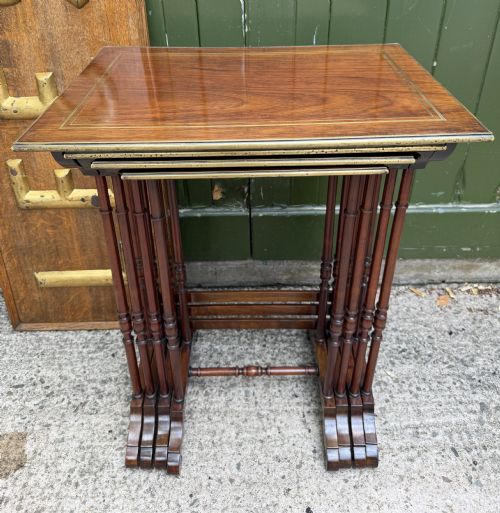
These pieces comprise sets of tables designed to slide neatly beneath one another, providing multiple surfaces from a single footprint. When buyers search for antique nesting coffee tables, they typically encounter sets ranging from three to five tables, often referred to historically as quartetto sets.
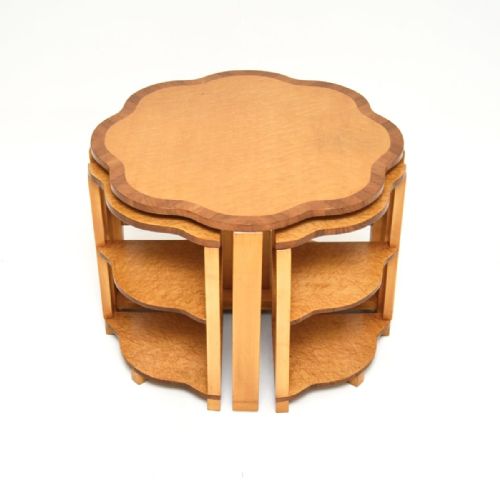
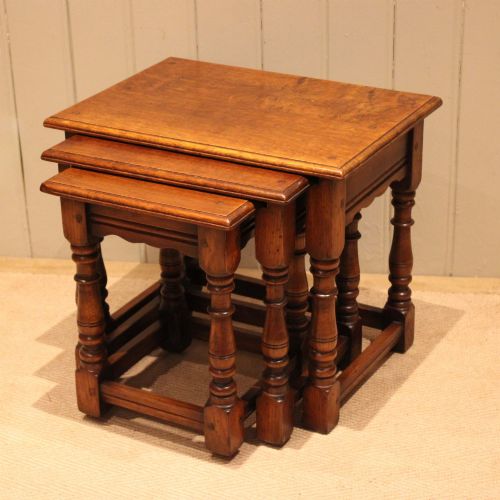
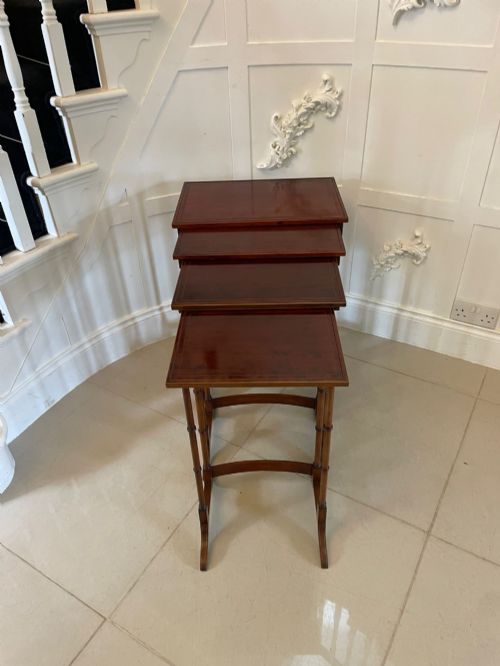
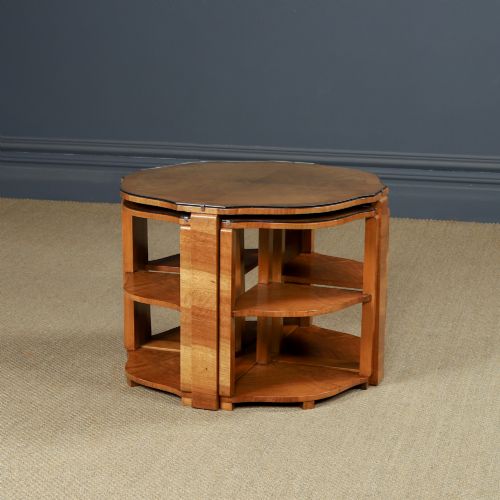
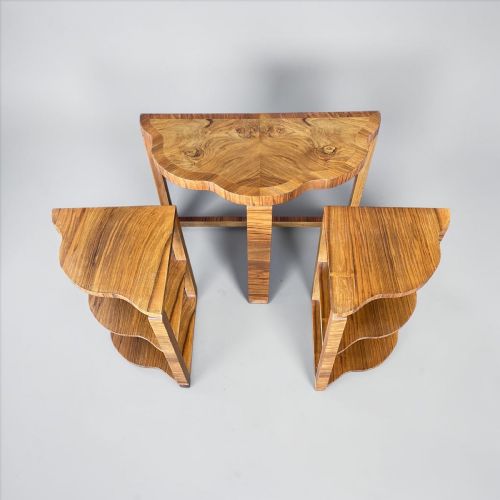
The selection on this page draws primarily from Edwardian, Victorian, and 1920s or 1930s periods. Examples span straightforward utilitarian forms in oak and mahogany alongside more decorative styles like Art Deco, Chinoiserie, and Regency period pieces.
Most configurations found here rely on traditional wood construction, with occasional variations including embossed leather tops or lacquered finishes. Buyers select these tables for daily living spaces where flexible surface area is required without permanent clutter.
What varies in quality
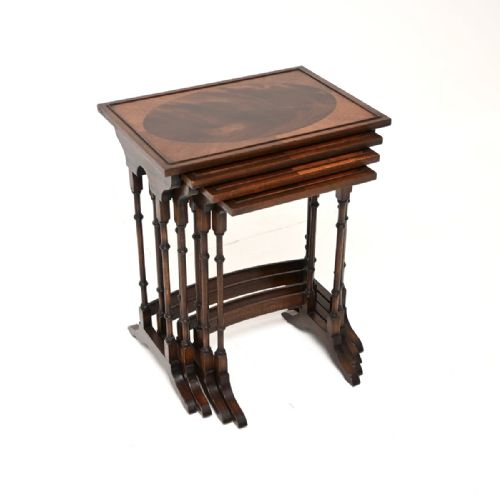
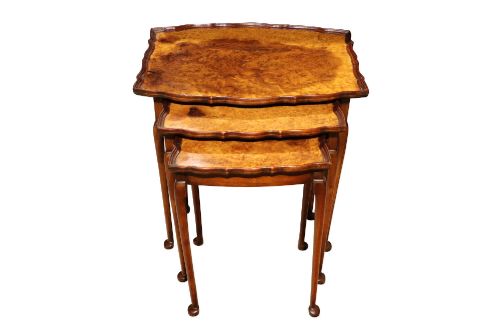
Quality rests upon the selection of timber figures and the precision of the graduated sizing, ensuring each smaller table fits flush within the frame of the next. Superior sets demonstrate careful matching of veneers such as burr walnut or satinwood across all tiers rather than relying on plain secondary woods.
The refinement of decorative details, including hand-cut inlay work, shaped tabletops, and durable joinery at the joints, separates standard utility sets from exceptional examples. A well-constructed set maintains rigid stability across every table despite the lightweight proportions required for nesting.
Antique Nesting Coffee Tables Retail Price Guide 2026
Typical asking prices for nesting coffee tables among the pieces listed under this phrase on Sellingantiques today, from the lower quarter to the upper quarter. They describe what is for sale here now, not the wider market.
Some Edwardian hosts required sets of five tables, demanding guests engage in a minor puzzle just to clear the tea things.
Heal's
The Antique Nesting Coffee Tables Glossary
- Quartetto
- A set of four tables designed to nest together. This term appears frequently in nineteenth and early twentieth century descriptions.
- Inlay
- Pieces of contrasting timber or material fitted into depressions in the base wood to form decorative patterns. Satinwood and boxwood are common inlay materials.
- Chinoiserie
- European decorative style reflecting Chinese artistic motifs. These pieces often feature painted or lacquered oriental scenes on a dark ground.
- Burr walnut
- Timber taken from a tree growth showing complex swirled grain patterns. Cabinet makers prized this wood for decorative tabletop veneers.
- Occasional table
- A small, light table intended for use as needed rather than for a fixed purpose. Nesting tables function primarily as occasional furniture.
Antique Nesting Coffee Tables: Frequently Asked Questions
What are nesting tables called?
Sets of four graduating tables are historically designated as quartetto tables in period records. They also appear under broader terms such as occasional tables or nested sets.
Cabinet makers and retailers used these terms interchangeably throughout the nineteenth and early twentieth centuries to describe tables built to stack together.
How were nesting tables used?
These tables served primarily in sitting rooms and drawing rooms to provide temporary surfaces for tea, writing, or lamps. Servants or hosts could deploy the smaller tables individually around a room when guests arrived.
Once the gathering concluded, the tables slid back into a single compact stack to clear floor space. This space-saving design made them popular in townhouses and smaller Victorian and Edwardian drawing rooms.
How do I date an antique nest?
Dating relies upon timber choices, construction methods, and prevailing decorative styles seen across the pieces. Regency and Victorian examples often feature rosewood or solid mahogany with heavier proportions, while Edwardian versions frequently showcase satinwood inlay or lighter mahogany frames.
Art Deco and 1930s sets introduce round or shaped five-table configurations with distinct geometric aesthetics. Comparing the secondary woods and veneer types helps confirm the era of manufacture.
Are nesting tables sturdy?
Despite their slender frames and graduated sizes, well-constructed antique sets utilise robust hardwoods and tight joinery to support daily use. The smallest tables in a set necessarily feature delicate proportions to fit inside the outer frames.
Quality sets distribute weight evenly through sturdy legs and secure stretchers. Careful handling ensures the joints remain stable over decades of stacking and unstacking.