



Antique Naval Vessel Artwork
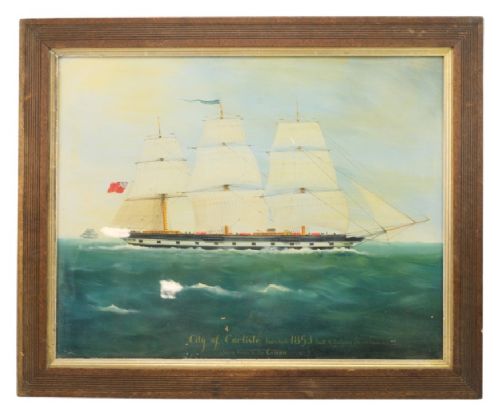
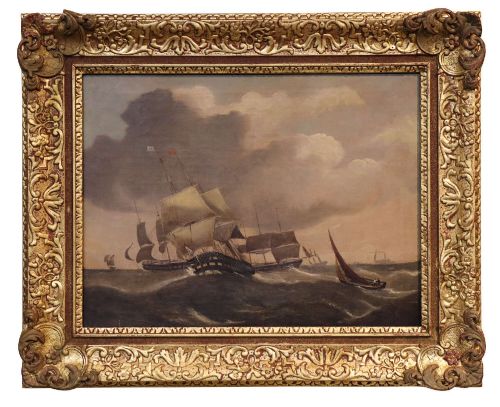
Antique naval vessel artwork captures maritime history through period paintings and watercolours depicting historic warships and coastal shipping.
Antique Naval Vessel Artwork
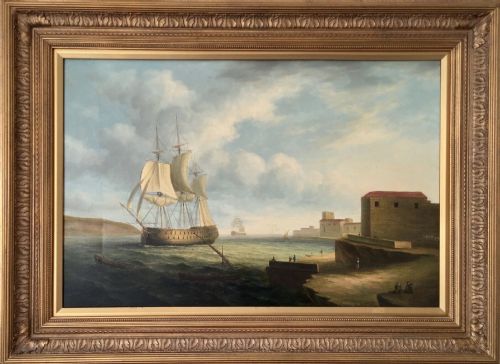
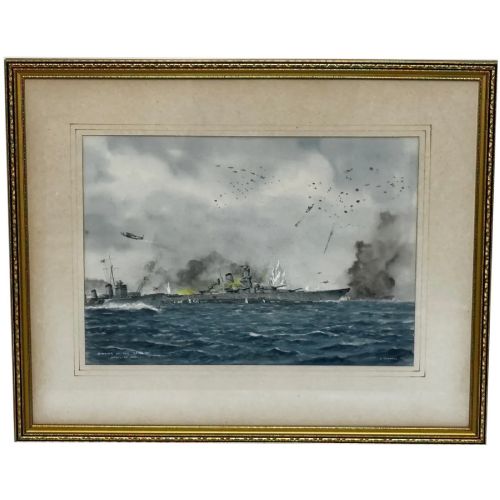
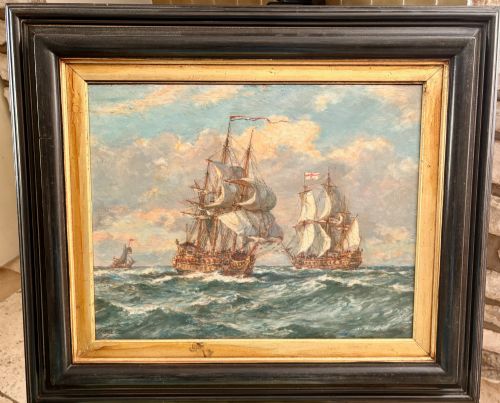
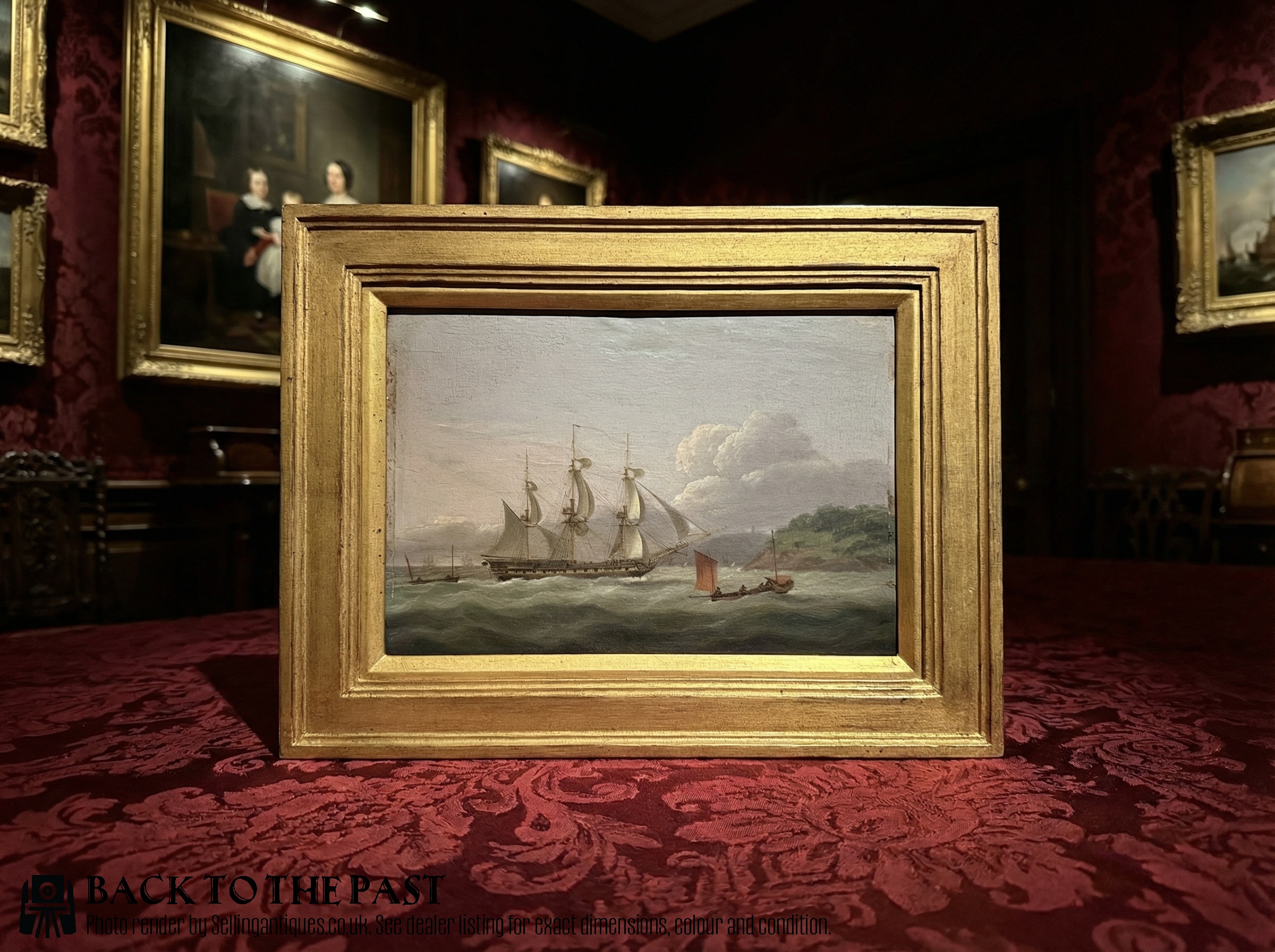
Antique naval vessel artwork comprises maritime paintings, watercolours and framed wall art focused on warships, frigates and merchant shipping. When buyers search for antique naval vessel artwork, they encounter nineteenth-century oil paintings on canvas and panel alongside early twentieth-century watercolours.
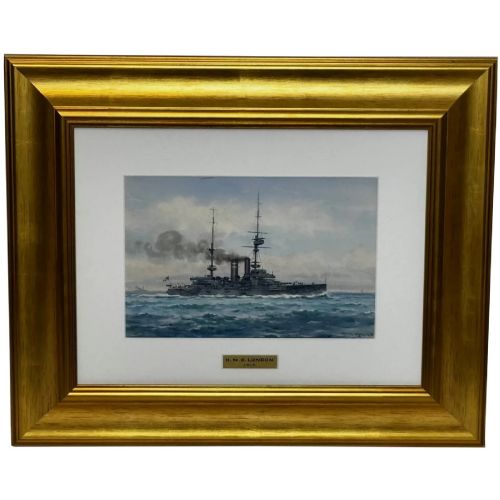
The selections available here lean heavily toward Victorian and Edwardian maritime pieces depicting named vessels such as HMS London and HMS Victory. These works range from detailed port scenes in Malta to dramatic depictions of ships in heavy seas and channel encounters.
Materials and methods
Artists working on antique naval vessel artwork utilised oil paint on canvas or wooden panel to achieve durable maritime scenes with deep tonal ranges. Watercolours on paper appear frequently alongside gouache, capturing precise rigging and coastal light with fluid transparency.
Framed works often incorporate traditional wooden surrounds and gold leaf accents to complement the maritime subject matter. Lithographs and ink works also provide alternative methods of recording historical vessels from the Georgian era onward.
Antique Naval Vessel Artwork Retail Price Guide 2026
Typical asking prices for naval vessel artwork among the pieces listed under this phrase on Sellingantiques today, from the lower quarter to the upper quarter. They describe what is for sale here now, not the wider market.
Sailors occasionally painted their own vessels using whatever materials were to hand, leaving behind heartfelt tributes to their floating homes.
Factors determining quality
The quality of antique naval vessel artwork rests upon the artist's demonstrable command of nautical architecture, rigging accuracy and atmospheric conditions. Pieces executed by named marine painters command attention through precise handling of water, light and ship proportions compared to unsigned or generic school works.
Provenance and documentation elevate specific paintings, particularly when works name particular vessels, engagements or known harbours. The integration of original period framing and stable canvas or paper preservation further separates standard decorative items from collectible pieces.
James Hardy·Frank Watson Wood·Bernard Gribble·Charles William Adderton·Vincenzo D’Esposito·Marie-Edouard Adam·Ebeneezer Colls·Charles Dixon·WF Mitchell·Francis Holman
The Antique Naval Vessel Artwork Glossary
- Gouache
- An opaque water-based medium frequently combined with watercolour in marine art. It provides solid highlights and dense colour saturation for depicting turbulent seas and white sails.
- Panel
- A rigid wooden support used by artists instead of stretched canvas. Panel paintings often survive from the nineteenth century with minimal structural cracking if kept in stable environments.
- Frigate
- A fast, medium-sized sailing warship with multiple decks carrying gun batteries. These vessels dominate naval vessel artwork from the eighteenth and nineteenth centuries.
- Marinescape
- A genre of painting focused primarily on the sea, coastal views and maritime activity. This term encompasses both calm harbour scenes and dramatic storm compositions.
- Provenance
- The documented history of ownership surrounding a work of art. Clear provenance often links a painting directly to the naval vessel or historical event depicted.
Antique Naval Vessel Artwork: Frequently Asked Questions
What periods do these maritime paintings cover?
The available pieces span from the eighteenth century through the Victorian and Edwardian eras up to the mid-twentieth century. Artists recorded naval developments from the age of sail through to ironclads and early twentieth-century naval aviation.
Most items originate from the nineteenth century and the Edwardian period. This timeframe offers a wide documentary record of British and European naval power.
How should I care for antique watercolours?
Watercolours and gouache works on paper require protection from direct sunlight to prevent fading. Framing under UV-filtering glass helps preserve the original pigments over time.
Maintain stable indoor humidity levels to protect both the paper support and the historical wooden frames. Avoid hanging such pieces in damp environments like kitchens or unheated rooms.
Are all the ships depicted historically accurate?
Many professional marine artists served at sea or maintained close connections to the navy, resulting in highly accurate depictions of rigging, flags and hull construction. Named vessels like HMS London and HMS Victory reflect specific archival research by the artist.
General scenes by unrecorded school painters may depict generic vessel types rather than named ships. Collectors often research the specific registry numbers or port locations mentioned in the titles.
What is the difference between an oil painting and a watercolour?
Oil paintings utilise slow-drying pigmented oils on canvas or wood panels, allowing for rich textures and deep atmospheric layering. They typically require no protective glass and offer robust durability.
Watercolours employ water-soluble pigments on paper, creating bright, luminous effects with rapid brushwork. These pieces require framing behind glass to shield the paper surface from environmental moisture and dust.