


Antique Music Furniture
Antique music furniture brings together period cabinets, canterburys, and piano stools designed to organise scores and support performance in the historic home.

Antique Music Furniture
When you search for antique music furniture, you encounter pieces designed specifically for holding scores, folios, and instruments in the nineteenth and early twentieth centuries. The selection spans Victorian, Edwardian, and Regency periods, covering eras from George III to the Arts and Crafts movement.
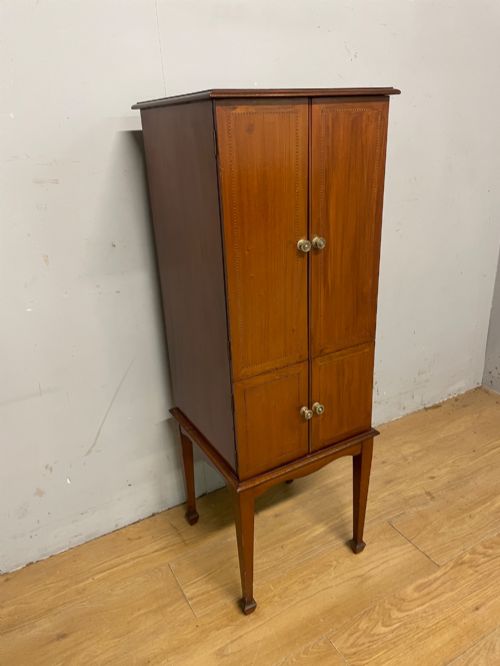
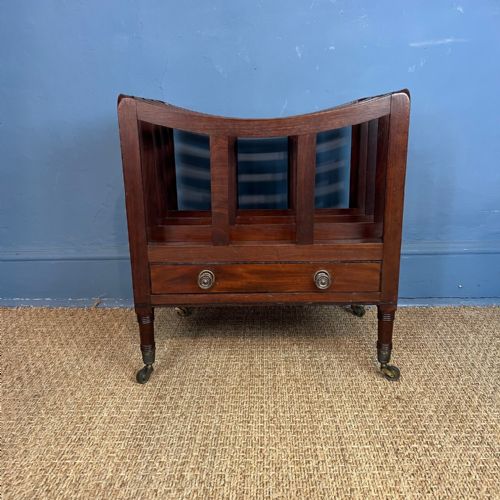
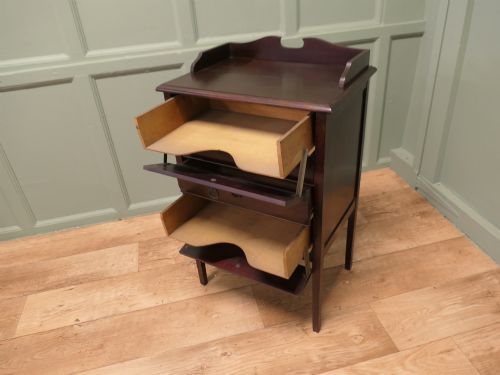
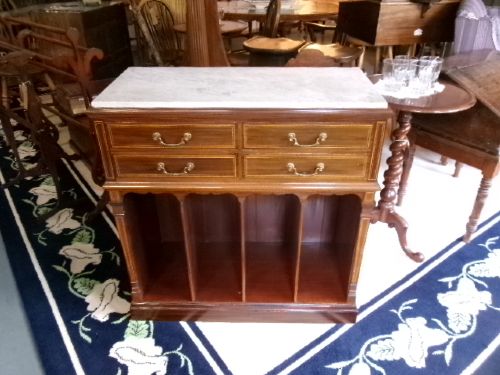
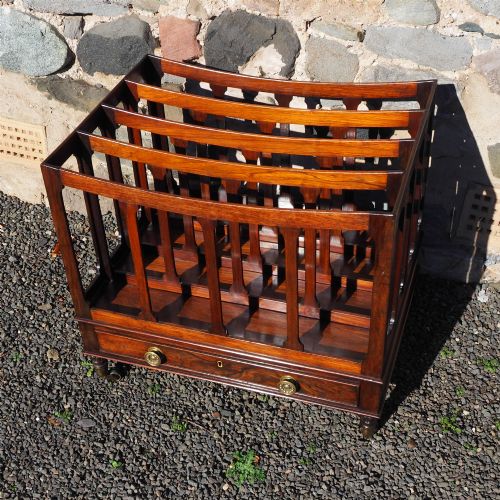
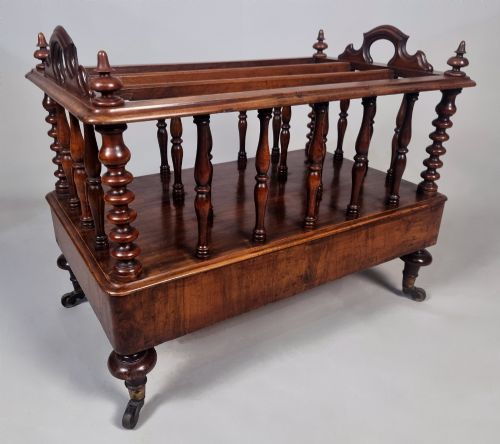
Canterburys and magazine racks form a large part of the available pieces, often built in mahogany, rosewood, or burr walnut with slatted partitions and low castors. Alongside these sit music cabinets, etageres, and piano stools, providing dedicated storage for domestic performance spaces.
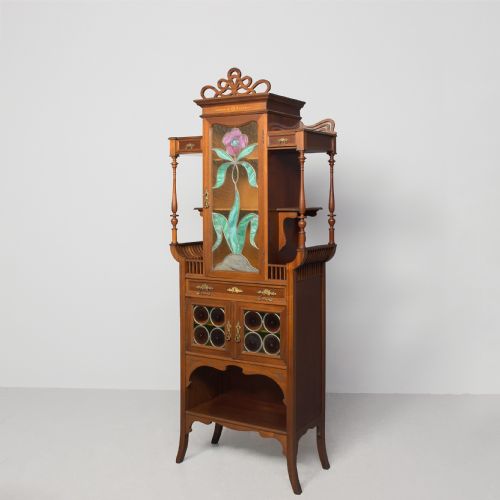
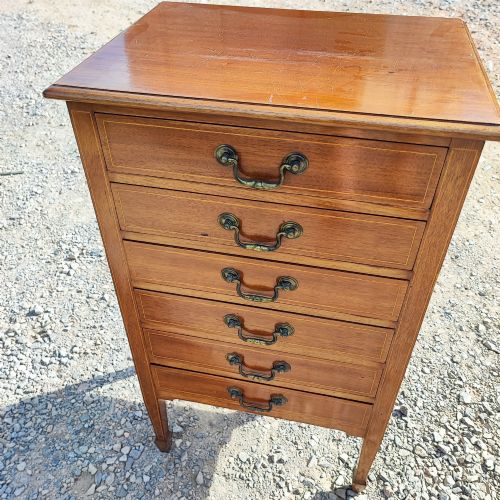
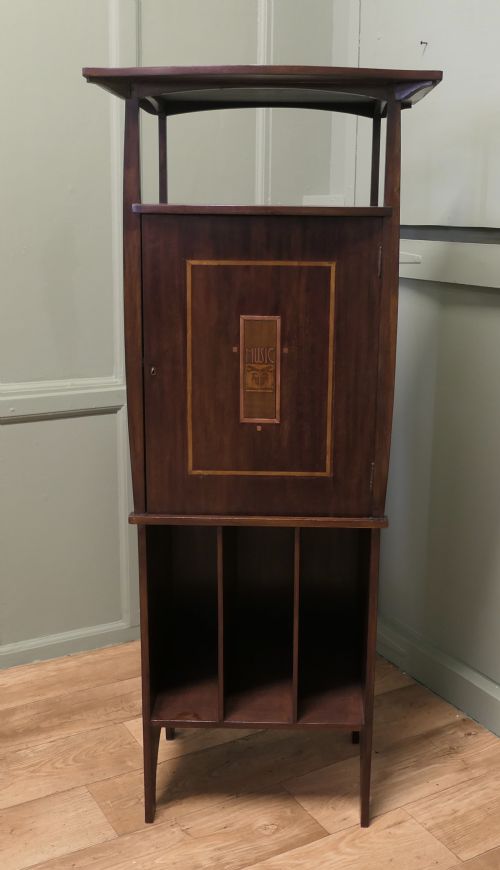
Origins range across English workshops, French studios, and Austrian makers, reflecting diverse European tastes in domestic music organisation. Whether you meet a boat-shaped Regency canterbury or an Edwardian inlaid mahogany cabinet, each piece fulfils a specific nineteenth or early twentieth-century function.
Materials and Construction
Cabinet makers utilised dense hardwoods such as mahogany, walnut, burr walnut, and rosewood to build sturdy frames capable of supporting heavy portfolios of sheet music. Finer examples incorporate satinwood inlay, brass mounts, and ormolu details to elevate the appearance of the timber.
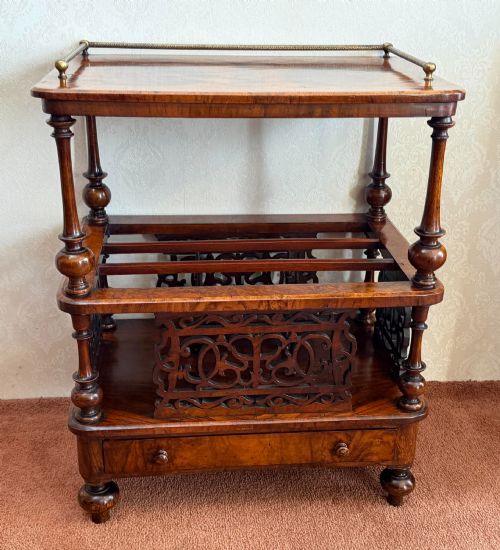
Construction techniques involve traditional joinery, turned supports, and pierced fretwork partitions in canterburys, alongside tambour doors and adjustable mechanisms in stools and stands. Materials like bamboo, oak, and ebonised wood also appear, reflecting the stylistic shifts of the Aesthetic and Arts and Crafts movements.
Antique Music Furniture Retail Price Guide 2026
Typical asking prices for music furniture among the pieces listed under this phrase on Sellingantiques today, from the lower quarter to the upper quarter. They describe what is for sale here now, not the wider market.
Listings feature Victorian, Edwardian, and Regency periods, utilising materials such as mahogany, walnut, brass, and rosewood across various cabinet and stand forms.
Craftsmanship and Design
The distinction between standard domestic items and the finest examples lies in the selection of timber figures, such as highly figured burr walnut or rich rosewood veneers. Superior pieces display meticulous attention to detail in their inlay work, carved supports, and brass fittings.
Design ambition separates mass-produced items from works by notable makers like Gillows, Gabriel Viardot, or GM Elwood for JS Henry. Structural integrity, refined proportions, and sophisticated handling of period styles ultimately determine the standing of each piece.
GM Elwood for JS Henry·Gabriel Viardot·Denby and Spinks·Gillows
The Antique Music Furniture Glossary
- Canterbury
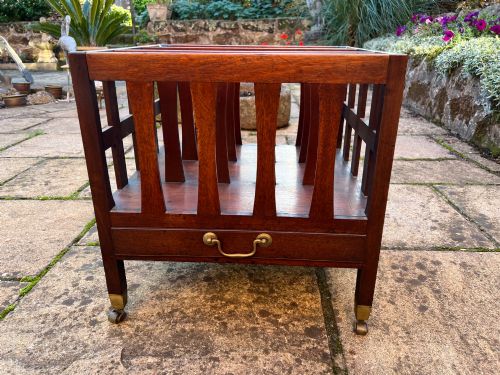
- A low stand with slatted partitions used originally for holding sheet music and folios. These pieces often feature a small drawer below and small castors for mobility.
- Étagère
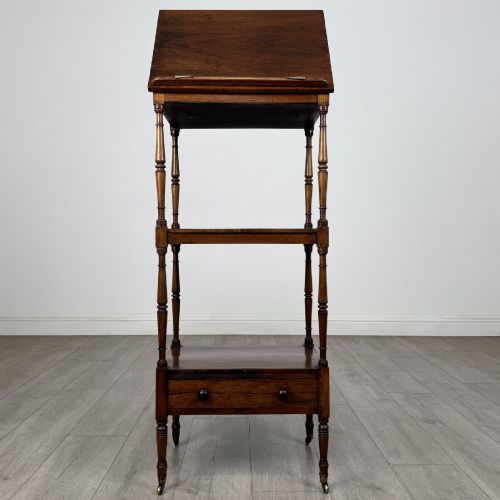
- A set of open shelves for displaying small objects or holding books and music. These tiered pieces often feature delicate turned supports and fine timber veneers.
- Ormolu
- Gilded bronze mounts applied to furniture for decorative effect. This technique was frequently utilised on nineteenth-century cabinets and piano boxes.
- Tambour
- A flexible door constructed from narrow strips of wood glued to a canvas backing. This mechanism allows the door to slide smoothly around a curved cabinet front.
- Burr Walnut
- Timber taken from the wart or burl of a walnut tree, showing highly decorative swirling grain patterns. Cabinet makers valued this material for high-status Victorian surfaces.
Antique Music Furniture: Frequently Asked Questions
What is a canterbury used for?
A canterbury serves as a compartmentalised rack designed to hold sheet music, folios, and magazines near a piano or seating area. The slatted divisions keep scores upright and sorted for easy access during practice or performance.
Over time, these versatile stands adapted to general living spaces as occasional tables and magazine tidies while retaining their characteristic divided upper sections.
How do I date a music cabinet?
Dating relies on examining the timber, construction methods, and stylistic cues present in the piece. Regency and Georgian items often feature clean mahogany lines and brass inlays, whereas Victorian examples favour heavily figured burr walnut and rosewood.
Edwardian pieces frequently display lighter mahogany with delicate satinwood stringing or incorporate Arts and Crafts motifs. Comparing these decorative details with recorded period standards clarifies the decade of manufacture.
Are piano stools adjustable?
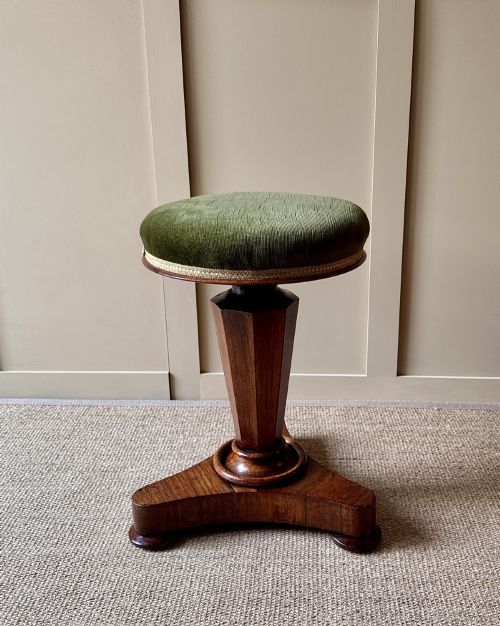
Many period piano stools incorporate mechanical height adjustment to suit different players. These mechanisms typically feature a revolving seat or a screw-thread post concealed beneath the upholstery.
William IV and Victorian examples frequently employ these functional adjustments, combining turned wooden pedestals with sturdy brass or iron internal screws.
Where were these pieces made?
These pieces originated primarily in British workshops, alongside contributions from French and Austrian makers. English cabinet makers in London and regional centres produced the majority of mahogany and walnut canterburys and music stands.
Continental workshops introduced distinct regional aesthetics, such as French Art Nouveau cabinets and Austrian enamelled music boxes, enriching the variety of surviving domestic musical furnishings.