


Antique Moorcroft Pottery
Antique Moorcroft pottery pieces are distinctive ceramic works valued for their rich coloured glazes and characteristic floral designs.
Defining antique moorcroft pottery
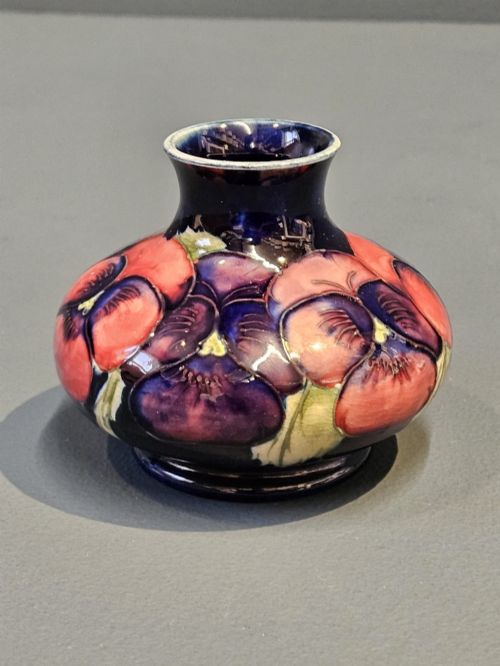
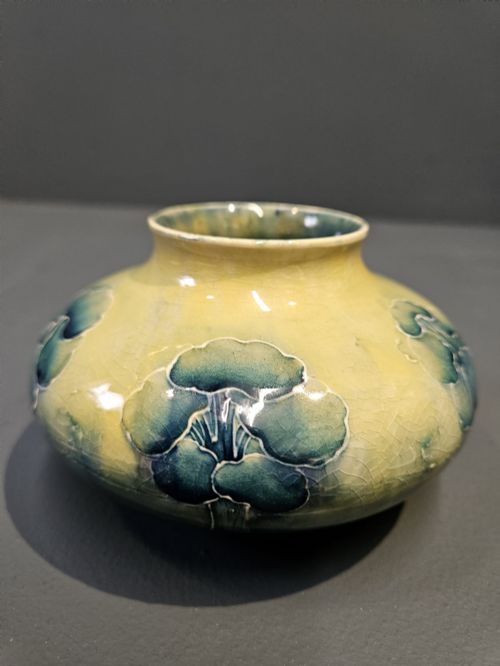
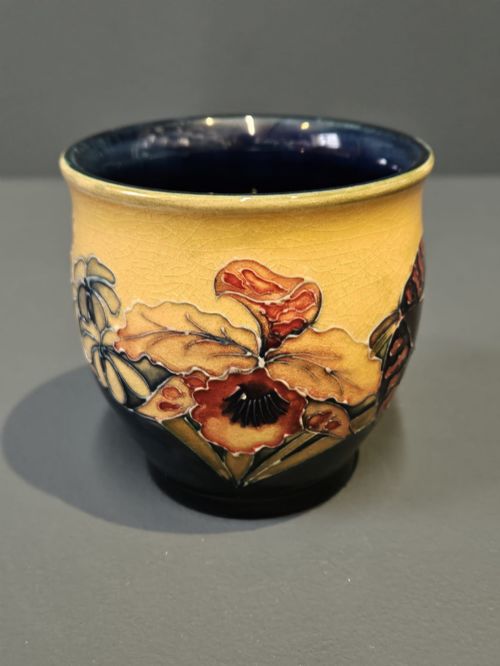
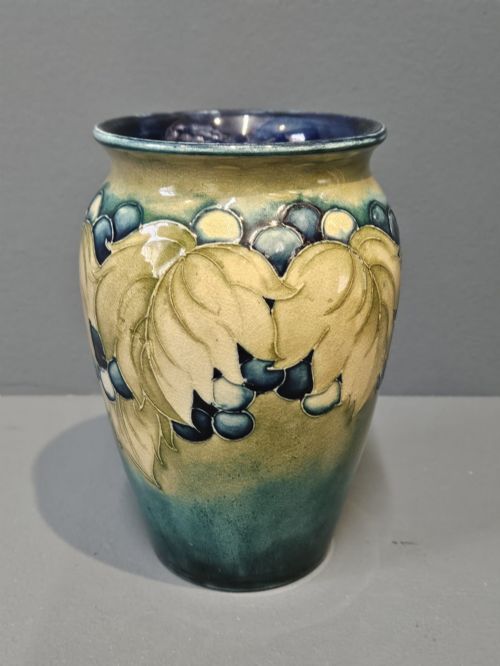
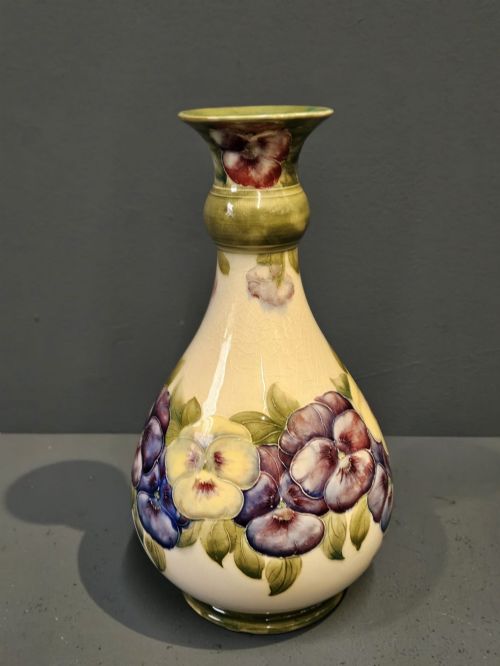
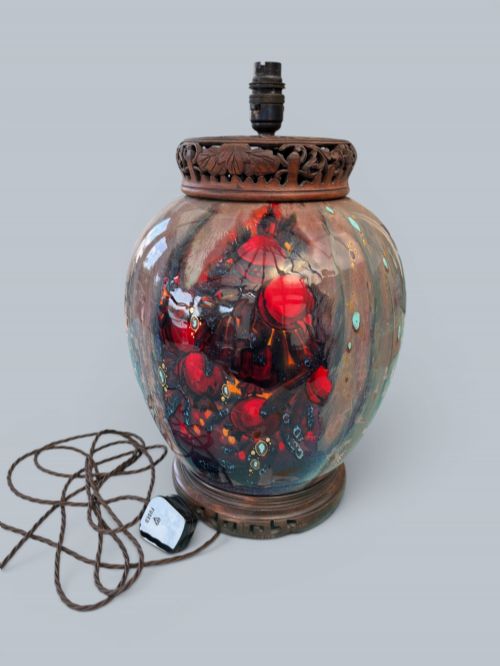
Antique Moorcroft pottery encompasses decorative items such as vases, tea services, decorative bowls, and decorative plates created during the early twentieth century. These objects reflect the stylistic influences of Art Nouveau and Arts and Crafts movements, capturing the organic forms and natural motifs popular in those periods.
The most common examples on this page are small vases, inverted rim bowls, and plates adorned with iconic botanical patterns like pansies, poppies, and pomegranates. Collectors frequently encounter pieces originating from the decades between nineteen hundred and nineteen twenty, representing the early evolution of the pottery.
Each piece demonstrates the transition from early factory collaborations to distinct studio output, maintaining strong links to the aesthetic principles of the Edwardian era. The forms remain functional yet primarily decorative, designed to showcase the intricate surface decoration that defines the maker's output.
Manufacture and materials
These items are produced using earthenware as the primary body, shaped into vessels, bowls, and flatware before receiving surface treatment. The clay provides a porous yet sturdy foundation for the subsequent application of decorative elements.
Makers applied intricate designs using raised outlining techniques before finishing the surfaces with glazed ceramic and glaze coats. The final firing fuses these liquid glass components to the earthenware body, producing the deep, glossy colour variations characteristic of the ware.
Retail Price Guide 2026
Typical UK retail prices for moorcroft pottery, calculated from the Sellingantiques database of over a million retail prices indexed since 2003. This retail price guide relies exclusively on Sellingantiques data; no external sources or auction records are used, so the figures do not describe the wider market.
Available forms include both functional tea services and purely decorative plates and bowls.
Assessing quality
Quality in these ceramics rests upon the crispness of the raised clay outlines and the depth achieved within the glazed ceramic surface. Superior examples display precise control over the fluid glaze layers, ensuring colours remain vibrant and evenly pooled across the botanical motifs.
The distinction between standard production items and finer output lies in the complexity of the painted palette and the registration of the design upon the earthenware body. Early pieces associated with specific designers or distinctive ware names often show greater artistic ambition in their execution.
William Moorcroft·Macintyre
The Antique Moorcroft Pottery Glossary
- Earthenware
- A porous type of pottery fired at relatively low temperatures, forming the structural base for these glazed ceramic objects. It requires a vitreous coating to become impervious to liquids.
- Glaze
- A glassy layer fused to the earthenware body during firing, providing colour, shine, and protection to the underlying ceramic form. Its thickness alters the appearance of the underlying decoration.
- Florian ware
- An early style of ceramic decoration characterised by blue and white or polychrome floral patterns applied with raised slip. It represents a significant phase in early twentieth-century pottery production.
- Art Nouveau
- An international style of art and architecture prominent around nineteen hundred, known for its curved lines and inspiration from natural forms. Moorcroft designs frequently adopt these flowing organic motifs.
Frequently Asked Questions
What is antique moorcroft pottery?
Antique moorcroft pottery comprises decorative earthenware items such as vases, bowls, plates, and tea services produced in the early twentieth century.
These ceramics are defined by their use of raised floral designs and rich coloured glazes reflecting Arts and Crafts aesthetics.
How do I identify early moorcroft?
Early pieces from the nineteen hundreds often feature specific early patterns like poppy, pansy, or pomegranate alongside distinct period signatures.
Examining the base marks and stylistic elements helps connect the item to the correct decade of manufacture.
What materials are used?
The items are constructed from earthenware clay finished with specialised glazes to create a durable, glossy surface.
Techniques involve applying raised outlines that contain the fluid colours during the firing process.
How should I display them?
These decorative bowls, plates, and vases suit placement on stable surfaces away from direct sunlight to protect the glaze.
Group items of similar periods together to create a coherent display of early twentieth-century ceramic art.