


Antique Mirrored Sideboard
An antique mirrored sideboard brings deep timber and reflecting glass together, offering both grand storage and a polished surface to catch the light.
Antique Mirrored Sideboard
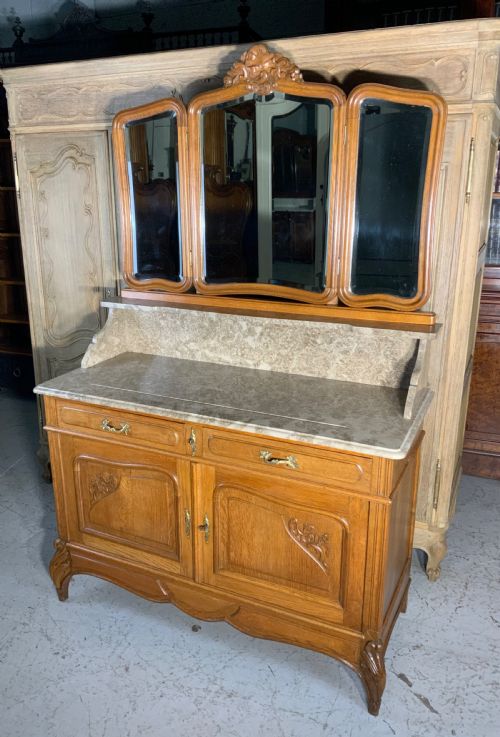
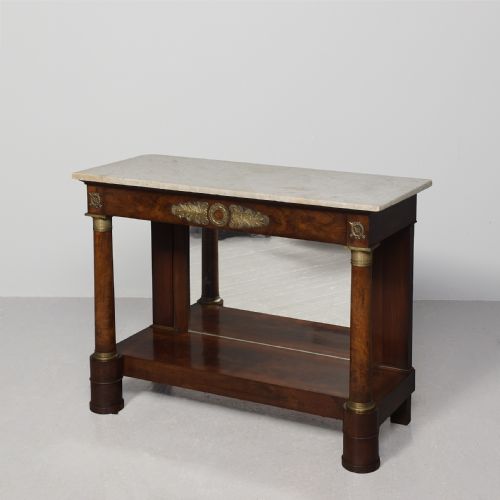
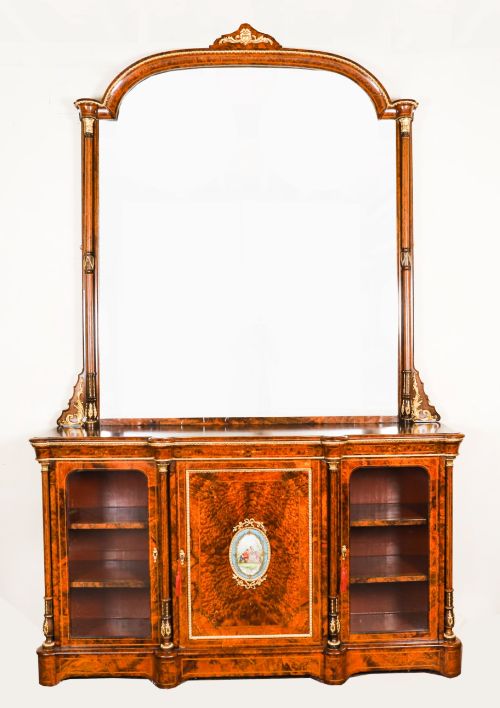
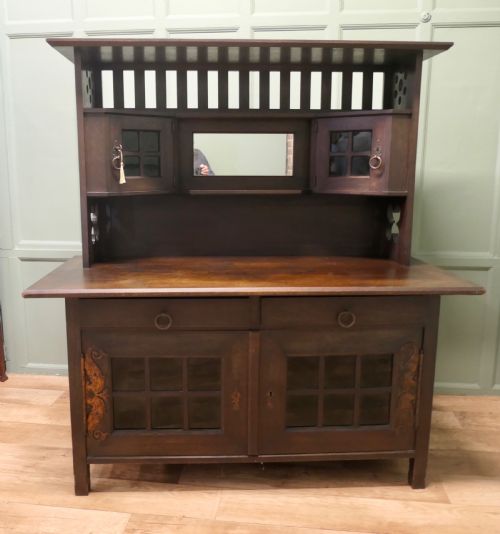
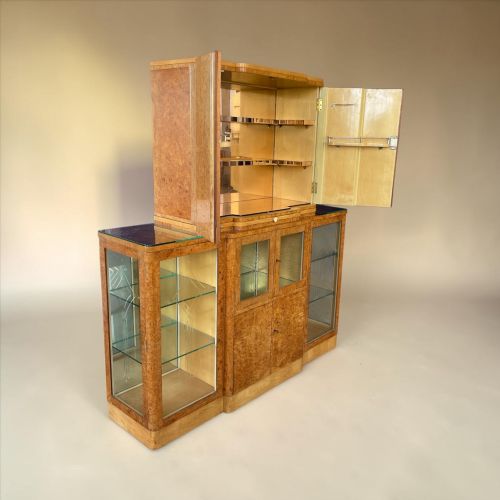
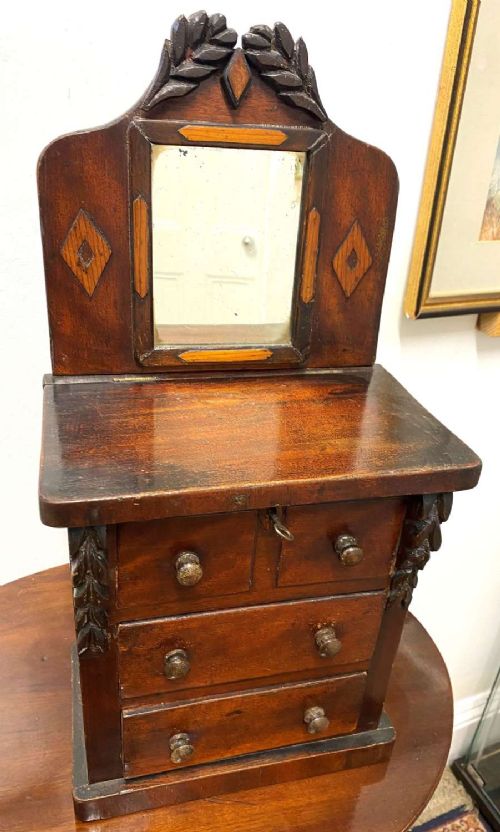
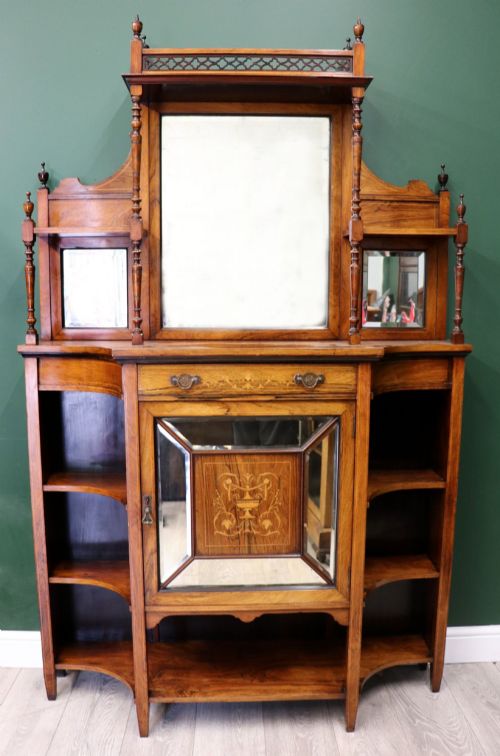
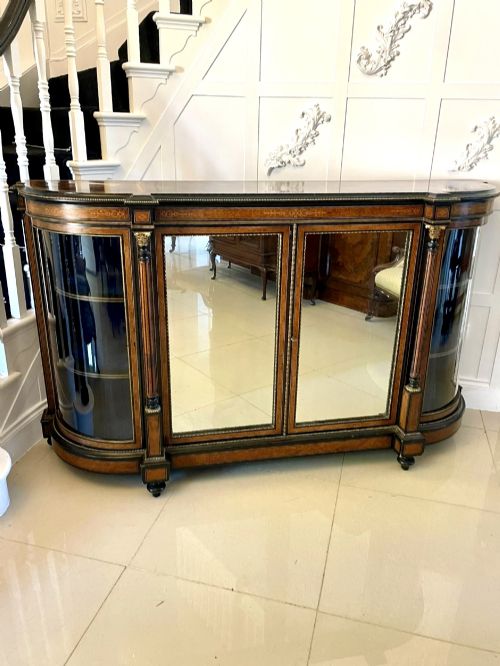
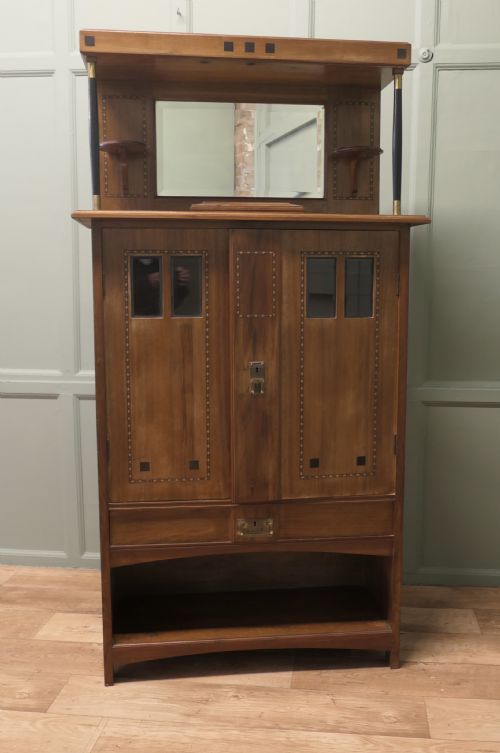
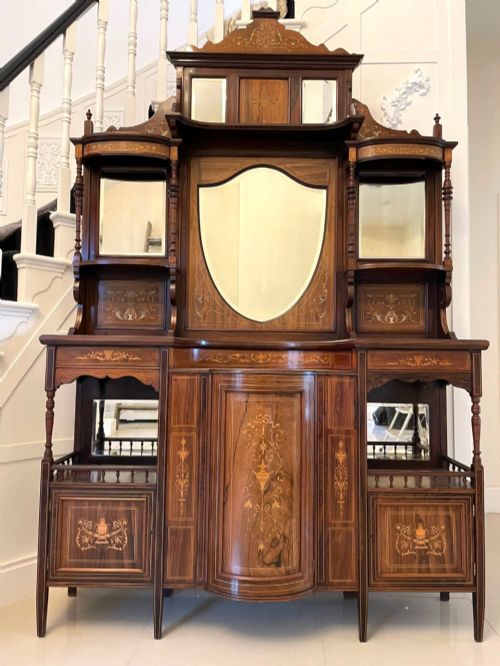
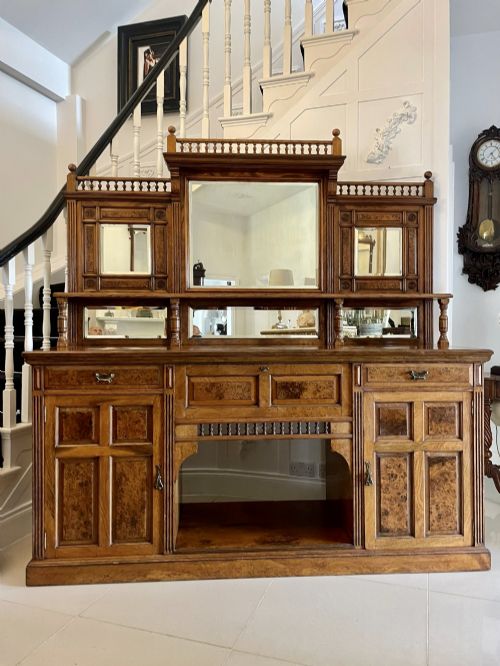
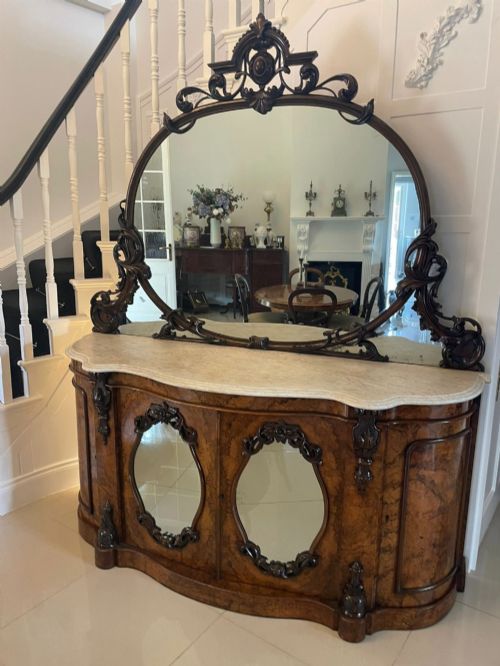
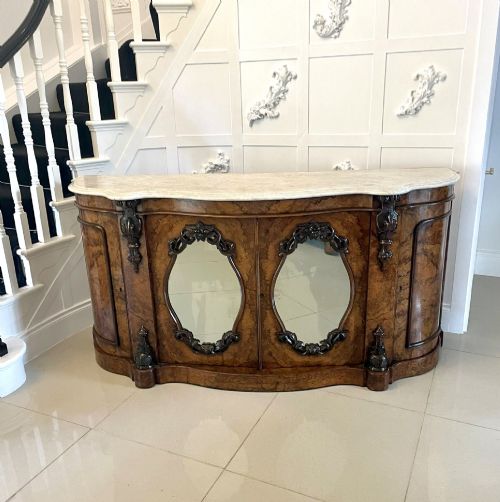
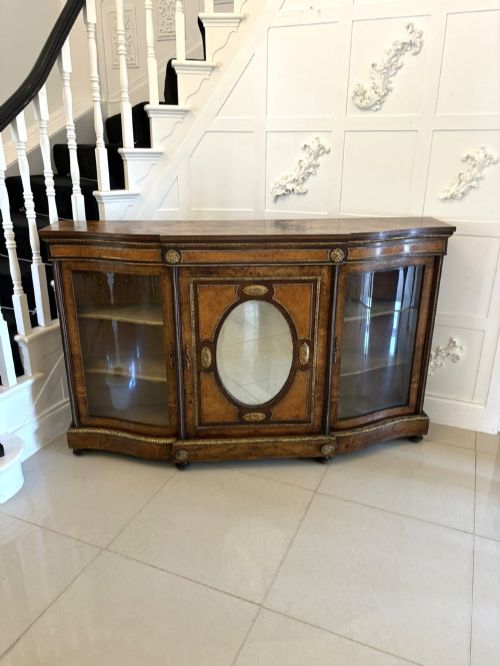
An antique mirrored sideboard combines substantial timber cabinetry with integrated glass plates, functioning as both a serving base and a decorative display piece. Buyers searching for an antique mirrored sideboard encounter heavy Victorian and Edwardian examples featuring carved wooden frames, upright mirror backs, and enclosed cupboards.
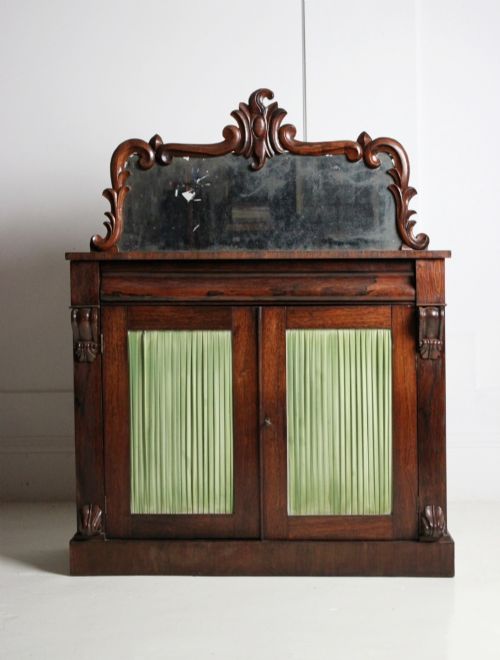
The selection ranges from elaborate burr walnut credenzas with ormolu mounts to sturdy oak Arts and Crafts buffets and simpler rosewood chiffoniers. Most pieces date from the nineteenth century, utilising dense hardwoods to support tall glass plates and heavy marble tops.
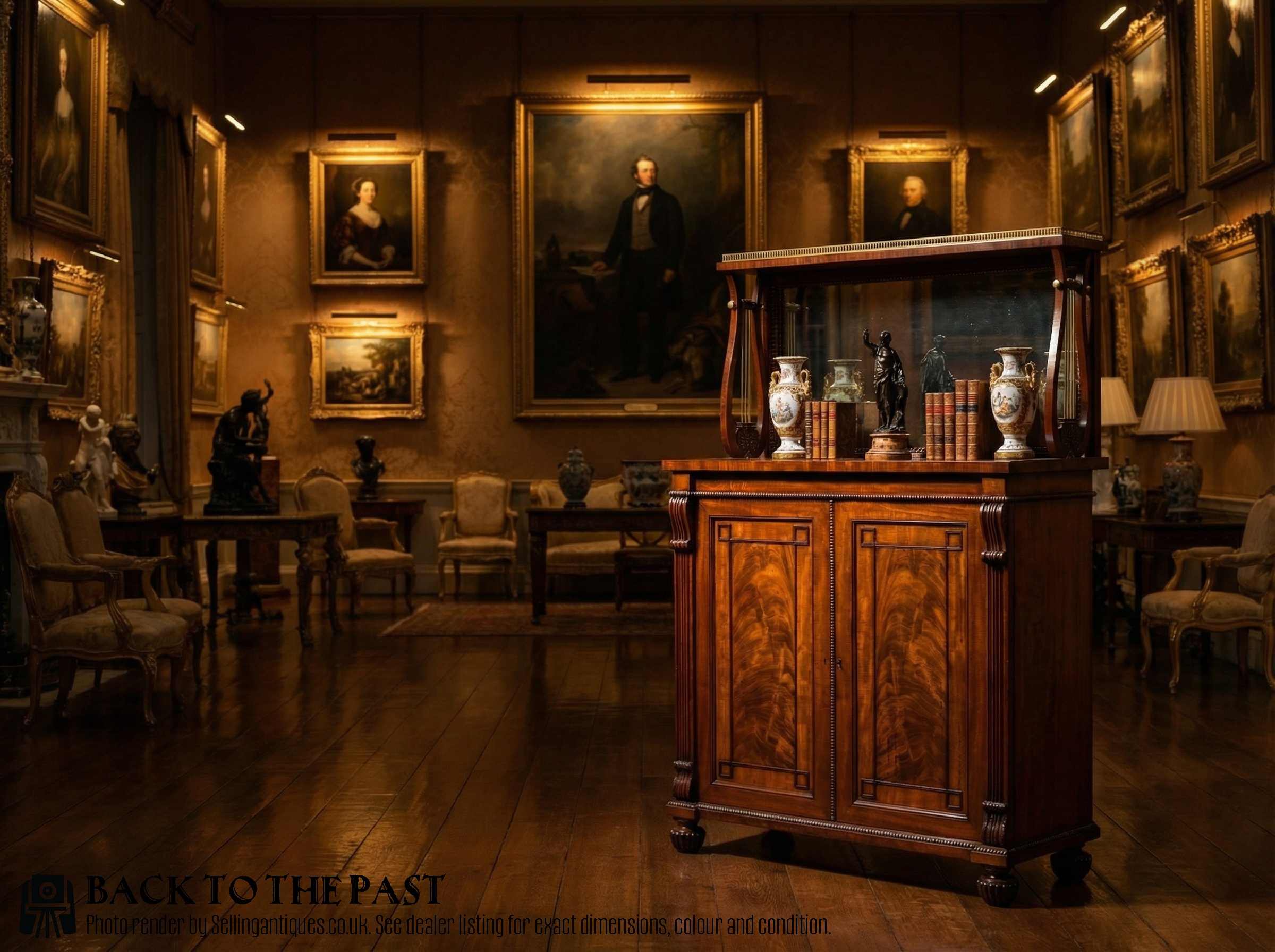
Makers integrated mirrors into sideboard backs and door panels to brighten dark nineteenth-century rooms and reflect porcelain or silver displayed upon the ledges. These forms served dining rooms and parlours, providing secure storage for linens, spirits, and plate.
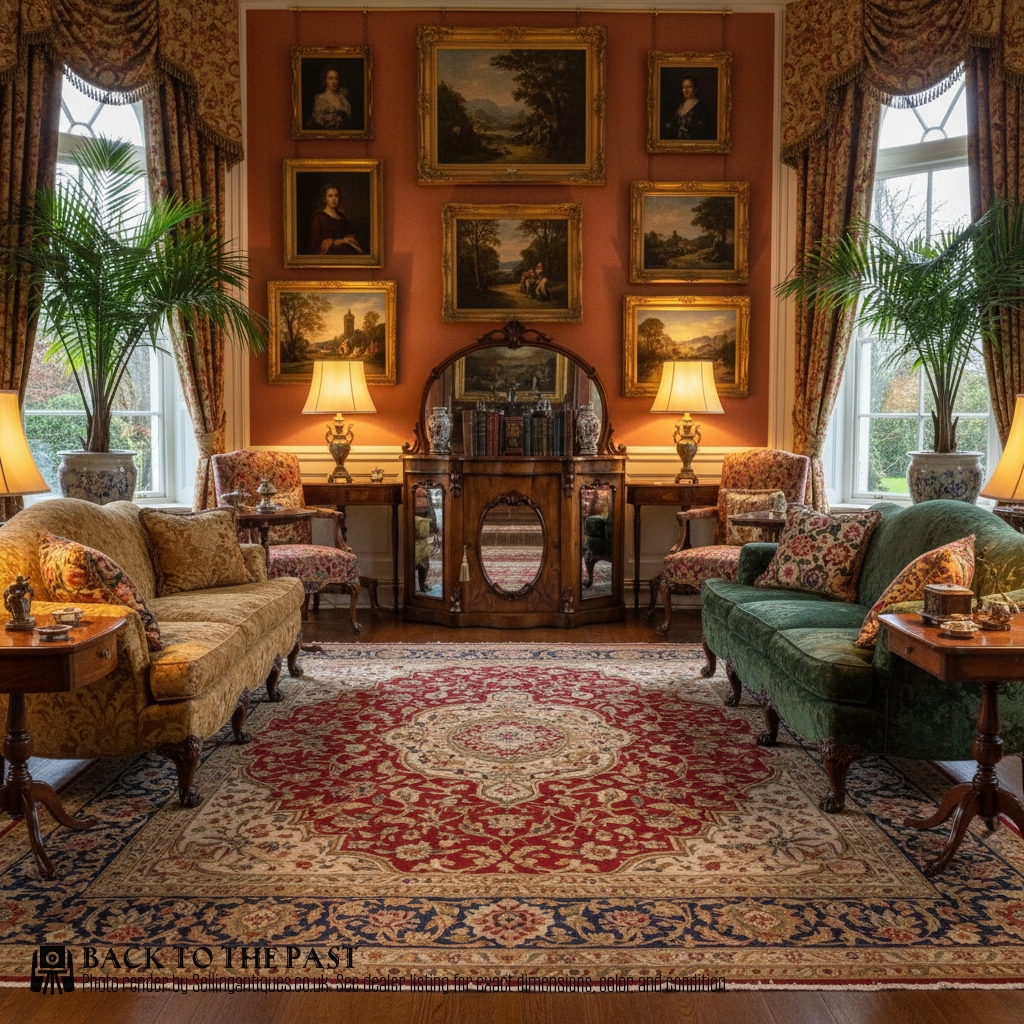
Materials and Construction
Cabinetmakers constructed these sideboards using foundational timbers such as mahogany, oak, and walnut, frequently applying decorative veneers like burr walnut and pollard oak to primary display surfaces. Artisans incorporated rosewood for rich dark tones and employed brass hardware, ormolu mounts, and parcel gilt highlights to accent the timber frames.
Mirror glass was set into carved wooden backboards or fitted directly into cabinet doors, held securely with wooden beads and backing boards. Marbles were selected for heavy serving tops, while intricate marquetry and inlaid banding utilised contrasting woods to pattern the drawer fronts and doors.
Antique Mirrored Sideboard Retail Price Guide 2026
Typical asking prices for mirrored sideboard among the pieces listed under this phrase on Sellingantiques today, from the lower quarter to the upper quarter. They describe what is for sale here now, not the wider market.
Mirrored sideboards doubled as secret cocktail stations where Victorians could check their cravats before greeting guests.
Standards of Execution
Quality rests upon the selection of timber veneers and the depth of the cabinet carving, where crisp, hand-chiselled foliage contrasts with softer, mechanical shaping. Superior pieces feature heavily figured burr walnut or pollard oak matched symmetrically across doors and drawers, demonstrating careful planning by the maker.
The integration of the mirror back dictates the architectural success of the piece, with better examples employing thick, bevelled glass plates secured within substantial, stable frames. Heavy brass or ormolu mounts, well-fitted internal shelving, and solid secondary timbers throughout the carcass distinguish high-workshop production from standard commercial output.
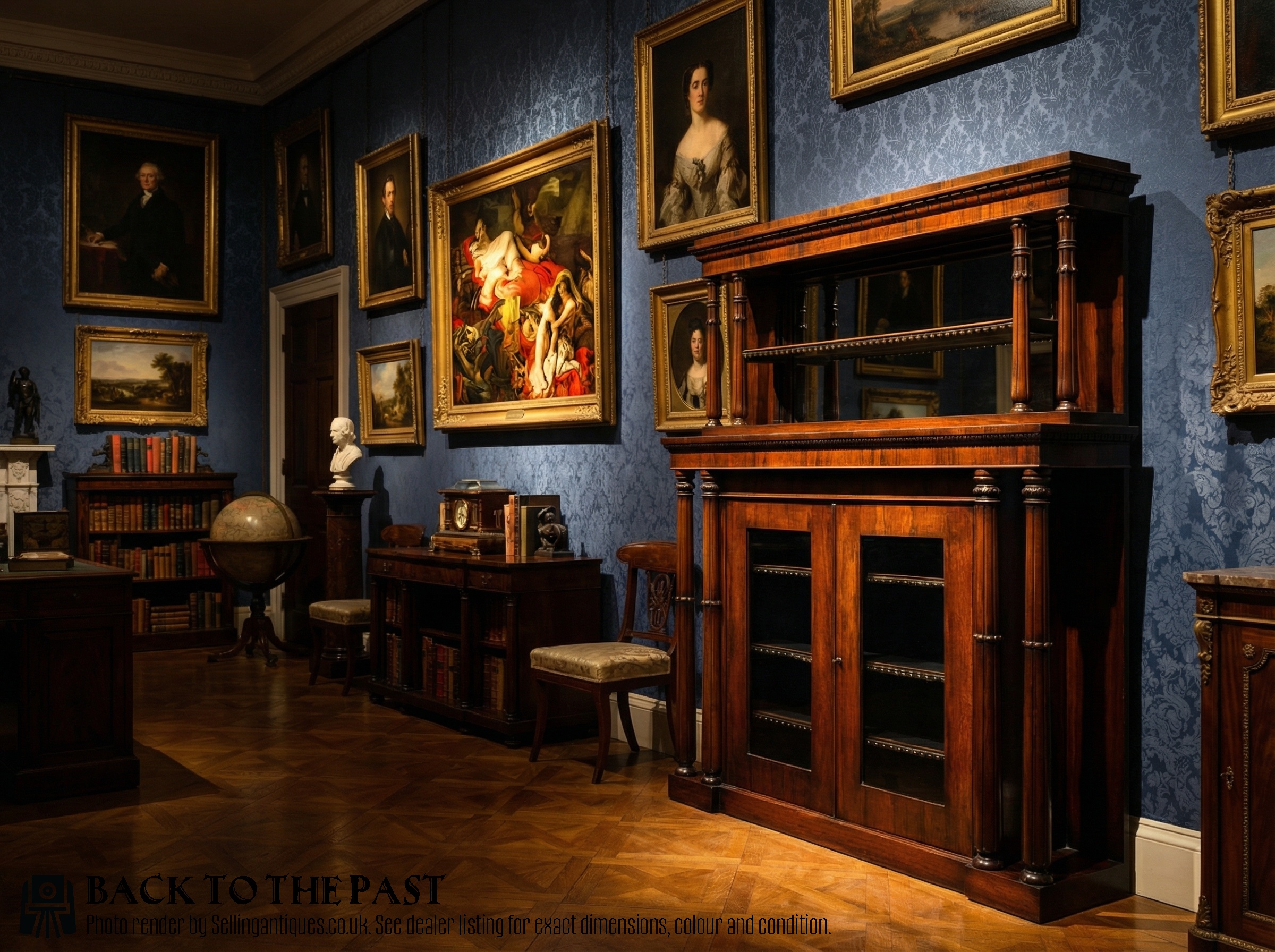
Shoolbred and Co·Collinson and Lock·Gillows
The Antique Mirrored Sideboard Glossary
- Credenza
- A low cabinet or sideboard, frequently fitted with mirrored doors and ormolu mounts during the Victorian period. These pieces often sat against principal drawing room walls.
- Chiffonier
- A compact wooden sideboard featuring a raised shelf or mirror back above enclosed lower cupboards. They emerged in the nineteenth century for smaller reception rooms.
- Ormolu
- Gilt-bronze mounts applied to furniture cabinetry for decorative contrast. This technique was favoured on high-status Victorian walnut pieces.
- Marquetry
- The art of forming decorative patterns using thin veneers of different woods. It appears frequently on nineteenth-century cabinet doors and drawer fronts.
- Pollard Oak
- Timber taken from trees that were pollarded, creating a dense, knobbly grain pattern. Cabinetmakers prized this wood for its distinctive figured surface.
Antique Mirrored Sideboard: Frequently Asked Questions
How do I date an antique mirrored sideboard?
Examine the timber species, construction joints, and the style of the mirror frame to determine the period. Victorian pieces often display heavy burr walnut and elaborate carving, while Edwardian examples tend toward lighter oak.
The backing boards, screw types, and bevelled edges on the glass provide further clues to whether the mirror is original to the cabinet carcass.
What is the difference between a chiffonier and a sideboard?
A chiffonier is generally smaller and lower than a traditional sideboard, designed originally for the storage of dining silver and linen in modest rooms. They frequently feature a single tier of mirror back or a small shelf supported by scrolling brackets.
Sideboards are larger dining room pieces with extensive cupboard space and wide serving surfaces, often paired with massive carved mirror frames in Victorian iterations.
Can these sideboards fit in modern dining rooms?
These sideboards provide substantial surface area and deep storage capacity, making them functional for modern living spaces as credenzas or media consoles. Their reflective glass back panels help to bounce natural light around contemporary rooms.
Careful measurement of ceiling height and doorway clearance is essential before introducing a large Victorian mirror-back piece into a home.
How should I care for the wood and mirror glass?
Maintain the polished timber surfaces with appropriate wax or polish applied sparingly with a soft cloth to preserve the patina. Avoid placing the cabinet in direct sunlight to protect vulnerable veneers from drying out.
Clean the mirrored glass using a lint-free cloth and a mild glass cleaner, taking care to prevent moisture from seeping behind the silvering or into the wooden frame.