

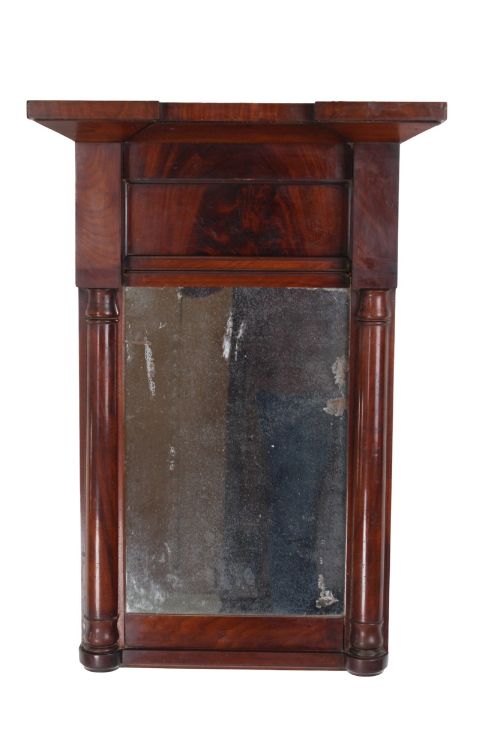
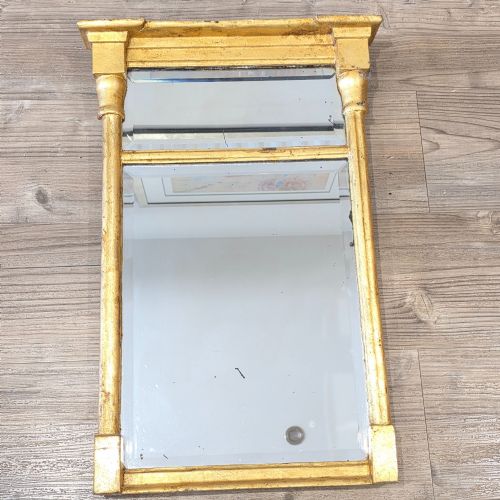
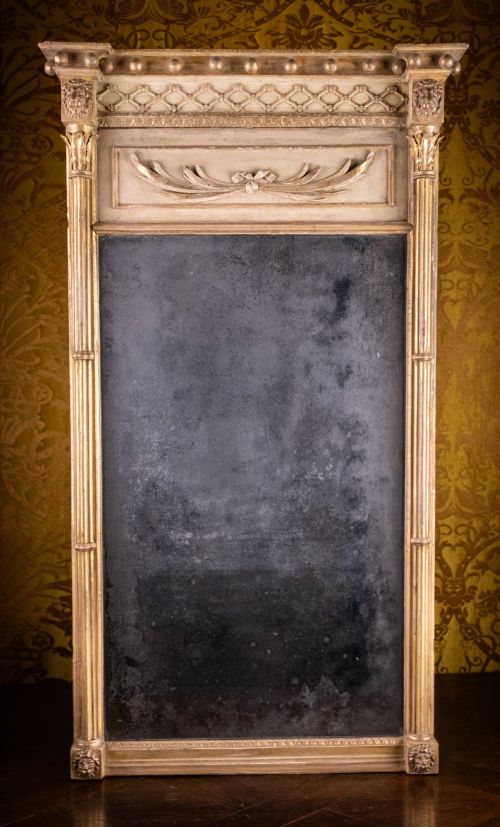
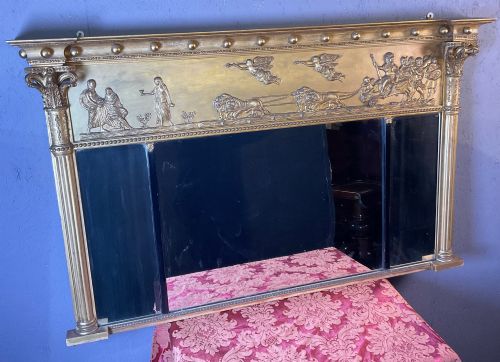

Antique Mirror with Columns
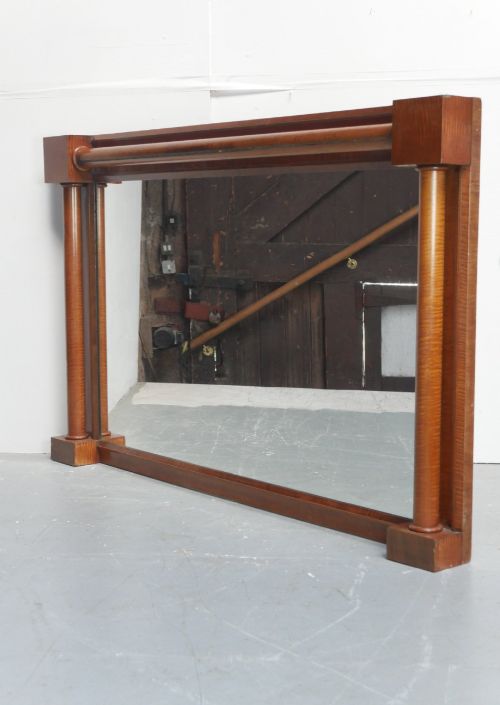
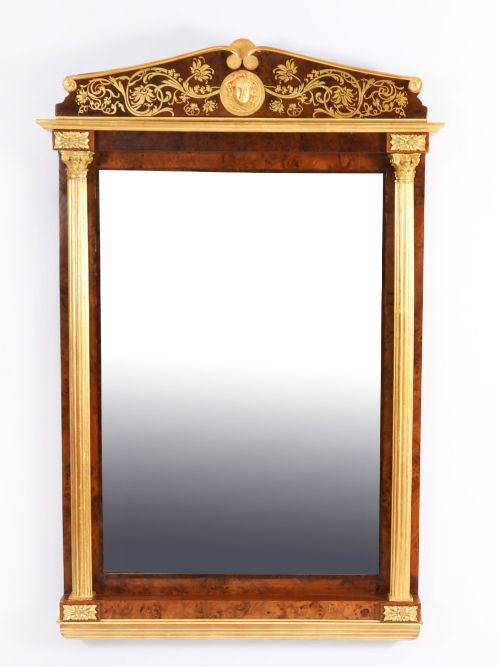
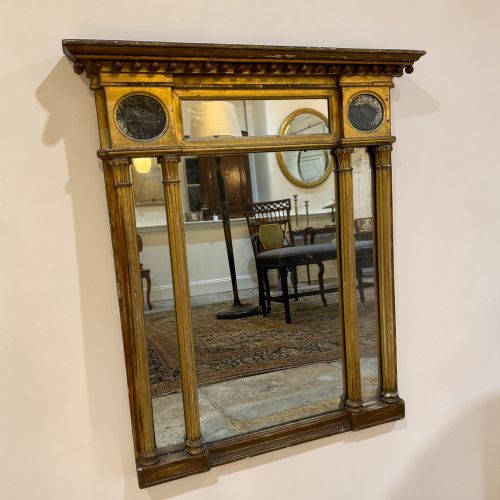
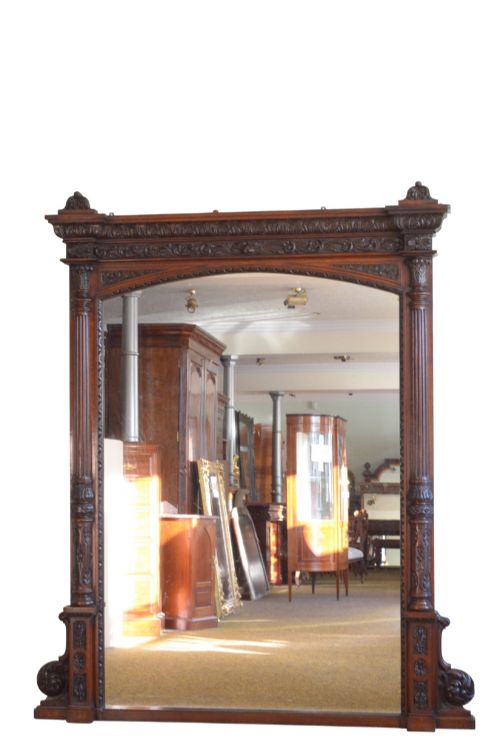
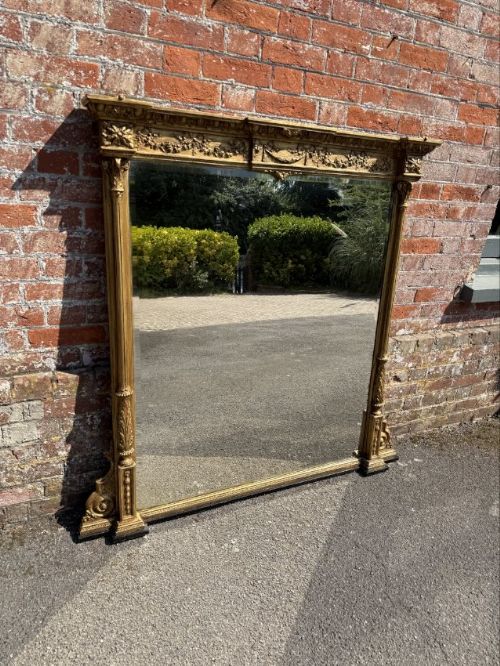
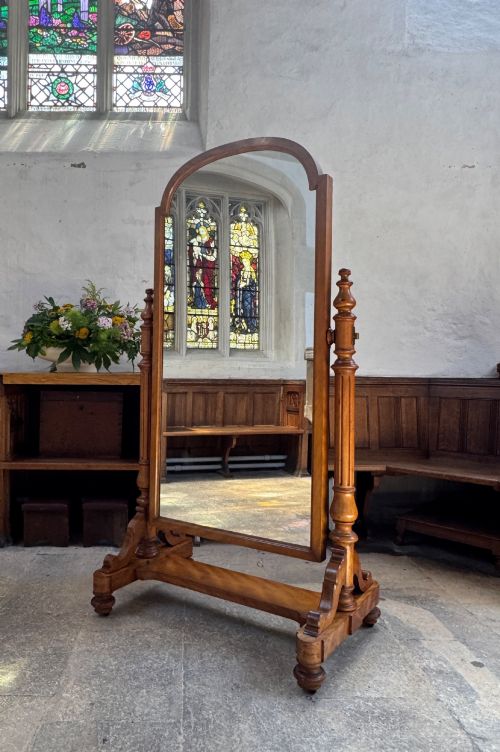
These antique mirror with columns pieces bring architectural presence to a room, combining architectural timber frames with reflective glass.
Antique Mirror with Columns
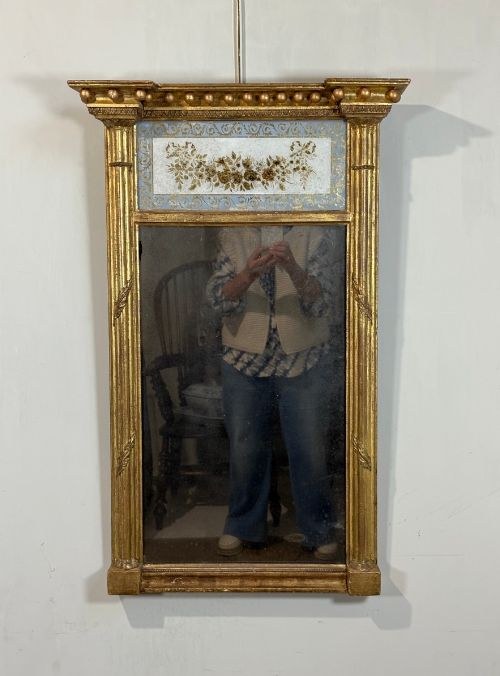
When you search for an antique mirror with columns, you encounter framed looking glasses that integrate architectural pillars or half-columns into their design. The pieces appearing here span from the late eighteenth century through the nineteenth century, including Victorian, Regency, and William IV periods.
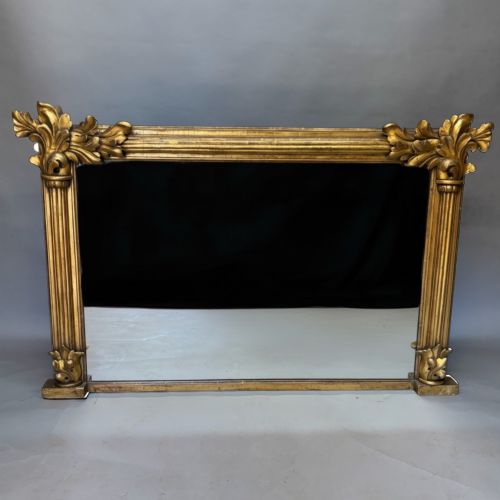
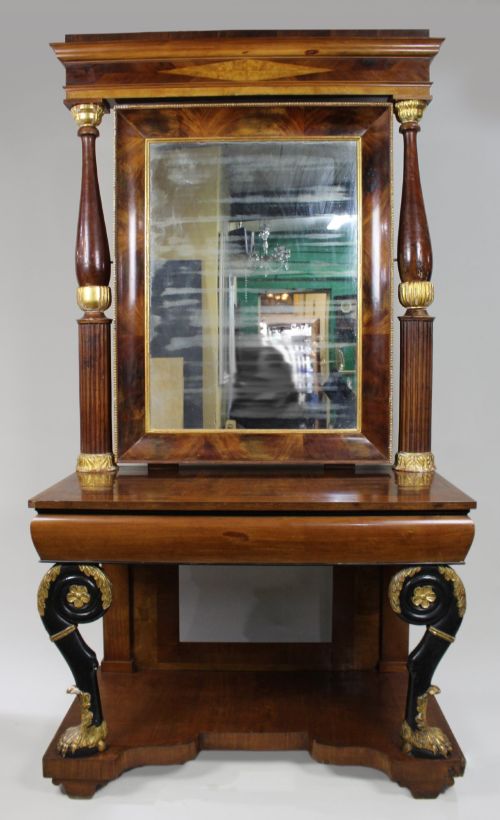
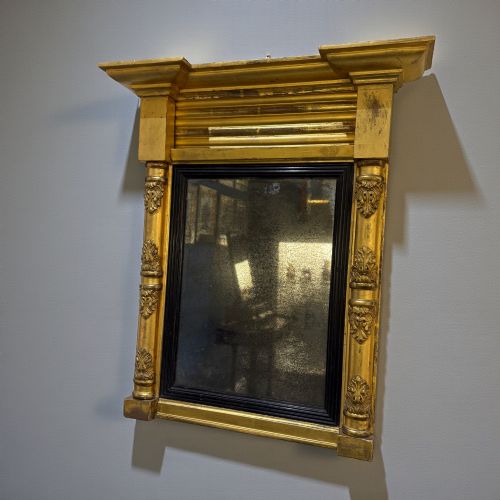
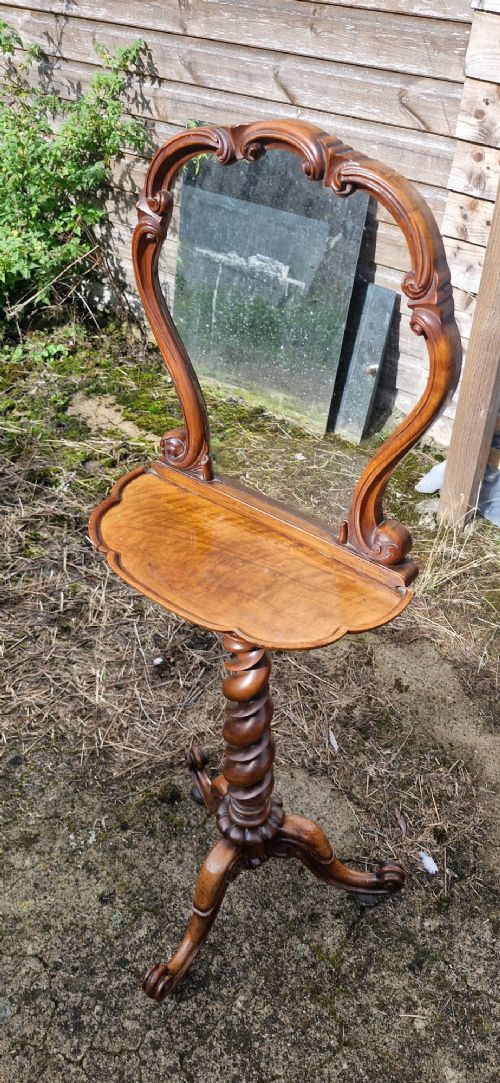
The forms vary from wall-hanging pier mirrors and overmantel mirrors to floor-standing and dressing variants, often utilising walnut, oak, mahogany, or gilded finishes. You are most likely to meet pier mirrors and overmantel mirrors fitted with side columns, pilasters, or turned supports.
Originating largely from English, French, Italian, and Swedish makers, these mirrors serve both functional and decorative roles in traditional interiors. Their architectural framework ranges from plain turned columns to ornate carved acanthus leaf decoration and giltwood surfaces.
Materials and construction
Makers constructed these frames using solid hardwoods like oak, walnut, and mahogany, alongside softer timbers finished with gesso and gold leaf or paint. Giltwood and ebonised wood provide contrasting tones, whilst specialised panels such as verre eglomisé or original mercury plate feature within the glass sections.
Carved details, including lion masks and acanthus leaves, ornament the timber and gesso frames alongside applied half-columns and side pilasters. Structural elements frequently incorporate marble tops or bases on related chiffoniers and pedestal forms.
Antique Mirror with Columns Retail Price Guide 2026
Typical asking prices for mirror with columns among the pieces listed under this phrase on Sellingantiques today, from the lower quarter to the upper quarter. They describe what is for sale here now, not the wider market.
Some tall Empire style frames stretch up to eight feet, demanding high ceilings and strong nerves during delivery.
Factors of quality
The refinement of the carved columns and decorative friezes distinguishes superior examples from simpler utilitarian items, showing crisp detailing in the acanthus leaves or lion masks. Hand-applied water gilding and genuine period mercury plate demonstrate higher craftsmanship compared to later replacements or machine-run mouldings.
Proportion and timber selection dictate the overall standing of a piece, with well-figured walnut, mahogany, or oak providing a coherent visual balance to the architectural framework.
The Antique Mirror with Columns Glossary
- Pier mirror
- A tall glass designed to hang on the narrow wall pier between windows. These pieces often feature flanking columns and decorative upper panels.
- Overmantel mirror
- A wide glass manufactured to sit directly above a fireplace mantelpiece. They frequently incorporate architectural columns and triptych sections.
- Verre eglomisé
- A cold decoration technique where gilt and silver designs are applied to the reverse of glass. It appears on upper panels of period mirrors.
- Mercury plate
- An early silvering method using a tin and mercury amalgam behind the glass. This creates a characteristic mottled reflection unique to older looking glasses.
- Acanthus
- A carved ornamental leaf motif derived from classical architecture. You see this foliage pattern decorating the friezes and columns of Regency and Victorian pieces.
Antique Mirror with Columns: Frequently Asked Questions
How do I date a columned mirror?
Dating relies on combining the timber type, the style of the columns, and the construction methods used in the frame. Regency and Victorian examples display distinct architectural motifs that align with broader design periods.
Examining the reverse of the glass, the backing boards, and the gilding technique helps confirm the era of manufacture.
What is a pier mirror?
A pier mirror is a tall looking glass traditionally hung on the wall space between two windows. Their vertical proportions made them ideal for reflecting light into darker rooms.
Many incorporate side columns or pilasters to match the architectural joinery of grand nineteenth-century interiors.
Are original mirror plates common?
Original mercury plates survive in several period pieces, identifiable by their slight distortion and characteristic dark speckling. These untouched surfaces are valued by collectors for their authentic appearance.
Replacement glass appears frequently in mirrors that have undergone restoration over the centuries.
How do I hang a heavy wall mirror?
Heavy wall mirrors require secure fixings anchored directly into the structural wall studs or masonry rather than plaster alone. Professional installation ensures the substantial weight of timber frames and glass is supported safely.
Overmantel mirrors often rest partly on the mantel shelf while being anchored to the wall for stability.