




Painted Glass Panel Mirror
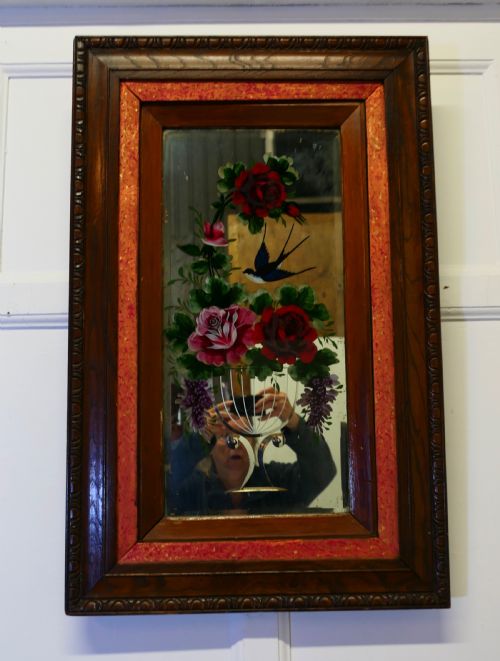
A painted glass panel mirror brings together reflective glass and oil painting or reverse painting, offering period charm for any room.
Painted Glass Panel Mirror
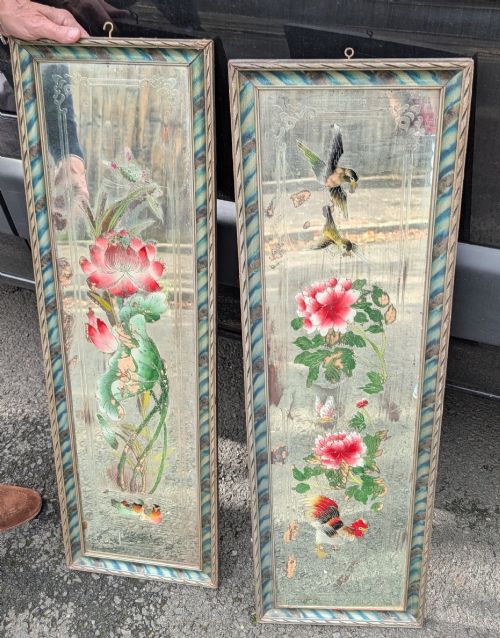
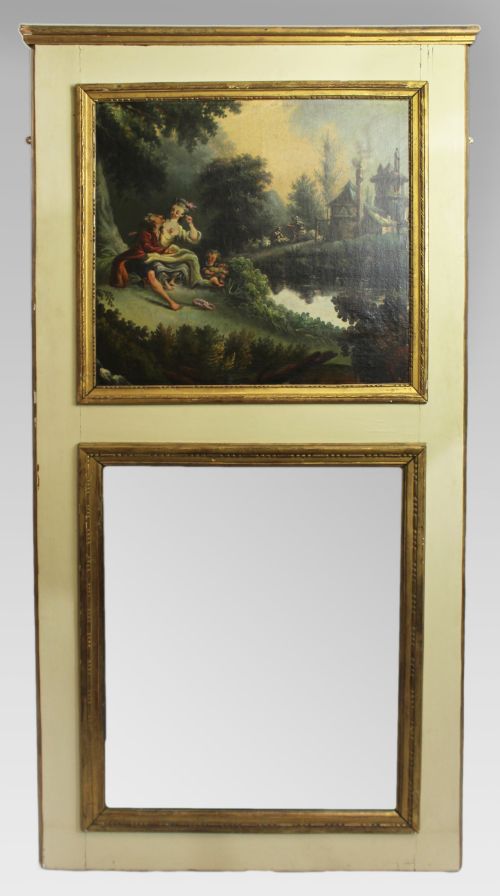
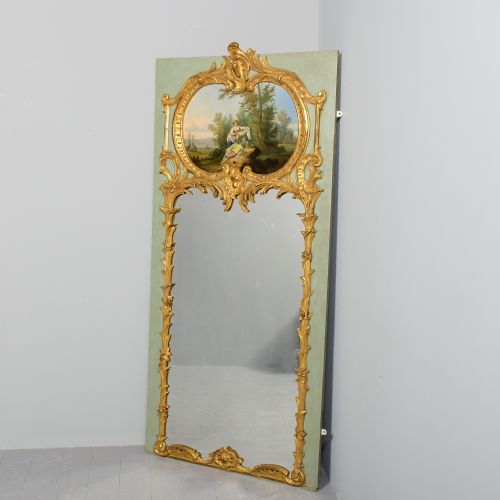
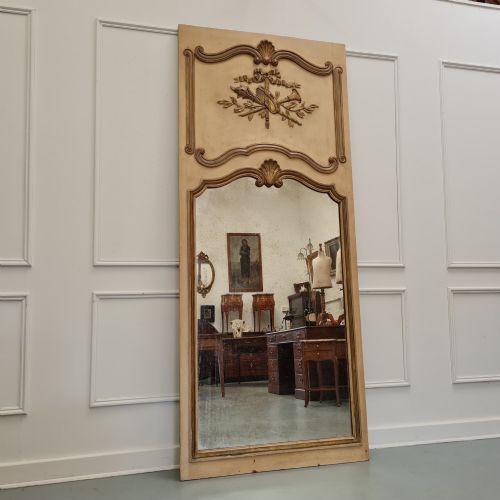
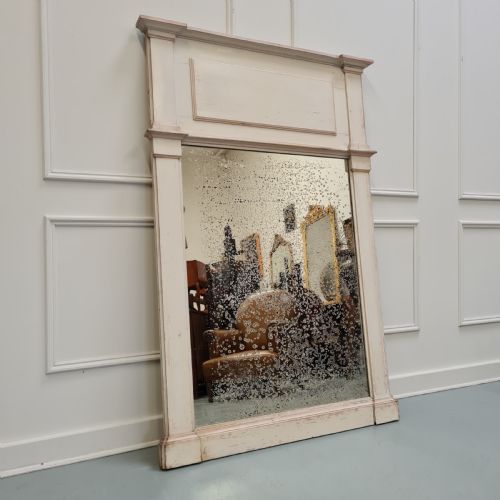
When you search for a painted glass panel mirror, you encounter pieces that combine traditional looking-glasses with decorative pictorial sections. These works appear predominantly as French trumeau mirrors from the nineteenth century, incorporating oil paintings or reverse-painted panels above the glass.
The inventory also spans Georgian, Regency, and Victorian examples, including pier mirrors, overmantels, and wall-hanging formats. Styles stretch from Chinoiserie and Louis XV Rococo to Aesthetic Movement ebonised designs and Victorian fairground pieces.
Buyers frequently find these objects framed in giltwood, painted wood, or satinwood, featuring inset scenes ranging from pastoral landscapes and shipping subjects to floral motifs.
How they were made
Maker construction relies on timber frames carved or shaped from wood, often finished with gold leaf, parcel gilt, or painted surfaces. Artisans incorporated mirror glass alongside specialised glass panels bearing paint, reverse painting, or etching.
Makers integrated oil paintings directly into wooden trumeau frames above the looking glass, utilising techniques traditional to French and English workshops of the Georgian, Regency, and Victorian eras.
A surprise Victorian fairground mirror proves that even carnival operators appreciated the charm of a painted glass panel.
What varies in quality
The refinement of the hand-painted or oil-painted panels dictates much of the character, distinguishing simple floral decoration from detailed pastoral landscapes or shipping scenes. Frame construction also separates standard production from pieces featuring intricate giltwood carving and sophisticated parcel gilt treatments.
The integration between the primary mirror plate and the upper decorative panel reflects the skill of the original maker, as does the preservation of original mirror glass and gilding across nineteenth-century and earlier examples.
The Painted Glass Panel Mirror Glossary
- Trumeau mirror
- A wall mirror featuring a decorative panel, often containing a painting or carving, set above the glass plate. This form originated in neoclassical interior design.
- Eglomisé
- A technique involving cold painting and gilding on the rear face of glass to produce a brilliant, reflective motif. It frequently appears in Regency pier mirrors.
- Pier mirror
- A tall looking-glass designed specifically to hang on the narrow wall space between windows. These pieces often feature painted panels or giltwood frames.
- Overmantel mirror
- A wide mirror intended for placement above a fireplace mantelpiece. They frequently incorporate painted panels or elaborate wood frames.
- Parcel gilt
- A finishing method where only specific portions of a wooden frame receive gold leaf, contrasting with painted or natural wood surfaces.
Painted Glass Panel Mirror: Frequently Asked Questions
Where should I hang a trumeau mirror?
These mirrors suit principal reception rooms, hallways, or above mantelpieces where their painted panels can be properly observed. Their vertical proportions make them effective on narrow wall spaces.
Ensure the wall construction supports the weight of framed wood and glass, particularly for larger nineteenth-century examples.
How do I clean the painted glass panels?
Dust the surface gently with a soft, dry cloth to remove loose particles without disturbing the paint or gilding. Avoid standard glass cleaners on reverse-painted or oil-painted sections.
Moisture can damage older painted surfaces and degrade silvering on historical mirror glass, so keep cleaning solutions away from vulnerable areas.
Are the painted panels original to the mirrors?
Most period pieces retain their original artwork, whether an oil painting on canvas or a reverse-painted glass panel set into the frame. Examining how the panel is secured helps determine its authenticity.
Stylistic consistency between the frame and the painted subject generally indicates a unified piece from the nineteenth century or earlier.
What styles are available?
Selections include French Louis revival designs, Regency gilt pier mirrors, Victorian Aesthetic Movement pieces, and Chinoiserie wall hangings. Each style employs distinct framing materials and painting subjects.
Materials range from giltwood and carved walnut to painted wood and satinwood, reflecting the aesthetic preferences of their respective periods.