
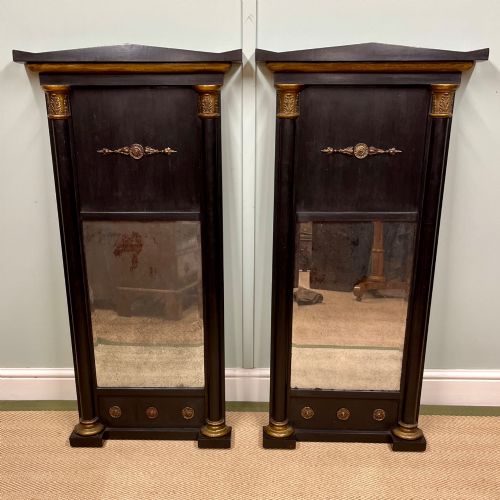


Ebonised Pier Mirror
An ebonised pier mirror brings striking architectural depth and dark contrast to a room, framing reflections with deep, blackened wood.
Ebonised Pier Mirror
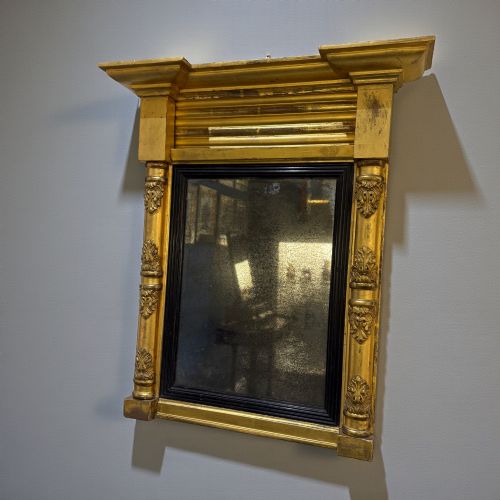
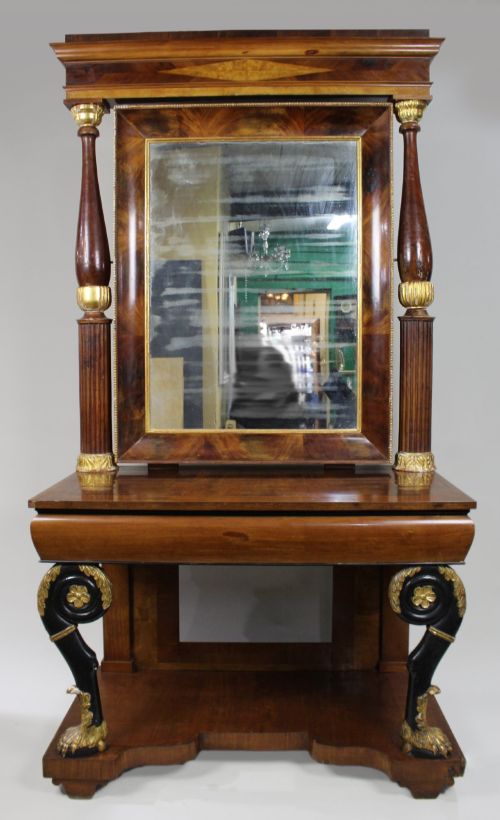
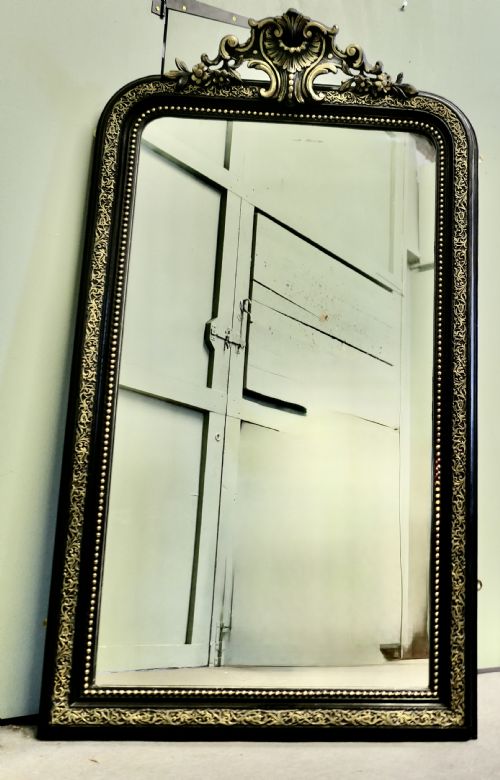
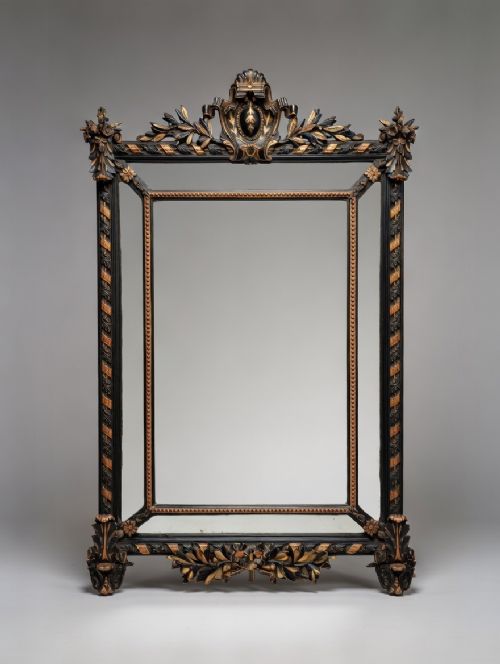
When you search for an ebonised pier mirror, you are looking at tall wall-hanging glasses designed historically to sit on the narrow wall space between windows. The examples you meet on this page span from the Georgian and Regency eras through the Victorian period and into late nineteenth-century Aesthetic and Napoleon III styles.
These wall pieces frequently combine dark ebonised wood with contrasting highlights of parcel gilt, gold leaf, or gesso. Alongside dedicated pier mirrors, the forms include tall hall mirrors, console tables, and overmantel variations shaped from walnut, birchwood, mahogany, and amboyna.
How they were made
Cabinet makers constructed these frames using dense hardwoods like mahogany, walnut, and birchwood, which were subsequently stained or painted black to imitate costly ebony. Artisans then applied gesso mouldings to create relief details before laying gold leaf or parcel gilt highlights over selected surfaces.
The reflective glass plates were fitted into tall, narrow rebates, sometimes accompanied by decorative girandole candelabra arms or shipping panels. French and English workshops utilised traditional joinery to ensure the towering frames remained stable under their own weight.
The listings on this page span the 19th Century, Regency, and Victorian periods, utilising materials such as ebonised wood, giltwood, gesso, and gold leaf.
What varies in quality
The standard of a piece rests heavily on the depth and crispness of the carved gesso and the precision of the parcel gilt work. Superior examples display hand-tooled ornament where the black ebonised finish and gold leaf interact with sharp, clean lines.
Build quality reveals itself in the weight of the timber frame and the preservation of the original mirrored glass plate. Pieces showing integrated console tables, candelabra, or complex burr veneers demonstrate higher ambition from the maker than simpler wall-hanging frames.
The Ebonised Pier Mirror Glossary
- Ebonised
- Wood treated with stain, paint, or chemical processes to simulate expensive ebony. This dark finish gained immense popularity during the nineteenth century for its dramatic contrast with gilt highlights.
- Pier glass
- A large mirror manufactured specifically to hang on the narrow pier of wall situated between two windows. These tall glasses were often paired with console tables placed directly beneath them.
- Parcel gilt
- A surface treatment where only specific raised details, carvings, or mouldings are covered in gold leaf. It creates a striking two-tone effect against the dark ebonised background.
- Gesso
- A plaster-like mixture applied to wooden frames and carved or moulded into relief ornamentation before gilding. The quality of this material dictates how sharp the decorative motifs appear.
- Girandole
- A branched wall-light or candleholder attached directly to the frame of a mirror. These fixtures multiplied the available light in dark Victorian reception rooms.
Ebonised Pier Mirror: Frequently Asked Questions
Where should I hang a pier mirror?
Historically, these tall glasses were positioned on the narrow wall space between two windows to reflect natural light deeper into a reception room. Today, they work effectively in hallways, above console tables, or on any substantial vertical expanse that requires architectural presence.
The vertical proportions demand a wall with adequate height to let the frame breathe without feeling cramped by surrounding furniture.
How do I date an ebonised mirror?
Dating relies on combining the overarching style, such as Regency restraint or Victorian elaboration, with the construction methods visible on the reverse. Materials like amboyna and burr walnut, alongside specific motifs associated with the Aesthetic Movement, point toward the latter half of the nineteenth century.
Earlier Georgian and Regency examples tend to feature simpler classical proportions and heavier gilt integration alongside the blackened wood.
Are these mirrors fragile?
While the dense hardwoods and thick gesso frames provide structural substance, the sheer height of these pieces means they require secure wall fixings to bear their weight safely. The original glass plates and delicate parcel gilt highlights also demand careful handling during relocation.
Keeping them away from direct heat sources helps protect the historical timber and traditional finishes from unnecessary stress.
What is the difference between a pier mirror and a hall mirror?
A pier mirror was originally engineered to stand above a low console table between windows, often featuring proportions suited to reflecting light across a formal drawing room. Hall mirrors served a more domestic function near an entrance, sometimes incorporating valet hooks or umbrella stands.
Over time, maker terminology overlapped, and many tall vertical wall mirrors served both purposes depending on the room layout.