
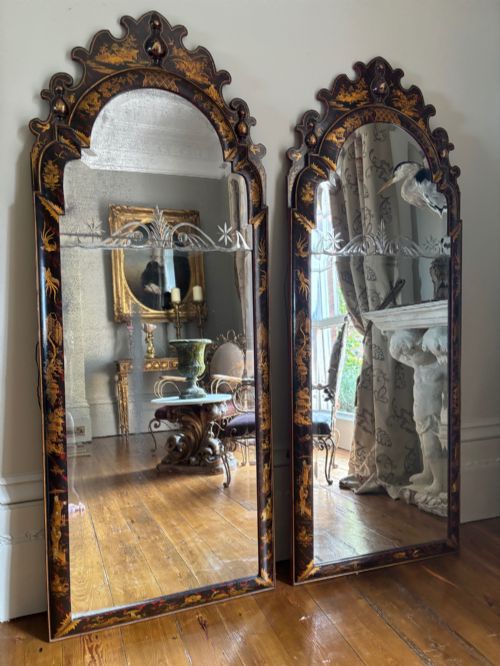
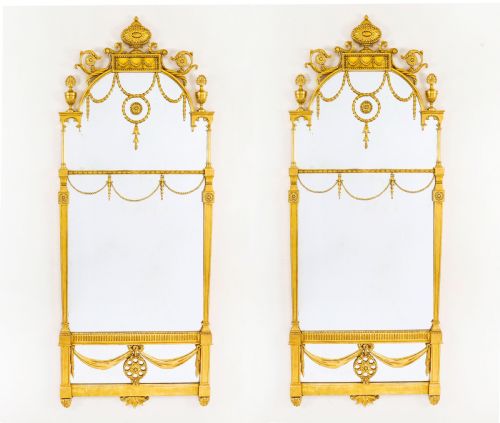
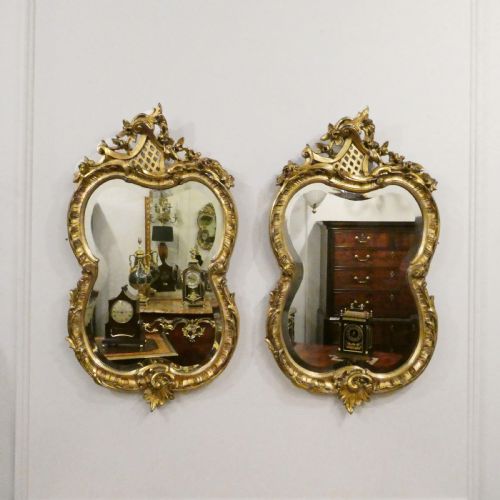
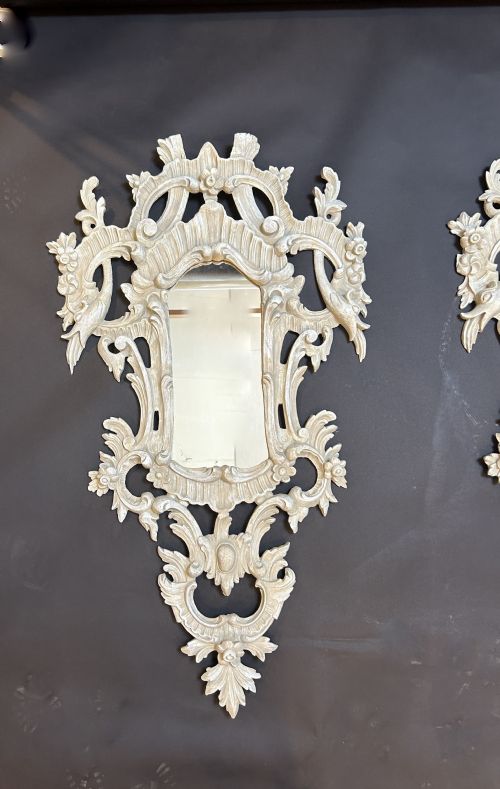


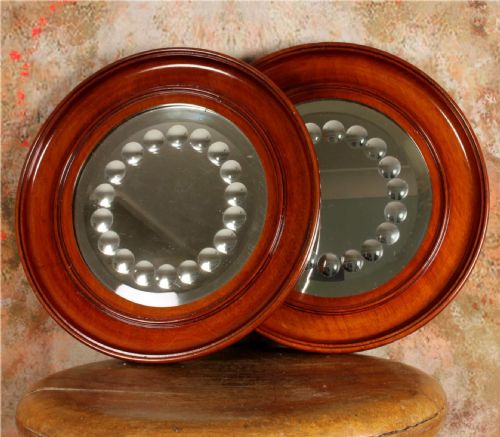
Antique Mirror Glass Pair
An antique mirror glass pair delivers symmetrical impact to a room, offering matched reflective panels shaped by centuries of craftsmanship.
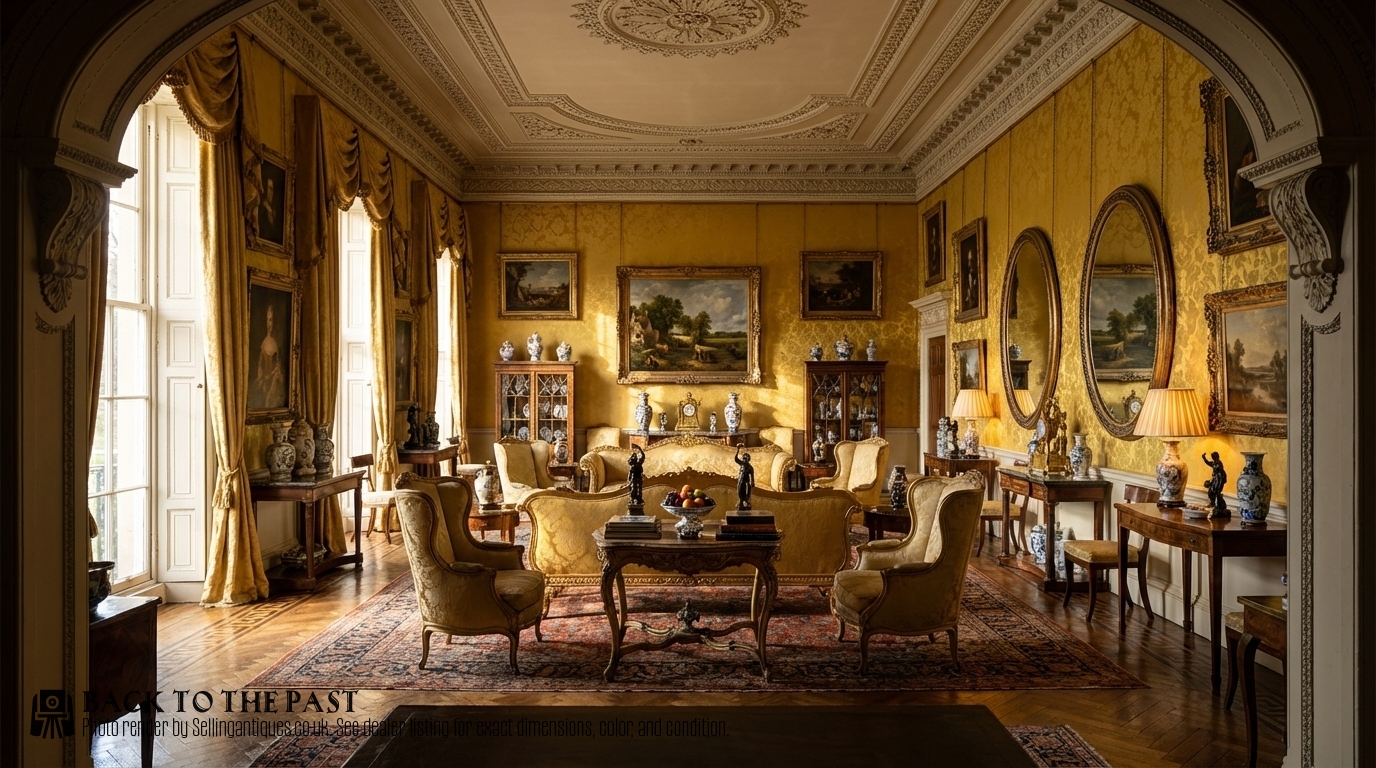
Antique Mirror Glass Pair
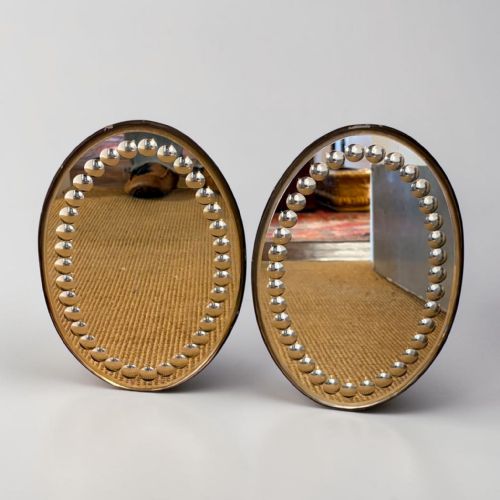
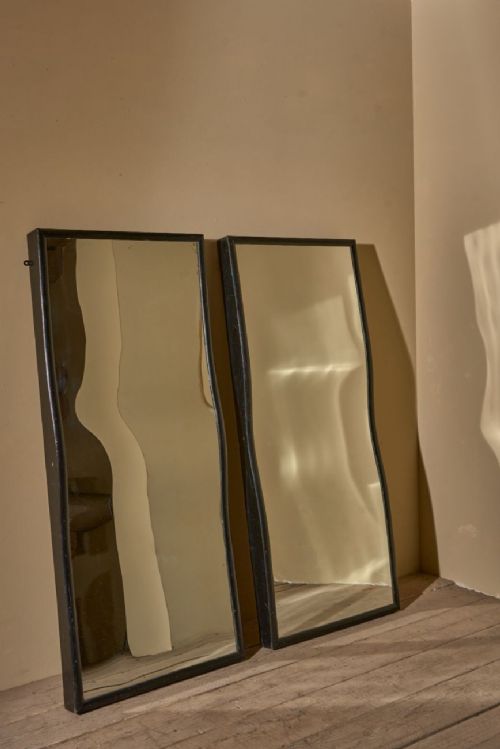
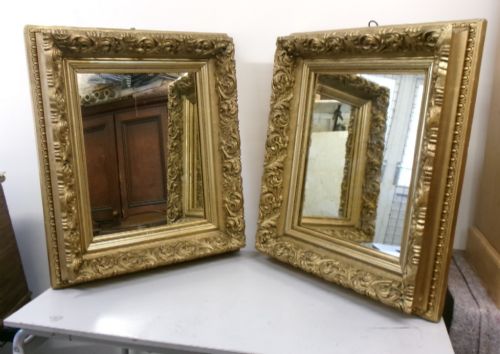
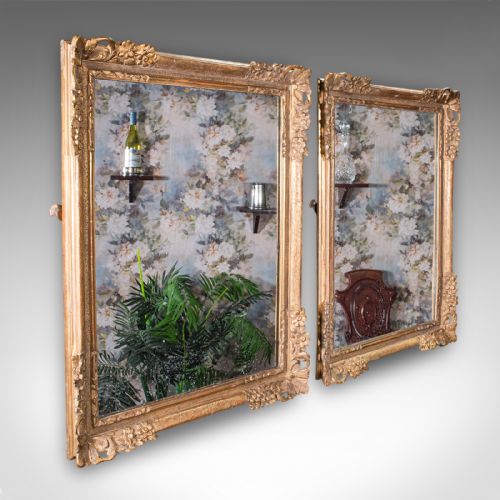
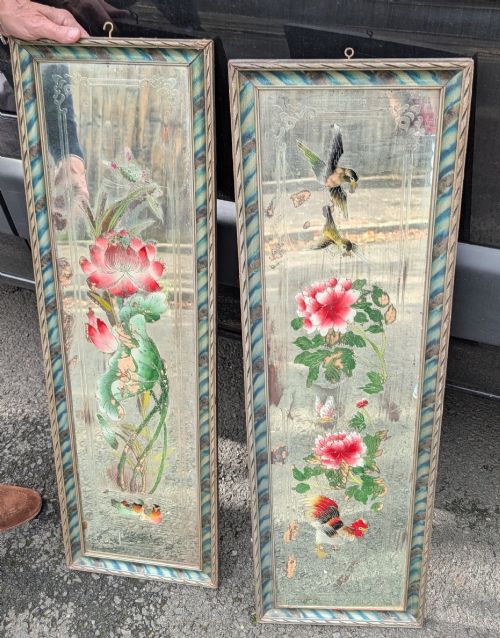
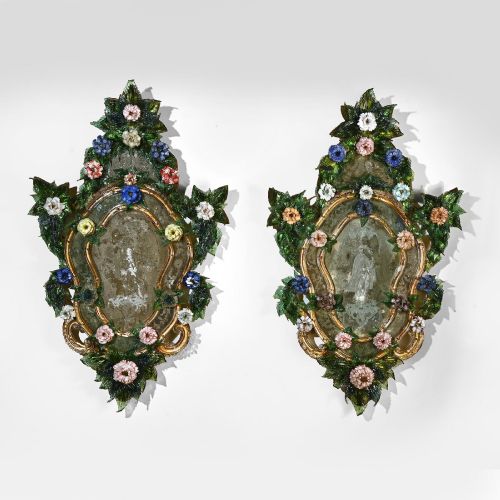
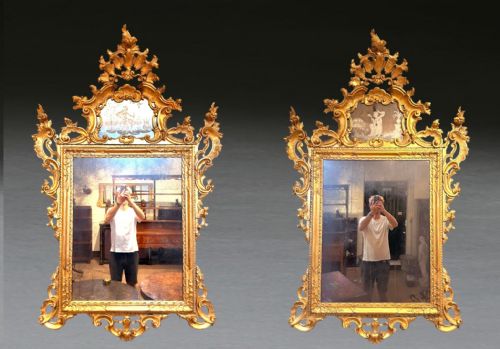
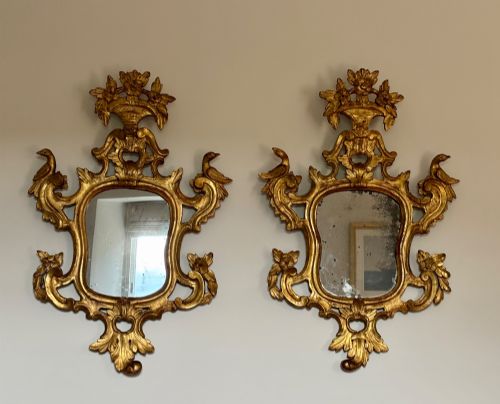
When you search for an antique mirror glass pair, you encounter matched sets designed to hang together or coordinate across a room. These objects appear in forms such as wall mirrors, pier mirrors, girandoles, and console tables with matching mirrors, spanning periods from the eighteenth century through the Art Deco era.
The selection ranges from Venetian Murano glass and Regency giltwood pieces to Victorian brass frames and early twentieth century fairground or wall light pairings. Buyers find both English country house proportions and continental styles, including Rococo revival, Neoclassical, and Gothic designs.
How they were made
Frames rely on traditional woodworking and ornamentation techniques, utilising carved giltwood, gesso, pine, walnut, rosewood, and brass. Artisans applied gold leaf to gesso and timber frames, creating the reflective surfaces characteristic of pier and wall mirrors.
Reflective plates include mercury mirror glass and bevelled glass, alongside specialist etched and engraved rectangular panels. Many examples incorporate original fittings, holding the glass securely within decorative wooden or metal structures.
Some Victorian sets include sorcerer's mirrors and convex witch's balls designed to distort reflections and capture the entire room in miniature.
What varies in quality
The depth and intricacy of the carving separate standard frames from superior examples, particularly in giltwood and polychrome pieces where hand-carved details define the silhouette. The integrity of the original glass plates and silvering also determines the character of the pair.
Coherence between the two items in a set matters significantly, as matched pairs that retain their original surfaces and matching proportions command greater appreciation among collectors.
The Antique Mirror Glass Pair Glossary
- Pier Mirror
- A tall mirror designed to hang on the wall space between windows. These pieces often coordinate with console tables placed below them.
- Giltwood
- Timber coated with gold leaf over a prepared gesso ground. This finish provides the bright metallic surface seen on eighteenth and nineteenth century frames.
- Girandole
- A decorative wall mirror featuring attached candle sconces. The candle arms reflect additional light into the room from the glass surface.
- Mercury Glass
- A double-walled glass blown with a silvering solution inserted between the layers. This technique creates a misty, deep reflective quality distinct from modern aluminium backing.
- Plateau Mirror
- A tabletop mirrored tray used as a centrepiece for displays. These reflective surfaces often sit on tables to reflect decorative objects placed upon them.
Antique Mirror Glass Pair: Frequently Asked Questions
How do I hang a heavy pair?
Heavy frames require secure wall fixings distributed evenly across the structure to support the weight of the timber and glass.
Professional installation ensures that both items hang level and at matching heights on the wall.
Can I separate a matching pair?
Separating a matched set diminishes the decorative and historical integrity intended by the original maker.
Keeping the two pieces together maintains their symmetrical purpose in interior design.
How do I clean antique glass?
Use a soft, dry cloth to remove dust from the glass surface and the surrounding frame without applying excessive pressure.
Avoid chemical cleaning solutions that might seep behind the plate and damage the original silvering or mercury backing.
What is a pier mirror?
A pier mirror is a tall, narrow looking glass traditionally hung on the solid wall pier between two windows.
These pieces were frequently paired with matching console tables to create a unified architectural arrangement.