


Antique Military Portrait Artwork
When you search for antique military portrait artwork, you are looking at centuries of painted service, from seventeenth-century commanders in armour to wartime pastel sketches.
Antique Military Portrait Artwork
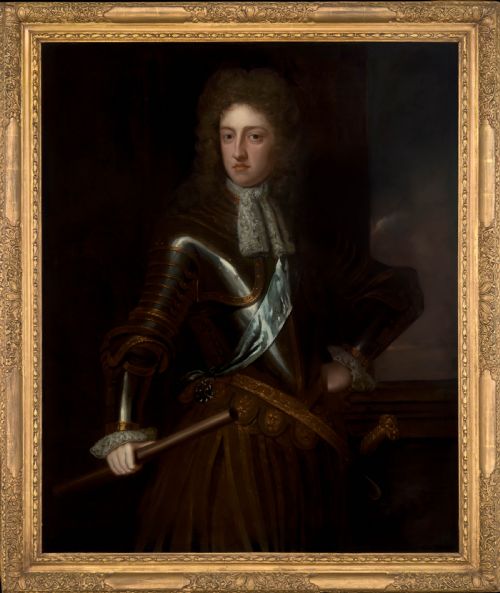
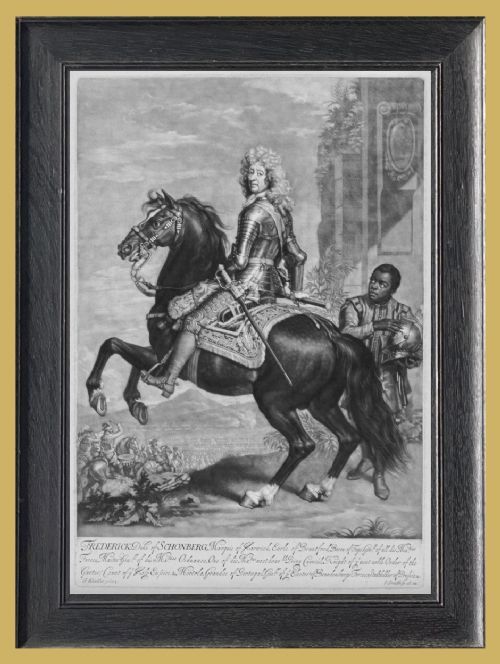
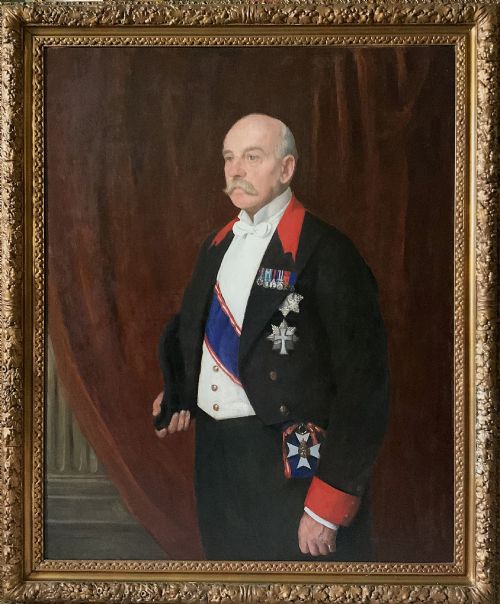
When searching for antique military portrait artwork, collectors encounter painted records of officers, regiments, and naval figures spanning several centuries. The material on this page ranges from early oil paintings and mezzotint prints to nineteenth-century watercolours and wartime pastel sketches.
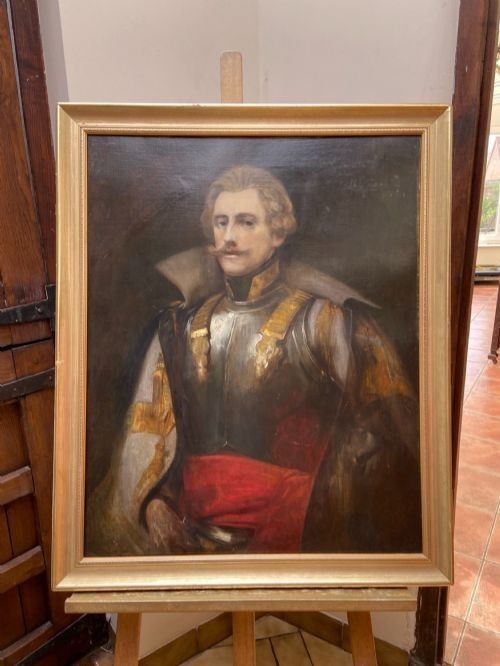
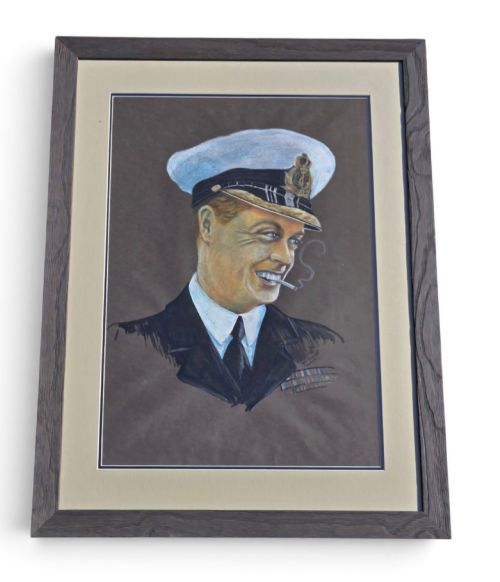
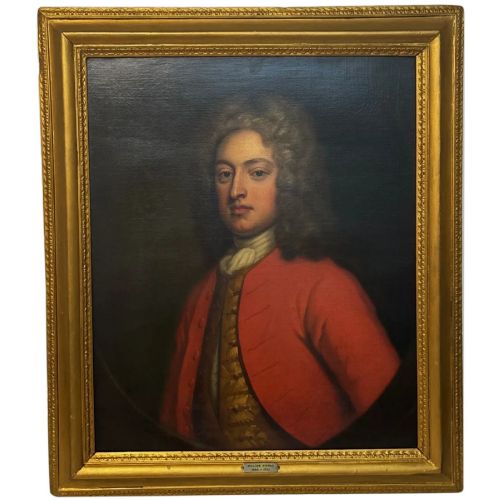
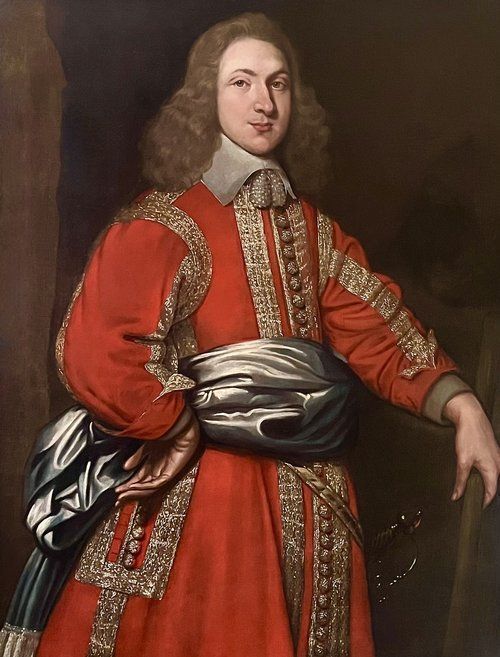
The most common formats met here are oil on canvas and framed works on paper, capturing subjects like dragoons, guardsmen, and naval officers in formal uniform or active service. These pieces document individuals from British, French, and Anglo-Dutch schools, often identifying specific historical figures by name and rank.
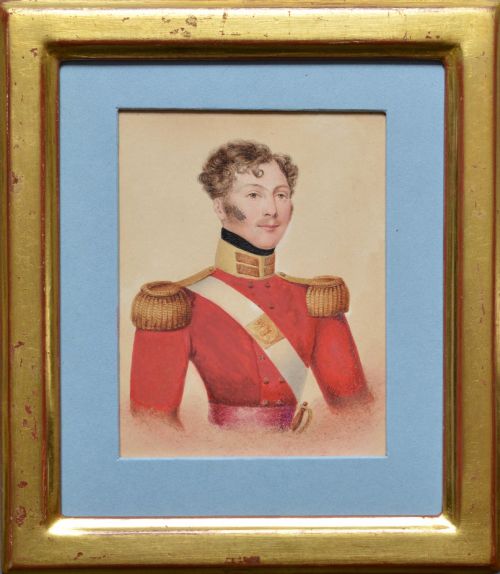
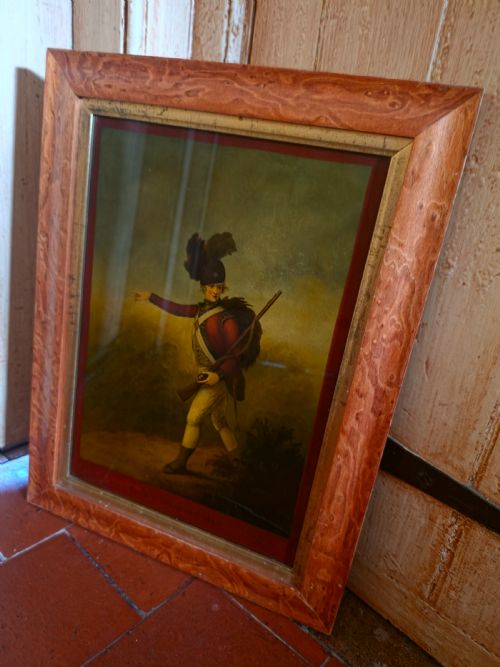
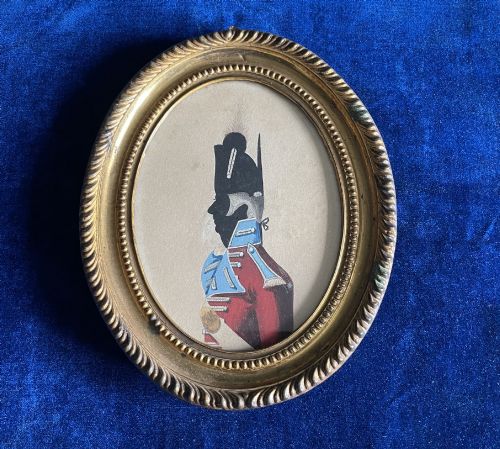
Beyond formal oils, the selection includes miniature portraits, reverse glass pictures, and graphic prints that reflect the changing depiction of military life over time. Each piece serves as a visual document of uniform development and personal commission practice across the seventeenth, eighteenth, and nineteenth centuries.
Materials and techniques
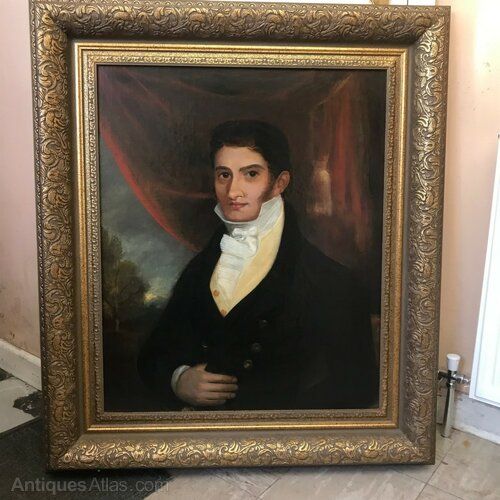
Artists working on these portraits relied primarily on oil on canvas, applying pigment to heavy fabric supports often housed in giltwood frames. Watercolour, gouache, and pastel on paper appear frequently in later periods, particularly for rapid wartime sketches and detailed studies of uniform.
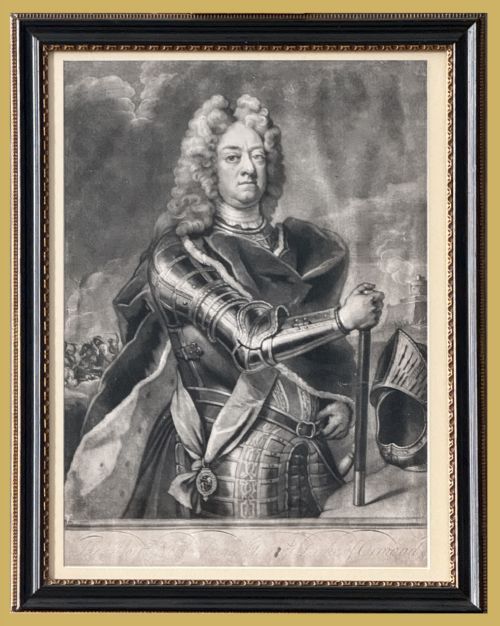
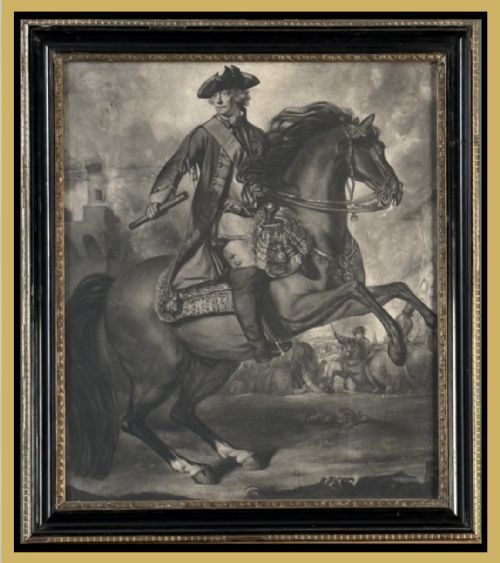
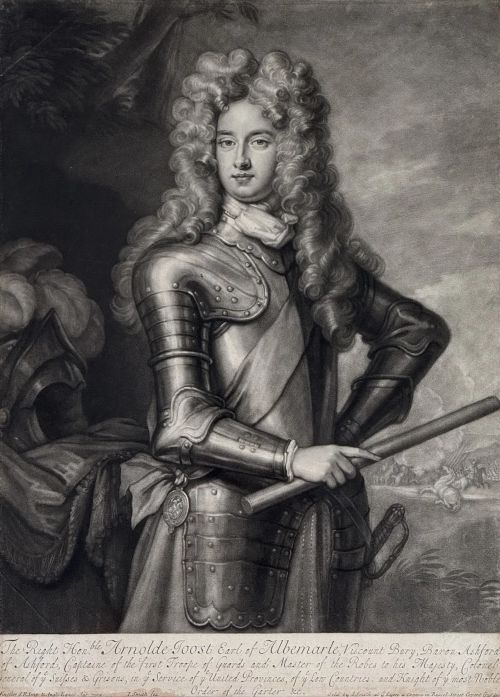
Printmakers utilised the mezzotint technique on paper, translating painted oils by masters into multiple tonal impressions for wider circulation. Specialised methods like reverse glass painting and porcelain wall plaques also occur, demonstrating the variety of media employed to capture military likenesses.
A sailor once painted an ironclad battleship on paper to remember his mates.
Factors determining quality
The standard of a piece rests heavily on the fidelity of the uniform detail and the competence of the hand in rendering facial anatomy and expression. Works originating from named studios or recognised printmakers display superior draughtsmanship compared to anonymous provincial output.
The integrity of the original surface, the depth of the tonal range in mezzotints, and the preservation of the backing canvas or paper govern the overall standing of the artwork. Original framing, particularly period giltwood, adds significantly to the historical coherence of the piece.
John Simon·Michael Dahl·Edward Fisher·Sir Joshua Reynolds·John Smith·J Sommer·Sir Godfrey Kneller·Herskind·J Hardy·Nicolas De Largillière·Van Dyck
The Antique Military Portrait Artwork Glossary
- Mezzotint
- A printmaking process of the intaglio family where the plate is roughened to achieve rich dark tones and subtle gradations of light. This technique was widely used in the eighteenth century to reproduce painted military portraits.
- Reverse glass painting
- An art form where the image is painted directly onto the back of a glass panel and viewed from the front. This delicate method creates a glossy surface finish particular to specific decorative items.
- Gouache
- An opaque water-based paint that dries to a matte finish, frequently combined with watercolour in military sketches. It allows for solid areas of colour and sharp detailing on uniforms.
- Oil on canvas
- Pigment suspended in a drying oil applied to a stretched woven fabric support. This traditional medium forms the majority of large-scale portraits on the market.
- Pastel
- A dry medium consisting of powdered pigment and a binder, used for rapid portrait sketches. It yields soft textures well suited to intimate facial studies.
Antique Military Portrait Artwork: Frequently Asked Questions
How do I identify the rank of the officer?
Uniform details such as lace, epaulettes, gorgets, and headwear provide direct visual evidence of the subject's military standing and regiment. Contemporary inscriptions on the canvas or frame often record the officer's name, rank, and regiment explicitly.
Comparing the depicted uniform against historical dress regulations for periods like the Georgian or Victorian eras helps confirm the branch of service. Naval officers can be distinguished by specific cuff braid, cocked hats, and the presence of naval hardware.
What is the difference between an oil painting and a mezzotint?
An oil painting is a unique, hand-painted work utilising pigment on canvas or panel, created directly by the artist. These pieces offer textured brushwork and rich colour layers unique to the creator's hand.
Mezzotints are printed multiples created from a metal plate that has been worked by hand to produce tonal gradations. While printed rather than painted, period mezzotints hold historical value as contemporary reproductions of major portrait paintings.
How should I display antique portrait art safely?
Keep works on paper and canvas away from direct sunlight and high humidity to prevent fading, foxing, and warping of the support. Stable indoor temperatures protect both the delicate binders in pastels and watercolors and the cracking structure of aged oil paint.
Ensure that wall fixings securely support the weight of heavy giltwood frames and large canvases. Professional framing using acid-free mounts preserves works on paper over decades.
Are wartime sketches historically reliable?
Wartime sketches executed in pastel, gouache, or watercolour provide immediate, eyewitness records of uniforms and personnel during active conflict. Artists working on location captured transient details that formal studio painters might omit.
These rapid drawings often include period annotations naming the subject, regiment, and date of execution. Such documentation makes them particularly valuable for military historians and collectors.