

Sepia Framed Wall Art
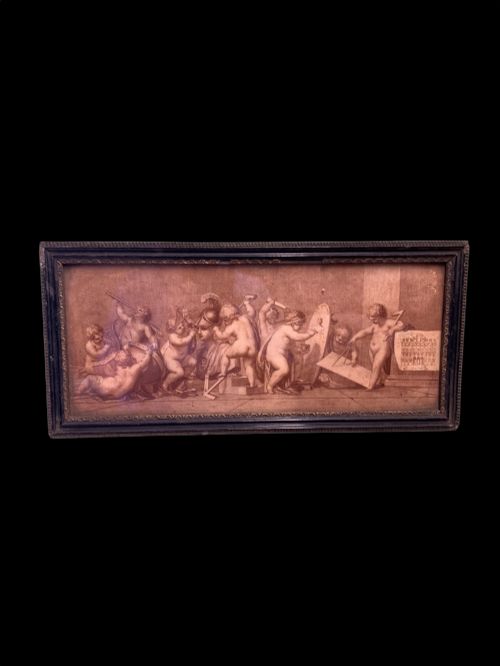
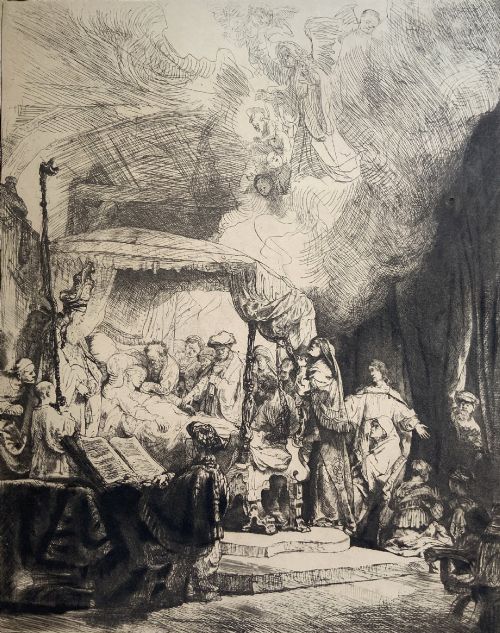
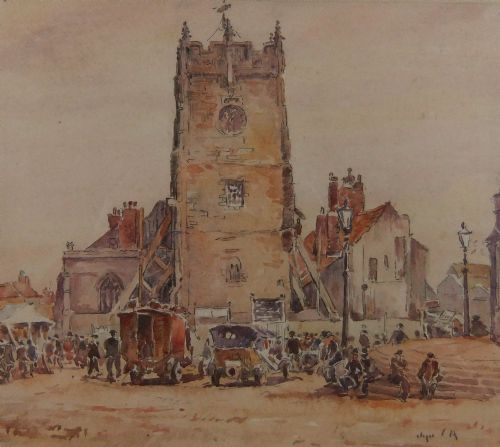
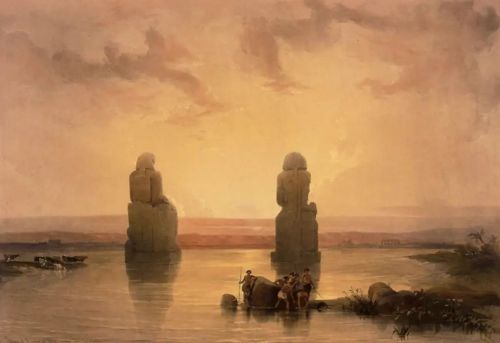
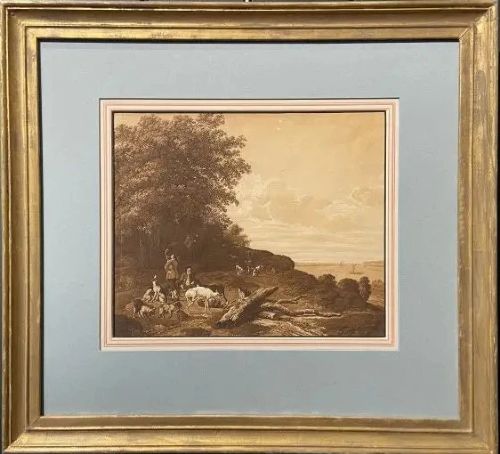
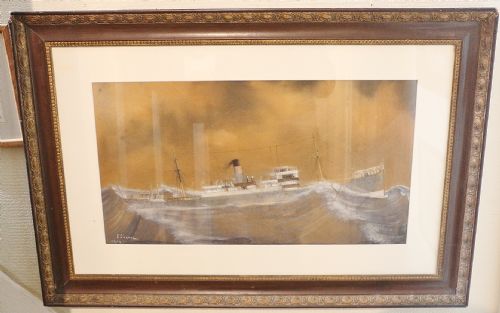
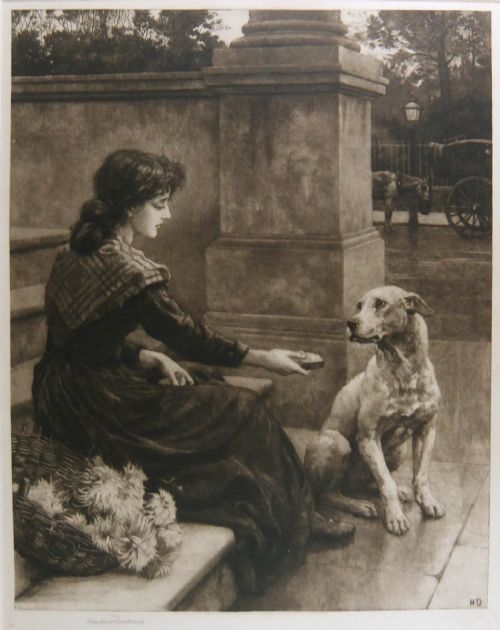
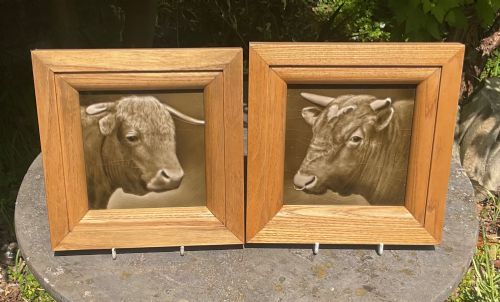
These sepia framed wall art pieces span centuries of graphic work, offering moody tones and historic character for your walls.
Sepia Framed Wall Art
When you search for sepia framed wall art, you encounter historical works on paper presented behind glass within period surrounds. The selection spans the eighteenth, nineteenth, and twentieth centuries, bringing together diverse monochrome aesthetics.
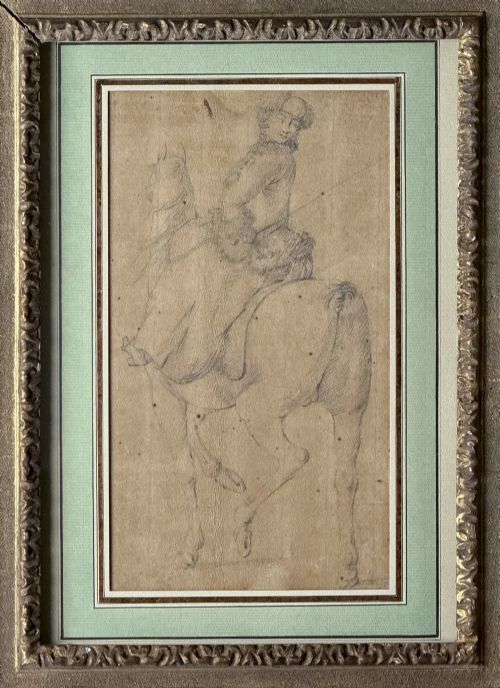
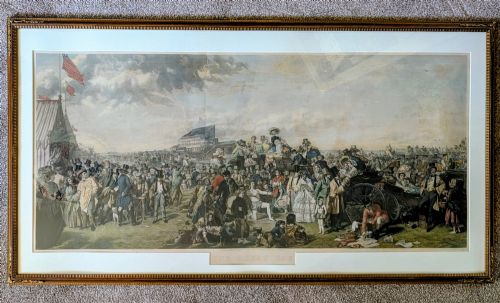
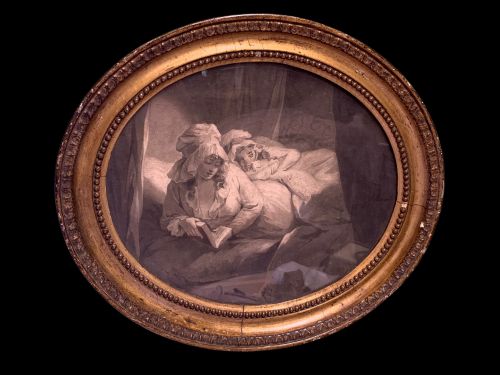
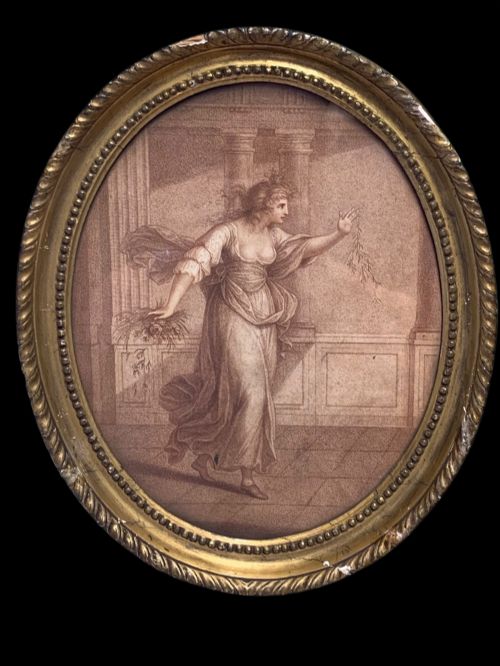
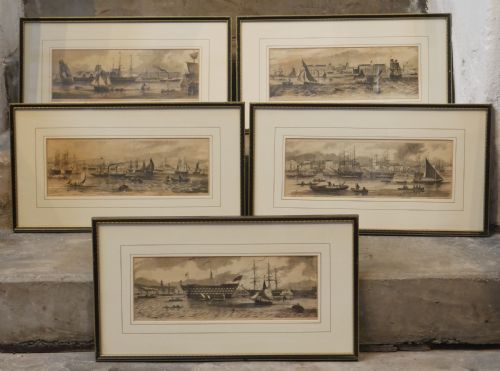
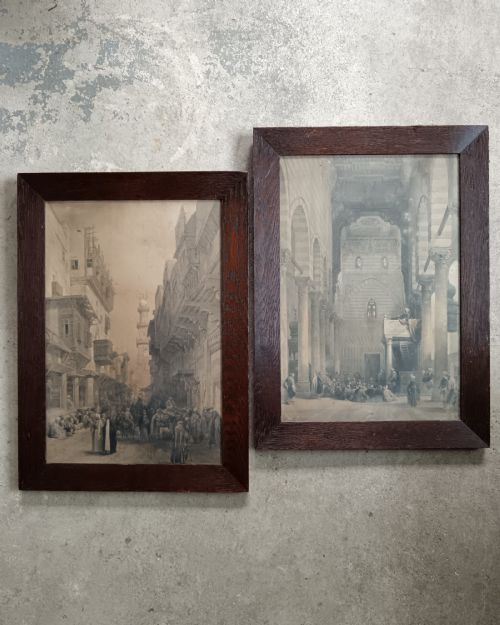
Most entries on this page consist of engravings, etchings, drawings, and watercolours rendered in warm brown or monochrome ink tones. Subjects range from maritime scenes and classical architecture to equestrian studies and portraiture.
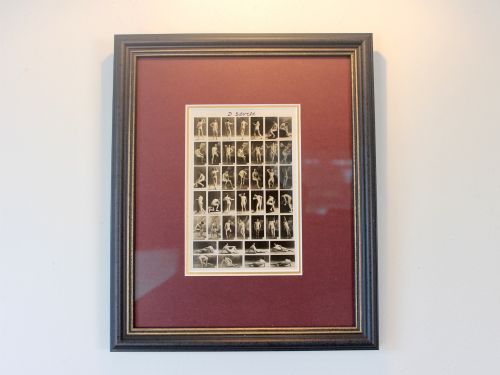
Framed artwork here incorporates Georgian, Victorian, and Edwardian examples alongside later twentieth-century pieces. Buyers find everything from detailed topographical maps to theatrical figure studies enclosed in wood and gilt frames.
How they were made
Makers utilised traditional mediums on paper and canvas, including ink, watercolour, charcoal, graphite, and tempera. Many works employ copperplate engraving and etching techniques to achieve fine linear detail.
Framing materials reflect the periods of creation, featuring wood, giltwood, and gold leaf alongside protective glass coverings. Several works retain their original period frames, preserving the historic pairing of art and housing.
Among the historical subjects preserved behind glass, one finds a detailed study of a celebrated bull bitch named Lucy.
What varies in quality
The distinction between standard examples and finer works lies in the execution of the hand and the preservation of the medium. Detailed line work in early engravings and original hand-drawn watercolours command greater visual depth than mass-produced later prints.
The integrity of the accompanying frame influences the overall standing of a piece. Original period mouldings and untouched mountings elevate the historical continuity of the artwork.
William Powell Frith·David Roberts·Johannes Lingelbach·Herbert Dicksee·Sherwin And Cotton·Julian Mandel·Sir Joshua Reynolds
The Sepia Framed Wall Art Glossary
- Etching
- A printmaking method where lines are bitten into a metal plate with acid before being inked and pressed onto paper. This technique allows for expressive, fluid lines similar to pen drawings.
- Engraving
- A process of cutting a design directly into a metal plate with a sharp tool called a burin. The resulting prints exhibit crisp, precise details.
- Stipple engraving
- A method of creating tonal gradations through clusters of tiny dots rather than continuous lines. It was frequently used for reproducing soft-focus portraits and figurative scenes.
- Mezzotint
- A tonal printmaking process where the copper plate is roughened uniformly to produce rich dark areas and subtle gradients. Master practitioners achieved velvety dark backgrounds and smooth highlights.
- Giltwood
- Wood carved and coated with a thin layer of gold leaf or metallic paint. It is commonly found on traditional frames from the Georgian and Victorian eras.
Sepia Framed Wall Art: Frequently Asked Questions
What is sepia wall art?
Sepia wall art encompasses historical prints, drawings, and paintings created in warm brown monochrome tones. These works capture subjects ranging from maritime views to architectural studies.
Enclosed in period frames behind glass, these pieces bring historic depth and muted tonal qualities to interior spaces.
How do I identify a period frame?
Period frames are recognised through their construction methods, wood types, and decorative mouldings characteristic of eras like the Georgian or Victorian periods. Original frames often show age-appropriate wear and patination on their giltwood or timber surfaces.
Examining the backboards and fixings can also provide clues regarding the age of the framing assembly.
Are these works original?
The selection includes both original hand-drawn or painted works and period prints or engravings from past centuries. Listings specify whether a piece is an original watercolour, drawing, etching, or a later printed reproduction.
Buyers should examine the title and medium details to determine the exact nature of each item.
How should I care for antique paper art?
Antique paper works require protection from direct sunlight to prevent fading of the inks and yellowing of the paper. Maintaining stable indoor humidity levels prevents warping and moisture damage to both the artwork and its frame.
Displaying pieces away from heat sources preserves the condition of the paper and any original wooden framing.