

Antique Metal Plant Stand
An antique metal plant stand brings structural form and botanical display together, offering sturdy elegance for ferns and florals in a hallway or conservatory.
Antique Metal Plant Stand
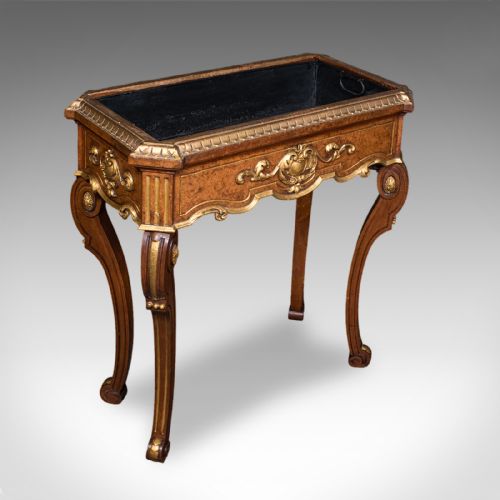
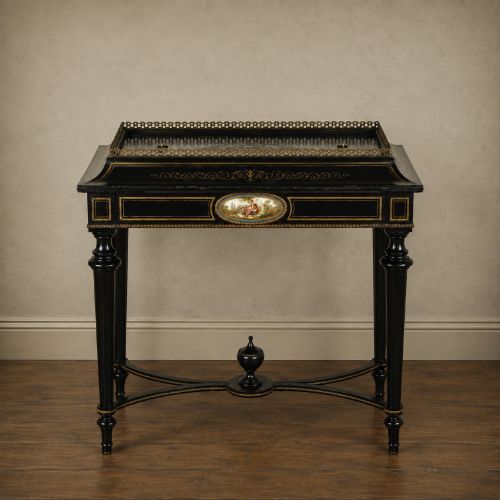
An antique metal plant stand serves as a raised platform or holder for greenery, originating in forms such as jardinieres, gueridons, and tiered racks. These pieces date from the nineteenth and early twentieth centuries, spanning Victorian, Edwardian, and Art Nouveau styles.
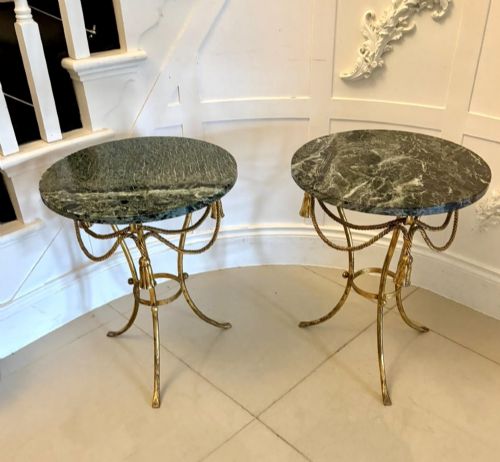
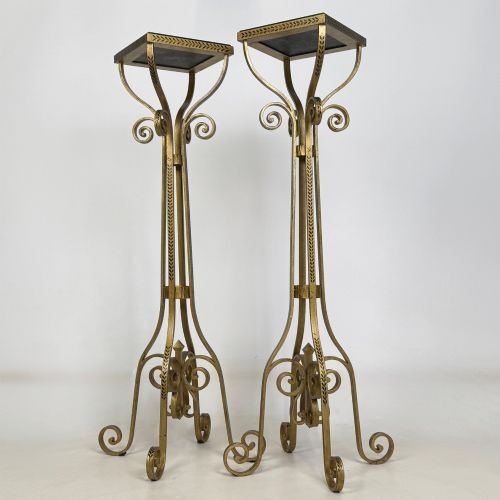
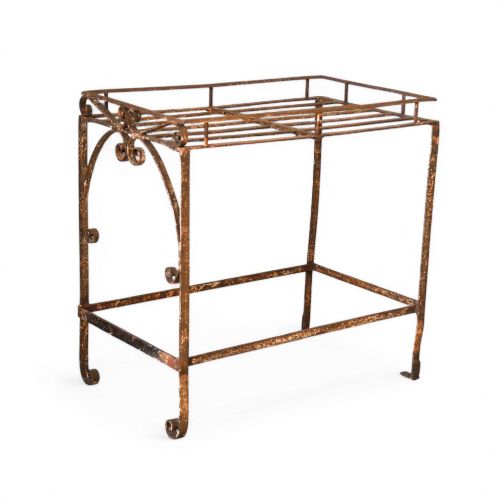
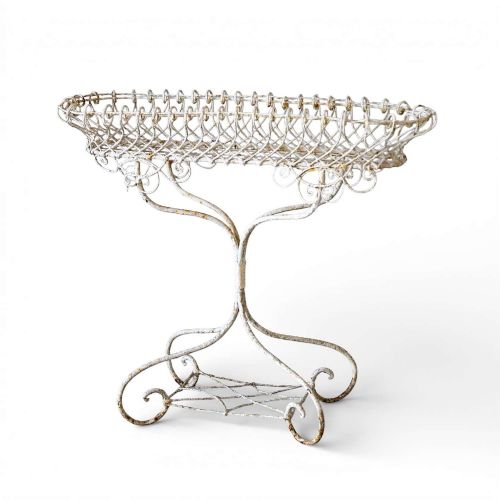
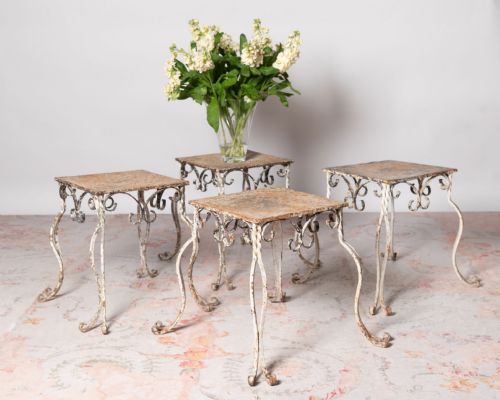
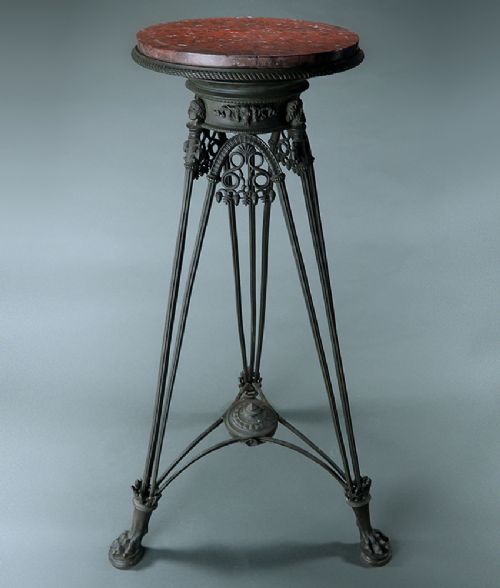
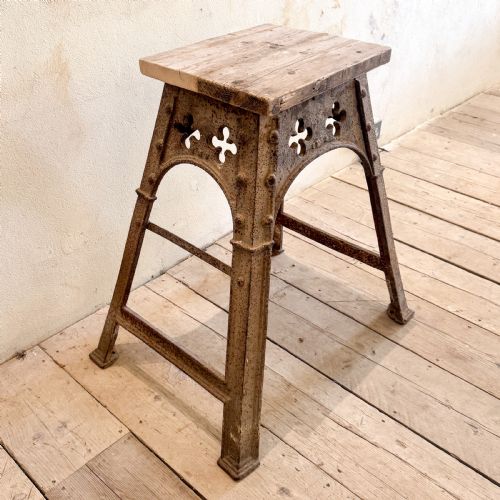
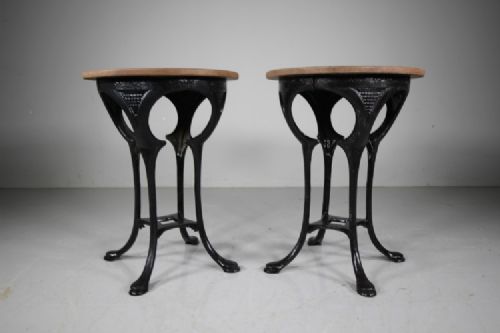
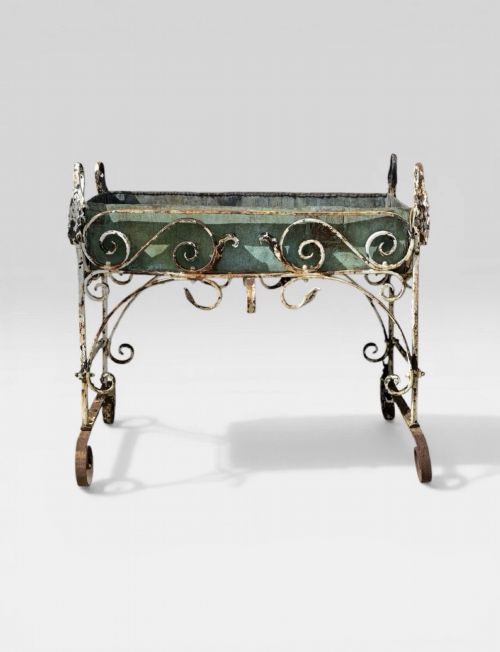
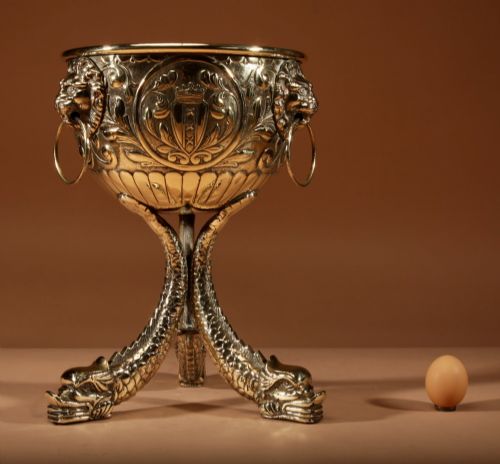
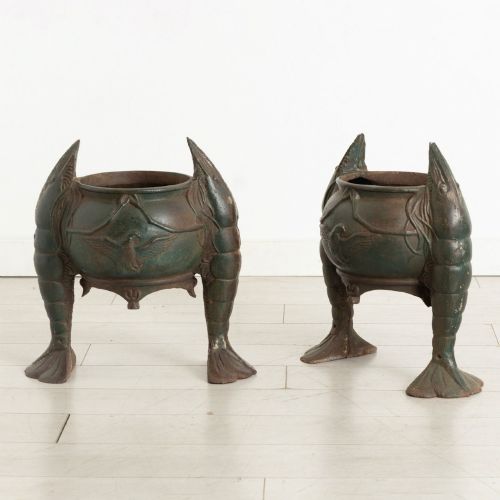
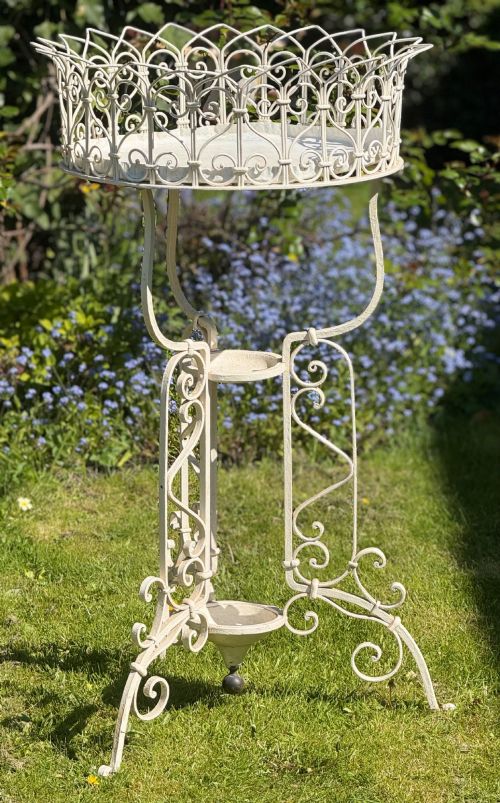
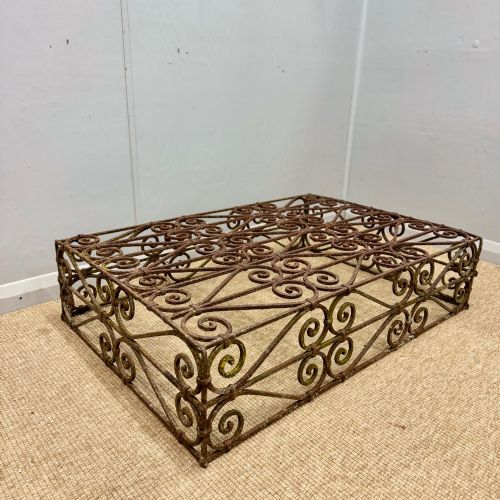
The version most commonly encountered on this page is constructed from cast iron or wrought iron, often featuring scrollwork, lattice baskets, or multiple tiers designed for conservatory and garden use. Brass and gilt metal variations also appear frequently, paired with marble or onyx tops and ceramic plaques.
Makers and manufacturers utilised various metals to create stands suited for both interior drawing rooms and outdoor patios. The selection ranges from industrial utility stands to decorative French urns and English wirework plant holders.
What varies in quality
The standard of an antique metal plant stand depends on the crispness of the casting and the hand-forged detail in the scrollwork or wirework. Pieces with finer chasing on brass components or well-integrated marble and onyx tops demonstrate higher craftsmanship.
Construction integrity separates utilitarian examples from decorative salon pieces, particularly in the joining of multi-tiered frames and the preservation of original painted surfaces or patination.
Listings feature 19th-century and early 20th-century pieces, incorporating materials such as wrought iron, brass, cast iron, marble, and zinc.
Archibald Knox
The Antique Metal Plant Stand Glossary
- Jardiniere
- An ornamental pot or stand for holding plants or flowers. These items appear in ceramic, brass, and wood.
- Gueridon
- A small round table supported by one or more columns, often topped with marble. Originating in France, they frequently function as plant supports.
- Wrought iron
- Iron that has been heated and shaped with tools by a blacksmith. This material allows for flexible, curved structural designs.
- Campana urn
- A bell-shaped drinking vessel form adapted for garden planters and urns. Cast iron examples sit on raised plinths.
- Dinanderie
- European brass and copper ornamental objects produced by beating and casting. The technique yields embossed decorative surfaces.
Antique Metal Plant Stand: Frequently Asked Questions
Where should I place an iron plant stand?
These stands suit conservatories, hallways, or protected patio spaces where their elevated tiers can hold potted plants securely.
Heavier cast iron versions function well outdoors, while brass and marble pieces fit indoor living areas.
How do I care for antique brass stands?
Dust the metal gently with a dry cloth to preserve any accumulated surface patination.
Avoid abrasive cleaners that might strip historical finishes or damage engraved copper trays.
Were these stands made for indoor or outdoor use?
Makers produced stands for both environments, using durable cast and wrought iron for garden urns and wirework racks.
Interior examples often incorporated finer brass, gilt metal, and marble or wood tops.
How can I identify a Victorian stand?
Victorian examples frequently utilise black cast iron, heavy scrollwork, or multi-tiered pot stand configurations dating from the nineteenth century.
Design motifs often align with revival styles popular during the period.