



Antique Metal Ornament
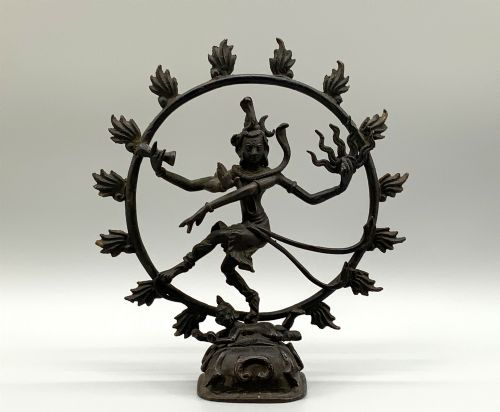
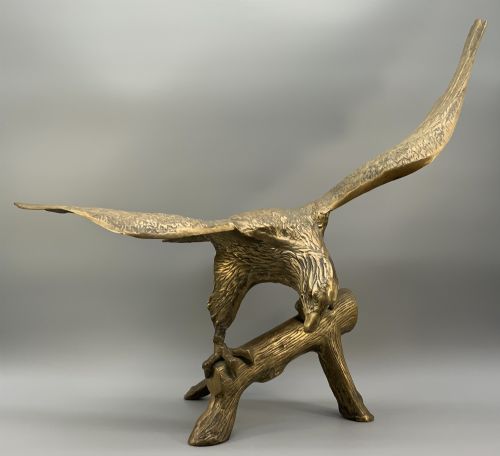
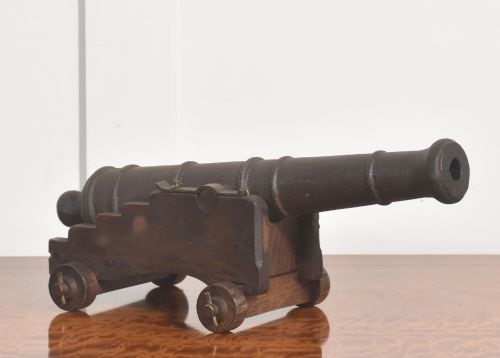
An antique metal ornament brings sculptural weight and tactile contrast into a room, spanning delicate patinated bronze figures and heavy cast iron garden vessels.
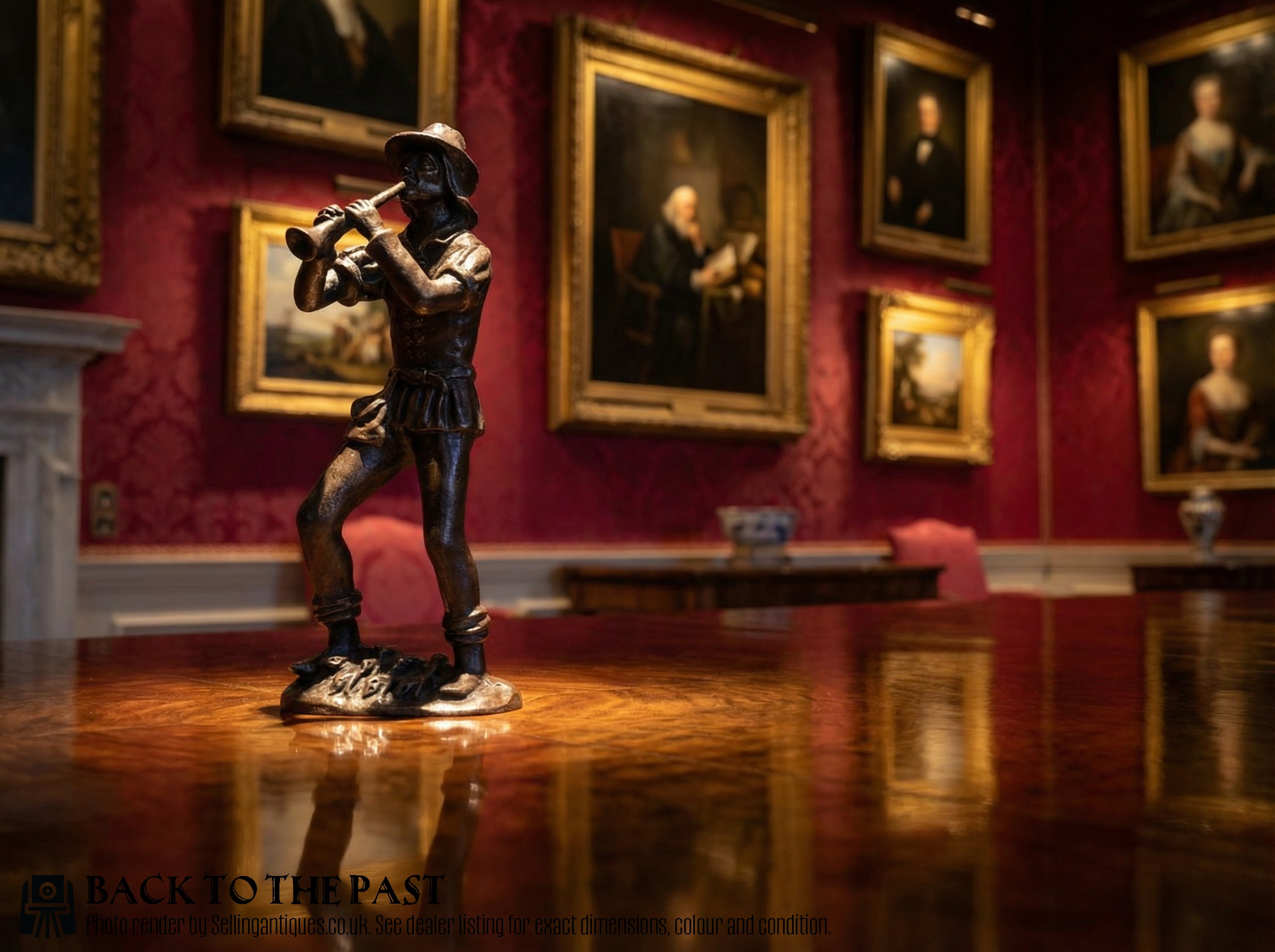
Antique Metal Ornament
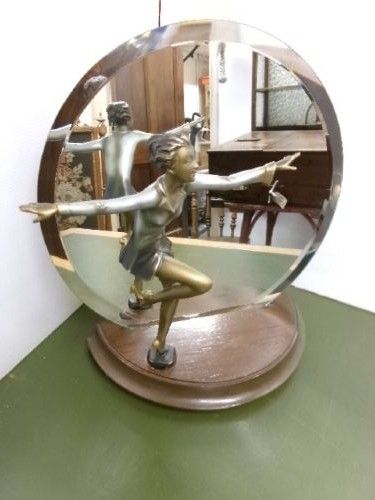
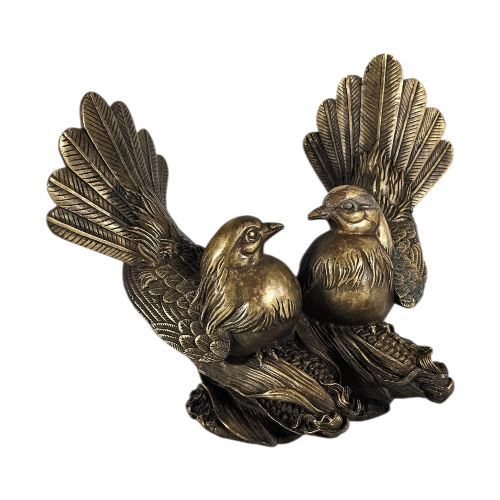
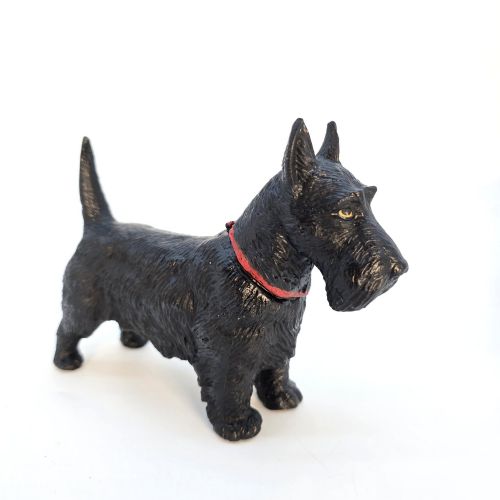
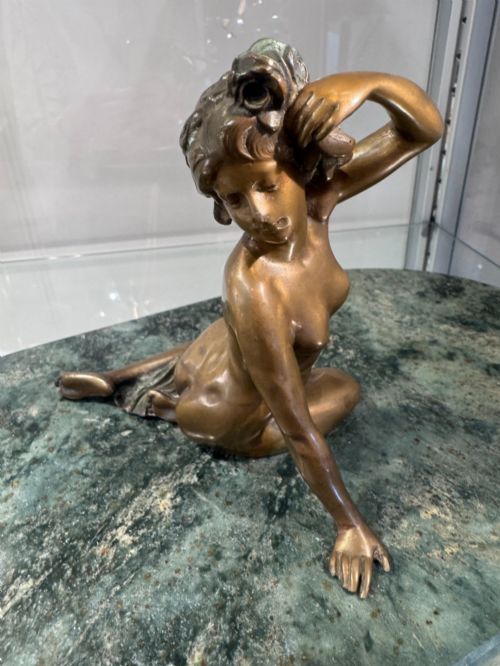
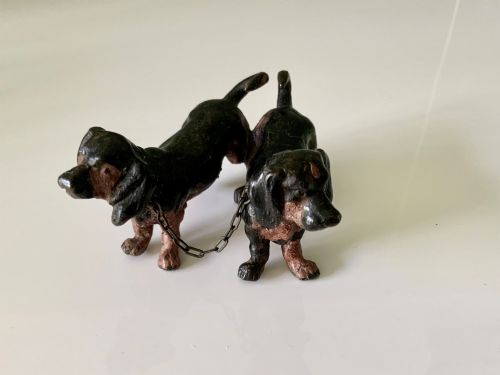
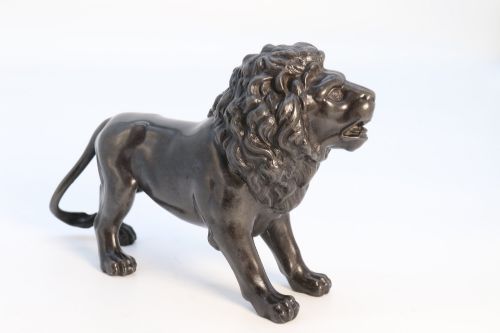
When you search for an antique metal ornament, you encounter a diverse array of sculptural objects, figural groups, and decorative vessels spanning the nineteenth and early twentieth centuries. These pieces encompass everything from small bronze desk accessories and cold-painted animalier figures to substantial cast iron garden urns and patinated spelter dancers.
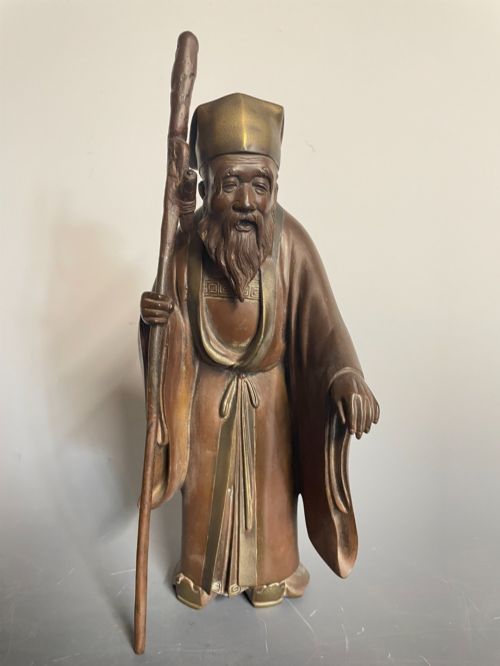
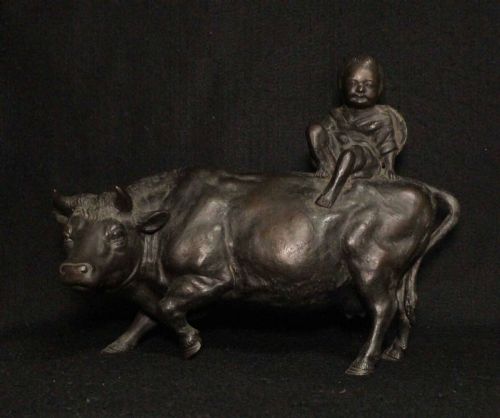
The selection includes specific regional works such as Japanese Meiji period bronze okimono, French Grand Tour classical models, and English cast lead hounds. Buyers find both intimate tabletop pieces designed for daily interaction and monumental works intended for architectural or garden display.
Evaluating workmanship
Quality rests upon the crispness of the casting and the sensitivity of the finishing work, where superior examples retain sharp anatomical details and clean linework without smoothing from excessive polishing. The depth and stability of the applied patina or cold-painted surface reveal the original maker's skill and subsequent preservation.
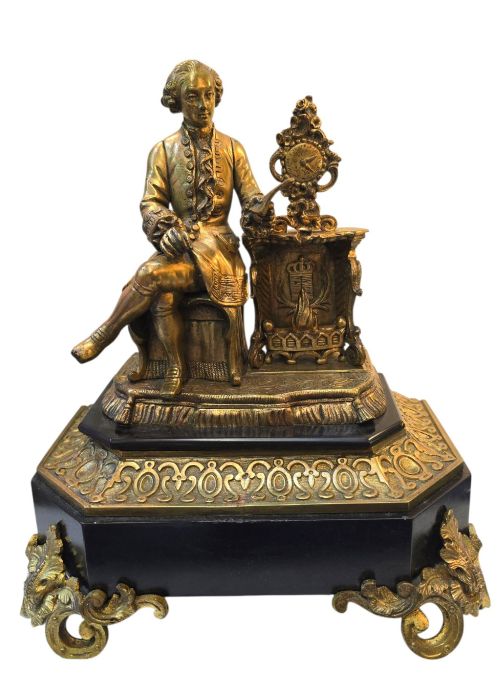
The integration of mixed materials, such as a bronze figure mounted accurately to a veined marble base or fitted with functional mechanical elements like inkwell lids, demonstrates the overall construction standard of the piece.
Listings feature works in bronze, cast iron, and brass spanning Victorian, Art Deco, and Neoclassical styles.
E Villanis·Josef Lorenzl·Christophe Fratin·Emile Carlier
The Antique Metal Ornament Glossary
- Animalier
- A nineteenth-century artistic style focusing on the realistic depiction of animals, particularly predators, horses, and hounds. Sculptors in this tradition studied anatomy closely through life observations.
- Spelter
- An alloy of zinc and lead, often cast into decorative figures and painted to resemble bronze during the late nineteenth and early twentieth centuries. It is significantly lighter and softer than true bronze.
- Cold-painted bronze
- A technique where bronze sculptures receive polychrome paint applications that are dried without kiln firing. This finish is vulnerable to moisture and handling.
- Okimono
- A Japanese term for a decorative object or small statue placed on display within a traditional room setting. These figures often depict animals, folklore figures, or daily scenes in bronze or mixed metals.
- Grand tour
- Souvenirs and classical models purchased by wealthy travellers during educational journeys across Europe, particularly Italy and France, during the eighteenth and nineteenth centuries.
Antique Metal Ornament: Frequently Asked Questions
How do I clean an antique bronze ornament?
Dust the surface gently with a soft, dry brush to remove particulate matter without disturbing the underlying patina. Avoid chemical cleaners or abrasive polishes that strip historical surfaces.
Apply a very thin coat of microcrystalline wax if the metal requires protection against atmospheric moisture. Buff the wax off thoroughly with a clean cloth to maintain a stable finish.
What is the difference between bronze and spelter?
Bronze is a durable copper and tin alloy that accepts rich patination and holds fine casting details securely over centuries. Spelter is a softer zinc-based alternative that offers a lighter weight and was frequently utilised for more affordable decorative figures.
Examination of the underside or areas of wear reveals the underlying metal colour and density. Spelter is generally more brittle and prone to surface cracking than bronze.
Where should I place a heavy cast iron ornament?
Cast iron garden pieces and architectural urns require stable, level ground to prevent shifting or tipping under their own substantial weight. Patios, stone bases, or reinforced lawn areas provide secure foundations.
Indoor cast iron objects need dry environments to minimise rust development. Placing them away from direct sources of humidity protects the protective coatings.
How do I identify a Grand Tour ornament?
Grand Tour pieces typically replicate famous classical sculptures, architectural ruins, or mythological subjects encountered by travellers in Italy. They frequently employ patinated bronze paired with Siena or white marble bases.
These items date predominantly from the nineteenth century and reflect academic European interest in classical antiquity. Their scale usually suits desktop or cabinet display.