



Antique Metal Drinking Vessel
An antique metal drinking vessel carries centuries of tavern toasts and domestic rituals in pewter, silver plate, and bronze.
Antique Metal Drinking Vessel
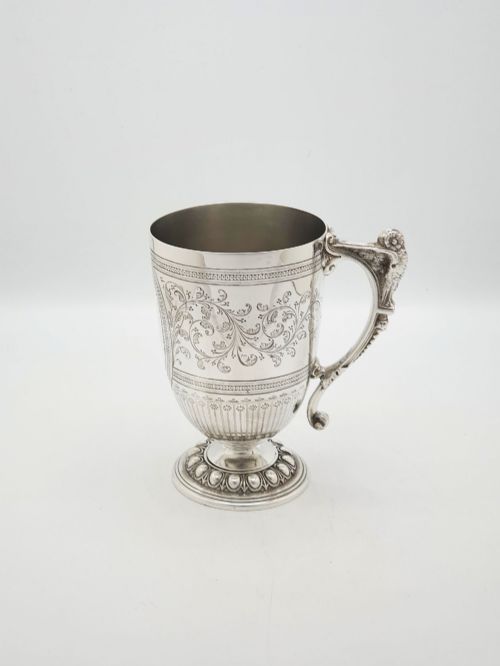
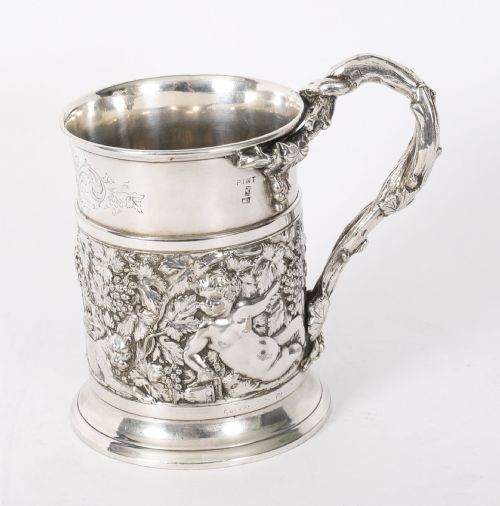
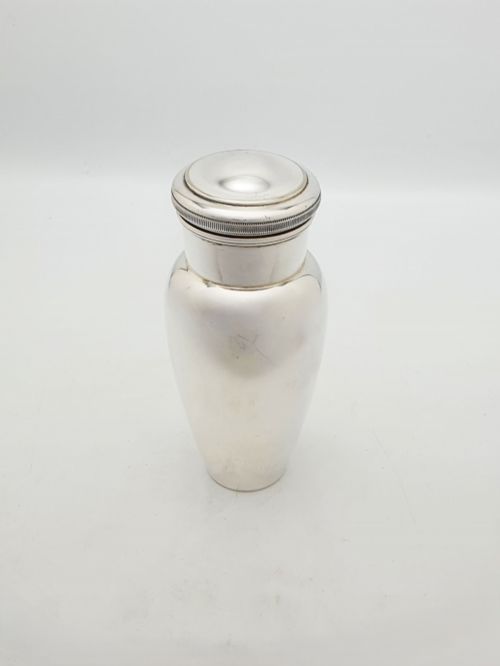
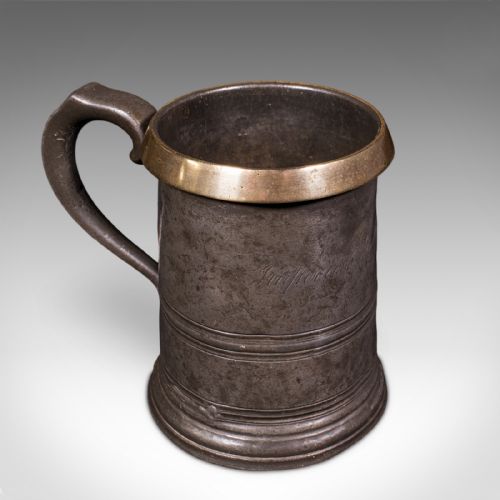
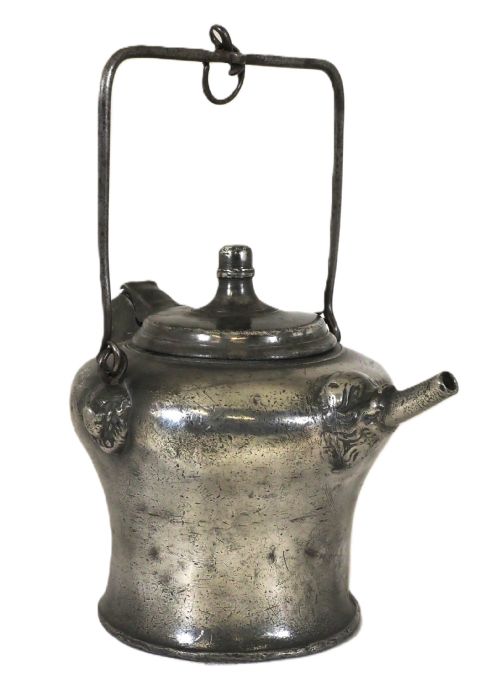
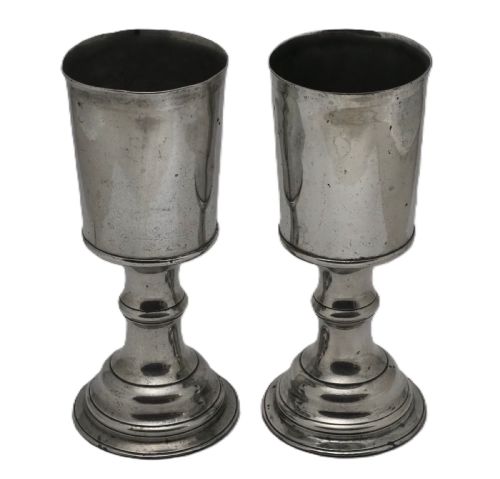
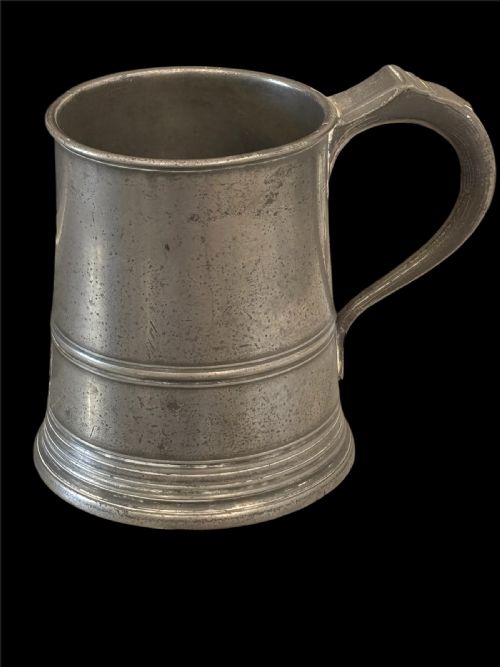
An antique metal drinking vessel spans utilitarian jugs and decorative cups made across the seventeenth, eighteenth, and nineteenth centuries. You find practical public house tankards alongside refined Old Sheffield plate mugs and decorative Grand Tour goblets.
Makers ranged from West Country pewters to Birmingham silversmiths, producing items for daily ale consumption and formal display alike. Every piece reflects the prevailing metalworking methods of its specific century.
How they were made
Pewter vessels were cast in moulds and finished on lathes, utilising tin alloys shaped by traditional metalworkers. Artisans added handles and lids through soldering and riveting.
Silver-plated items employ copper or nickel silver bases fused with thin layers of silver through early plating methods like Old Sheffield plate. Embossing and engraving then decorated the exterior surfaces.
Bronze and brass pieces relied on lost-wax casting or sand casting to achieve classical forms, often finished with chiselling and patination.
One unusual survivor is wrapped in an intricately carved coconut shell.
What varies in quality
The thickness of the metal and the integrity of the original joins dictate the structural standard of a vessel. Substantial weight in the base indicates durability and higher-grade materials.
The crispness of hand-engraving and the neatness of applied mounts separate standard tavern utility ware from presentation pieces. Maker marks and touchmarks further distinguish superior workshops.
G R Collis·Burgum & Catcott
The Antique Metal Drinking Vessel Glossary
- Pewter
- A malleable metal alloy consisting primarily of tin, mixed with copper and lead in older pieces. It forms the backbone of domestic drinking vessels.
- Old Sheffield Plate
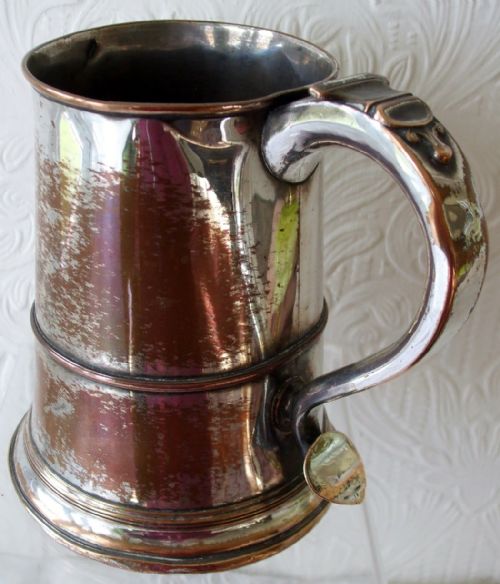
- An early fusing technique where a thin sheet of silver is fused to a thicker copper core. This predates modern electroplating.
- Tankard
- A tall, cylindrical drinking vessel with a handle, frequently fitted with a hinged lid. They were standard for ale in public houses.
- Kantharos
- An ancient Greek cup style featuring two high-swept handles and a deep bowl, revived during the nineteenth century. These often appear in bronze or brass.
- Grand Tour
- A cultural journey undertaken by wealthy Europeans that inspired the purchase of classical bronze goblets and souvenirs. These objects reflect classical revival tastes.
Antique Metal Drinking Vessel: Frequently Asked Questions
How do I clean antique metal?
Wash pewter and silver plate gently in warm soapy water using a soft cloth. Avoid abrasive pastes that strip historic patination.
Dry thoroughly immediately after washing to prevent water spotting on vulnerable metal surfaces.
Are these vessels safe for drinking?
Many older pewter items contain lead or other historical metal combinations. Modern consumption from them is generally discouraged.
Display them as decorative objects rather than regular drinking mugs to protect both the user and the fragile metal.
How do I date a pewter tankard?
Examine the shape of the handle, the profile of the body, and any touchmarks stamped into the metal. Georgian and Victorian designs show distinct evolution in weight and lid styles.
Maker stamps can often be cross-referenced against historical touchmark registries for exact decades.
What is Old Sheffield Plate?
Old Sheffield Plate is a composite material made by melting a sheet of silver onto a copper ingot. The combined metal was then rolled into sheets.
Edges often reveal a thin line of copper where the base metal shows through underneath the silver layer.