
Antique Metal Cookware
Antique metal cookware brings enduring utility and historic character to the kitchen, spanning Georgian and Victorian forms.
Antique Metal Cookware
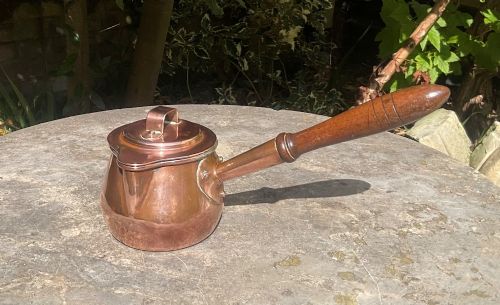
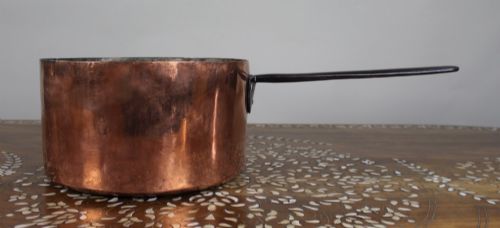
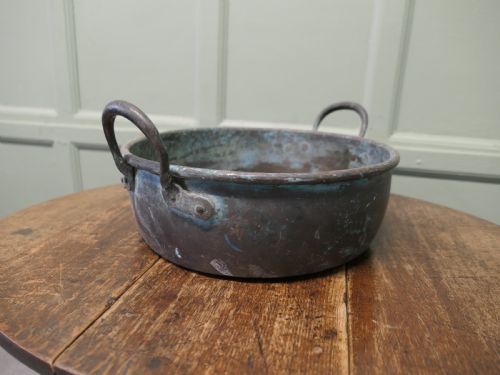
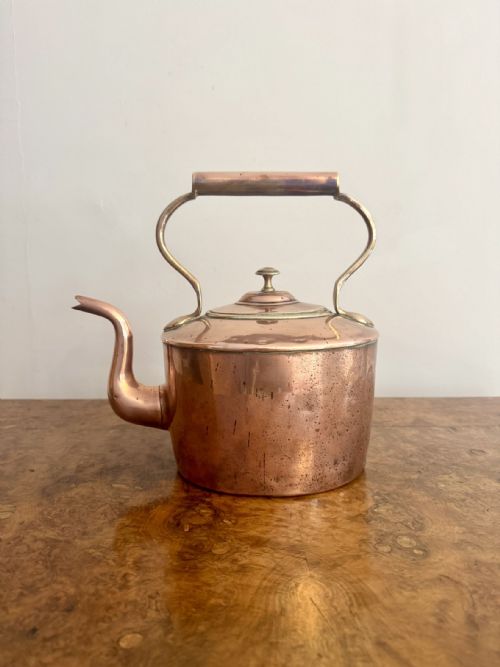
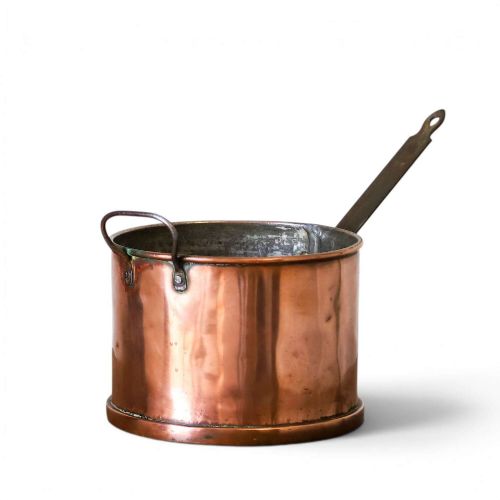
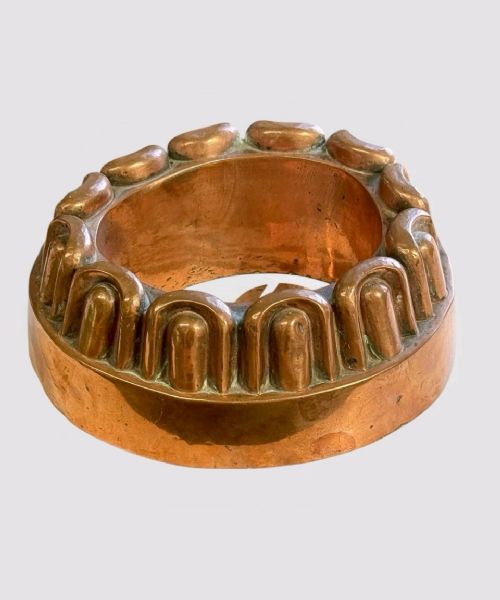
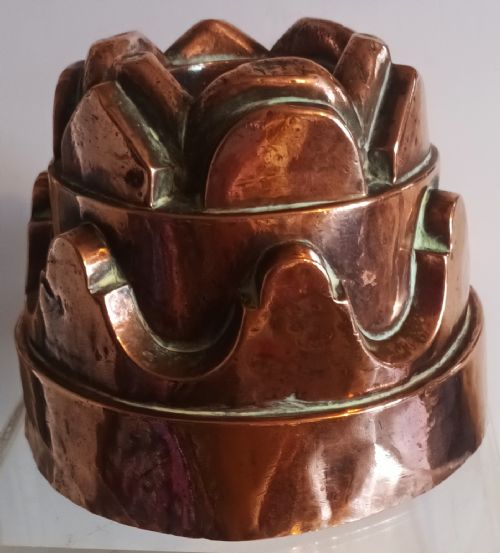
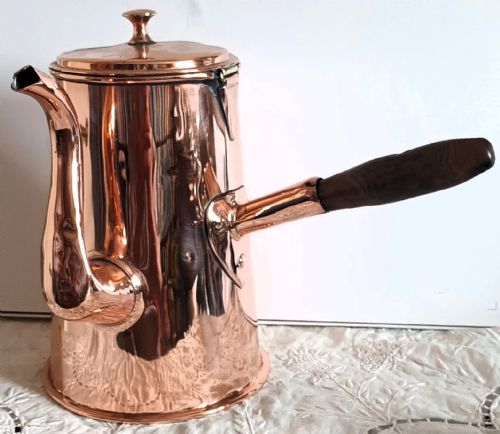
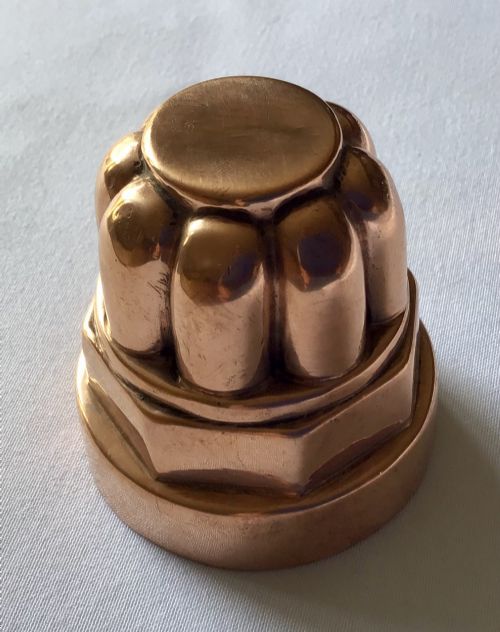
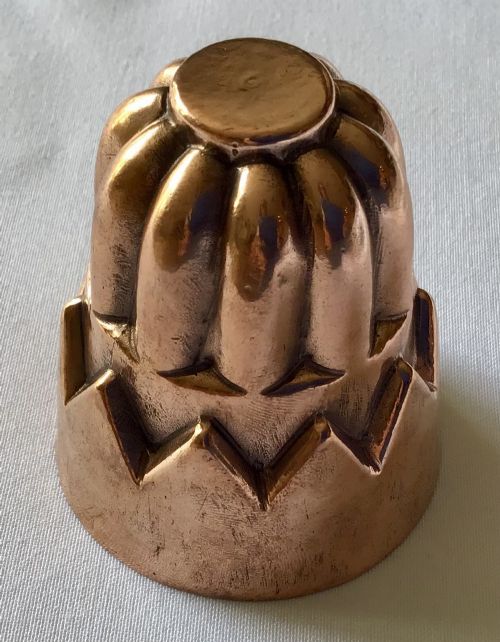
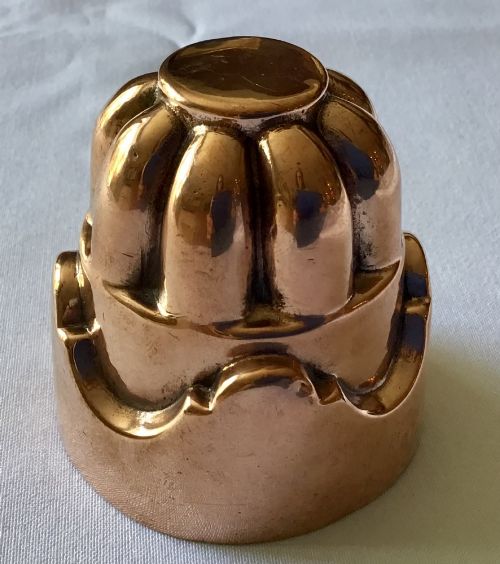
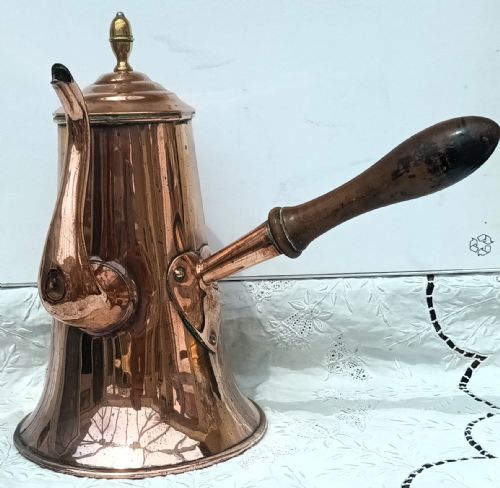
When you search for antique metal cookware, you encounter domestic vessels and kitchen equipment spanning the Georgian and Victorian eras, alongside 18th-century pieces. The selection on this page centres heavily on copper saucepans, preserving pans, jelly moulds, and kettles, shaped for open hearth or early stove use.
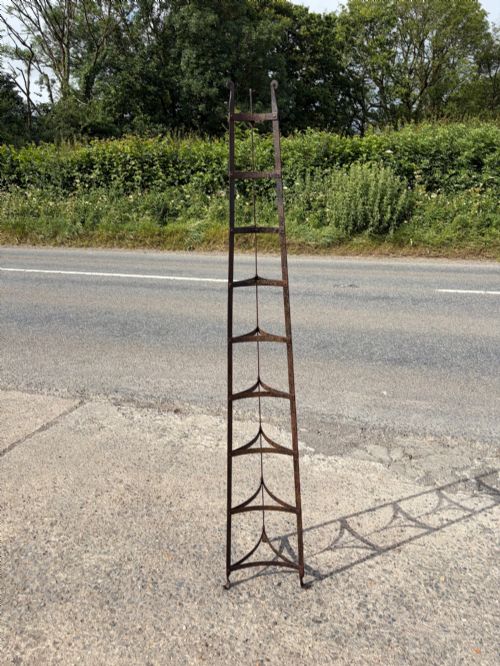
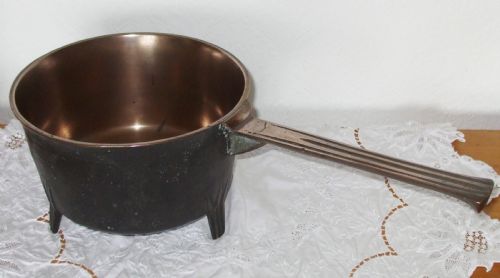
You will also find sturdy iron and brass kitchenware, including skillets, posnets, and large pot stands designed to hold heavy culinary utensils. These survivors of historic kitchens range from utilitarian English pieces to French country vessels.
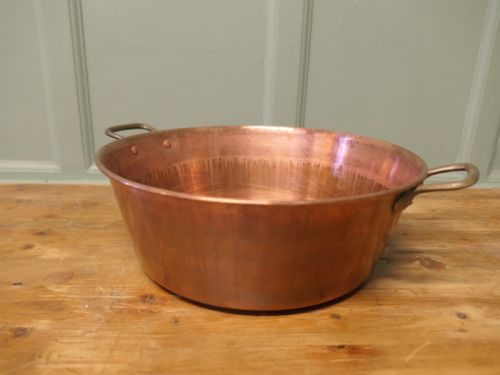
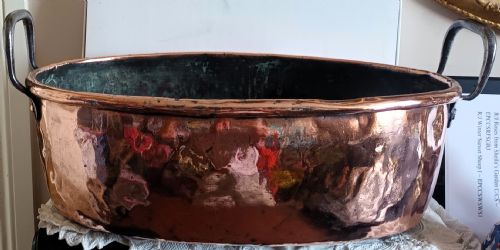
The dominant forms are heavy gauge saucepans and jam pans, often acquired in matched sets or single substantial items intended for active food preparation or display.
Distinctions in standard and execution
Quality in these culinary items rests upon metal thickness and the integrity of the original hand-beaten form. Superior examples display heavy-gauge construction that retains its structural rigidity under heat, whereas lesser items show thinning walls or excessive wear from centuries of scrubbing.
Finishing touches also separate standard domestic items from superior pieces, such as finely dovetailed seams, robust cast handles, and intricate detailing on jelly moulds featuring castle tops. Original tin linings and makers' marks elevate the historical integrity of a vessel.
Listings feature copper, brass, iron, bronze, tin, and wood across Georgian, Victorian, and eighteenth-century periods.
William Soutter & Sons·Hodges & Sons
The Antique Metal Cookware Glossary
- Brandy warmer
- A small vessel with a long handle used for heating small quantities of liquid over a flame. These portable pans often date from the Georgian period.
- Jam pan
- A wide, open preserving pan designed for boiling fruit and sugar. They are typically fashioned from heavy copper with dual handles for lifting.
- Daubiere
- A specialised cooking pot designed for braising meats slowly. French country examples often feature heavy brass construction and secure lids.
- Skillet
- A short-legged metal cooking pot with a long handle intended for use directly over hearth embers. Early versions in bronze or iron date back to the eighteenth century.
- Posnet
- An ancient style of small metal pot featuring feet and a single handle, used for boiling liquids over an open fire.
- Kitchenalia
- An umbrella term for antique kitchen utensils and culinary implements collected for their decorative and historic appeal.
Antique Metal Cookware: Frequently Asked Questions
Can I still cook with antique metal cookware?
Many copper and brass pans remain structurally sound enough for modern use, provided they are re-tinned on the interior surface to prevent direct contact between food and copper.
Heavy iron and bronze skillets can also be restored for cooking, though many collectors prefer to display these historic pieces rather than subject them to modern kitchen heat.
How do I clean antique copper pans?
Traditional cleaning involves gentle non-abrasive polishes formulated specifically for copper to remove tarnish while preserving the historic patina. Avoid harsh scouring pads that can thin the antique metal or obliterate hand-beaten marks.
Ensure the pieces are thoroughly dried after washing to prevent water spots and oxidation on both the exterior and any iron fittings.
How do I date an old copper saucepan?
Dating relies on observing construction methods, such as hand-beating marks, dovetail seams, and the style of the riveted handles. Georgian and early Victorian pieces usually display heavier gauge metal and distinct joining techniques compared to later factory-produced wares.
Maker stamps or specific regional forms, such as French country daubieres, also provide strong clues to a vessel's age and origin.