


Hammered Brass Pot
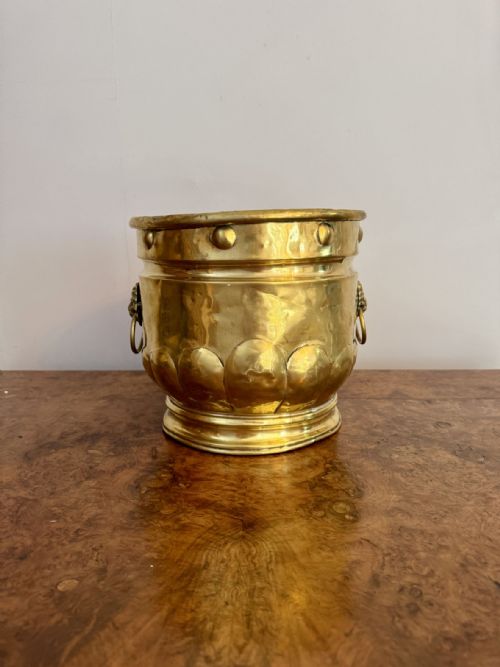
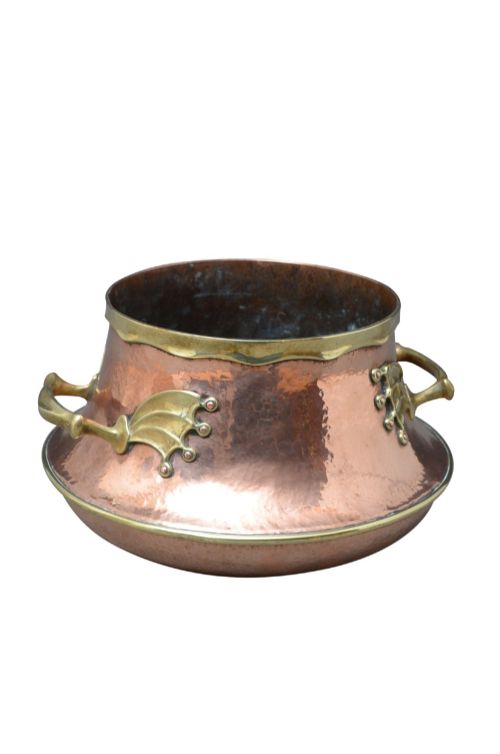
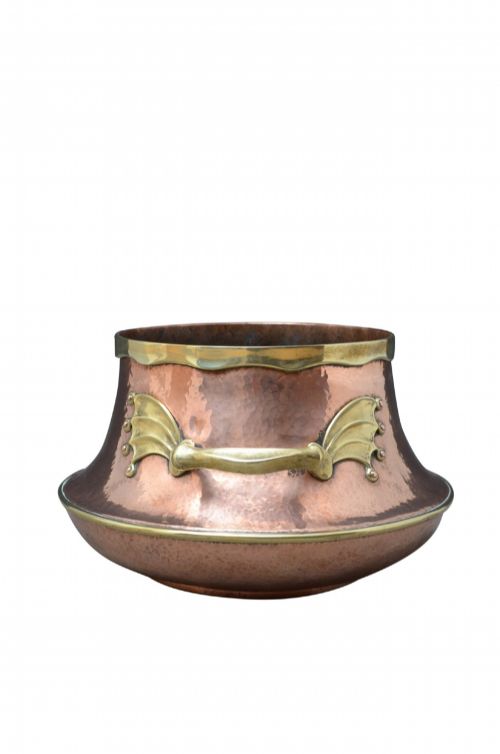
A hammered brass pot brings warmth and texture to a room, offering practical utility alongside centuries of metalworking heritage.
Hammered Brass Pot
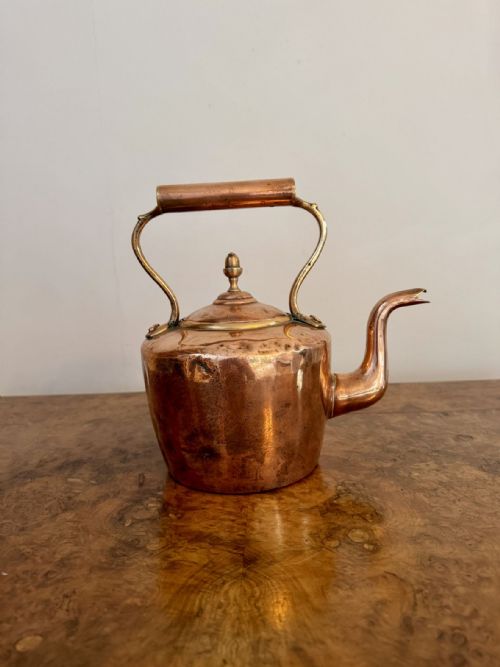
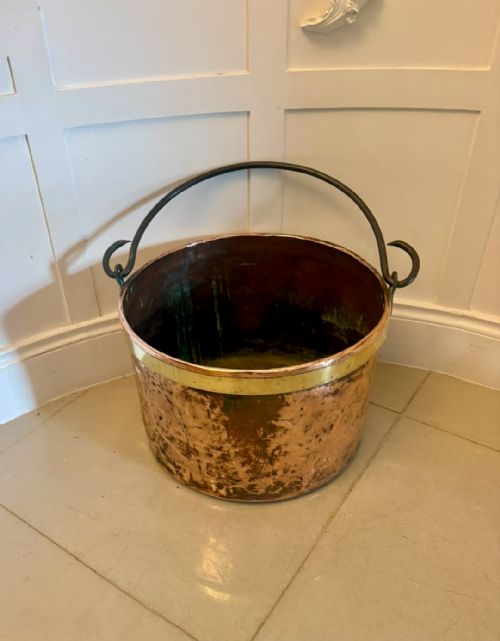
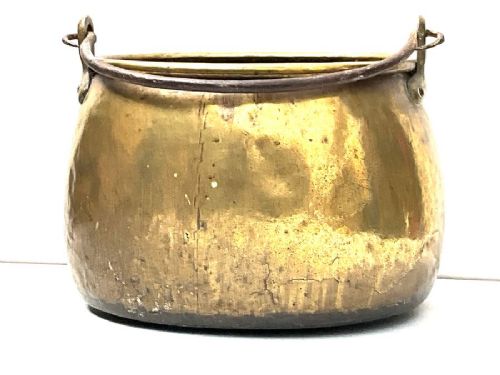
When you search for a hammered brass pot, you encounter domestic vessels and display pieces shaped by hand from durable metal alloys. The selections on this page span several centuries, featuring forms intended for firesides, kitchens, and formal reception rooms.
Victorian examples dominate the listings, frequently taking the form of jardinieres, plant stands, and coal buckets designed for interior display. Alongside these English household items, you find Middle Eastern vessels, French cooking pots, and Georgian pans shaped for daily service.
The objects serve diverse functions, moving from functional kitchen cookware and kettles to decorative cachepots and cauldrons. Each piece reflects the utilitarian needs of its period, adapted over time for ornamental display in modern homes.
What varies in quality
The thickness of the metal sheet dictates the structural integrity and weight of each vessel, separating robust utility wares from lighter decorative items. Substantial gauge brass and copper resist denting and maintain their form under heavy use.
The precision of the hand-hammering and the integration of handles, feet, and rims determine the refinement of the piece. Superior examples exhibit balanced proportions and careful finishing around seams and joints, whereas simpler items show more utilitarian construction.
Listings feature items spanning the Georgian, Victorian, and Arts and Crafts periods, constructed primarily from brass, copper, and iron.
The Hammered Brass Pot Glossary
- Jardiniere
- An ornamental pot or stand designed to hold growing plants or flowers. These vessels often feature decorative hammered surfaces suitable for tabletop or floor placement.
- Dinanderie
- A term describing decorative objects made from brass, copper, and bronze, frequently associated with European metalworking traditions. The technique covers hammered and patinated vessels from various periods.
- Cauldron
- A large round metal pot with a defined rim and often a swing handle, traditionally used over hearths. Victorian examples frequently transition into decorative log bins or plant holders.
- Daubiere
- A traditional French cooking pot designed for slow braising meats and root vegetables. These heavy brass or copper vessels typically include secure lids to retain moisture.
- Embossed
- A decoration technique where a pattern is raised from the reverse side of the metal sheet using punches and hammers. This creates tactile relief designs across the body of the pot.
Hammered Brass Pot: Frequently Asked Questions
How do I clean a brass pot?
Maintenance depends on whether you prefer a bright polished finish or a dark historic patina developed over decades of exposure. Gentle washing with warm soapy water removes dust, while specialised metal creams restore bright metallic lustre.
Avoid abrasive scourers that scratch the softer brass surface and erase the subtle marks left by original hammers. Regular dusting keeps the metal stable without stripping its age.
Are these pots safe for cooking?
Many older pans and pots were manufactured for food preparation, but historic pieces often lack modern safety linings. Unlined brass and copper can react adversely with acidic foods during cooking.
Utilise antique cookware primarily for display, dry storage, or holding plants rather than daily culinary use. Vessels intended strictly for display frequently lack food-safe interior coatings.
How do I date an antique brass pot?
Dating relies on observing construction methods, handle attachments, and stylistic markers specific to eras like the Georgian or Victorian periods. Hand-cut dovetailing, iron swing handles, and specific rim profiles offer clues to the decade of manufacture.
Compare the surface wear and manufacturing marks against documented examples from similar workshops. Subtle shifts in metal composition and weight also help place an object within its correct century.
Where should I place a jardiniere?
Jardinieres suit placement on heavy timber tables, hearths, or dedicated plant stands where their metallic surfaces catch natural light. Ensure the interior is protected with a waterproof liner if you use the pot for living plants.
Pair copper and brass vessels with natural materials like wood and stone to complement their warm tones. Keep them away from excessive moisture to prevent unwanted surface corrosion.