


Brass Cooking Pot
These brass cooking pot examples bring warmth and genuine hearth history to a room.
Brass Cooking Pot
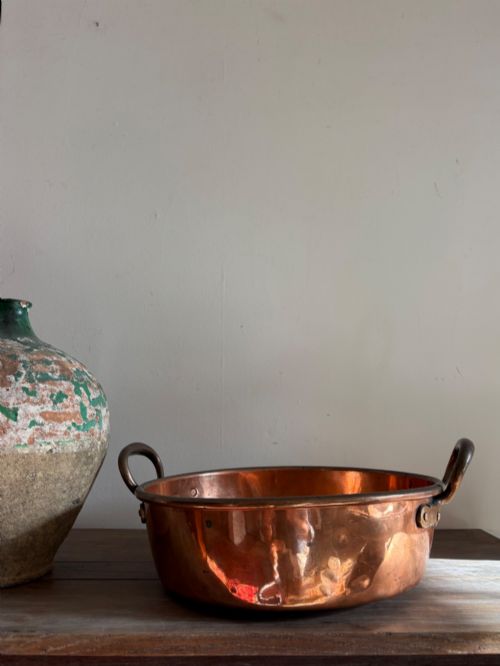
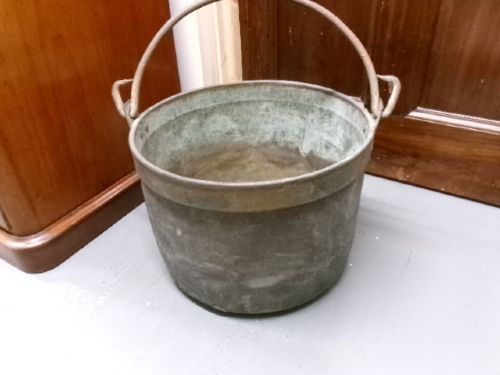
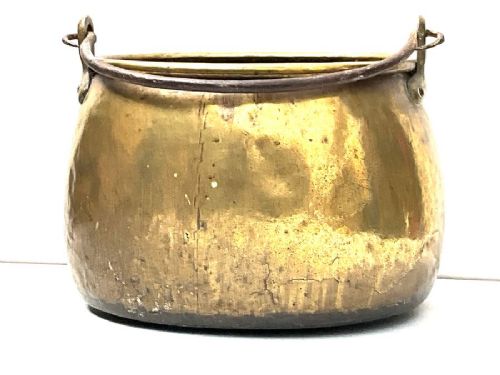
When you search for a brass cooking pot, you encounter robust vessels designed originally for daily culinary work or fireside service over centuries. The selections here range from Georgian heavy pans and cauldrons to Victorian preserve warmers and saucepans.
You meet various forms across these listings, including swing-handled cauldrons, jam pails, skillets, and French daubieres. Many show utilitarian roots, while others served a decorative display purpose in domestic interiors.
The origins span English workshops and 17th-century continental pieces, alongside rustic farmhouse and French country styles. These items transition easily from historic kitchenalia collections to functional modern hearth accessories.
Materials and construction methods
Makers utilised heavy brass, bronze, and copper, frequently combining these metals with iron handles and wrought iron hangers. Riveted joints secure handles to bodies, showing the practical demands placed on kitchenware intended for heavy loads.
Cast and hammered techniques shape the vessels, resulting in mottled surfaces and embossed detailing on specific pots. Iron attachments provide durable support for suspension over hearth fires or cooking ranges.
Listings feature 19th Century, Georgian, 1860, 1900, 1750, 17th Century, Victorian, and 1850 periods.
Evaluating quality and character
Substantial weight and metal thickness separate standard utilitarian vessels from finer display pieces. Heavier gauge brass and bronze indicate durability and longevity in domestic service.
The integrity of riveted joints and the preservation of original iron handles influence the overall merit of an item. Patina accumulated from age and use adds historical depth rather than diminishing the integrity of the metal.
The Brass Cooking Pot Glossary
- Cauldron
- A large deep metal pot with a rounded bottom and a swing handle, designed for hanging over an open fire. These vessels formed the centre of early domestic hearth cooking.
- Jam pan
- A wide shallow pan with a flat base, used for boiling fruit and sugar. They often feature strong riveted handles to aid in pouring hot preserves.
- Skillet
- A metal cooking vessel fitted with a long handle and short legs or a flat base. Georgian examples frequently paired brass bodies with iron components for hearth use.
- Trammel
- An adjustable iron hook used in the fireplace to suspend pots at varying heights above the fire. These allowed cooks to control cooking temperatures precisely.
- Daubiere
- A specialised French cooking pot traditionally used for braising meats slowly. These deep vessels often feature tight-fitting lids to retain moisture.
Brass Cooking Pot: Frequently Asked Questions
Were these pots used on open fires?
Many of these vessels were designed specifically for open hearth cooking, suspended by swing handles or supported over coals.
Their robust metal construction enabled them to withstand direct flame and heavy daily use.
How do I clean an antique brass pot?
Gentle washing with warm soapy water preserves the historic patina accumulated over centuries of existence.
Aggressive polishing removes the dark oxidation that collectors value as evidence of genuine age.
What is the difference between brass and bronze here?
Brass is an alloy of copper and zinc, whereas bronze combines copper with tin and other metals.
Bronze examples in these listings often appear in earlier continental pieces, showing a deeper tone than bright brass.
How do I date a brass cooking pot?
Construction techniques, handle styles, and maker methods help assign pieces to specific periods like the Georgian or Victorian eras.
Hand-riveted joints and wrought iron mounts typically point towards earlier manufacturing traditions.
Can I use these pots for modern cooking?
Most antique metalware functions best as decorative interior items or fireside accessories today.
Surface wear and historic repairs mean they suit display better than modern culinary service.