



Antique Match Striker Box
An antique match striker box is a small, pocket-sized container designed to hold safety matches and ignite them safely on a rough surface.
Antique Match Striker Box
When searching for an antique match striker box, buyers encounter small portable holders alongside desk pieces intended for domestic use. The pieces span the Victorian and Edwardian eras through to the Art Deco period, capturing a time before the widespread availability of disposable lighters.
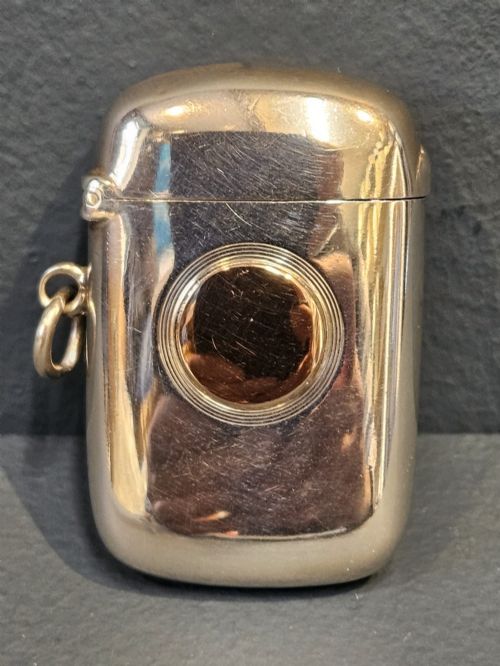
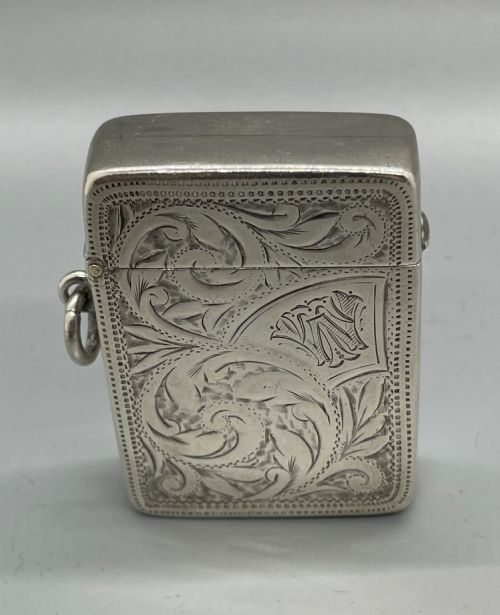
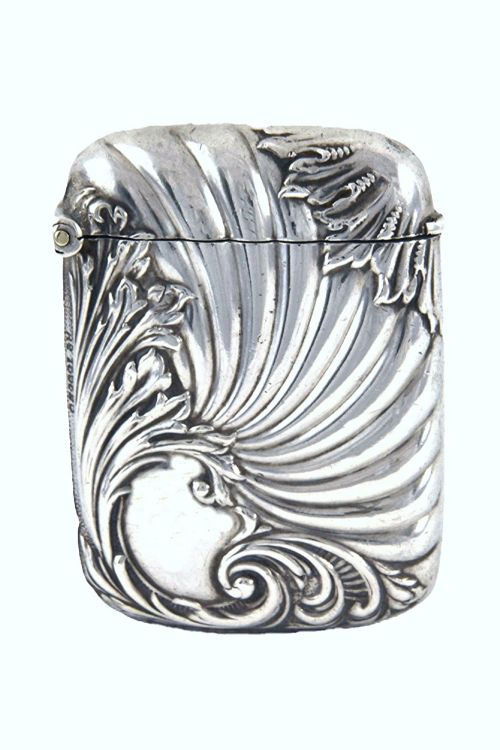
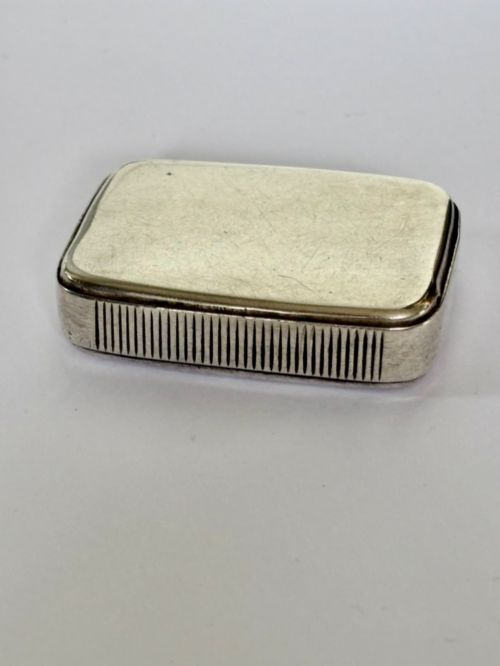
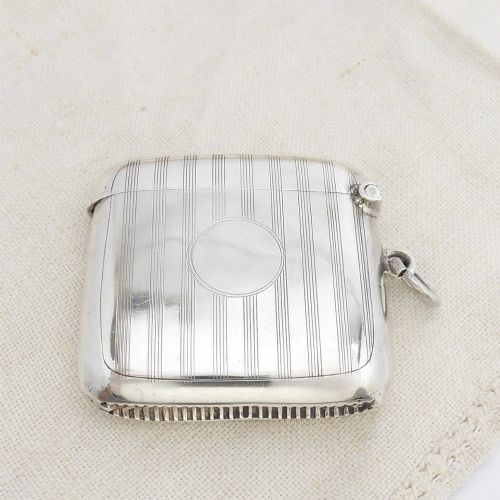
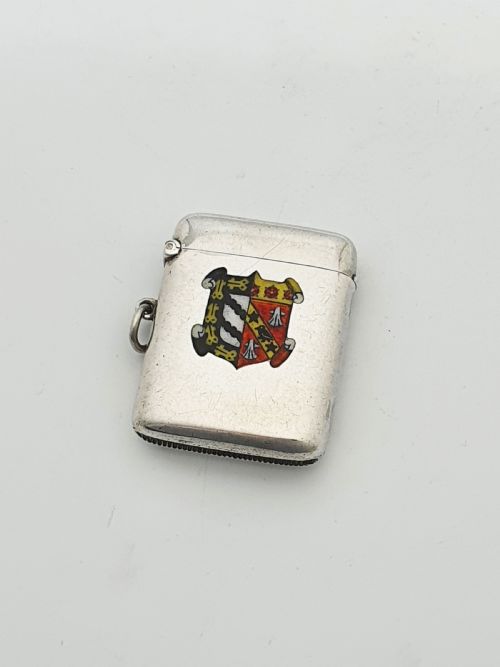
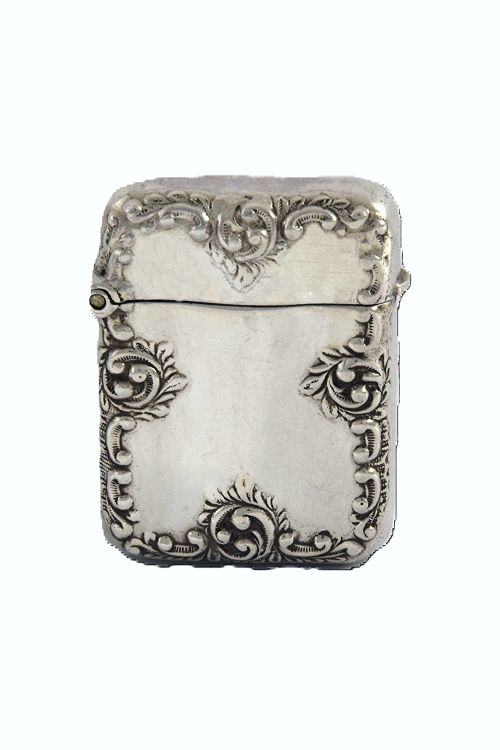
The selection on this page relies heavily on sterling silver vesta cases and match holders, alongside carved limewood and gemstone-mounted table pieces. Pocket vestas dominate the available forms, often featuring hinged lids and integrated corrugated or scored striking surfaces at the base.
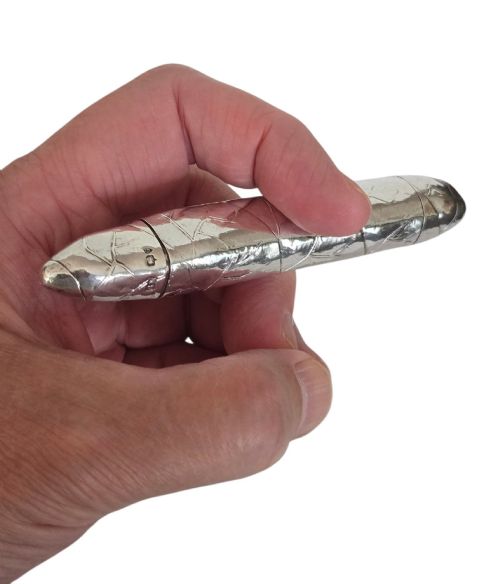
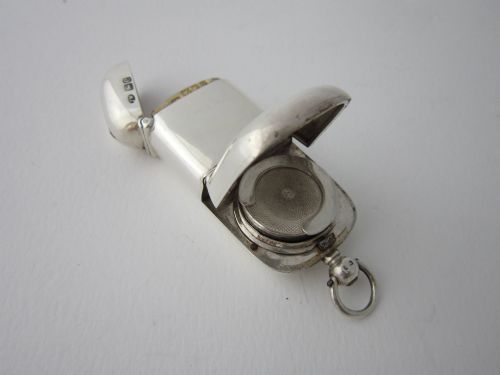
Novelty forms emerge frequently within this category, taking the physical shape of animals, cigars, and horseshoes. These imaginative designs sit alongside standard rectangular silver safes and combination sovereign cases manufactured in Birmingham and London.
How they were made
Silversmiths constructed standard vesta cases from sterling silver sheet, utilising press-forming and soldering techniques to create a snug hinge and a spring-loaded lid. Hallmarks stamped directly into the metal record the assay office, date letter, and maker's mark.
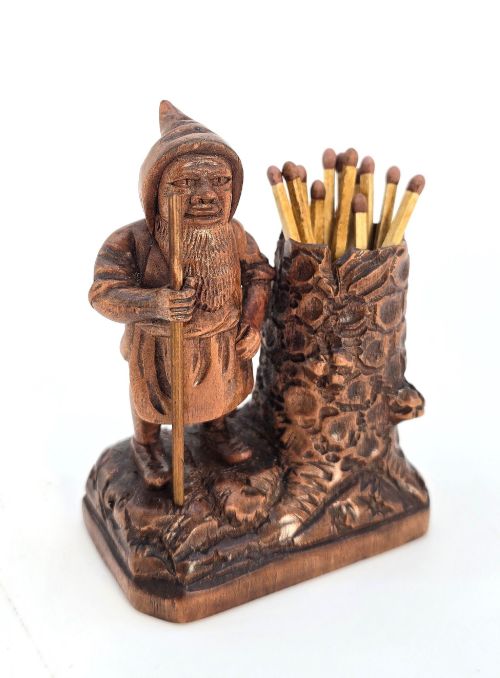
Carved wooden match holders utilise timber such as limewood, shaped with hand gouges and chisels to render figurative subjects like gnomes or animals. Surface details often receive dark staining or fine incisions to accentuate the carving.
Specialist items incorporate luxury materials such as gold, enamel crests, and hardstones like onyx and lapis lazuli. Jewellers and silversmiths mounted these decorative elements onto silver gilt frames to produce high-status table accessories.
Some Victorian silversmiths designed trick vesta cases with concealed mechanisms to amuse smokers by making the lid spring open unexpectedly.
What varies in quality
The standard of an antique match striker box depends heavily on the precision of its mechanical action and the crispness of its hand-carved or engraved detail. A well-made vesta case closes with a firm snap, keeping the contents secure and aligned.
Novelty pieces derive their desirability from anatomical accuracy and sculptural depth. Sculptures that render subjects like dogs, cats, or elephants with clear facial expressions command greater appreciation than generic castings.
The preservation of original surface treatments, such as silver gilt and applied enamel, dictates the overall integrity of the piece. Crisp hallmarks and unblemished metal surfaces indicate careful preservation over generations.
Sampson Mordan and Co·A and J Zimmerman·George Betjemann
The Antique Match Striker Box Glossary
- Vesta case
- A small pocket container designed to hold vestas, which were short wax matches popular in the nineteenth and early twentieth centuries. They almost invariably feature a striated striking panel on the bottom.
- Sterling silver
- An alloy consisting of ninety-two point five percent silver by mass, with the remainder composed of copper or other metals. British pieces of this standard carry the lion passant hallmark.
- Silver gilt
- Silver objects that have been coated with a thin layer of gold applied through fire gilding or electroplating. This technique provides the rich appearance of solid gold while maintaining a silver core.
- Sovereign case
- A pocket container specifically sized to hold British gold sovereigns, frequently combined with a vesta compartment to form a dual-purpose accessory.
- Table vesta
- A larger match striker designed to remain static on a desk, smoking table, or mantelpiece rather than being carried in a pocket.
Antique Match Striker Box: Frequently Asked Questions
What is a vesta case?
A vesta case is a small protective container made to carry matches safely in a pocket or handbag. They prevent friction from accidentally igniting the matches while walking or moving.
Most examples include an integrated striated section on the exterior where the match can be struck as soon as the lid is flipped open.
How do I read silver hallmarks?
British silver hallmarks consist of a series of tiny stamped symbols indicating the assay office, the purity of the metal, and the year of manufacture. A leopard's head denotes London, whilst an anchor represents Birmingham.
Matching the letter stamp to standard date tables reveals the exact year the piece was submitted for testing and approved.
Why did people use match strikers?
Before the widespread invention of safety matches that could strike anywhere, matches required a specific abrasive surface to ignite. Striker boxes provided an immediate, reliable friction point contained within a portable case.
Smokers carried them daily to light pipes, cigars, and cigarettes before the advent of modern pocket lighters.
Are novelty match safes rare?
Novelty match safes formed a distinct category of desk and pocket ware shaped to resemble animals, everyday objects, or humorous figures. They were produced in smaller quantities than plain rectangular cases.
Their sculptural nature makes them particularly sought after by collectors who focus on specific animal motifs or unusual mechanical tricks.