




Antique Maritime Landscape Art
Antique maritime landscape art captures coastal waters, bustling harbours and river scenes through the brush of past centuries.
Antique Maritime Landscape Art
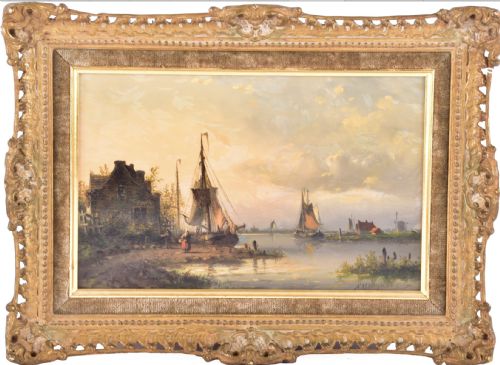
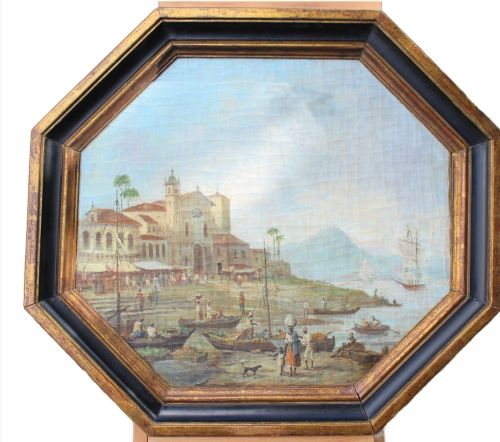
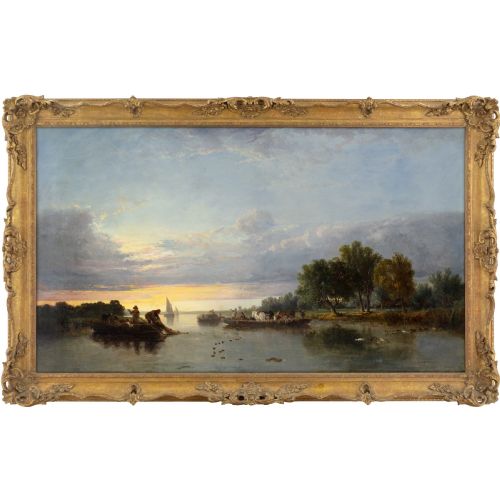
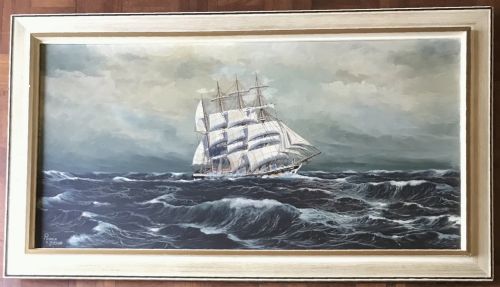
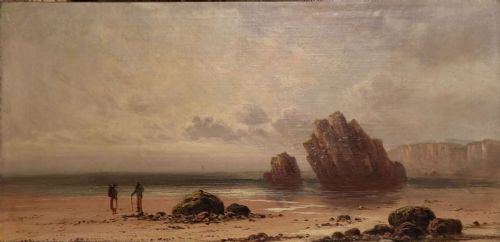
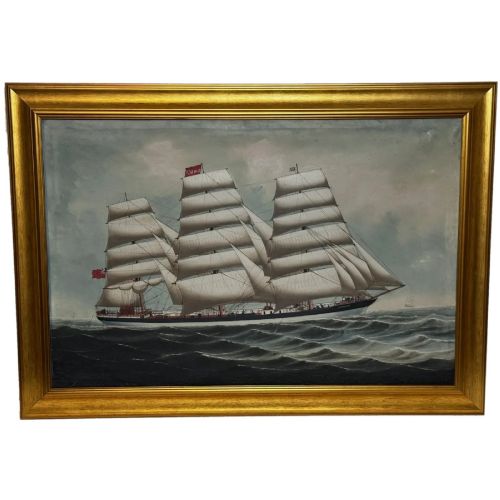
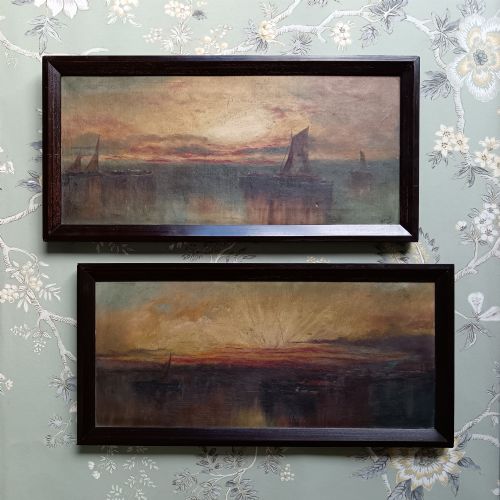
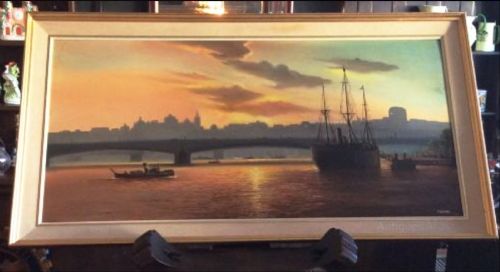
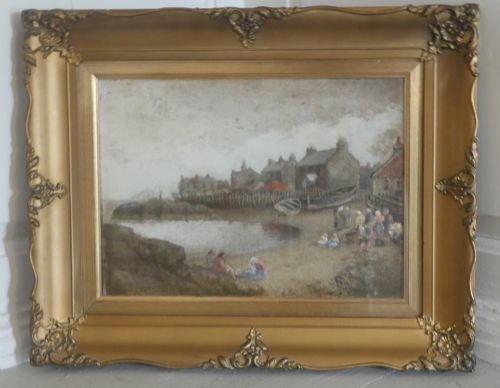
When you search for antique maritime landscape art, you find works that record coastal views, river traffic and working harbours. These paintings capture the movement of water, the changing light on estuaries and the daily toil of fishing fleets along British and European shores.
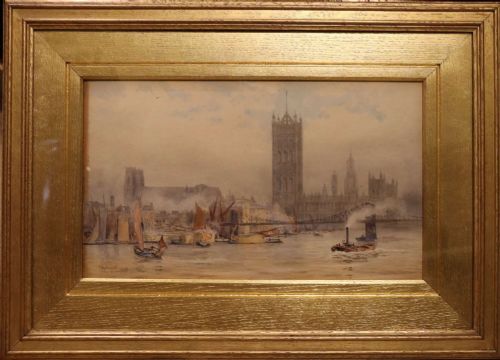
Most examples you meet on this page date from the nineteenth and early twentieth centuries. They range from intimate watercolour studies of Cornish harbours to large oil paintings of Venetian lagoons and Thames panoramas framed in gilt wood.
How they were made
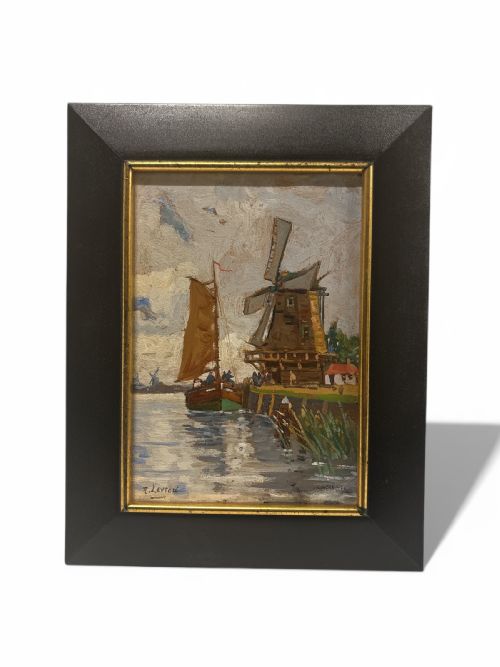
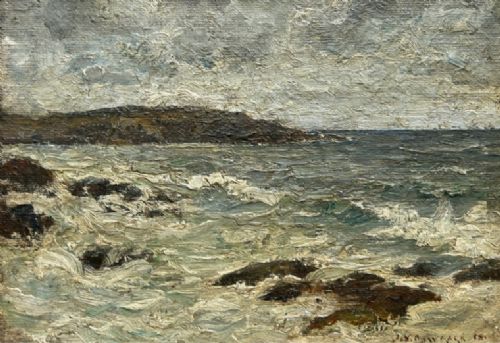
Painters recorded these coastal and river scenes using oil paint on canvas or board, alongside watercolour applied to paper. Canvas supports often carried heavier layers of impasto, giving texture to wind-whipped waves and rocky shores, while watercolours relied on the bright white of the paper to render luminous skies and calm sea surfaces.
Works were commonly housed in period gilt wood frames that complemented the tonal palette of the marine subject. Pigments were worked by hand to capture specific atmospheric conditions, from the pale light of dawn to moonlit coastal landscapes.
The selection includes views from British ports alongside continental scenes in Venice, Rotterdam and Antwerp.
What varies in quality
The distinction between ordinary and exceptional works rests on the artist's command of light, atmosphere and water movement. A superior painting conveys the weight of an oncoming gale or the tranquil reflection of harbour buildings with confident brushwork rather than rigid formulas.
Composition and historical context also separate the range. Pieces that accurately depict specific vessels, identifiable coastal landmarks and the genuine atmosphere of a working port hold greater visual and documentary interest than generic studio compositions.
Reginald Arthur Borstel·Francis Moltino·John Wilson Carmichael·Thomas Creswick·William Henry Williamson
The Antique Maritime Landscape Art Glossary
- Seascape
- A painting or watercolour depicting the sea. These works focus primarily on open water, coastal views or maritime activity.
- Impasto
- Paint applied thickly to a canvas or board, leaving visible brush or palette knife marks. This technique adds tactile dimension to crashing waves and turbulent skies.
- Watercolour
- A painting method where fine pigment is suspended in a water-soluble binder. It produces translucent washes well-suited to capturing coastal air and light.
- Gilt wood
- Wood coated with a thin layer of gold leaf or metallic paint. Antique frames finished this way frequently accompany nineteenth-century oil paintings.
Antique Maritime Landscape Art: Frequently Asked Questions
What periods do these paintings come from?
The works primarily span the nineteenth and early twentieth centuries, encompassing the Victorian and Edwardian eras. Painters during these periods focused heavily on coastal topography and maritime commerce.
Some pieces stretch back to earlier decades or forward into mid-twentieth-century interpretations. Each era brought distinct approaches to depicting light on water and harbour architecture.
How were these marine paintings used?
Owners originally displayed these artworks in domestic reception rooms, offices and maritime institutions to celebrate seafaring trade and coastal life. They served as both decorative furnishings and records of familiar ports.
wealthy patrons and merchants often commissioned or bought views of local harbours where their ships docked. Today, they function as historical windows onto nineteenth-century maritime activity.
Where should I hang a maritime painting?
These works suit traditional living spaces, libraries and hallways where natural light can illuminate the tones of the water and sky. Pairing them with period wooden furniture enhances their historic character.
Keep them away from direct sunlight and damp walls to protect the canvas, paper and gilt frames. Proper placement ensures the pigments remain stable over decades.
How do I identify different types of coastal art?
Examine the medium and subject matter to distinguish between a calm river townscape and a stormy open-sea view. Watercolours on paper usually depict lighter coastal scenes, while oils on canvas capture heavier atmospheric effects.
Signatures, framing styles and titles inscribed on the reverse often point to specific regional schools and artists. Studying these details clarifies whether a piece depicts a British fishing village or a continental lagoon.