




Isle of Man Artwork
These pieces of isle of man artwork capture the rugged Manx coastline and inland scenes through Victorian and twentieth-century painting.
Isle of Man Artwork
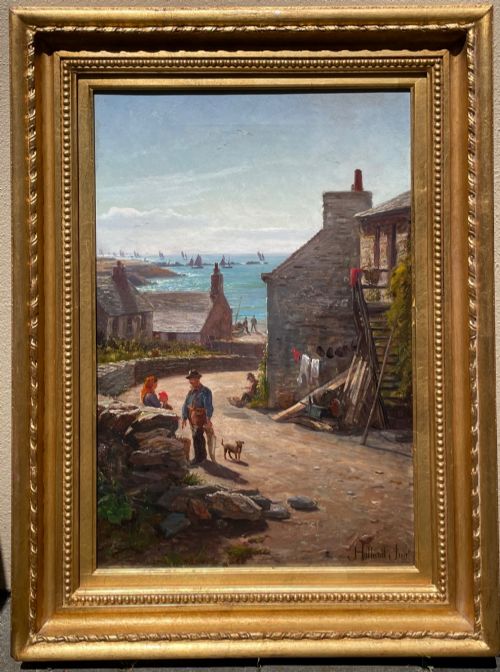
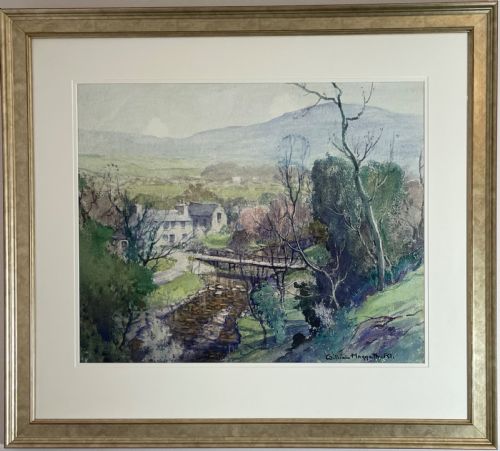
When you search for isle of man artwork, you encounter framed paintings and watercolours depicting specific Manx locations such as Port Erin, Peel Harbour, and Garwick Bay. These works record local landmarks and coastal views painted across the nineteenth and twentieth centuries.
The selection on this page consists predominantly of nineteenth-century Victorian pieces and later twentieth-century examples up to nineteen-sixty. You will find coastal scenes, marine subjects, and inland landscapes rendered by various British artists.
How they were made
These works utilise traditional painting materials including oil paint on canvas and watercolour on paper. Artists handled oil paint to build rich coastal textures, while watercolours allowed for lighter, more fluid topographical views.
Framing forms an integral part of these pieces, with works commonly presented in wooden and giltwood frames that suit the Victorian and Edwardian periods of their creation.
Among the coastal scenes and rugged cliffs, one Victorian oil painting delightfully introduces a Havanese dog posing on Onchan.
What varies in quality
Quality in these paintings rests upon the artist's handling of light and atmosphere, particularly in marine and landscape subjects where capturing weather and water is paramount. Works by established named painters demonstrate a surer command of composition and palette than anonymous student pieces.
The preservation of the paint surface and the paper support dictates the visual strength of the piece. Clean, stable oils on canvas and well-preserved watercolours retain their original tonal contrast.
John Holland·William Edward Webb·John Hobson Nicholson·William Hoggatt·Thomas Rose Miles·John McDougal·Owen Bowen·Arthur H Enock·Eliza Maddock
The Isle of Man Artwork Glossary
- Watercolour
- A painting method where fine pigment is suspended in water-soluble binders and applied to paper. This medium creates translucent washes suited to capturing changing skies and coastal light.
- Giltwood
- Wood that has been coated with a thin layer of gold leaf or gilt finish. Frames of this material frequently accompany nineteenth-century oil paintings.
- Impressionism
- An art style focusing on accurate depiction of light and its shifting qualities. British interpretations of this style appear in regional landscape and marine painting.
Isle of Man Artwork: Frequently Asked Questions
What periods do these paintings cover?
The available works span from the nineteenth century through the Victorian and Edwardian eras up to nineteen-sixty.
This timeframe includes both early realist interpretations and later twentieth-century British artistic movements.
Which Manx locations appear most often?
Artists frequently recorded specific coastal and harbour views including Port Erin, Peel Harbour, and Port St Mary.
Inland and bay locations such as St Johns and Garwick Bay also feature prominently across the collection.
What mediums were used by the artists?
The paintings utilise oil paint on canvas and watercolour on paper, alongside occasional pastel works.
These traditional materials define the surface texture and appearance of each framed piece.
How should I care for a watercolour?
Watercolours on paper require protection from direct sunlight to prevent the fading of pigments over time.
Displaying them in stable indoor conditions away from excessive moisture preserves both the paper and the framing.