
Antique Marble Top Cupboard
An antique marble top cupboard brings durable stone and timber together to anchor a bedroom or living space with quiet utility.

Forms and Origins
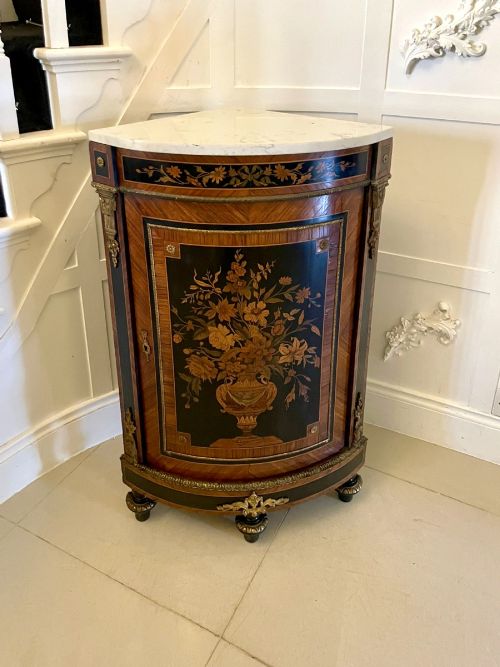
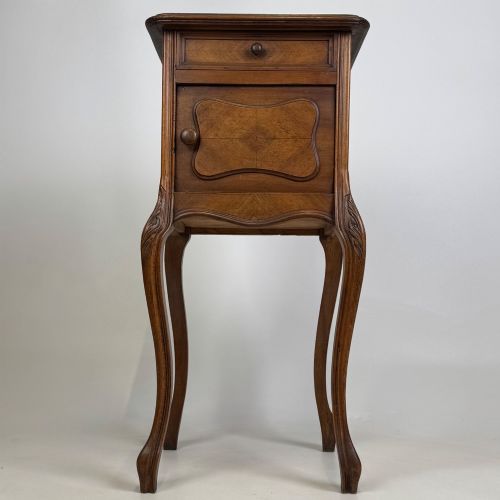
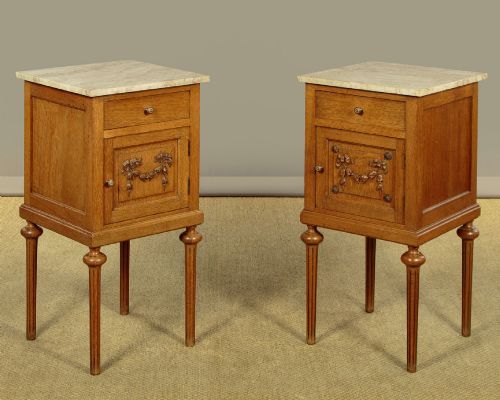
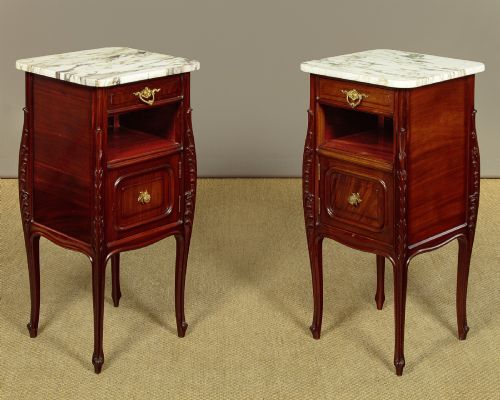
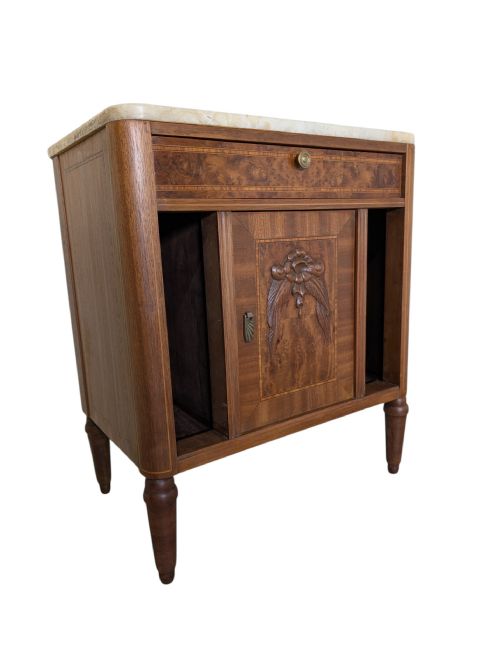
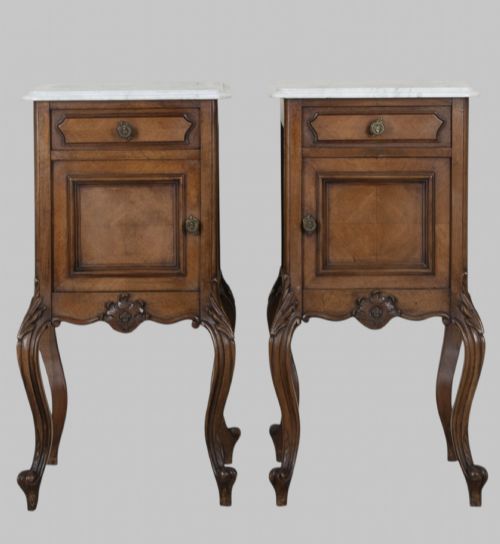
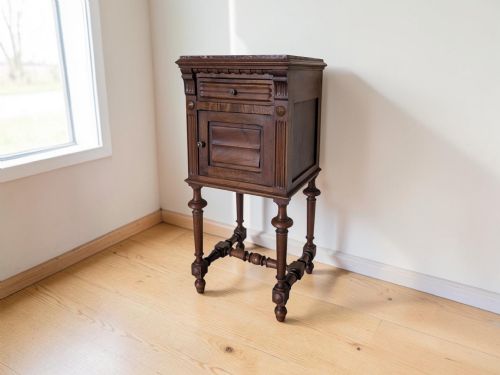
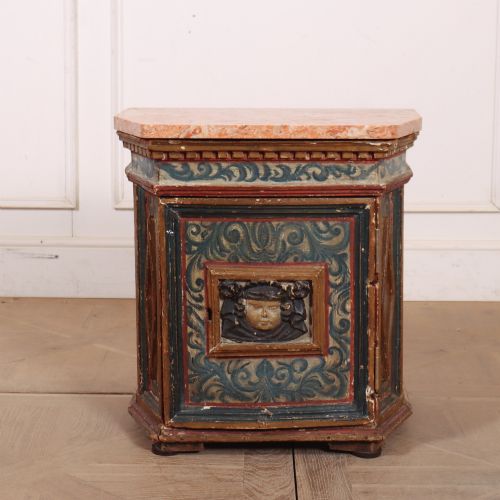
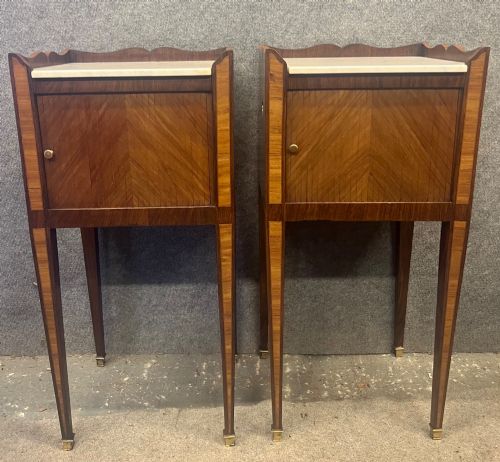
The antique marble top cupboard appears primarily in the form of bedside cabinets, washstand cupboards, and nightstands across the nineteenth and early twentieth centuries. These pieces span Victorian, Edwardian, and French provincial styles, utilising timber carcases topped with solid stone slabs.
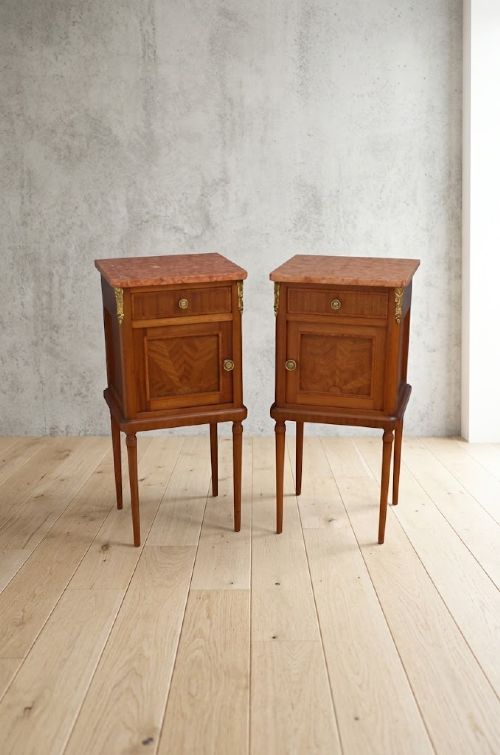
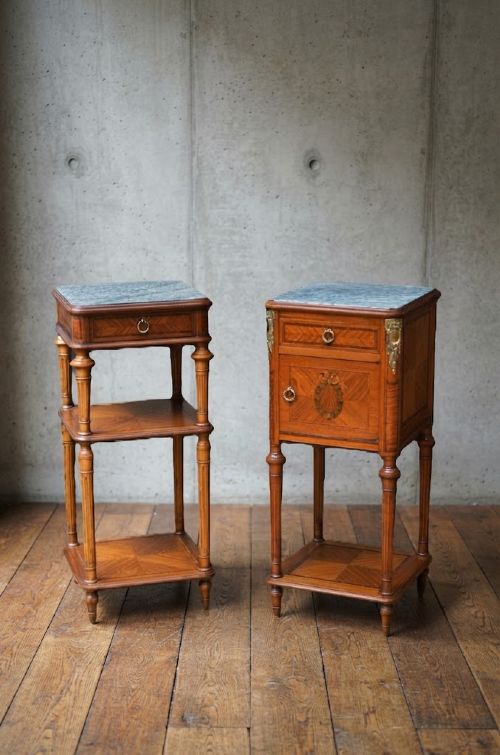
Most examples seen here are compact bedside pot cupboards or washstands designed for domestic utility. Walnut, mahogany, pine, and oak form the structural bodies, reflecting both British and Continental workshop traditions from the eighteen-fifties onward.
Materials and Construction
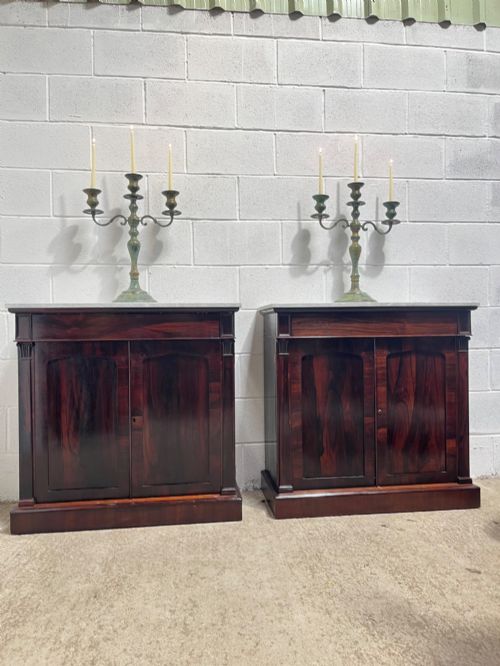
Cabinet makers constructed the timber carcases using mahogany, walnut, rosewood, oak, and pine, often incorporating flame mahogany veneers or satinwood details. Brass handles and mounts frequently furnish doors and drawers, while ceramic elements appear in interior fittings or associated washware.
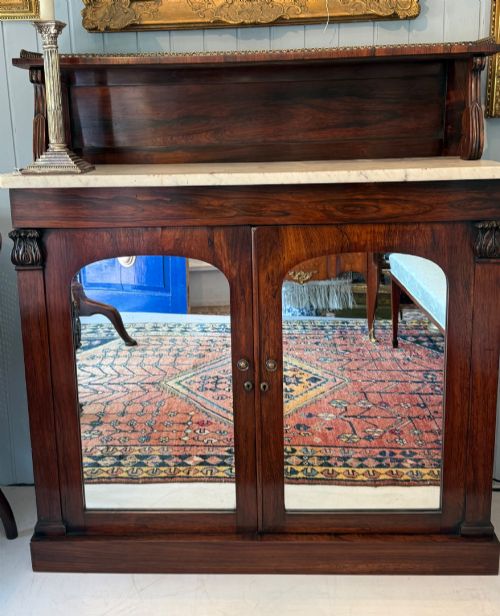
Thick marble slabs sit directly upon the timber tops to provide a durable, water-resistant surface suited to washstands and bedside use. Carcase joinery relies on traditional cabinet-making methods, supporting heavy stone tops without warping the underlying wood.
Retail Price Guide 2026
Typical UK retail prices for marble top cupboard, calculated from the Sellingantiques database of over a million retail prices indexed since 2003. This retail price guide relies exclusively on Sellingantiques data; no external sources or auction records are used, so the figures do not describe the wider market.
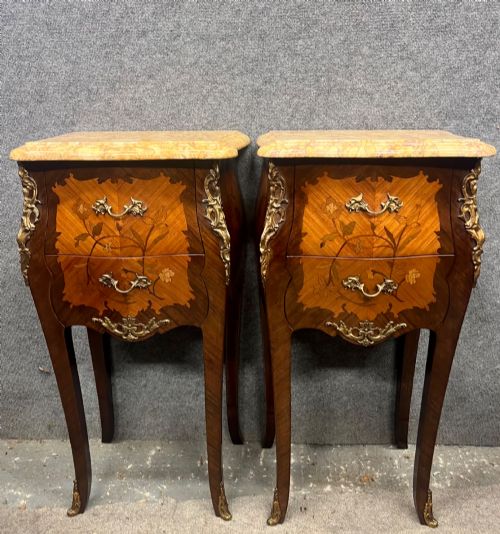
French regional styles appear frequently alongside British Victorian and Edwardian examples in the archive.
Distinctions in Standard
Quality rests in the selection of timbers, such as figured flame mahogany or dense walnut, and the precise matching of wood grain across doors and panels. Superior pieces exhibit refined carving, tight dovetail joinery in the drawers, and high-grade marble free from heavy staining or coarse repairs.
Maker attribution elevates certain examples, particularly where named firms like Edwards & Roberts supply documented craftsmanship. The thickness and finish of the marble slab, alongside the crispness of brass hardware, separate standard utility items from finer domestic furnishings.
Edwards & Roberts
The Antique Marble Top Cupboard Glossary
- Pot cupboard
- A small bedside cabinet originally built to enclose a chamber pot. These compact units usually feature a single door above or beside a small interior shelf.
- Washstand cupboard
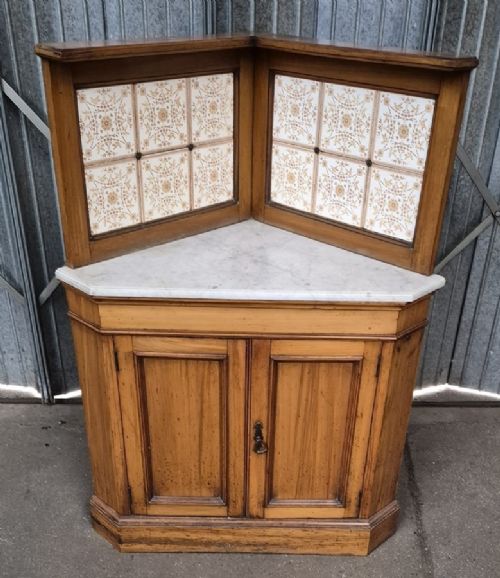
- A functional piece designed to hold a basin and jug on its stone surface, often fitted with a tiled or marble splashback. The enclosed cupboard below stored washing accessories.
- Flame mahogany
- A timber veneer exhibiting a distinctive flickering flame pattern cut from the fork of the mahogany tree. Cabinet makers reserved this highly decorative wood for primary display surfaces.
- Chiffonier
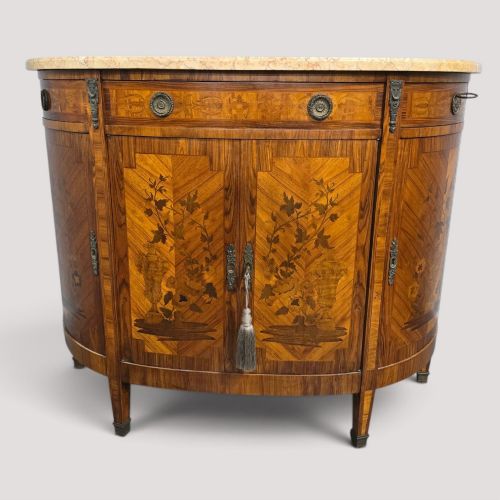
- A low sideboard or cabinet developed in the nineteenth century, occasionally fitted with a marble top and enclosed lower storage doors. It functioned as a serving or display surface in dining rooms and parlours.
Frequently Asked Questions
What is an antique marble top cupboard?
An antique marble top cupboard is a small wooden storage unit fitted with a stone slab top, typically dating from the nineteenth or early twentieth century. They served various domestic roles, including bedside tables, nightstands, and washstands.
The stone surface provided a practical, water-resistant area for jugs, basins, or bedside items, protecting the timber carcase below from moisture and daily wear.
How were marble top cupboards used originally?
These pieces functioned primarily as bedside cabinets or washstands in bedrooms and dressing rooms. The enclosed lower cupboard kept personal items or chamber pots out of sight.
In washstand configurations, the marble top held water basins and toiletries, offering a hygienic and easily wiped surface before plumbed bathrooms became standard.
How do I care for a marble top?
Marble requires gentle cleaning with warm water and mild, non-acidic soap to preserve its polished surface. Avoid abrasive cleaners or harsh chemicals that can etch or dull the stone.
Using coasters and placing damp items on mats prevents staining, as antique marble can absorb liquids if left unattended for long periods.
How do I distinguish Victorian from later pieces?
Victorian examples often employ solid mahogany, walnut, or rosewood with hand-dovetailed drawer construction and traditional timber framing. The joinery and wood patination generally show greater age through surface wear and oxidation.
Later pieces from around nineteen-twenty frequently incorporate softer pine carcases or different internal construction methods, reflecting changing manufacturing techniques and shifting domestic fashions.