


Antique Marble Stands
These antique marble stands bring solid stone surfaces into domestic rooms for display and daily use.
Antique Marble Stands
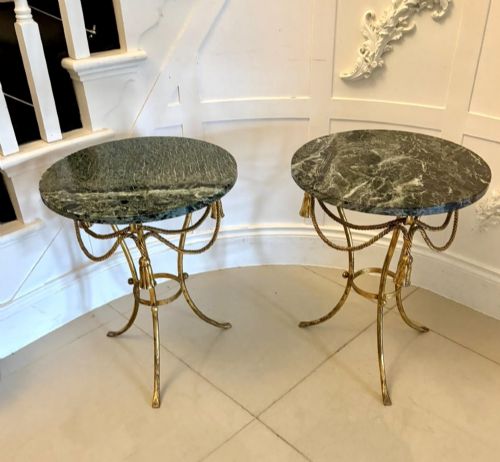
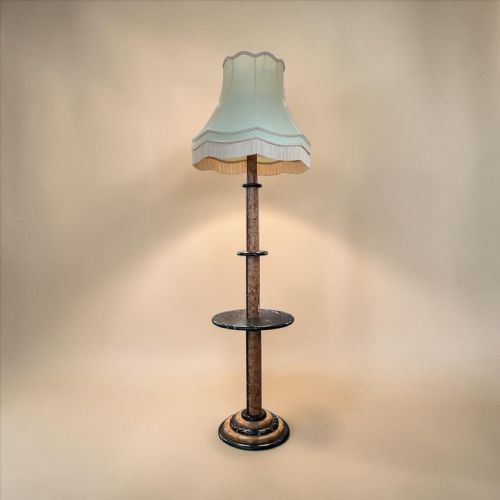
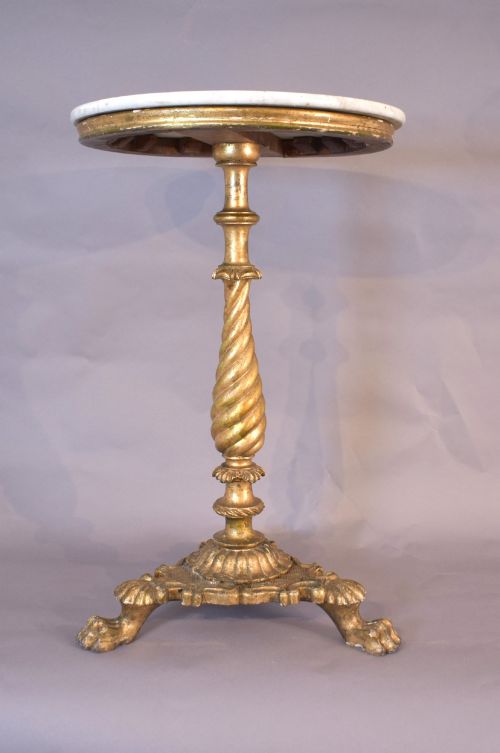
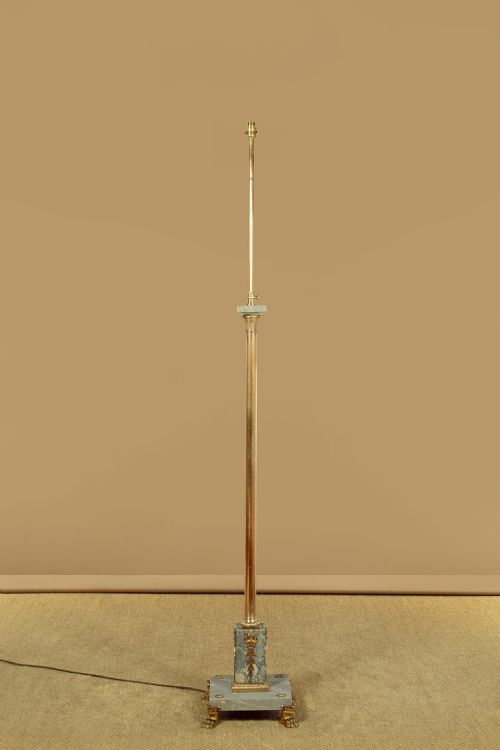
Antique marble stands encompass a broad group of furnishings built to elevate objects, hold wash basins or provide compact surface space. When you browse this phrase, you meet forms ranging from tall architectural columns and pedestals to low plant tables and side furniture.
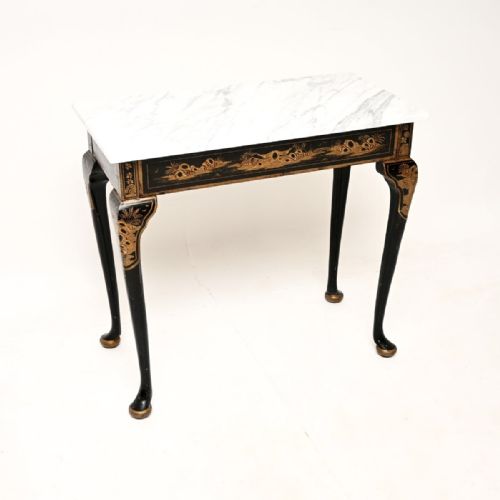
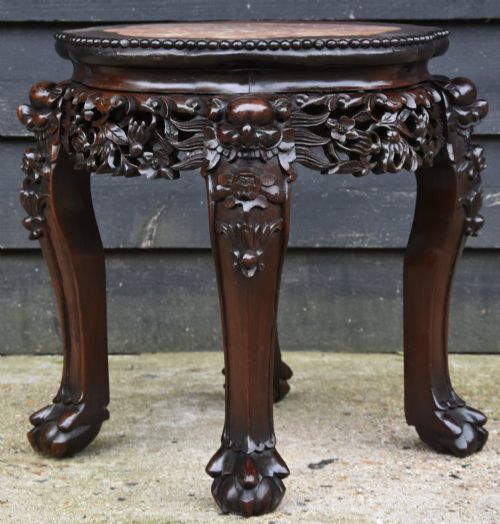
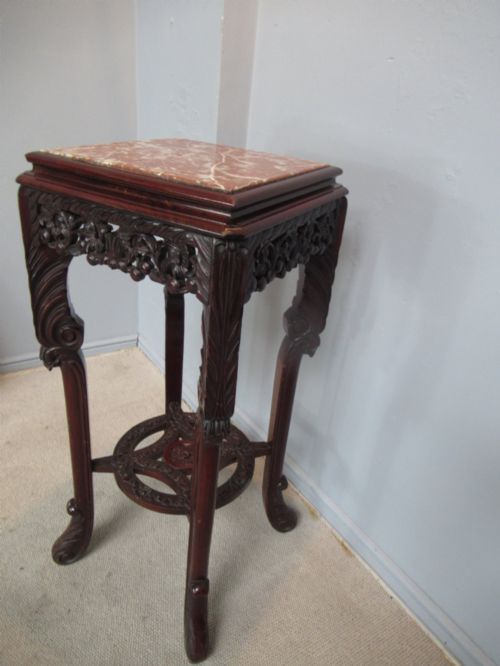
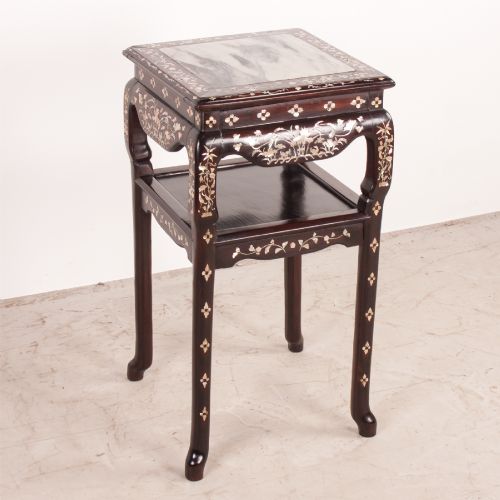
The domestic interior of the nineteenth century generated a steady demand for these surfaces, drawing on Victorian, Regency, and French design traditions. Chinese hardwood and export pieces with inset stone surfaces appear frequently alongside European tables and pedestals.
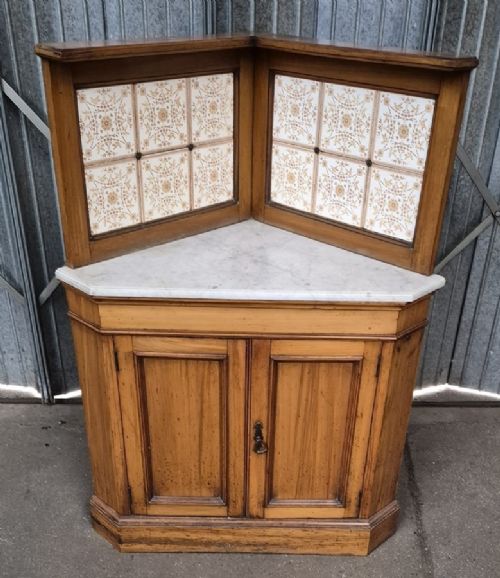
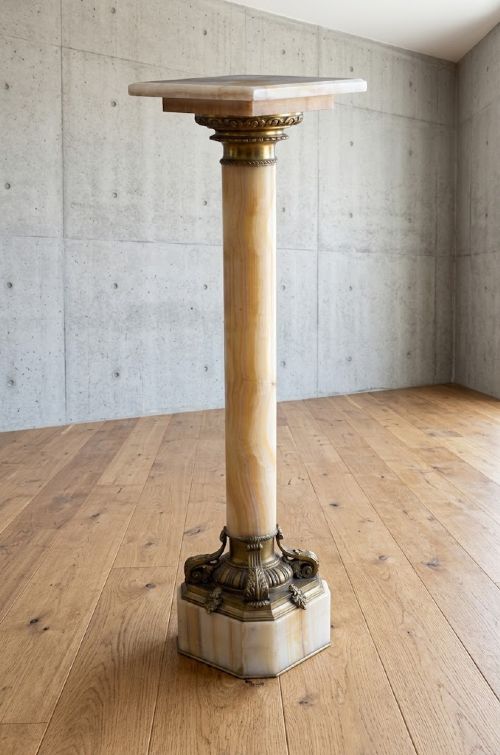
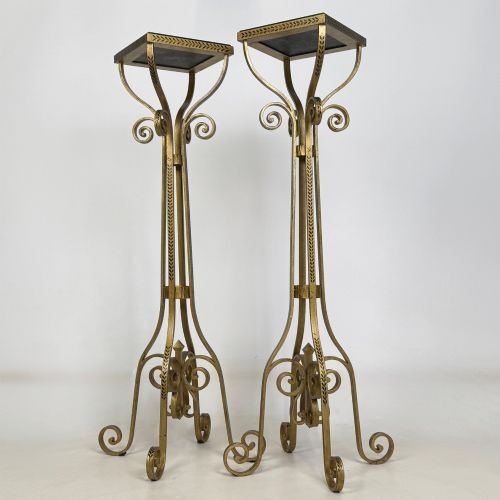
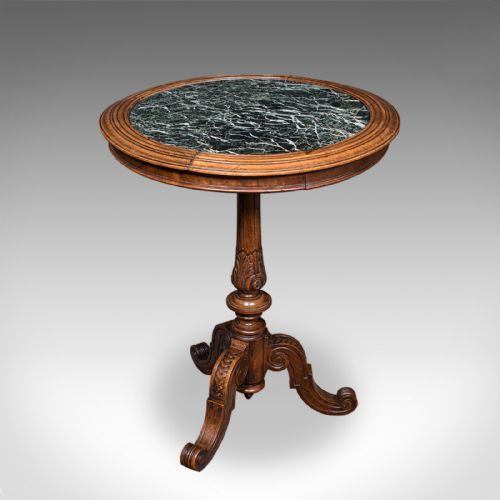
Plant stands and pedestals dominate the selection, often pairing turned marble columns with cast bronze or ormolu collars. Side tables and washstands featuring fitted marble tops provide lower storage compartments or simple frames built from mahogany, walnut, and kingwood.
How they were made
Makers combined dense timbers like mahogany, walnut, and rosewood with heavy stone inserts such as Carrara, Bardiglio, and onyx. Structural stability required tight joinery to support the substantial weight of top slabs and column shafts.
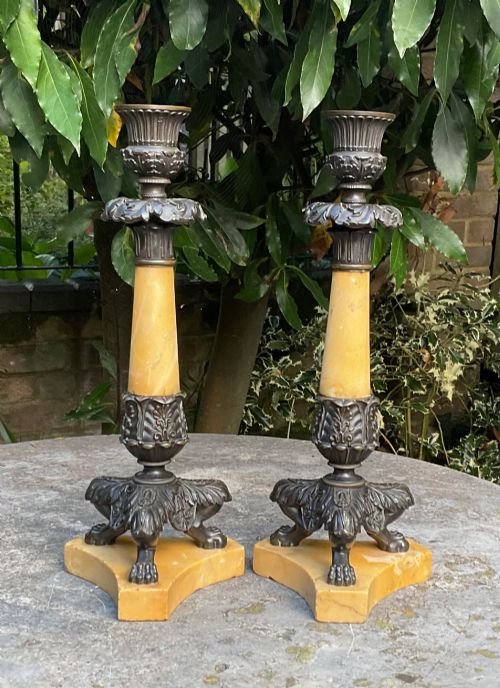
Cast metal details including bronze, ormolu, and gilded brass were employed as collars, mounts, and decorative feet to accent the stone. Carved wooden frames often received polished lacquer, gilding, or mother of pearl inlay to complement the veining of the marble.
A bronze study entitled Whip Girl stands ready to oversee any room it inhabits.
What varies in quality
Quality rests in the selection of materials and the crispness of the carving or casting. Fine examples exhibit carefully matched stone veining and substantial bronze mounts rather than plated substitutes.
Construction methods distinguish standard production pieces from finer workshop outputs. Superior joinery, well-fitted stone slabs that sit flush within their frames, and disciplined hand-carved detailing mark the upper tier of these stands.
Bruno Zach·Georges Van Der Straeten
The Antique Marble Stands Glossary
- Ormolu
- Gilded bronze used for decorative mounts and collars on furniture and columns. This technique creates a bright golden finish against dark timber and stone.
- Guéridon
- A small French table supported by a single central column or tripod base. These often feature circular marble tops.
- Scagliola
- A composite material made from selenite, glue, and pigments, mimicking natural marble. Artisans shaped and polished this mixture to imitate expensive stone specimens.
- Chinoiserie
- European artistic style reflecting Chinese motifs and decorative techniques. Lacquered surfaces and intricate carvings frequently characterise this aesthetic.
- Washstand
- A piece of furniture designed to hold a basin and jug for personal washing. Many versions incorporate marble tops to resist water damage.
Antique Marble Stands: Frequently Asked Questions
What rooms suit antique marble stands?
These pieces fit living areas, hallways, and bedrooms as display surfaces for plants, lamps, or decorative objects. Their sturdy stone tops handle daily placement of items without simple surface wear.
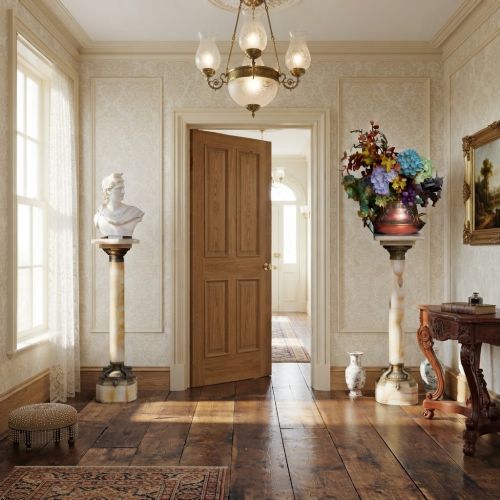
Taller columns and pedestals work well in corners or empty wall spaces to elevate sculptures or urns. Smaller tables serve beside seating furniture as compact lamp or occasional surfaces.
How do I care for antique marble tops?
Wipe stone surfaces with a damp cloth and mild soap, avoiding acidic cleaning agents that etch polished finishes. Regular dusting keeps organic debris from settling into the natural pores of the marble.
Protect the underside and edges from sharp impacts since heavy stone can chip under sudden stress. Waxing timber bases separately preserves the surrounding wood without harming the stone inset.
Are these stands structurally heavy?
Most pieces carry significant weight due to the solid stone slabs and dense hardwood frames used in their construction. Larger columns and washstands require careful placement to ensure stability on uneven floors.
Lighter plant stands and occasional tables offer easier mobility while maintaining solid structural support through balanced tripod or four-leg bases.
How do I distinguish regional styles?
French pieces often display neoclassical or Louis-inspired bronze mounts, ormolu collars, and rich kingwood veneers. Chinese export stands utilise dense hardwoods, intricate hand carving, and inset marble panels.
English Victorian examples typically favour mahogany, walnut, or turned wood frames designed for domestic utility in washstands and side furniture.